


Key Takeaways About Water Damage Prevention
Water damage prevention means stopping water entry and controlling indoor moisture to protect a home’s structure and air quality. This guide is for Texas homeowners and property managers before storms high humidity or plumbing failures occur.
- Identify visible stains sounds and damp spots early to document issues.
- Prevent plumbing failures by inspecting supply lines shutoffs and hoses regularly.
- Avoid exterior pooling by grading soil and keeping gutters and downspouts clear.
- Spot hidden leaks using moisture meters infrared scans and targeted tests.
- Reduce mold risk by controlling humidity and maintaining HVAC condensate drains.
- Plan professional inspections and documented diagnostics for persistent or complex problems.
Introduction
Water damage prevention is a practical priority for Texas homeowners facing seasonal storms, flash floods, leaky pipes, and persistent humidity. Wet walls, warped floors, and musty odors signal problems that grow costly and destructive if ignored. A single slow leak can lead to mold, framing rot, and ruined finishes over months. Homeowners in Kennedale often recognize small issues before they become emergencies.
Storm-driven water and poor indoor humidity both strain a home’s structure and mechanical systems. Flooding can push water into crawlspaces and behind drywall where it is hard to see. Plumbing failures like burst supply lines or failed shutoff valves create immediate flooding and hidden damage. Properties in Arlington, TX can face sudden weather events that reveal weak points in building envelopes.
Preventing water damage reduces short term repair bills and long term structural risks that lower a property’s value. Moisture also affects indoor air quality and can worsen allergies or respiratory problems. Effective prevention keeps insulation dry and framing sound so future repairs are less extensive. Early detection and simple fixes often stop small issues from growing into major jobs.
Recognizing symptoms, knowing common failure points, and calling a professional when risks appear makes prevention realistic for most homeowners. Visible stains, unusual sounds, and recurring damp spots are useful warning signs to document. A trained technician will confirm causes using inspections, moisture meters, and pressure or dye checks. Acting on clear evidence prevents repeated damage and reduces unexpected repair time.
Understanding How Flooding Happens In Texas
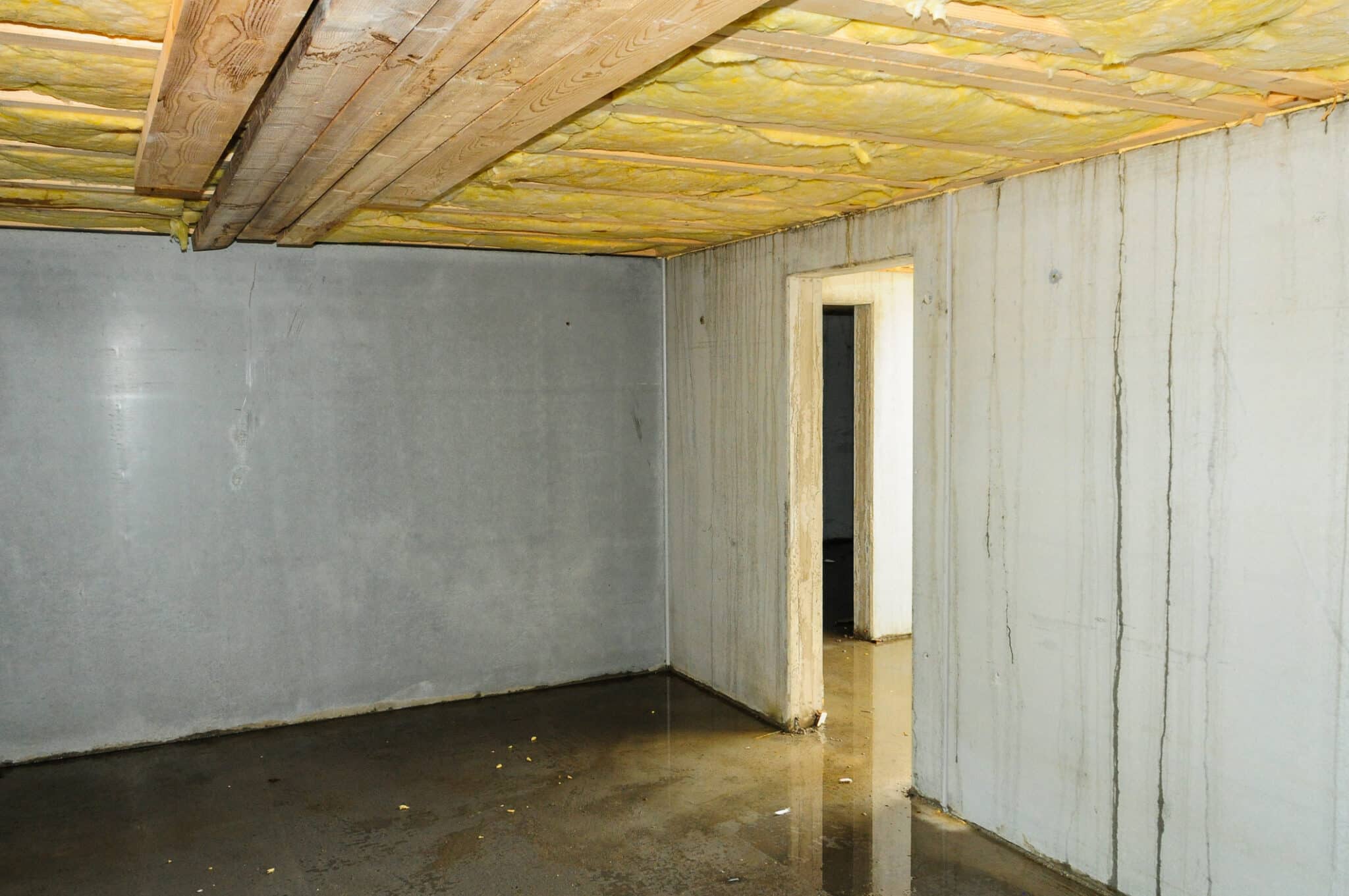
Flooding in Texas occurs when heavy rain, poor drainage, high water tables, or plumbing failures allow water into living spaces.
- Flash floods can overwhelm yards and gutters.
- Clogged drains send water toward foundations.
- Broken supply lines cause rapid indoor flooding.
- Sump pump failure lets basements collect water.
Storm surge or heavy storm rain can push water into low openings and unfinished crawlspaces quickly. Homeowners often ask whether roof leaks differ from flood intrusion, and the answer is that roof leaks are localized while storm flooding can affect whole floors. Inspectors look for water stains on ceilings and soft spots in floors to tell the difference. In a diagnosis, professionals use moisture meters and visual checks to map wet areas.
Ground slope and gutter discharge location strongly affect where water pools near a house. For properties in Arlington, TX sudden runoff from nearby streets can send water toward foundations during heavy storms. Check downspouts and grading during or after a rain event to see where water flows away from the structure. Simple observation during a storm gives clear clues about weak spots that need fixing.
Plumbing failures cause different symptoms than external flooding and often occur without weather triggers. A slow supply-line leak might show damp drywall, musty odor, or recurring stains that grow over weeks. To confirm, a technician may perform a pressure test, inspect shutoff valves, and use a dye test in drains to trace the source. Documenting sounds, timing, and visible moisture helps prioritize repairs before damage spreads.
Homes in Kennedale should note that basements and lower levels can hide slow leaks until mold appears or flooring warps. For more targeted guidance on lower-level risk and practical prevention, see the advice on basement flooding prevention. Early detection and matching the symptom to the likely source make water damage prevention practical and effective.
Common Causes Of Water Damage In Homes
A common cause of water damage is failed plumbing components like hose bibs, supply lines, and shutoff valves that age or corrode. Leaking supply lines often produce damp drywall or warped baseboards near fixtures. During an inspection a technician checks shutoff valve operation and inspects supply lines for bulges or mineral crusts. Homeowners who hear hissing or running water when fixtures are off should document the times for a pro to trace the leak.
Clogged or damaged drain lines and P-traps can cause slow backups that wet cabinets, subfloors, and finishes over time. A visible recurring slow drain or gurgling sound points toward partial blockages or vent stack issues. Professionals diagnose these with a camera inspection of the drain, a dye test, and checking the vent stack for obstructions. If a sump pump is present, its failure during heavy rain can make these backups worse, so consider a pump with battery backup described in the advice on sump pump backup.
Roof and flashing failures let water enter above ceilings and along exterior walls, often showing as brown stains or blistering paint before soft spots appear. Wind-driven rain can force water into gaps around windows, doors, and siding when seals fail. During a roof-related diagnosis, a professional looks under eaves, inspects flashing, and may use an infrared camera to spot cool wet areas. Properties in Arlington, TX often reveal leak paths along roof-to-wall transitions after intense storms.
Groundwater and perimeter drainage problems create chronic dampness in crawlspaces and basements, which damages insulation and framing slowly. Poor grading and blocked gutters concentrate runoff next to foundations, increasing hydrostatic pressure against walls. A contractor will check grading, downspout discharge, and the foundation wall for hairline cracks or efflorescence during an evaluation. Homeowners in Kennedale should watch for damp insulation or musty smells in lower voids and schedule a plumbing inspection at plumbing inspections if problems persist.
Recognizing Early Warning Signs Of Water Intrusion
Look for subtle changes in finishes such as small circular stains, peeling paint at baseboards, or blisters in wallpaper that appear after rain events. Soft spots under carpet or tile often show before large visible stains, and pressing with a fingertip can reveal weakened subflooring. A professional would use a moisture meter to map affected areas and record relative humidity and material moisture percentages. Document photos and dates to help a technician correlate symptoms with weather or plumbing activity.
Unusual sounds like intermittent running water when all fixtures are off can indicate hidden supply-line leaks behind walls or under floors. Professionals check shutoff valves, inspect visible supply lines, and may perform a pressure test to confirm a leak. A dye test in toilets and an inspection of the P-trap under sinks can distinguish between fixture leaks and drain backups. Homeowners in Kennedale should note timing and any appliance use when they hear these sounds.
Persistent musty or moldy odors usually point to trapped moisture in cavities, insulation, or ductwork even when walls look dry on the surface. Technicians often remove a small section of drywall, probe insulation, and use infrared cameras alongside moisture meters to find concealed wet zones. Visible mold growth near floor vents or around window casings is a clear cue to inspect the HVAC condensate drain and evaporator coil. For sump-related concerns after heavy rain, consider inspection and maintenance options found at sump pump services.
Flooring that separates at seams, warps, or creaks underfoot signals moisture expansion in wood or composite materials and may follow slow leaks from appliances. Inspectors check appliance supply lines, flex hoses, and the area behind dishwashers and washing machines during evaluations. In properties in Arlington, TX timing notes after storms help professionals determine if water entered from outside or from a failing interior component. Early action limits rot, reduces mold spread, and simplifies repairs when technicians provide a written report of findings.
Interior Systems To Inspect And Maintain Regularly
Inspect shutoff valves, supply lines, and visible fixtures monthly to catch small leaks before they worsen. Check toilet fill valves and supply hoses for drips and mineral buildup. Test each isolation valve by turning it fully off and on to confirm operation. If a valve resists, note its location and consider replacement by a professional.
- Check appliance supply hoses for cracks or bulging.
- Inspect under-sink P-traps for corrosion or slow drains.
- Test condensate drain lines on HVAC systems for clogs.
- Run water and watch for pressure drops or leaks.
Watch HVAC components that create moisture such as the evaporator coil and condensate pan for standing water and algae growth. Clear the condensate drain with a wet vacuum or gentle brush if you see pooling. A professional can inspect the coil and blower motor when airflow changes or odors develop. Keeping duct boots sealed prevents moisture from entering wall cavities during cooling cycles.
Monitor sump pumps and related components like check valves and float switches before storm season to ensure reliable operation. Confirm the pump activates under load and the check valve prevents backflow into the basin. For properties at risk of sewer backup, consider a backwater valve installation as a preventive measure. Homeowners in Kennedale and Arlington, TX should schedule inspections if systems show unusual sounds, intermittent cycling, or slow drainage.
Exterior Defenses To Prevent Storm And Flood Damage
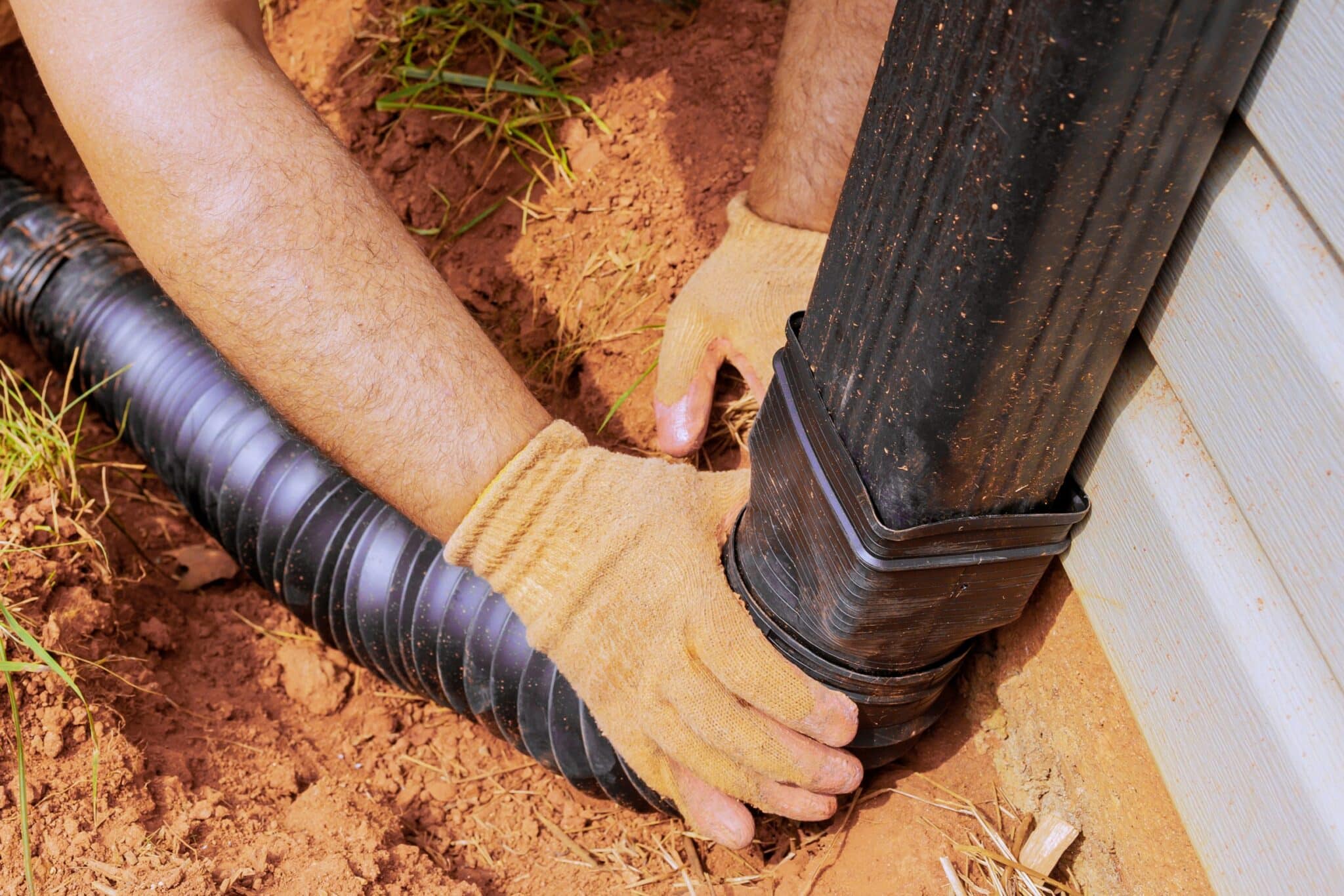
Inspect exterior grading and ensure soil slopes away from foundations to reduce hydrostatic pressure during heavy rain. Clean gutters and downspouts monthly so water moves well away from the house, and extend downspout discharge several feet. Check for pooling near foundation walls and clear debris that redirects runoff toward the structure. If you see persistent wet spots next to the foundation, consider a professional evaluation of perimeter drainage.
Consider installing a perimeter or French drain to manage groundwater and reduce seepage through foundation walls. A contractor evaluates existing footing drains and may recommend improved gravel trenches or perforated pipe to carry water away. During an inspection, a technician looks for efflorescence, damp paint, and interior moisture readings that suggest poor exterior drainage. For more details on planning surface and subsurface solutions, review guidance on foundation drainage.
Protect low openings like crawlspace vents, window wells, and foundation vents with properly fitted covers and waterproof seals. Seal gaps around exterior penetrations where utility lines and vent stacks enter, using durable caulk or foam that resists UV and movement. In a storm, temporary barriers at door thresholds and garage low points also reduce intrusion when heavy runoff approaches. Homeowners in Kennedale should inspect these seals before seasonal storms to catch early failures.
Install reliable exterior shutoffs and automatic backflow devices to prevent sewer or stormwater from entering during high flows. Test exterior hose bibs and frost-free valves for leaks and proper shutoff operation before storm season. A professional diagnosing exterior intrusion first performs a site walk, then uses surface observations and moisture meter readings to confirm water paths. If leaks hide in walls or under slabs, consider a hidden leak detection service described in the diagnostic guidance at hidden water leak detection.
Humidity Control Strategies For Mold Prevention
Control indoor humidity to slow mold growth by keeping relative humidity between 30 and 50 percent using a hygrometer for regular checks. Use dehumidifiers in basements, crawlspaces, and high-humidity rooms to remove excess moisture efficiently. Ventilation helps, run exhaust fans during showers and cooking to move humid air outside. In Kennedale homes, place a dehumidifier where humidity readings stay high despite ventilation.
Manage HVAC to reduce moisture accumulation by scheduling coil and condensate drain maintenance before humid seasons arrive. Clean or replace filters and ensure the condensate drain line flows freely to prevent backups and microbial growth. A blocked condensate drain can create steady dampness under cabinets and in ceilings near air handler locations. Technicians often inspect the evaporator coil and use moisture meters to confirm dry operation.
Improve airflow in closets, crawlspaces, and utility rooms to prevent stagnant moist pockets that support mold. Seal foundation vents when needed but add conditioned air or dehumidification so trapped moisture does not increase. For unseen leaks or persistent humidity despite these steps, a professional uses infrared imaging, moisture meter readings, and targeted probing to locate hidden damp sources. If a concealed leak is suspected, consider a service such as hidden water leak detection for confirmation.
Choose building materials and finishes that tolerate humidity in vulnerable areas to reduce mold risk and future repairs. Paints with moisture-resistant formulations and mold-inhibiting additives can slow visible growth on trim and walls. Replace water-sensitive insulation with closed-cell foam or sealed rigid board in consistently damp zones. In Arlington, TX properties, balance sealing with active dehumidification to avoid trapping moisture inside assemblies.
When To Call A Professional For Water Damage Prevention
Call a professional when you notice recurring moisture despite basic fixes, because persistent issues often hide inside assemblies and require tools. A trained technician uses moisture meters, infrared cameras, and probing to confirm the source and extent of damage. They also perform pressure tests on supply lines and dye tests in drains to rule out fixture leaks. Early professional diagnosis often reduces repair scope and prevents unseen mold growth from spreading.
- Schedule a site walk to map wet areas.
- Ask for moisture meter readings and photos.
- Request pressure or dye tests for plumbing checks.
- Verify sump pump float and check valve operation.
If water pools near foundations after rain or grading adjustments fail, bring in a specialist to assess perimeter drainage and recommend fixes. A contractor inspects downspout discharge, footing drains, and the need for a French drain installation. They can also advise on proper downspout extensions and surface swales to redirect runoff away from structures. Documentation from this inspection helps plan prioritized repairs.
Call professionals for complex mechanical concerns like intermittent pressure loss, noisy valves, or frequent sump cycling that indicate system faults. Technicians check pressure-reducing valves, shutoff valves, and supply-line condition during these diagnostics. They may perform recorded pressure tests and deliver a written report with observed readings and recommended repairs. This level of documentation supports insurance claims and targeted remediation.
When humidity controls fail repeatedly or mold returns after cleaning, seek expert evaluation to locate hidden moisture drivers and recommend durable solutions. A pro assesses HVAC condensate drains, evaporator coils, ductwork, and crawlspace ventilation for hidden wet sources. They can also offer planned services such as the water management protection work described in water management protection services. Homeowners in Kennedale and Arlington, TX benefit from documented diagnostics before committing to major repairs.
Cost Effective Repairs And Long Term Risk Reduction
Start with repairs that stop water at its source to reduce long-term costs and structural risk. Fixing a leaking supply line or a failing shutoff valve usually costs less than repairing framing and mold remediation later. A professional can prioritize repairs by inspecting visible components and testing with a moisture meter and pressure gauge. Documented repair steps and readings help avoid repeated expenditures and speed future insurance claims.
Targeted waterproofing often prevents repeat problems in vulnerable zones such as foundations, window wells, and crawlspaces. Consider a scope of work that includes exterior grading, sealed penetrations, and interior wall coatings chosen for the specific risk. A contractor assessing these options may recommend services including waterproofing services to reduce seepage and manage hydrostatic pressure. Comparing focused waterproofing to full rebuilds shows clear cost savings in many scenarios.
Small mechanical upgrades deliver big returns by reducing failure likelihood and repair frequency over time. Replacing old supply hoses, installing a reliable check valve, and fitting a float switch with a battery backup lowers emergency callouts. During diagnosis, a technician inspects shutoff valves, checks sump pump float operation, and records pump cycle counts to confirm functionality. These measurable checks make it easier to plan phased repairs based on budget.
Plan preventive maintenance to turn one-time fixes into long-term risk reduction that saves money across years. Create a simple schedule that includes monthly visible checks, seasonal sump pump tests, and annual moisture meter scans of vulnerable areas. If recurring issues persist after these steps, technicians can perform targeted diagnostics such as a dye test, infrared scan, or written condition report. Homeowners in Kennedale and Arlington, TX find that staged repairs reduce unexpected downtime and spread costs.
Frequently Asked Questions
How can I spot early water damage signs in walls or floors?
Look for discoloration, bubbling paint, or soft spots on walls and floors that worsen after rain or appliance use.
Smell musty odors or notice increased humidity near baseboards, HVAC vents, or behind furniture.
Tap surfaces for hollow sounds and use a moisture meter or infrared camera when available to confirm elevated readings.
If you find active leaks, mold, or structural sagging, stop using the area and contact a professional promptly for inspection and repair.
What routine checks prevent water damage in plumbing systems?
Check visible supply lines, shutoff valves, and flexible connectors monthly for dampness, bulges, or corrosion to support water damage prevention. Test toilet flappers and supply shutoffs by running brief checks and observing for slow leaks or continuous fill. Inspect under sinks, around water heater, and at the washing machine for stains, odors, or pooling, if present, proceed with caution and contact a professional. Verify sump pump operation and clean the basin and inlet screen, if pump fails or wiring looks unsafe, call a licensed plumber.
How should Texas homes manage humidity to prevent water damage?
Control indoor humidity by running exhaust fans in bathrooms and kitchens during and after moisture-producing activities. Use a whole-house dehumidifier or portable units in basements and crawlspaces to keep relative humidity between 30 and 50 percent. Monitor levels with a hygrometer and address persistent high readings by inspecting HVAC condensate drains and condensate pump operation. If you detect mold, musty smells, or stuck damp insulation, stop exposure and contact a professional for safe remediation and system diagnosis.
When should I call a pro for hidden leak diagnosis?
Call a professional when you notice unexplained water stains, persistent musty smells, or higher water bills without visible leaks. Rapid discoloration on ceilings or walls after storms often signals hidden leaks that need inspection. A pro will use a moisture meter, infrared camera, and pressure tests to locate leaks and assess damage. If you spot mold growth or structural sagging, stop using affected areas and contact a professional immediately for safety and repairs.
What exterior fixes reduce flood and foundation seepage?
Extend downspouts at least 6 feet from the foundation and ensure gutters remain clean to channel roof water away. Grade soil to slope away from the house at a 5% or greater pitch within the first 10 feet. Install or service a sump pump with a reliable check valve where basements or low spots collect water, and consider a perimeter drain for chronic seepage. If you see foundation cracks or persistent pooling, exercise caution and hire a licensed contractor or structural engineer for diagnosis and repair.