


Key Takeaways About Sewer Line Replacement
Sewer line replacement means removing and installing a damaged sewer pipe to restore reliable flow. This guide is for homeowners and property managers who need to weigh methods permits timelines and surface protection before work begins.
- Identify visible symptoms like slow drains odors or wet spots quickly.
- Prevent bigger damage by scheduling a camera inspection and cleanout tests.
- Avoid unnecessary driveway demolition by considering trenchless options first.
- Spot permit checkpoints and inspector visits that affect project timing.
- Reduce surface impact with plywood mats soil saving and careful staging.
- Plan restoration and compaction steps and request recorded footage and reports.
Introduction
Sewer line replacement can feel disruptive because it often involves digging through lawns and driveways. Homeowners face decisions about full excavation or less invasive trenchless methods. Permits, timelines, and protecting surfaces shape both cost and inconvenience. Knowing how each choice affects your property matters for planning and peace of mind.
Visible signs like slow drains, bad smells, and soggy spots point to a failing sewer line. A professional inspection and a camera run help confirm the exact location and severity. That diagnosis decides whether trenchless options apply or a traditional dig is necessary. Early confirmation can reduce surprise damage to landscaping and hardscapes.
Permits and local rules influence how crews access the pipe and what restoration standards they follow. Municipal permit processing times can change the project schedule in Mansfield and nearby areas. Contractors must coordinate with inspectors to close permits before final restoration. Expect the permit step to add days or weeks to physical work time.
Protecting driveways and surfaces matters whether crews trench or use pipe bursting and lining techniques. Temporary plywood, track mats, and careful equipment staging limit surface impacts. Clear communication about restoration expectations helps preserve curb appeal. Homeowners in Waxahachie and similar communities often prefer options that minimize visible disruption.
How Sewer Line Replacement Works And Why It Happens
Sewer line replacement is the process of removing and installing a full or partial sewer pipe to restore reliable flow. A technician first confirms the failure cause using a camera inspection and cleanout access. Homeowners often ask whether a camera run can prove the pipe needs full replacement, and the answer is yes when footage shows collapse, heavy root intrusion, or wide separations. A clear diagnosis guides the choice between direct excavation or trenchless methods like lining or bursting.
- Locate the exact pipe path before any digging.
- Run a camera to record the interior condition.
- Perform simple tests to check flow and blockages.
- Compare repair options based on damage and access.
During site preparation, crews map utilities and mark the route to avoid accidental strikes. For pre-dig mapping and locating cleanouts, a professional will often refer to existing plans and conduct a physical location sweep before excavation. You can find more on careful locating in the guide about sewer line mapping before dig. This step reduces surprises and protects underground components like water supply lines and gas mains.
When technicians decide on the approach, trenchless lining involves inserting a resin-saturated tube that cures in place and seals cracks. Pipe bursting replaces the pipe by pulling a new pipe through while fracturing the old one, limiting surface impact. Traditional open-cut replacement removes soil, replaces the pipe, and restores the surface, which usually requires more time and more visible restoration afterward.
Professionals diagnose issues by noting symptoms like recurring backups, wet spots, or slow drains, then running tests such as a dye test or pressure checks. They inspect the cleanout, run a camera, and often provide recorded footage and a written report showing the defect type and exact location. Homeowners in Mansfield should expect the written findings to include recommended methods and a comparison of surface impact for each option.
Common Causes Of Sewer Line Failure In Mansfield
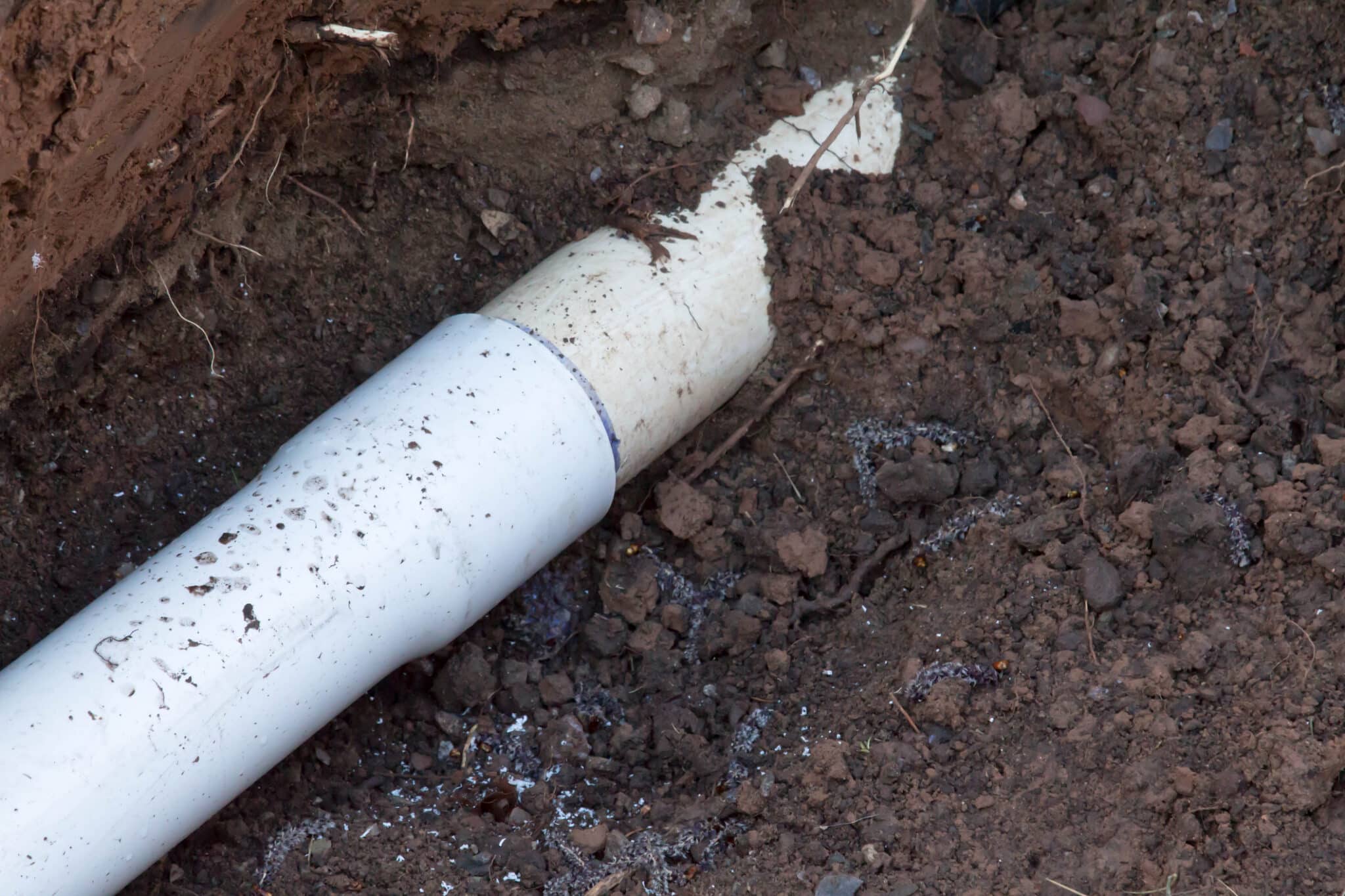
Clay, cast iron, and older vitrified clay pipes can crack with age and shifting soils, causing sections to collapse or separate. Root intrusion often follows small cracks, widening gaps as roots grow toward nutrients in wastewater. Corrosion affects metal pipes and can create pinholes that lead to long-term leaks and soil washout. A professional inspects material type during a camera run to assess whether remaining pipe strength supports a partial repair or complete replacement.
Ground movement and settling can misalign joints or pinch flexible pipe, reducing flow and creating recurring clogs. Heavy vehicle traffic over a driveway compresses soil and stresses buried lines, which may be a concern under paved areas. Poor initial installation, such as improper slope or inadequate bedding, accelerates wear and causes low spots where solids accumulate. Technicians look for these installation clues when reviewing recorded footage and a written report.
Blockages from grease, non-flushable items, and repeated root cuts cause backups that mask underlying structural failure until damage is severe. Repeated clog treatments can erode pipe walls or joints, increasing the chance of collapse over time. To confirm a structural problem, a pro combines a camera inspection with a dye test or flow check at the cleanout. When footage shows heavy damage, they will compare trenchless options like cured-in-place lining or pipe bursting to open excavation using resources such as trenchless sewer repair.
Surface runoff and poor surface drainage can saturate backfill and wash fine soil away from around pipes, leaving voids that stress the line. Tree planting too close to a sewer path increases future root risk as trees mature and expand their root systems. Homeowners in Mansfield should note seasonal wet spots and persistent soft ground as early warnings. A written inspection will note these environmental causes and recommend monitoring, root barrier options, or full replacement based on severity.
Warning Signs Homeowners Should Watch For
Watch for sudden gurgling from multiple drains and toilets that back up without an obvious clog. Persistent sewer smell near the foundation often signals a leak or breach in the buried sewer line. Soft, sinking spots in the yard that appear over weeks suggest soil washout from a leaking pipe beneath. If you notice any of these, contact a professional to evaluate the line promptly.
Repeated cleanout treatments that temporarily clear wastewater but return within days indicate an underlying structural problem. A technician will check the cleanout, run tests, and perform a camera inspection to confirm the issue. Recorded footage helps locate the defect and shows whether roots, collapse, or corrosion cause the problem. You can learn more about how a camera run works in the guide about sewer camera inspection.
Warm, wet patches on lawns that persist after dry weather often mean sewage is escaping into the soil near the pipe. Slow drains in several fixtures at once point to a main sewer problem rather than an individual trap or vent issue. Homeowners in Mansfield should treat repeated or worsening symptoms as signs that the problem will not fix itself. A pro will check slope, joint integrity, and nearby tree roots during inspection.
Listen for unusual noises in plumbing, like a constant trickle or sudden surges when other fixtures run, which can indicate pipe separation. Visible cracks or sinking along driveways and paved areas may signal voids under hardscapes from leaking sewage. In Waxahachie properties, pay attention to odor or drainage changes after heavy rain, which can reveal buried line problems. If these cues appear, schedule a diagnostic inspection quickly to avoid larger repairs later.
Trenchless Options Versus Traditional Replacement Methods
Trenchless methods and open-cut replacement each suit different pipe problems and site limits, so homeowners weigh trade-offs. Trenchless lining preserves most surface areas but needs a mostly intact host pipe to form a new tube. Pipe bursting replaces the line without full demolition but requires access pits and careful depth control. Open-cut gives direct access and works when collapse or misalignment prevents trenchless fixes.
- Assess pipe material first.
- Check the length of the damaged run.
- Confirm access for equipment and pits.
- Consider nearby roots and utilities.
- Factor in surface restoration needs.
Professionals diagnose suitability by reviewing camera footage and testing cleanout flow before recommending trenchless or traditional replacement. They may perform smoke testing to find leaks and confirm lateral connections when mapping problem spots. A recorded camera run, smoke testing results, and a written report support the final method selection. Homeowners should ask for these inspection outputs to compare expected surface impact and durability.
Timeline differences matter: trenchless lining often finishes faster with less heavy excavation and shorter restoration needs. Open-cut projects can take longer because crews excavate, replace pipe, backfill, compact, and fully restore the surface. In some cases, combining methods solves complex runs where one section needs open-cut and another can be lined. For properties in Waxahachie and surrounding areas, mixing approaches reduces overall disruption when site conditions vary along the sewer path.
Permits Inspections And Local Mansfield Requirements
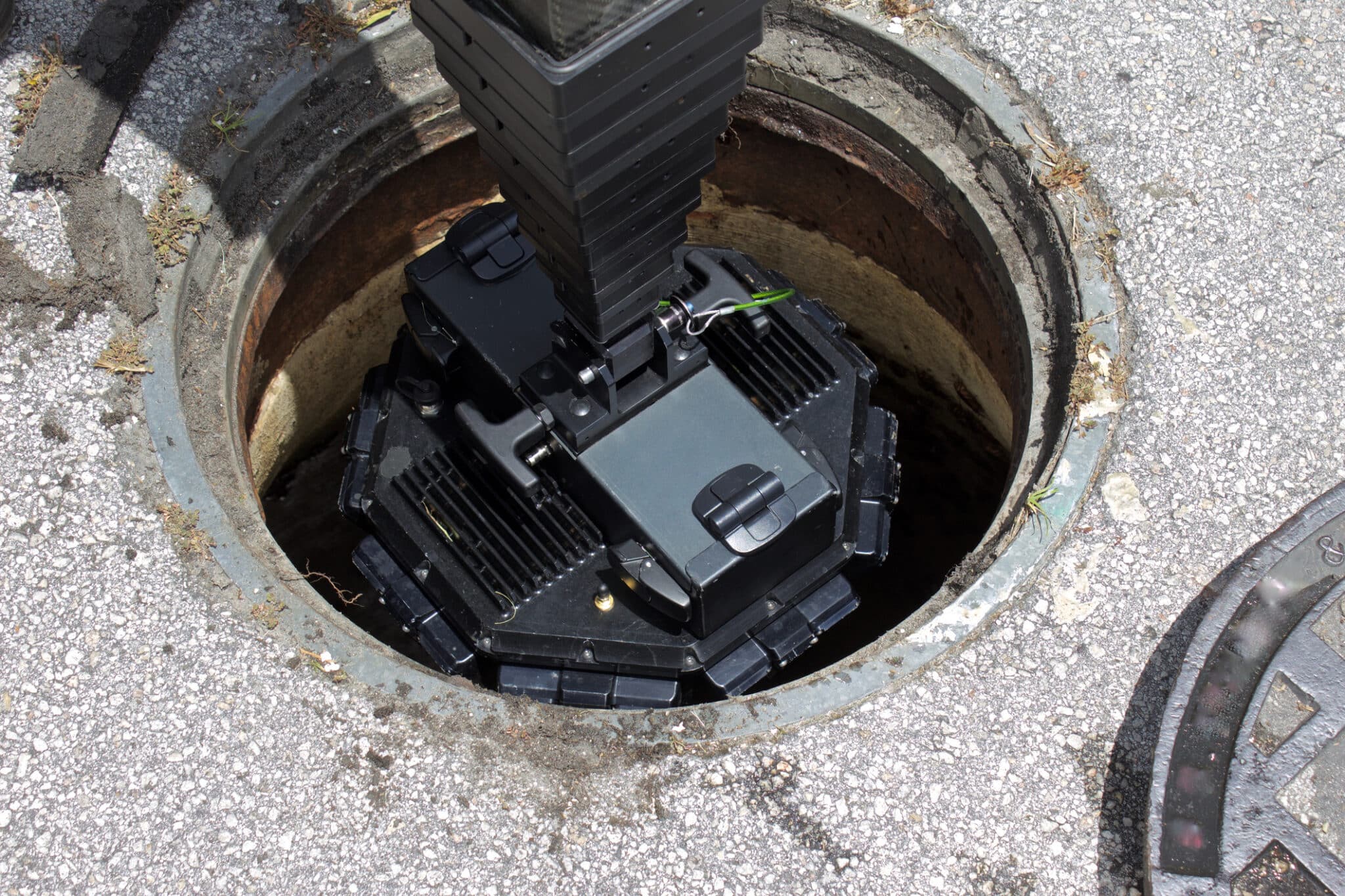
Most local permits require a submitted plan showing access pits, restoration methods, and traffic control before work begins. Inspectors often want to see camera footage and a written scope to verify the replacement method fits the damage. Expect an inspector to visit during open excavation or after trenchless access pits are complete to confirm pipe depth and connections. Permit approval times vary, so factor administrative days into scheduling before crews mobilize.
After initial permit approval, contractors usually request intermediate inspections at defined stages such as before backfill and after final connections. An inspector may verify bedding material, pipe slope, and proper joint sealing to ensure long-term flow and prevent future failures. Professionals commonly provide recorded footage, test results, and a permit packet to show compliance during these checks. Homeowners should keep these documents for records and future resale needs.
Some municipalities require temporary traffic or driveway permits when work impacts curb access or closed driveways, which affects daily staging and equipment placement. Coordinate staging plans with inspectors so protection measures like plywood or track mats meet local expectations. If heavy equipment crosses paved areas, inspectors may require compaction tests or specified backfill materials under hardscapes. In Mansfield, notify the inspector if work will affect a shared easement or public right-of-way before starting.
Local codes may also set restoration standards for visible surfaces and utility reconnections that inspectors confirm at final walk-through. A final inspection typically closes the permit when the pipe passes leak or flow tests and surfaces meet restoration notes. Ask your contractor for the expected inspection sequence and an estimated timeline for each checkpoint. For routine upkeep after the job, review maintenance advice such as the guidance at sewer line maintenance tips to help protect your new pipe.
When trenchless methods are used, inspectors still examine access pits, lateral reconnections, and cured-in-place lining results or bursting traces. They may request post-installation checks like camera verification of joint integrity or a smoke test to ensure no cross-connections exist. For prevention of future damage, consider reviewing best-practice measures related to bursting and root controls documented in resources like pipe burst prevention tips. Properties in Waxahachie often find these preventative steps useful when planning long-term system reliability.
Protecting Driveways Lawns And Hardscapes During Work
Crews protect paved areas by staging equipment away from the driveway and using temporary crossing solutions to avoid tire damage. They often place 3/4-inch plywood or steel plates on soft ground to spread weight and prevent cracking under heavy machines. Protective mats stay in place while crews open access pits to limit direct contact with concrete or asphalt. Inform your contractor about existing cracks so they can add extra padding where needed.
For lawns, teams roll out geotextile fabric and wood panels to shield grass and root zones from compaction during material delivery. Workers flag sensitive trees and mark root drip lines to avoid unnecessary cutting near feeder roots. When soil is excavated, crews keep topsoil separate for final restoration and reduce mix with subsoil to aid grass recovery. Ask for a soil-saving plan so the regrade returns a consistent surface for reseeding.
Hardscape elements like pavers, walkways, and irrigation systems require measured removal and careful numbering so crews can reinstall them accurately after backfill. Technicians commonly remove small sections by hand near edges to avoid shock to adjacent stone or tile joints. Photographs and labeled pieces support a cleaner rebuild and faster final inspection. Homeowners should point out underground irrigation lines and backflow preventers before work begins to avoid accidental damage.
When work affects a driveway trench, contractors document existing conditions with photos and written notes to support permit inspections and restoration expectations. A clear restoration schedule outlines when compacting, base work, and final paving will occur to reduce homeowner uncertainty. In Mansfield, confirm whether the inspector wants compaction tests completed before final surface replacement. For more on hidden risks under driveways, review the resource about driveways may hide pipe hazards.
After pipe work, crews compact backfill in lifts with proper aggregate and verify slope toward the sewer to ensure long-term flow. They replace topsoil, re-sod or seed, and perform a final cleanup that removes excess materials and tracks. For properties in Waxahachie, consider a temporary watering plan to help new grass establish after restoration. Ask for recorded photos and a short written report showing restoration steps completed for your records and future reference.
Timeline Cost Factors And What To Expect Day By Day
Start-to-finish timelines depend on method, access, and permit turns, so expect variation rather than exact days. Crews typically begin with locating utilities and setting protection measures for surfaces and plantings. A camera inspection or pre-work dye test may occur on day one to confirm plan details and pit locations. Allow extra days for permit inspections if the inspector requests changes or additional documentation.
- Day one: locate utilities and set protection.
- Early days: dig access pits or prep lining equipment.
- Mid-project: install new pipe or cure lining.
- Final days: backfill, compact, and restore surfaces.
Cost factors include pipe length, material choice, depth, and restoration scope, which together drive labor and equipment needs. Trenchless options can lower surface restoration costs but still require pits and special equipment, which influence pricing. Unexpected findings on camera footage, such as multiple laterals or severe collapse, will extend time and add cost. Ask for a written scope with line-item factors to compare bids clearly.
A typical day involves crews arriving, prepping the site, running diagnostics, performing the main pipe work, and securing the area overnight. For open-cut projects, expect measured excavation, pipe laying, and staged backfill over several days with compaction testing as required. Trenchless pipe work often concentrates the main activity into fewer days but still needs curing time and final camera verification. Homeowners in Mansfield should plan for routine access needs and occasional inspector visits during critical stages.
After the new pipe passes a camera check and leak test, crews restore hardscapes and reseed or sod disturbed lawns with attention to final compaction. Expect a short follow-up window for the contractor to address settling or minor restoration touch-ups once the ground settles. For less invasive approaches and more details about methods that limit surface repair, review the trenchless pipe services reference about trenchless pipe services. Properties in Waxahachie sometimes schedule final walkthroughs with the contractor to confirm restoration meets the written plan.
When To Call A Professional For Sewer Line Replacement
If you notice sudden multiple-fixture backups, persistent sewage smells, or a yard sinkhole, call a professional without delay. A technician will start with a camera inspection and cleanout flow checks to confirm structural failure. They may also run a dye test or pressure check to locate the leak and verify lateral connections. Prompt diagnosis reduces the chance of emergency excavation that damages surfaces and landscaping further.
When the camera footage shows collapsed sections or extensive root intrusion, expect the pro to explain replacement options and required permits. They will document findings with recorded footage and a written report that helps you compare trenchless versus open-cut approaches. The contractor should also outline surface protection plans, including staging, plywood crossings, and soil-saving procedures for sensitive areas. Ask for a clear sequence of inspections tied to permit checkpoints before work starts.
If heavy equipment must cross a paved driveway, schedule the project with contractors who plan equipment routes and use protective mats to limit cracking. For cases needing partial open excavation near hardscapes, the crew should photograph and label removed materials for accurate reinstallation. Discuss compaction testing and how long final paving or sod installation will wait after backfill to reduce settlement risk. Homeowners in Mansfield often prefer a written restoration timeline to coordinate vehicle access and landscaping plans.
Call immediately if you smell sewage indoors, see continuous wet patches outside, or experience rapid ground sinking near the sewer run. A professional will check shutoff valves, cleanouts, and run targeted tests to decide whether immediate excavation is necessary. They should also provide a cost estimate with factors and a proposed schedule before work begins. Properties in Waxahachie and beyond benefit from keeping inspection reports and permits for future property records, and you can review replacement options at sewer line replacement.
Frequently Asked Questions
How does sewer line replacement avoid tearing up a driveway?
Contractors use trenchless methods like pipe bursting or cured-in-place lining to replace sewer pipes under driveways with minimal surface disturbance. These techniques let crews access the line from small pits at the property edges instead of excavating the whole driveway. Technicians inspect and confirm the condition first using a camera, cleanout, and sometimes a dye or smoke test to plan work safely. Because working near buried utilities carries risk, hire a licensed professional who can locate utilities and manage permits.
What diagnostic steps confirm a sewer line replacement need?
A plumber starts with observable symptoms like persistent backups, gurgling drains, foul sewer odors, or soggy patches in the yard. They run a camera inspection through a cleanout to look for cracks, collapsed pipe, root intrusion, or long offsets. A technician may perform a dye test and check cleanout flow and vent stack function to confirm blockage location and severity. If conditions suggest major failure, stop use and call a professional — unsafe sewage exposure and excavation hazards require trained personnel.
How long do different sewer line replacement methods take?
Spot repairs and short open-trench replacements often take a day or two, depending on access and weather conditions. Trenchless methods like pipe bursting or cured-in-place lining commonly finish in one to three days for typical residential runs. Full open-trench replacement across a long lateral or under difficult grading can take several days to a week, including backfill and surface protection steps. If excavation or sewer work poses safety risks, stop work and call a licensed plumber to assess and complete the sewer line replacement safely.
What permits and inspections affect sewer line replacement timing?
Local building permits and plumbing permits usually start the approval process and can add several business days to the project timeline. Inspectors will require pre-backfill checks of pipe depth, slope, cleanout placement, and proper connections before covering lines. If trenchless methods are used, inspectors may still request video footage or pressure tests to confirm watertight joints and proper grade. Work with a licensed plumber for inspections because safety risks exist, and a professional can ensure compliance and schedule municipal checks.
How do contractors protect lawns and hardscapes during replacement?
Contractors lay down heavy-duty plywood or steel plates to distribute weight and avoid rutting on lawns and driveways. They use turf protection mats and straw or wood-chip paths to limit foot traffic and machine damage. Crews cover shrubs and hardscape with padded barriers and secure fencing to prevent accidental contact. If trenches or heavy equipment raise safety risks, hire a licensed professional to manage traffic, shoring, and soil handling.