


Key Takeaways About Clogged Toilet Help
A clogged toilet blocks the bowl or drain and can cause overflow and odors. This guide is for homeowners and property managers who need safe DIY steps and clear limits before calling a plumber.
- Identify signs like slow drain gurgling and rising water levels.
- Prevent damage by shutting off the valve and protecting flooring.
- Avoid chemical drain cleaners that can harm seals and porcelain.
- Spot when multiple fixtures back up indicating a main line issue.
- Reduce risk using a flange plunger then a toilet auger carefully.
- Plan to call a plumber when plunging and augering do not work.
Introduction
A clogged toilet can turn a small inconvenience into a sanitary risk and property damage if it gets ignored. Slow drains, gurgling noises, and water rising in the bowl are clear signs something is wrong. Homeowners often try fixes that make the problem worse or push blockages deeper. Knowing safe DIY steps and clear limits helps prevent added repairs and health hazards.
Some common clogs come from excess toilet paper, wipes, or foreign objects lodged in the trap or further down the drain. Other times a toilet outlet or vent stack has a partial obstruction that causes repeated backups. In Mansfield and nearby areas like Waxahachie, older plumbing or hard-to-reach cleanouts can complicate a simple blockage. That makes identifying the cause quickly important for protecting floors and ceilings from overflow.
There are safe actions you can take right away to reduce risk and possibly clear a minor clog without tools that damage porcelain or seals. Equally important are clear do nots that stop homeowners from causing leaks or breaking the toilet flange and supply line. When DIY steps fail, a plumber can locate the blockage using inspection methods and proper tools. Timely professional help limits water damage and avoids expensive follow-up repairs.
Understanding how a pro would diagnose the issue gives homeowners realistic expectations about next steps and timing. A technician will look for visible signs, check the shutoff valve, and inspect the trap and nearby cleanout. They may use a toilet auger, check the vent, or run a camera through the drain to confirm the blockage location. Those findings guide the repair and protect the plumbing system from recurring problems.
How Toilet Drainage Works And Why It Clogs
Toilet drainage is the path wastewater follows from the bowl through the trap and into the home sewer or septic line. Water from the tank fills the bowl and forces waste through the S-shaped trap, which holds water to block sewer gas. A vent stack equalizes pressure so water flows smoothly and prevents slow draining or gurgling. Homeowners often ask whether a clog is in the trap or farther down the drain, visible slow draining or bubbles usually mean a partial blockage near the toilet.
- Trap holds water to prevent sewer gas.
- Flush creates a siphon to clear the bowl.
- Vent stack prevents vacuum in the drain line.
- Cleanouts allow access for root or debris removal.
The trap and toilet outlet are the most common clog points because of tight turns and reduced diameter. Paper, wipes, and small objects lodge in the trap and stop the siphon action that clears the bowl. If multiple fixtures back up or the toilet gurgles when the sink runs, the blockage may be in the drain line or a blocked vent. A quick homeowner answer: if water rises in other fixtures, the problem is likely beyond the toilet itself.
Plumbers diagnose clogs by combining visible signs with simple tests and tools like an auger and inspection camera. They check the shutoff valve, remove the tank lid to inspect the fill valve and flapper operation, and use a closet auger to test resistance in the trap. If the auger stops early or the problem repeats, a camera through the cleanout can confirm location and show obstructions or tree roots. For more detail on how clogs form and the parts involved, see this article about toilet drain clogs.
Homes in Mansfield and properties near Waxahachie may have different plumbing ages or vent access that affect how a clog behaves. Older cast-iron or partially collapsed pipes show different symptoms than PVC, such as slow multiple-fixture backups or odors. When homeowners notice recurring slow drains or water pooling around the base, a professional inspection often identifies hidden issues like a failing wax ring or a blocked vent. Early diagnosis prevents water damage and reduces the chance of repeated service calls.
Common Household Causes Of Toilet Blockages
Hard objects flushed accidentally cause many blockages, toys, dental floss, and feminine products often get stuck in the trap. These items do not break down and can form a tight plug near the toilet outlet. If you hear a thud during a failed flush, an object may have shifted and lodged deeper in the bend. A professional would inspect the trap and may remove the bowl or use a camera to locate the obstruction.
Toilet paper build-up from excessive use or multiple flushes is a common household cause that worsens over time. “Flushable” wipes and paper towel do not dissolve like toilet paper and create more resistant clogs. Grease and hair from nearby sinks can also catch in the drain and bind with paper to form a paste. A plumber can test for this by running an auger and assessing how far the blockage resists movement.
Plumbing vent problems cause recurring slow drainage and gurgling that signals trapped air in the line rather than a physical plug. Leaves, bird nests, or debris in the vent stack reduce airflow and interfere with siphon action during a flush. Homeowners in Mansfield sometimes notice poor flush performance after heavy wind or storms, which can shift debris into vents. A technician may inspect the roof vent or perform a smoke test to confirm a blocked vent.
Pipe damage, tree roots, and partial collapses produce backups that affect multiple fixtures and resist standard DIY clearing. Older pipes can corrode or shift, creating narrow spots where waste accumulates and later causes a full blockage. When backups repeat or appear in sinks and tubs as well, the issue is likely beyond the toilet and needs drain line inspection. For persistent toilet noises that may point to vent or fill issues, see guidance on toilet noise fixes safely.
Quick Safety Checks Before You Start Unclogging
Turn off the toilet shutoff valve at the wall if water keeps rising to reduce overflow risk before you work. Place old towels or a shallow bucket around the base to catch drips and protect flooring from accidental spills. Wear rubber gloves and eye protection to avoid contact with contaminated water and splashes while you test fixes. Keep children and pets out of the bathroom until the situation is stable to limit exposure to bacteria.
Check the tank operation by removing the lid and watching the fill valve and flapper during a manual flush to confirm normal action. If the flapper fails to seal, the tank may not provide a strong flush, so avoid aggressive plunging that could stress the bowl seal. Inspect the shutoff valve and visible supply line for leaks or corrosion that might fail under pressure during attempts to clear the clog. If you see water seeping at the base or a loose supply nut, stop and call a pro to prevent a larger leak.
Look for signs that suggest a bigger problem, such as sewage smell, slow drains in other fixtures, or bubbling noises when the toilet is flushed in Mansfield. These symptoms point to a deeper drain or vent issue and increase the chance DIY methods will worsen the situation. Before using tools, locate the nearest cleanout access so a professional can reach the line quickly if needed. If the cleanout is hard to find or blocked, that is a reason to pause and contact a licensed plumber.
Keep chemical drain cleaners as a last resort because they can damage seals and the porcelain if misused, and they pose safety risks when mixed accidentally. If you have recently had multiple overflows or read about seasonal increases in flushing stress, review this post about overloaded toilets this season for context and precautions. When in doubt about structural damage, such as a loose tank or cracked bowl, stop and schedule professional inspection to protect the flange and wax ring. A timely phone call can prevent water damage and ensure the clog is diagnosed with the right tools.
Plunger And Auger Techniques To Try Yourself
Start with a flange-style plunger that fits the bowl opening for the best seal and shove the head fully over the outlet. Position yourself so slow, steady thrusts push water through the trap rather than splashing on the floor. Use 10 to 15 firm pumps, then pause and let water settle before checking progress to avoid overflow. If the bowl empties partially, try a normal flush to test whether the siphon action restored proper flow.
- Check the plunger flange for cracks before use.
- Keep a bucket nearby for excess water.
- Use gloves and eye protection during plunging.
- Work steadily to avoid pushing objects deeper.
If plunging fails, use a closet auger designed for toilets to reach and dislodge obstructions in the trap. Insert the auger cable slowly while rotating the handle to feel where the resistance starts and stops. When you meet resistance, rotate and push gently until you break through or hook the item, then crank back to retrieve debris. Do not force the cable aggressively, sudden pressure can scratch porcelain or damage the flange.
Inspect results visually and by flushing gently to confirm the clog cleared without overflow or leaks at the base. If water backs into other fixtures or bubbling occurs when flushing, that suggests a deeper line or vent problem, consult this article about toilet bubbling for more on that symptom. For homeowners in Mansfield or property managers near Waxahachie, repeated resistance with an auger often indicates a job for a plumber. When in doubt, stop and contact a professional to avoid pipe or fixture damage while seeking clogged toilet help.
Safe Chemical And Natural Remedies To Consider
Household enzymatic cleaners break down organic waste with bacteria and enzymes and are safer than harsh caustic chemicals. Use products labeled for toilets and follow the manufacturer directions on contact time and dosage. Never mix cleaners because fumes or reactions can cause burns or release toxic gases. For stubborn organic buildup, repeat applications over 24 to 48 hours often work better than adding more product at once.
Baking soda and vinegar can help minor soft clogs by loosening residue and clearing odors when used carefully. Pour a cup of baking soda into the bowl, add a cup of vinegar, then wait twenty minutes before flushing gently. This method won’t remove solid objects or dense paper plugs, and it may delay calling a plumber if the blockage persists. Avoid using vinegar with commercial cleaners because combining acids and chemicals creates harmful fumes and can damage seals.
Enzyme-based drain powders for household drains can assist when slow draining results from hair and organic film, but they act slowly and require warm water to activate. These products work best overnight and are not suitable for septic systems unless labeled safe for septic use. If softening occurs but the toilet still backs up, those signs indicate the blockage may be deeper and require professional inspection. Homeowners in Mansfield should monitor for recurring slow drains after treatment, which suggests a more significant issue.
Avoid using chemical drain cleaners marketed for sinks or tubs in a toilet because they can pool in the trap and harm the porcelain or wax ring. Mechanical options should follow if chemical or natural remedies do not clear the clog within a single day. If you notice sewage odors, multiple-fixture backups, or no improvement, consult guidance on when to call a professional, such as the post about signs you should call a professional. Properties near Waxahachie with recurring clogs often need a camera inspection or cleanout access checks to find the root cause.
Signs It’s Time To Stop And Call A Professional
If plunging and a closet auger fail after careful attempts, stop and assess visible signs before continuing further. Persistent water rise, sewage smell, or soft flooring near the base indicate higher risk of structural damage. Repeated attempts that produce only partial improvement suggest the obstruction may lie beyond the trap or in collapsed piping. In those cases, calling a licensed plumber reduces the chance of breaking the flange or worsening a hidden collapse.
Heavy resistance on an auger, snapping or sudden cable recoil, or worsening bowl cracks are clear reasons to stop DIY work immediately. These outcomes can damage porcelain and dislodge the wax ring, creating leaks under the toilet that are hard to spot. If you notice water seeping where the base meets the floor or new stains on the ceiling below, cease attempts and secure the shutoff valve. A professional can lift the bowl and inspect the closet flange and wax ring safely.
When multiple fixtures drain poorly or toilets gurgle after other appliances run, the issue may be in the main drain or a blocked vent stack. These symptoms mean a localized toilet fix will likely fail and could push waste farther into the system. A plumber will access the cleanout and may perform a camera inspection to find the blockage location. For homes in Mansfield and properties near Waxahachie, that diagnostic step often clarifies whether a line repair or root removal is needed.
If chemical treatments produce no change after recommended contact time or you suspect someone poured mixed cleaners, stop and ventilate the area for safety. Chemical exposure or fumes can present health risks and can also damage seals and pipes, so inform the technician if you used any products. Professionals use safe neutralizing procedures and mechanical cleaning tools rather than adding more chemicals. Consider scheduling professional drain cleaning so technicians can inspect, clear, and document the issue responsibly using proper equipment.
What A Plumber Will Inspect And Repair
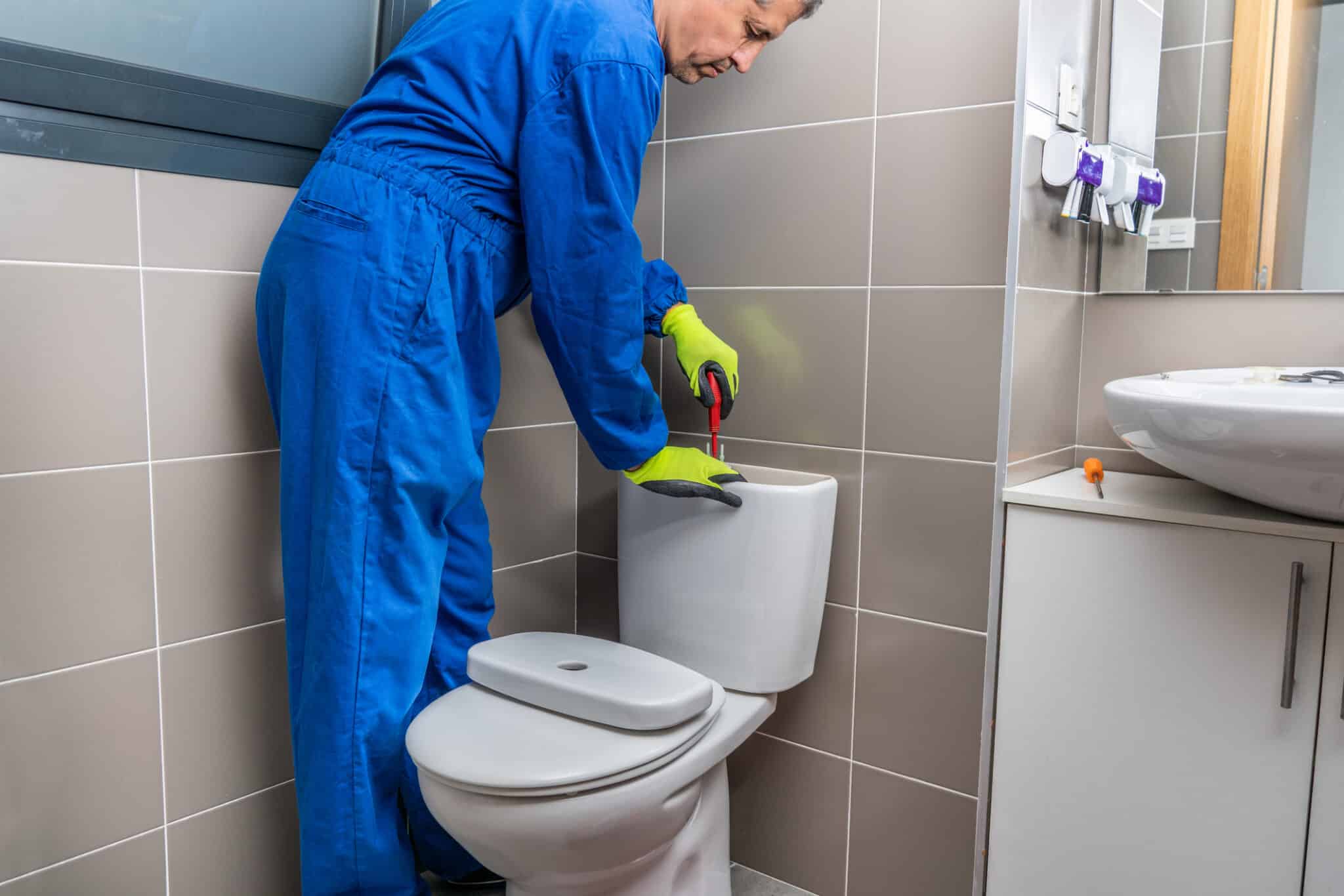
A plumber will start with a visual check of the toilet, supply line, and shutoff valve to spot leaks or loose fittings. They will remove the tank lid and observe fill valve and flapper action during a test flush to assess flush strength. Next they often check the closet flange and wax ring for movement or water staining at the base to evaluate seal integrity. If the bowl rocks or water stains appear, the technician will recommend lifting the bowl for a closer inspection.
- Inspect the shutoff valve for leaks.
- Check the supply line connection.
- Examine the closet flange condition.
- Test tank components for proper operation.
When the blockage seems beyond the trap, a plumber will access the nearest cleanout to test line flow and resistance. They may run a manual snake through the cleanout to determine how far and where the obstruction sits. If the line resists or the snake catches, the technician will consider a camera inspection to confirm location and cause. Camera footage gives a clear image of roots, buildup, or collapsed pipe sections for decision making.
If buildup, grease, or tree roots cause the blockage, professionals often recommend mechanical removal methods such as hydro-jetting to fully clean the line. Hydro-jetting clears grease and sediment effectively and restores pipe diameter without harsh chemicals when used by trained technicians. For recurring root intrusion, the plumber might suggest targeted repairs or pipe replacement after reviewing inspection footage and measurements. Homeowners in Mansfield and property owners near Waxahachie should expect the technician to explain options with clear next steps and timelines based on diagnosis.
Preventative Habits To Reduce Future Clogs
Adopt a two-step flushing habit: use one firm flush for solids and a second gentle flush for paper to reduce buildup in the trap. Avoid creating high-frequency heavy flushes that can push paper deeper into the drain where it accumulates over time. Regularly check the tank components to ensure a full, powerful flush without overusing paper or multiple flushes per use. Small changes in flushing behavior can cut down on repeat clogs and reduce the need for professional visits.
Keep a simple maintenance schedule to inspect the toilet base, supply line, and visible trap area for early signs of leaks or slow drainage. If you spot damp flooring, water stains, or a rocking bowl, address those issues before they contribute to blockages or seal failure. Tighten loose bolts and replace a compromised wax ring or supply line promptly to prevent water intrusion under the toilet. Proactive small repairs prevent larger service calls and hidden water damage.
Restrict what goes into the bowl by placing a waste bin nearby and posting a gentle reminder to family members and guests. Do not flush wipes, paper towels, feminine products, dental floss, or thick shop towels since these items resist breakdown and form dense plugs. Teach children not to flush small toys or craft materials that easily create obstructions in the trap. Clear household rules reduce emergency clogs and protect drain performance overall.
Periodically run an enzyme cleaner or scheduled mechanical cleaning suited for toilets to prevent organic buildup without harming seals or pipes. For more thorough preventive options offered by professionals, consider services like professional drain cleaning and inspection to maintain pipe diameter and flow. A trained technician can show inspection camera footage and recommend targeted maintenance based on what they find. Homeowners in Mansfield and properties near Waxahachie often avoid recurring problems by combining good habits with occasional professional upkeep.
Frequently Asked Questions
What first steps should I take for clogged toilet help?
Turn off the toilet shutoff valve and wait for the water level to settle before doing anything else. Try simple Clogged toilet help like a flange plunger while wearing gloves and eye protection. Avoid chemical drain cleaners because they can damage the toilet and pose a burn risk, call a professional if chemicals were already used. If water keeps rising, or you smell sewage, stop and contact a plumber to reduce overflow and health hazards.
How do I plunging safely without damaging the toilet?
Start by choosing a flange plunger with a rubber flap that seals the bowl rather than a cup plunger for sinks. Fit the plunger over the hole and push gently to release trapped air before applying steady pressure and pulls. Stop if the bowl cracks, gurgles loudly, or water rises near the rim, and turn off the shutoff valve if possible. If plunging does not clear the clog after several controlled attempts, call a plumber for professional Clogged toilet help to avoid damage or sewage hazards.
When should I stop DIY and call a plumber for a clog?
Stop DIY and call a plumber if plunging and an auger fail to move the blockage after repeated attempts. If water rises toward the rim or backs into other drains, shut off the shutoff valve and call for help, this indicates a larger blockage or sewer issue. Include “Clogged toilet help” when describing symptoms so the plumber arrives prepared with proper tools and parts. If you smell sewage, see repeated backups, or face potential overflow, take caution and contact a professional immediately.
Can enzyme cleaners or baking soda fix a toilet clog?
Enzyme cleaners and baking soda can sometimes break down organic waste and help minor slow drains, but they rarely clear solid blockages. They work best for partial clogs caused by paper buildup or gradual buildup inside the trap. Use caution: these solutions do not remove non-organic obstructions and can delay needed repairs. If water stays high, you should contact a plumber for Clogged toilet help and a proper inspection.
What signs show the blockage is in the main line or vent?
Repeated backups in multiple fixtures, such as toilets and floor drains, often indicate a main sewer line blockage rather than a single toilet clog. Gurgling noises from other drains and slow drains throughout the house point to vent stack or main-line ventilation issues. Foul sewer gas odors inside the home or bubbling in the toilet bowl when other fixtures run suggest a blocked vent or municipal connection. If you suspect a main-line or vent problem, avoid digging or chemical treatments and call a licensed plumber for inspection and safe resolution.