


A well-planned trench drain install is essential for keeping driveways and patios free from standing water and potential damage. Homeowners in Mansfield and Waxahachie often face drainage issues during heavy rains, making effective solutions a top priority. Installing a trench drain system helps channel surface water away, protecting your property and improving safety. With the right approach, you can enhance both the function and appearance of your outdoor spaces.
Understanding the basics of a trench drain install is the first step toward a successful project. It involves careful planning, precise measurements, and selecting the right materials for your specific needs. Proper installation ensures water flows efficiently, reducing the risk of erosion and flooding. This process benefits both residential and commercial properties seeking long-term drainage solutions.
Choosing where to place your trench drain is crucial for maximum effectiveness. Consider natural water flow patterns and the layout of your driveway or patio. Strategic placement helps direct water away from foundations and landscaped areas. This attention to detail makes a significant difference in performance and longevity.
A professional trench drain install includes channels, slopes, grates, and outlets designed to handle local weather conditions. These components work together to manage runoff and prevent pooling. Each element must be installed correctly for the system to function properly. By following proven methods, you can enjoy a durable and efficient drainage solution for years to come.
Understanding Trench Drains for Driveways and Patios
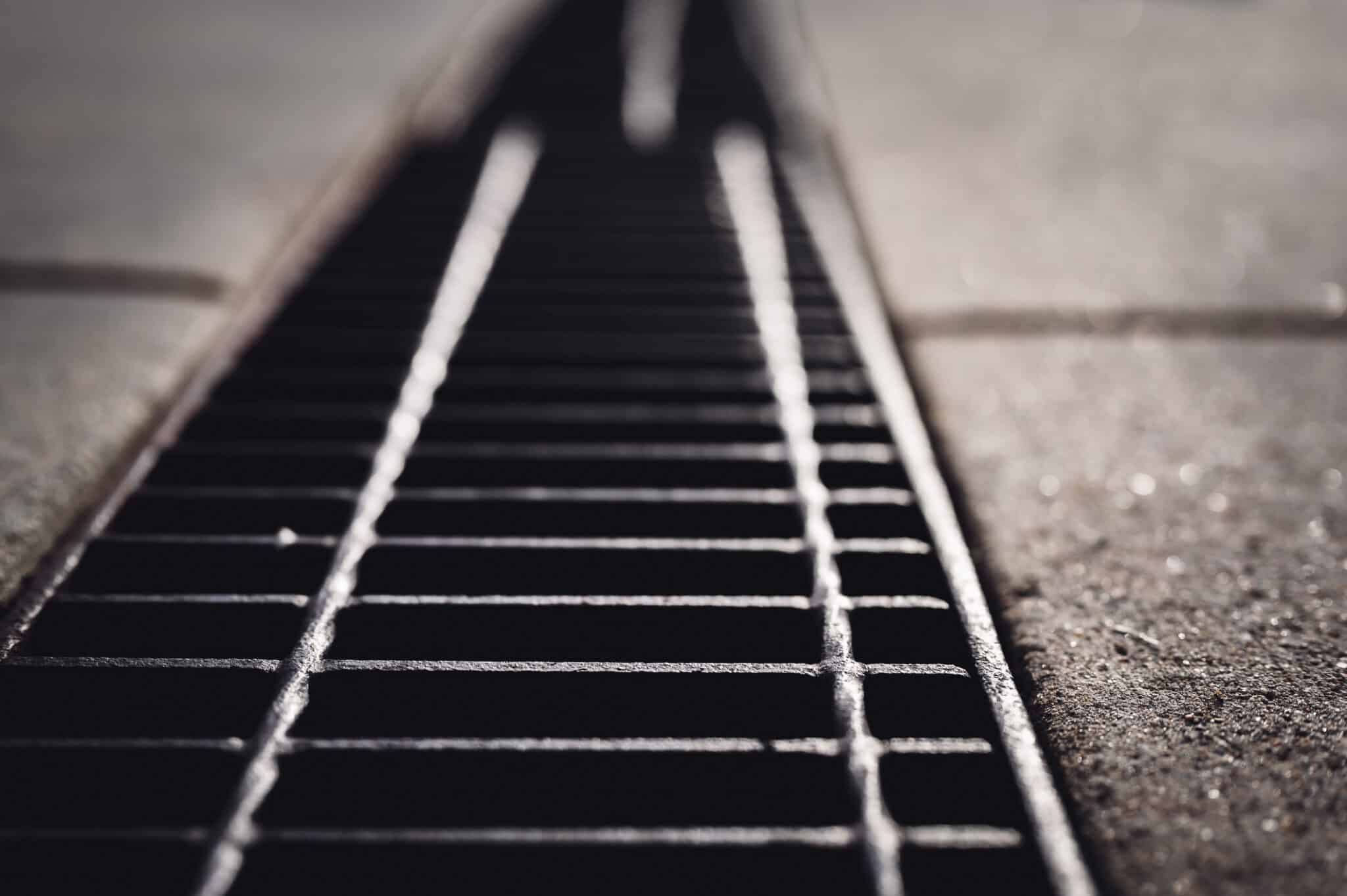
A trench drain install is a practical solution for managing surface water on driveways and patios. These systems use long, narrow channels to collect and move water away from paved areas. The channels are typically set into the ground and covered with sturdy grates. This setup keeps debris out while allowing water to flow freely.
Proper slope is essential for any trench drain install to work effectively. The channel should gently decline toward the drainage outlet, encouraging water to move without pooling. Using a level during installation helps achieve the right angle for efficient flow. This step is especially important in areas like Mansfield, where heavy rain can overwhelm flat surfaces.
Grates play a vital role in the performance and safety of a trench drain install. They prevent leaves and dirt from clogging the channel while providing a stable surface for foot or vehicle traffic. Choose grates made from durable materials that can withstand local weather and regular use. This ensures your drainage system remains reliable over time.
Outlets are the final component of a successful trench drain install, directing water safely away from your property. Connecting the channel to storm drains or landscaped areas helps manage runoff effectively. In Waxahachie, proper outlet placement reduces the risk of erosion and water damage. With each part working together, your driveway or patio stays dry and protected.
Planning Your Trench Drain Install Project
Before starting your trench drain install, take time to assess your driveway or patio for drainage needs. Identify low spots where water collects and note the natural direction of runoff. Mark these areas to guide your layout and channel placement. This careful evaluation helps ensure your system addresses problem spots effectively.
Next, measure the length and width of the area where you plan to install the trench drain. Accurate measurements help you order the correct amount of channel, grates, and other materials. Plan for the channel to run through the main water flow path. Double-check your layout to avoid obstacles like utility lines or tree roots.
Selecting the right materials is key to a successful trench drain install. Choose channels and grates that suit the expected water volume and local weather in Mansfield. Durable materials offer long-lasting performance and reduce the need for frequent repairs. Consider the appearance as well, so your system blends with your outdoor space.
Finally, plan the slope and outlet location for efficient water removal. Use a level to achieve a steady decline toward the outlet. Position the outlet to direct water safely away, such as toward a garden or storm drain in Waxahachie. Good planning at this stage ensures your trench drain install works reliably for years to come.
Choosing the Right Channel and Grate Materials
Selecting the best materials for your trench drain install makes a noticeable difference in performance and appearance. Start by choosing channels made from concrete, polymer, or high-density plastic, each offering unique benefits. Concrete channels provide strength for heavy vehicles, while polymer and plastic options resist corrosion and are easier to handle. Match the material to the demands of your driveway or patio for lasting results.
Grates are just as important in a trench drain install, as they must withstand both weather and traffic. Cast iron grates are ideal for driveways with frequent vehicle use, offering durability and support. For patios or lighter traffic, stainless steel or reinforced plastic grates work well and resist rust. Select a style that complements your outdoor space while meeting functional needs.
Consider the local climate in Mansfield when choosing materials for your trench drain install. Heavy rains and temperature changes can impact the durability of certain materials over time. Opt for channels and grates designed to handle moisture and freeze-thaw cycles. This attention to local conditions helps your system perform reliably year after year.
Appearance matters too, especially for patios and visible areas in Waxahachie. Many trench drain install options come in different colors and patterns to blend with your existing surfaces. Choose grates with slip-resistant finishes for added safety around wet areas. The right combination of materials and style will enhance both the look and function of your drainage system.
Creating Proper Slope for Effective Drainage
Achieving the correct slope is vital for a successful trench drain install. Water needs a gentle decline to flow smoothly through the channel. Use a level to check that the slope runs consistently from start to finish. Even a slight angle helps prevent standing water and reduces the risk of clogs.
Plan the slope before beginning any excavation work. Mark the intended path and slope on your driveway or patio surface. This preparation allows you to dig the trench at the right depth and angle. A uniform slope ensures water reaches the outlet efficiently, especially during heavy rain in Mansfield.
During installation, check the slope frequently as you set the channel in place. Adjust the base material to maintain the desired angle throughout the length. Secure the channel firmly so it does not shift or settle unevenly. Consistent slope along the entire system is key for long-term performance.
Proper slope also protects your property in Waxahachie by directing water away from foundations and landscaped areas. An effective trench drain install reduces erosion and helps maintain the integrity of paved surfaces. Taking time to get the slope right pays off in reliable drainage. With careful planning, you can enjoy a dry, functional outdoor space year-round.
Step-by-Step Trench Drain Install Process
Begin your trench drain install by marking the layout on your driveway or patio. Use spray paint or string to outline the channel’s path. This step keeps your excavation accurate and prevents mistakes. Double-check measurements to ensure the trench follows the planned slope toward the outlet.
Excavate the trench along your marked path, digging slightly wider and deeper than the channel. Remove loose soil and compact the base for stability. Place a layer of gravel or sand at the bottom to aid drainage. Level and adjust the base to maintain a consistent slope throughout the trench.
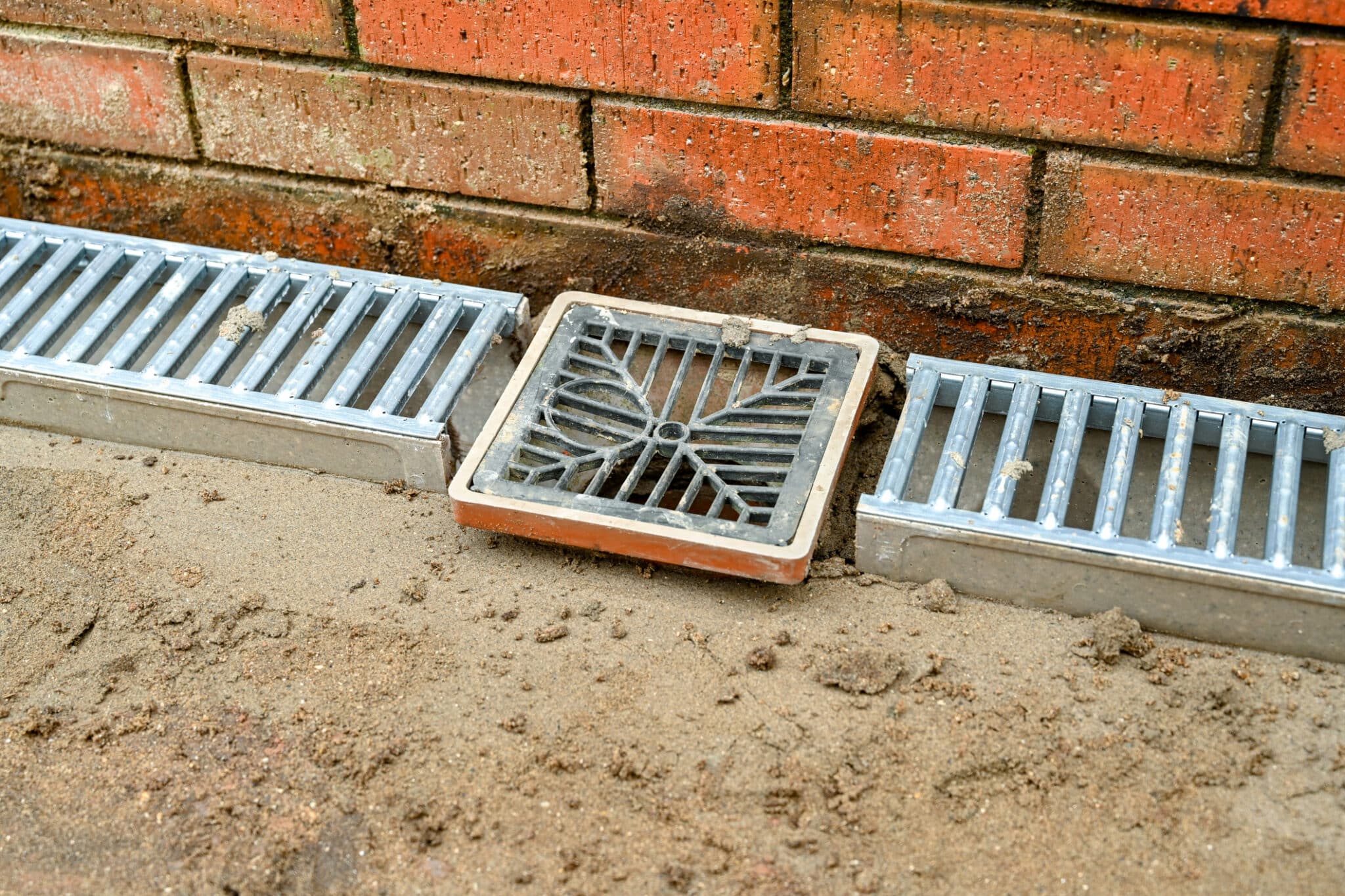
Set the channel sections into the prepared trench, connecting each piece securely. Check alignment and slope as you go, making adjustments as needed. Backfill the sides with soil or concrete to hold the channel in place. Ensure the top edge sits flush with your driveway or patio surface for a smooth finish.
Install the grates over the channel, locking them in place according to manufacturer instructions. Attach the outlet to direct water away from your property in Mansfield or Waxahachie. Test the system by running water through to confirm proper flow and drainage. Clean up the area, and your trench drain install is complete and ready to protect your outdoor space.
Connecting Outlets and Directing Water Flow
After completing the channel and grate placement, focus on connecting the outlet for your trench drain install. The outlet directs collected water away from your driveway or patio, preventing pooling and damage. Attach the outlet securely to the end of the channel using compatible fittings. Make sure the connection is watertight to avoid leaks during heavy rainfall.
Plan the outlet route carefully to guide water toward a safe discharge area. In Mansfield, direct runoff away from foundations and toward a storm drain or landscaped section. Use solid or flexible piping to extend the outlet as needed for your property layout. Bury the pipe beneath the surface to keep your outdoor space tidy and safe.
Check the slope of the outlet pipe to maintain steady water flow. A slight decline ensures water moves efficiently through the system without backing up. Test the setup by running water through the trench drain install and observing the outlet’s performance. Adjust the pipe or outlet position if you notice slow drainage or standing water.
In Waxahachie, proper outlet direction helps protect lawns and gardens from erosion. Position the discharge point where water can spread out or be absorbed safely. Avoid sending water onto neighboring properties or walkways. With a well-connected outlet, your trench drain install will keep your outdoor areas dry and secure.
Common Mistakes in Trench Drain Install Projects
Many homeowners make mistakes during a trench drain install that can lead to poor drainage and costly repairs. One common error is failing to plan the slope correctly, which causes water to pool instead of flow away. Always use a level and check the slope throughout the installation process. This simple step ensures your system works efficiently and prevents future issues.
Another frequent mistake is choosing the wrong materials for local conditions in Mansfield. Using lightweight grates on driveways with heavy vehicle traffic can result in damage or failure. Select durable channels and grates that match your weather and usage needs. This careful selection increases the lifespan and reliability of your trench drain install.
Improper outlet placement can also undermine your drainage efforts. If the outlet directs water toward foundations or walkways, it may cause erosion or flooding. In Waxahachie, always position the outlet to discharge water safely away from structures and landscaped areas. Proper planning here protects your property and surrounding spaces from water damage.
Neglecting regular maintenance is another mistake that impacts long-term performance. Leaves and debris can clog the grates, reducing water flow and causing backups. Check and clean your trench drain install periodically, especially after storms or heavy use. Keeping the system clear ensures continued protection for your driveway or patio.
Maintenance Tips for Long-Lasting Trench Drains
Keeping your trench drain install in top condition requires simple, regular maintenance. Start by inspecting the grates and channels after heavy rain or seasonal changes. Remove leaves, dirt, and debris that may block water flow and cause backups. This routine care helps your drainage system perform efficiently year-round.
Flush the channel with a garden hose to clear out any trapped sediment or small particles. Pay attention to the outlet, ensuring water exits freely without pooling near your driveway or patio. If you notice slow drainage, check for obstructions or buildup inside the channel. Addressing minor issues early prevents bigger problems down the road.
Check for signs of wear or damage, especially after storms in Mansfield. Look for cracks, shifting, or loose grates that could affect the trench drain install. Tighten or replace hardware as needed to keep everything secure. Keeping the system in good repair extends its life and reliability.
Seasonal changes in Waxahachie may require extra attention to your trench drain install. Freeze-thaw cycles can impact materials and fittings, so inspect the system in both spring and fall. Make repairs promptly if you see any issues. With consistent maintenance, your trench drain will protect your outdoor spaces for many years.
Frequently Asked Questions
What tools are needed for a trench drain install?
Gather a shovel, wheelbarrow, and level to prepare the area for a trench drain install on driveways or patios. Use a tape measure and chalk line to mark precise locations before cutting or digging. A concrete saw or angle grinder helps create clean edges for the channel installation. Finish with a rubber mallet and screwdriver to secure grates and outlets for effective surface drainage.
How deep should a trench drain be for patios?
For a proper trench drain install on patios, dig the trench about 4 to 6 inches deeper than the channel height. This extra depth allows for a stable gravel or concrete base beneath the drain system. Ensure the trench is wide enough to fit the channel and provide room for adjustments. Maintaining the correct depth helps the trench drain install handle water flow and prevent surface pooling.
What are common trench drain install mistakes to avoid?
A frequent trench drain install mistake is failing to maintain the correct slope, which can cause poor drainage and standing water. Avoid setting channels too high or low, as this disrupts water flow across driveways and patios. Skipping secure grate installation can lead to movement or damage under heavy traffic. Always check outlet placement to ensure your trench drain install directs water safely away from your property.
Can I perform a trench drain install without professional help?
A trench drain install can be a manageable project for homeowners with basic tools and careful planning. However, achieving the correct slope and secure channel placement requires attention to detail and patience throughout the process. Without experience, mistakes during a trench drain install may lead to drainage issues or surface damage. For peace of mind and lasting results, many Mansfield residents choose professional installation for their driveways and patios.
How do I maintain a trench drain after installation?
Regular cleaning helps your trench drain install work efficiently on driveways and patios. Remove leaves and debris from the grates to prevent clogs. Flush the channel with water every few months to keep the system clear. Inspect the trench drain install for damage or blockages, addressing any issues promptly to ensure lasting surface drainage.