


Key Takeaways About TPR Valve
A TPR valve is a safety device that releases water or steam when a water heater’s pressure or temperature exceed safe limits. This summary is for homeowners and property managers who need to know when to test replace or call a professional.
- Identify visible corrosion buildup or dripping at the discharge pipe.
- Prevent scalding and tank damage by testing the valve carefully.
- Avoid damage by turning off power and closing the cold supply first.
- Spot noisy hissing reduced hot water pressure or repeated trips.
- Reduce repeat failures by checking system pressure and expansion tank.
- Plan replacement when the valve fails tests or shows persistent leaks.
Introduction
The TPR valve protects water heaters from dangerous overpressure and overheating by releasing water and steam when limits are exceeded. Homeowners often ignore it because it is small and out of sight, yet a failed valve can cause flooding or pressure damage. Knowing what the valve does helps you spot early trouble before it becomes an emergency. In Mansfield properties, attention to this component prevents unexpected water and safety issues.
Testing the TPR valve confirms it opens and reseats properly under pressure and temperature conditions it should handle. A valve that sticks open, leaks, or fails to reset creates continuous water loss or loss of protection. Recognizing these outcomes early reduces the risk of tank rupture and costly water damage. For older systems, routine checks are especially important in homes around Waxahachie where winters can stress plumbing.
Common failure signs include dripping from the discharge tube, corrosion on the valve body, and water stains near the heater base. You might also hear hissing or notice lower hot water pressure when the valve leaks. These observable cues point to either a stuck valve or an internal seal breakdown that needs attention. A professional inspection can confirm whether replacement is required or if a related issue like high system pressure exists.
Timing a swap depends on age, condition, and test results rather than a fixed schedule alone. Many plumbers recommend replacement if the valve fails a functional test or shows corrosion and persistent leaks. Replacing a TPR valve restores the safety function and prevents secondary damage to the tank and surrounding areas. If you suspect a failing valve, contacting a qualified plumber for diagnosis and replacement is the safest next step.
What A TPR Valve Does And How It Works
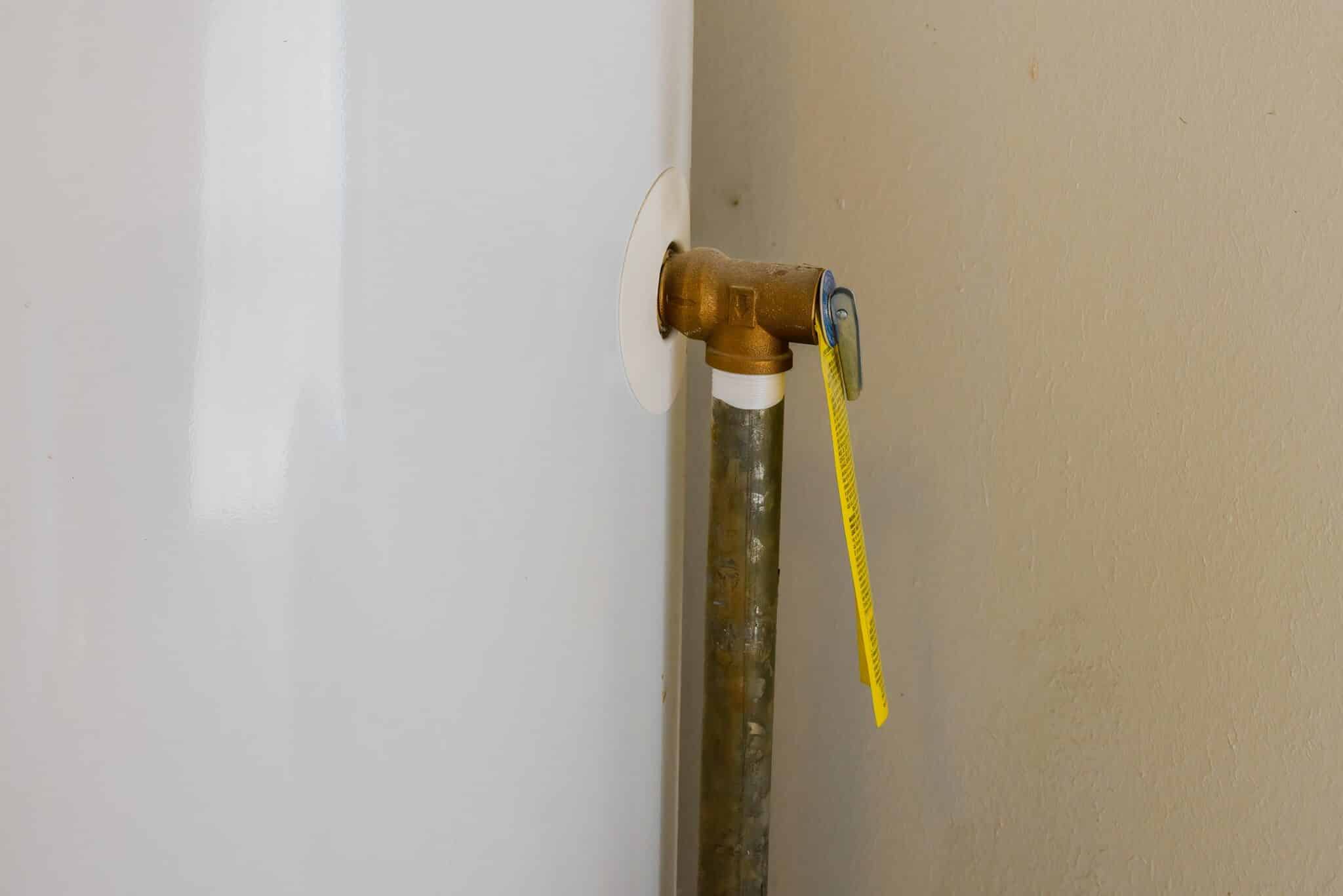
A TPR valve is a safety device that releases water or steam when a heater’s temperature or pressure gets too high. It opens when internal pressure or temperature exceed safe limits and vents to a discharge pipe. The valve has a temperature-sensing element and a pressure-actuated mechanism that work together. Homeowners often ask whether a TPR valve can prevent tank rupture, and the answer is yes when it functions correctly.
- Monitors tank pressure.
- Senses excessive temperature.
- Releases water to lower pressure.
- Reseats to stop flow after release.
The valve connects to a short threaded opening near the water heater top and a downward discharge tube. When the sensing element detects high temperature, it mechanically lifts the seal to release fluid. When internal pressure rises from thermal expansion, the valve opens to protect tank integrity. The discharge tube directs released water to a safe location.
Inside the valve, a spring and seat hold back water until a set force triggers release and the mechanism snaps open. Corrosion, mineral buildup, or a weakened spring can prevent it from sealing again after a release. Professionals check the seat, spring tension, and discharge path during inspections using a pressure gauge and visual examination. For more on inspection tags and markings, read the article about the yellow tag on the valve.
Simple homeowner checks include looking for corrosion, listening for hissing, and watching for water at the discharge tube. If you see continuous dripping or staining at the heater base, document the leak and shut the water supply if safe to do so. In Mansfield and Waxahachie homes, visible discharge often means the valve did its job once but may now be compromised. A licensed plumber can confirm whether the valve reseats properly and recommend replacement when needed.
How Temperature Pressure Risks Cause Failure
Temperature and pressure work together inside a water heater to create stress on seals and metal joints. When water heats, it expands and raises pressure against the tank and TPR valve components. Repeated thermal cycling causes metal fatigue and can loosen the valve’s mechanical seat over time. A valve exposed to those cycles may develop tiny leaks or fail to reseat because parts no longer align precisely.
High incoming water temperature or a malfunctioning thermostat raises the frequency of stress events and shortens valve life. Mineral buildup from hard water can grip the valve stem and prevent proper movement when it must open. Corrosion eats at the valve body and threads, weakening the mechanical hold and allowing slow leaks to start. Professionals often check for scale and corrosion when diagnosing valve problems because these are common contributors to failure.
Excessive system pressure from a blocked expansion path or missing pressure-reducing valve forces the TPR valve to cycle more often. Each unintended trip wears the spring and seat, increasing the chance the valve will stick or drip afterward. A pressure gauge on the system and inspection of the expansion tank help pros confirm whether pressure, not the valve itself, causes repeated releases. For more on heater performance factors that influence valve stress, see the article about water heater performance.
In colder months in Waxahachie and during high-demand periods in Mansfield, temperature swings can cause more rapid cycling of the safety device. Homeowners might notice the valve weeping after heavy hot water use or during system warm-up cycles. If the valve shows repeated releases without obvious cause, a professional should evaluate the thermostat, pressure-reducing valve, and expansion tank. Confirming the root cause prevents replacing the valve repeatedly when the underlying system condition remains unresolved.
Common Signs Of A Failing TPR Valve
You may first notice small drips from the discharge pipe that appear intermittently after heavy hot water use. Dripping that continues even when no hot water is running often signals a worn or warped seat inside the valve. Another clear sign is mineral buildup around the outlet or on the valve body that prevents a tight seal. When you see these clues, document their timing and frequency for a professional review.
A hissing or metallic weep around the valve during system warm-up can indicate a partially open seal or corrosion affecting movement. Sudden loud releases of water and steam are less common but point to an actual trip where reseating failed. Reduced hot water pressure at fixtures may accompany a valve that leaks internally and wastes water. Note any sounds and pressure changes so a technician can reproduce the condition during inspection.
Corrosion or pitting on the valve threads and body suggests moisture or chemical attack that weakens the assembly and leads to failure. Visible rust near the connection or staining at the heater base often means the valve has leaked long enough to drip onto surrounding surfaces. A bulging, loose, or seized lever or test arm is another physical sign the valve mechanism is compromised. Take clear photos if possible to show the condition to a service provider.
Repeated trips during short intervals likely point to excess system pressure or a faulty valve spring that cannot hold set pressure. Professionals will check the expansion tank, pressure-reducing valve, and use a pressure gauge during diagnostics to identify cause. Homeowners in Mansfield should be especially alert to frequent cycling after rapid hot water demand or thermostat failures. For routine attention and safe handling, consider scheduling water heater servicing and valve checks with a qualified technician.
How To Test A TPR Valve At Home Safely
Prepare safely by turning off the water heater’s power source and closing the cold-water supply valve before any test. Keep a bucket and towels handy to capture released water and protect floors from damage. Wear safety glasses and gloves to avoid scalding from hot discharge during the test. If you smell burning or see corrosion that looks severe, stop and call a professional immediately.
- Locate the discharge pipe below the valve.
- Place a bucket under the pipe opening.
- Lift the test lever briefly and watch flow.
- Release the lever and confirm flow stops.
- Note any steady dripping after the test.
Lift the valve’s test lever only a few seconds to verify it opens and allows water to flow freely. Observe whether the valve reseats quickly when you release the lever or continues to drip afterward. If the flow is weak or sputters with air, the valve or the line may be obstructed by scale. Record how long water continues to drip after you release the lever for later reference.
Use a pressure gauge at a nearby hose bib to compare system pressure if the valve trips during the test. High readings compared to normal household pressure suggest thermal expansion or a faulty pressure-reducing valve could be causing trips. A professional will also check the expansion tank and PRV to confirm root causes when pressure is abnormal. If you lack a pressure gauge or see persistent problems, schedule a technician instead of attempting further DIY diagnostics.
Document your findings with notes and photos to share with a technician if needed, including the timing and character of any leaks. Homeowners in Mansfield and Waxahachie should keep test records when valves show intermittent issues or after heavy hot water use. A failing valve that will not reseat or that leaks continuously after testing requires replacement by a qualified plumber. For broader context on water heater failure causes that relate to safety components, consult the article about water heaters fail reasons.
When To Replace A TPR Valve Yourself
Minor TPR valve replacements are reasonable for confident DIYers with basic tools and the right safety steps. Turn off power and cold-water supply, drain a few gallons to lower tank pressure, and keep towels ready to catch spills. Use a properly sized wrench and thread sealant rated for potable water when removing the old valve. If you find heavy corrosion at the pipe connection or a seized valve, stop and call a professional.
Confirming compatibility avoids mistakes: match the valve temperature and pressure rating to the water heater specifications and the pipe thread type. Also inspect nearby components like the discharge tube, shutoff valve, and the cold inlet shutoff for wear while the tank is accessible. If the heater’s anode rod condition is unknown, consider checking it during the job to assess tank health and future service needs. Replacing an anode rod is a related task homeowners sometimes schedule alongside valve work.
After installing the new valve, refill the tank slowly while watching for leaks at the valve threads and discharge connection, then restore power following the manufacturer steps. Test the new valve by lifting the lever briefly to verify free flow and reseating, and observe for any ongoing drips over a few hours. Record the installation date and take photos of the work and test results for future service records or warranty use. If pressure readings seem high during refill, shut down and seek professional help to check the expansion tank and PRV.
Attempt replacement only when you can safely follow procedures and access the tank without risk of scalding or electrical exposure. Homeowners in Mansfield and Waxahachie often manage simple swaps, but persistent leaks, steam discharge, or uncertain fittings require a licensed plumber. If you prefer professional handling, look for water heater services that include valve replacement and inspection so the technician evaluates both valve and tank condition during the visit. Choosing that option reduces the chance of repeat trips or missed underlying issues.
When Homeowners Should Call A Professional
If you notice steam, continuous flow, or a valve that won’t reseat after a basic test, call a professional promptly. These conditions can indicate internal damage that a homeowner test cannot safely confirm. A plumber will use a pressure gauge and inspect the valve seat, discharge tube, and nearby fittings. Leaving it longer risks water damage and possible scalding if the valve suddenly releases hot water or steam.
Call immediately if you see corrosion that looks deep, a seized lever, or mineral buildup preventing movement. Technicians will also check system pressure and the expansion tank to find underlying causes rather than just swapping parts. For questions about correct expansion tank sizing and how it affects valve cycling, a professional may reference guidance on expansion tank sizing during diagnosis. Fixing the root cause reduces the chance of repeated trips and replacement visits.
Request help when electrical or gas connections complicate access to the heater, or when hot plumbing is near electrical components. Trained plumbers isolate power or gas safely and follow procedures to depressurize the tank before working. They can also test the thermostat and pressure-reducing valve with appropriate tools to confirm whether the TPR valve was responding correctly. This comprehensive check prevents misdiagnosis and unnecessary part changes.
Schedule a service call if you lack the right tools or are unsure about thread types, pressure ratings, or proper sealant for potable water. A professional documents test readings, takes photos, and provides a written recommendation on repair or replacement. Homeowners in Mansfield and Waxahachie benefit from this evidence-based approach when deciding on immediate repairs or planned maintenance. Having a technician handle complex cases reduces safety risk and ensures the TPR valve restores full protection.
How Professionals Inspect And Repair Valves
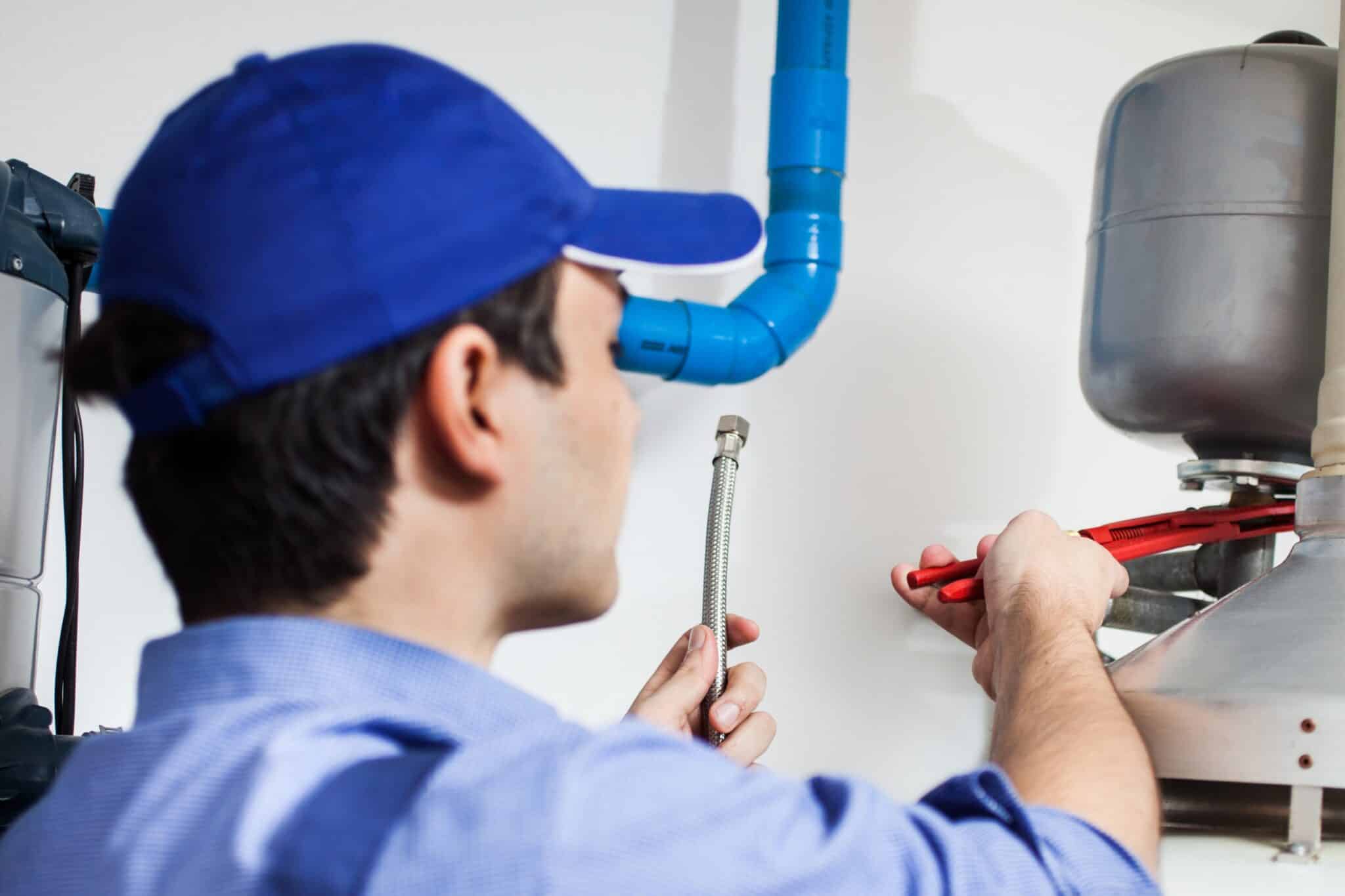
A technician starts by isolating the heater’s power and cold-water supply before any hands-on inspection to reduce risk. They attach a pressure gauge to a nearby hose bib to record resting and warmed pressures for comparison. Next they lift the valve’s test lever briefly while watching flow rate and timing to see if the valve reseats properly. If the valve leaks after testing, they document the leak and proceed to further component checks.
- Check valve body for corrosion and pitting.
- Inspect discharge tube routing and termination.
- Measure system pressure under static and thermal conditions.
- Examine expansion tank and PRV for proper operation.
If corrosion or a seized stem prevents safe removal, the plumber evaluates whether to cut and replace the valve assembly. They use a pipe wrench and proper sealing materials rated for potable water during removal and installation. After installing a new valve, the technician refills the tank slowly while monitoring the valve threads and discharge connection for leaks. They retest the valve under normal operating temperature to confirm correct operation and reseating.
When replacement might not solve the underlying issue, the pro inspects the thermostat, pressure-reducing valve, and expansion tank for related faults. They generate a written report with pressure readings, photos, and recommendations to guide homeowner decisions about repair or replacement. For help deciding between major heater repair and replacement, professionals often reference guidance on water heater repair vs replacement. Homeowners in Mansfield and Waxahachie receive clearer options when diagnosis includes measured data and documented findings.
Preventive Maintenance To Extend Valve Life
A regular visual check of the discharge tube and valve body can catch early corrosion before mechanical wear accelerates. Wiping the valve and pipe dry after any visible leak prevents continued moisture exposure that promotes rust. If you notice mineral crusts, gently remove them with a soft brush to avoid damaging seals or the lever. Keep a photo log of the valve condition so professionals can track progression during service visits.
Exercise the valve briefly every six months to ensure the stem moves and does not stick from scale buildup or disuse. Lift the test lever only momentarily while collecting water in a bucket, then confirm the valve reseats fully when released. Record whether the flow is steady and how long residual dripping lasts after the exercise. Persistent drip after exercise signals a need for further inspection or replacement by a technician.
Inspect related components like the shutoff valve, discharge piping, and visible tank fittings during routine maintenance to reduce stress on the safety device. Check that the discharge pipe remains pointed to a safe drainage area and is not capped or restricted. Also confirm the cold-water shutoff operates without seizing, since emergency isolation relies on it functioning. For planned seasonal work, include the TPR valve in a broader service checklist such as the one linked at water heater maintenance.
Addressing system pressure issues extends valve life by reducing unnecessary trips and mechanical wear on the seat and spring. Verify expansion tank air charge and PRV performance during annual servicing to prevent repeated valve activation. If you detect frequent thermal cycling, have a professional assess thermostat settings and heating element operation. Homeowners in Mansfield and Waxahachie benefit from scheduled maintenance that targets these pressure and temperature stressors.
Frequently Asked Questions
What does a TPR valve protect the water heater from?
The TPR valve protects a water heater from dangerous overpressure and excessive temperature inside the tank. It opens to release hot water when pressure or temperature rise beyond safe limits. If the valve fails, the tank can rupture or the building can sustain scalding injury, so stop use and shut off power or gas. For safety, contact a licensed plumber to inspect and replace the valve if you suspect failure.
How can I test a TPR valve safely at home?
Shut off the water supply to the water heater and let the tank cool before testing to avoid scalding and pressure hazards. Open a nearby hot faucet to relieve tank pressure and place a bucket under the TPR valve discharge pipe to catch water. Lift the test lever briefly to confirm flow then release, observe for smooth full closure and no continuous drip afterwards. If the valve sticks, leaks, or you feel uncomfortable, stop and call a professional due to burn and pressure risks.
What signs show a TPR valve needs replacement?
Look for constant dripping or a stream of water from the TPR valve outlet that won’t stop after tank pressure settles. Corrosion, mineral buildup, or visible leaks around the valve body indicate internal wear or a failed seat. If the valve won’t manually lift during a brief test or it sticks, that shows mechanical failure and risk. Caution: a faulty valve can overpressure a tank, so contact a licensed plumber for diagnosis and replacement.
When should a professional replace a TPR valve?
Replace a TPR valve when it leaks, sticks open, fails a manual lift test, or shows corrosion or mineral buildup that affects operation. A professional will also replace valves older than about five to seven years or when manufacturer lifespan limits apply. If the water heater has had repeated overpressure or temperature events, replace the valve to restore safe operation. Caution: because this involves pressure and hot water, hire a licensed plumber to inspect and replace the valve.
Could high system pressure cause TPR valve trips?
Yes. High water pressure can cause a TPR valve to open frequently by exceeding the valve set pressure or causing thermal spikes. Persistent overpressure stresses the valve and surrounding fittings, increasing leak or failure risk. If you suspect high pressure, stop using the water heater and call a licensed plumber to test pressure and address the cause.