


Key Takeaways About Toilet Flange Repair
Toilet flange repair means restoring the rigid connection between the toilet and drain pipe to stop rocking and leaks. This guide is for homeowners and property managers who notice movement water stains or odors and need a lasting fix.
- Identify visible wobble water stains or sewage odors at the base.
- Prevent further damage by avoiding toilet use when active leaks occur.
- Avoid temporary fixes that ignore flange bolts or subfloor rot.
- Spot soft flooring with a screwdriver probe or moisture meter check.
- Reduce repeat leaks by using correct flange height and seal type.
- Plan a professional inspection when bolts spin or rot appears.
Introduction
A rocking toilet usually signals a failed toilet flange or a broken flange connection under the bowl. Left alone, a loose flange lets water escape and can damage the floor and subfloor quickly. That movement also stresses the wax ring and supply line, increasing leak risk. Homeowners notice wobble, shifting, or water stains around the base as clear warning signs.
Some flanges crack from age while others pull away from the flange bolts or warped flooring. When the flange no longer holds the toilet snugly, bolts loosen and the seal breaks down. The result can be slow leaks, foul odors from trapped moisture, and soft flooring that hides bigger structural damage. Ignoring these symptoms raises repair complexity and cost later on.
Proper toilet flange repair restores a solid mechanical connection between the toilet and the drain pipe. A lasting repair addresses the flange, the anchor bolts, and the toilet-to-floor connection together rather than treating only the visible leak. Professionals confirm the cause by inspecting the flange, closet bolts, wax ring, and surrounding floor. For homes in Mansfield and nearby properties in Waxahachie, quick action reduces water damage and keeps a small fix from becoming a major project.
Recognizing the signs early helps you choose a permanent solution that stops rocking and future leaks. Visible movement during use, new floor soft spots, and recurring stains all point to flange failure. A reliable repair will prevent odor, structural rot, and repeated service calls. If you suspect a failing flange, plan an inspection to confirm the specific cause and scope of damage.
How Toilet Flange Repair Works And Why It Fails
How toilet flange repair works: it restores the rigid connection between the toilet, the flange, and the drain pipe to stop movement and leaks.
- Inspect the flange for cracks or separation.
- Check closet bolts and bolt slots for damage.
- Assess the wax ring and its seating surface.
- Evaluate subfloor condition under and around the flange.
A proper repair begins with a focused inspection that identifies whether the flange, bolts, wax ring, or floor caused failure.
Technicians look for symptoms like flange cracks, loose bolts, and a compressed or displaced wax ring during diagnosis.
Homeowners often ask whether a flange can be reinforced without removing the toilet, the honest answer depends on visible damage and subfloor soundness.
For example, a common situation shows wobble with fresh water stains and a loose bolt, and a pro would remove the toilet, test the flange fit, and check the subfloor for rot.
Common Causes Of Flange Rocking And Leaks
Cracked or brittle flange material causes most rocking when the flange can no longer clamp the toilet base evenly. Stress fractures often start near bolt slots or where the flange meets the drain pipe, allowing side-to-side movement during use. A flange that sits too high or too low relative to the finished floor can also create an unstable connection. Measuring flange height against toilet rough-in dimensions helps confirm improper alignment for repair planning.
Loose or corroded closet bolts let the toilet shift even if the flange itself looks intact. Bolts can spin in their slots or pull through damaged flange material, breaking the mechanical hold required to compress the wax seal. A technician will test each bolt by hand and under gentle torque to see if the connection holds without slipping. Replacing bolts without addressing flange damage often leads to repeat failure and additional service calls.
Warped or weakened subfloor around the flange reduces support and lets the toilet pivot under load, causing leaks at the wax ring and flange joint. Water that migrates from a minor leak accelerates rot, which then widens the gap between flange and floor. Inspecting the subfloor under the flange with a probing tool or moisture meter reveals soft spots and hidden decay. For properties in Waxahachie and Mansfield, early detection of subfloor issues prevents larger structural repairs later on.
Poorly fitted or degraded seals and spacer materials contribute to slow leaks and odor even when the flange appears functional. A compressed wax ring, misaligned gasket, or missing spacer causes gaps that allow sewage gases and water to escape during flush cycles. Professionals confirm seal integrity by removing the toilet and visually checking the wax ring, flange face, and pipe entry for damage. For guidance on correct flange-to-toilet distances and measurements, consult the toilet rough-in measurements guide before choosing parts or replacing components.
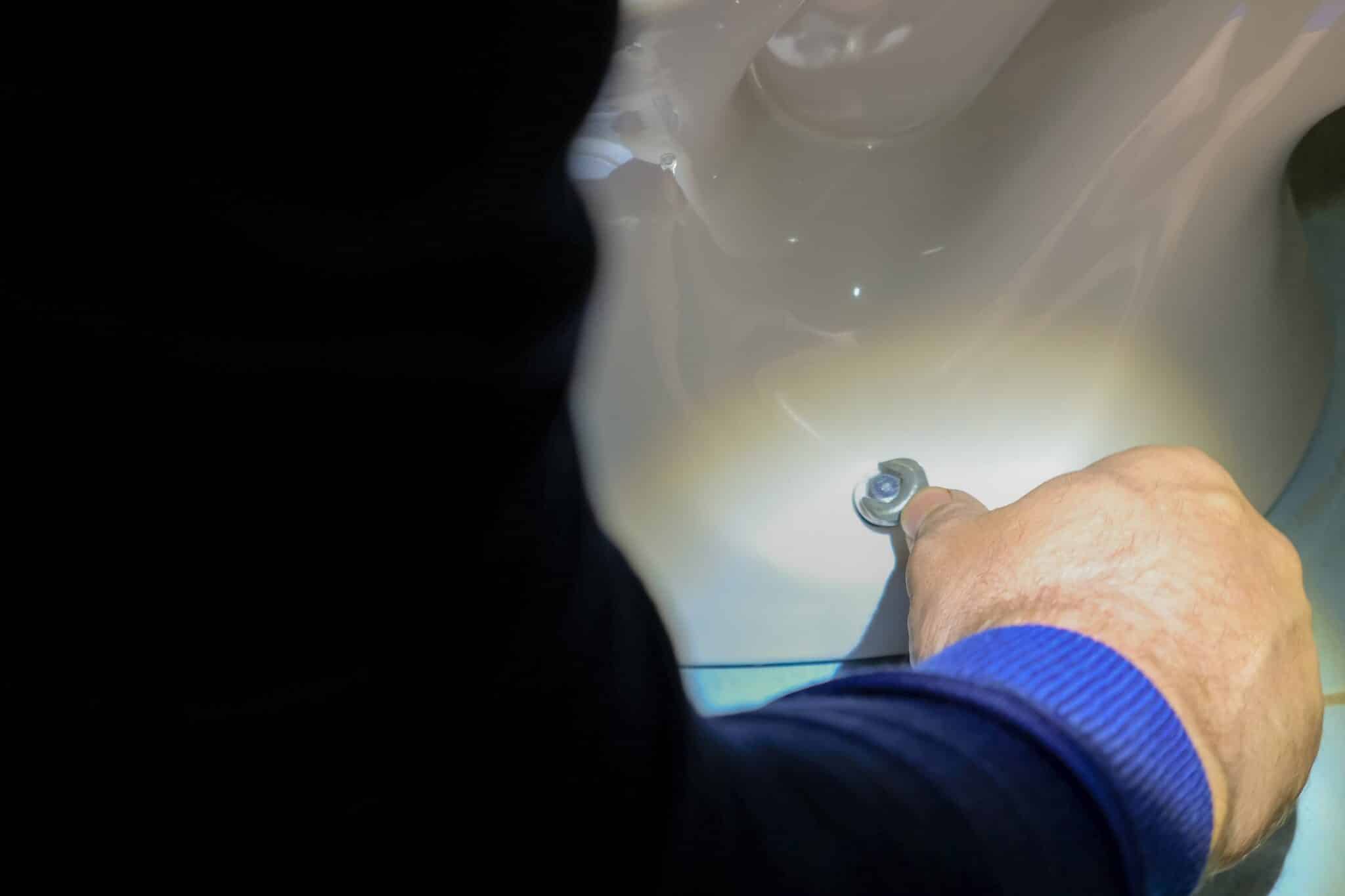
Warning Signs To Spot Flange Failure Early
Listen for new sounds like creaks or a hollow thud when you sit down, these often signal movement at the flange or subfloor. Smells of sewage around the base without visible water suggest a failing seal or a gap at the flange connection. Watch for fresh condensation or dampness confined under the toilet outline, it can indicate intermittent leaks during flush cycles. If you spot any of these cues, document them with photos or notes to share with a technician.
Check for small, repeated puddles after several flushes or overnight, slow leaks can start as tiny damp spots near the closet bolts. Wiggle the toilet gently by the bowl rim to feel for lateral play that isn’t caused by loose tank bolts. Look under the cabinet adjacent to the bathroom for water stains on baseboards that point to extended leakage from the flange area. A moisture meter reading over the subfloor or flooring near the flange supports urgent action.
Notice changes in floor height or a slight tilt when you step near the toilet, those are early signs of subfloor weakening beneath the flange. Pull back any loose flooring or base molding to inspect for soft wood or dark discoloration that indicates rot. If bolts drop into their slots or spin when tightened, the flange material may be damaged or pulled away from the pipe. Professionals often perform a dye test in the bowl and recheck bolt stability to confirm flange failure.
Take quick photos and compare them over a few days to detect progression of stains, movement, or odors before scheduling a repair visit. For routine toilet issues and maintenance that may involve flange work, refer to the toilet service information on the company site for preparation tips and what to expect during inspection. Homeowners in Mansfield and property managers in Waxahachie should act sooner when multiple warning signs appear to limit hidden damage. If you detect any combination of these signs, contact a qualified plumber and avoid using the fixture until it is inspected.
Assessing Damage And When To Act Immediately
Inspect the floor around the toilet for soft spots by pressing with your foot in several places to find weakened subfloor areas. Probe suspect wood with a screwdriver through access or under trim to check for rot and collapse. Smell for sewage near the base while testing for dampness to confirm active leakage rather than old stains. If you find soft wood, visible gaps, or active seepage, stop using the toilet until repairs begin to prevent collapse.
- Measure flange height from floor surface.
- Check closet bolts for tight, no-spin fit.
- Remove the toilet to visually inspect the wax ring.
- Probe subfloor for soft or discolored areas.
- Test for active leaks with a few flushes and observation.
A professional diagnosing the exact failure will remove the toilet to view the flange face and pipe connection under direct light. They will use a moisture meter and a screwdriver to map the extent of rot and confirm structural soundness. A dye test in the bowl can help show intermittent leaks during flushing without invasive steps. This combination gives a clear repair plan and prevents replacing only surface parts when deeper work is required.
Act immediately when the flange has clear cracks, bolts fall through, or the floor feels spongy under load to avoid larger structural repairs. For properties in Waxahachie and Mansfield, early action reduces the chance of hidden subfloor damage spreading to adjacent rooms. If you smell sewage, see continuous dampness, or notice sudden increased wobble, call a plumber and avoid flushing the fixture. For related drain issues before or after a flange job, review the toilet drain clog guidance to spot concurrent problems.
Permanent Repair Steps For Stable Flange Installation
Begin by removing the toilet and cleaning the flange face to expose all damage and mounting points for assessment. A professional will test flange alignment with the drain pipe and check for cracks or missing sections that prevent a flat seal. If the flange material fails near bolt slots, replacement or an insert repair is required to restore clamping strength. Confirming the flange sits at the correct height relative to the finished floor guides the next repair choice.
When subfloor rot exists, cut out only the affected area and install a solid plywood or OSB patch that ties into the surrounding joists. Secure the new subfloor with corrosion-resistant screws and ensure it sits level with existing flooring to avoid flange misalignment. Fastening a new flange to sound structural backing prevents future movement that stresses the wax ring and bolts. For significant rot that compromises joists, a professional evaluation is necessary before proceeding.
Choose a replacement flange type based on pipe material and height: PVC or ABS for plastic drain, or a stainless-reinforced flange for metal pipes and heavy-use bathrooms. Use an appropriately sized wax ring or a modern wax-free gasket to match flange height and toilet base design for a reliable, long-lasting seal. Tighten closet bolts evenly and alternately to seat the toilet without rocking, and check for any lateral play before final torque. After installation, test flush cycles while observing the base for any signs of movement or leakage.
If flange damage is limited, an insert or repair ring can restore bolt holes and flange strength without full pipe replacement, saving time when the subfloor is sound. Professionals may also use a flange extender for cases where finished flooring increased the floor height, ensuring the flange face reaches the toilet base. Diagnose intermittent sewer gas smells or bubbling issues by combining a visual flange check with trap and vent inspection, referencing related guidance like toilet bubbling for possible concurrent causes. Homeowners in Mansfield and managers in Waxahachie should prioritize repairs that fully restore mechanical support rather than temporary fixes that allow future leaks.
Materials Tools And Techniques For Lasting Repairs
Select materials that match the drain pipe and expected load, such as PVC or ABS flange bodies with stainless-steel reinforcement. Use a wax-free gasket or a high-quality wax ring sized for the toilet base and flange height to ensure a consistent seal. Pick closet bolts and washers rated for corrosion resistance to avoid future loosening from moisture exposure. For cases needing extension, a purpose-made flange extender works better than stacking materials that compress over time.
Gather hand tools and diagnostic gear including a torque wrench, screwdriver set, utility knife, and a moisture meter to verify subfloor dryness before installation. A short pry bar and oscillating tool speed careful removal of damaged flooring without harming adjacent sections. Use a level and straightedge to confirm the repaired flange sits flush with the finished floor for proper toilet seating. When checking flange alignment, also inspect the supply line and shutoff valve clearances to prevent stress during reinstall.
Apply repair techniques that restore mechanical support, such as installing a plywood backing plate under the flange when joist access exists, and securing with corrosion-resistant screws. For cracked flanges, use a metal repair ring or full replacement flange bonded and fastened to solid backing. When using a wax-free seal, follow manufacturer torque guidance and hand-tighten closet bolts evenly to avoid cracking the toilet porcelain. Professionals often run multiple flush cycles while monitoring for movement to confirm repair success.
Diagnose remaining issues by observing flush behavior and checking for leaks around the base and bolts after installation, and perform a simple dye test if intermittent leaks appear. If a toilet still rocks, recheck flange-to-floor contact and backing plate fasteners for any missed gaps. For related valve failures that could affect flush testing, review maintenance tips found in the article about toilet flapper valves. Homeowners in Mansfield and property managers in Waxahachie should document readings and photos to track repair performance over time.
When To Call A Professional For Flange Repair
If you notice repeated attempts to fix a rocking toilet fail, call a plumber to avoid hidden structural problems. A professional can remove the fixture and evaluate flange seating and subfloor integrity under direct light. They will verify flange elevation relative to the finished floor and test closet bolt anchorage with appropriate torque. Scheduling a pro is prudent when repairs require cutting subfloor or modifying pipe connections beyond homeowner tools.
- Assess flange material and bolt hole condition.
- Inspect for subfloor rot and structural compromise.
- Measure flange height and pipe alignment precisely.
- Recommend replacement, insert, or flange extender solutions.
Call sooner when you smell sewer gas, detect active leaks, or the toilet suddenly rocks more during use. A technician will use a moisture meter and probe to map rot and confirm how far damage extends. They may perform a dye test and run multiple flush cycles to reproduce intermittent leaks and identify failure points. These diagnostic steps prevent replacing only surface parts that leave the underlying cause unresolved.
If the job leads to fixture replacement or bathroom rework, ask about safe removal and reinstall options for the toilet and surrounding finishes. Professionals can advise whether a flange repair pairs with a new toilet or requires backing plate installation for lasting support. For homeowners in Mansfield planning larger fixture changes, review detailed replacement considerations in the company’s fixture guidance before deciding. When safety or structural concern exists, do not delay calling a licensed plumber to inspect and repair.
Prevention Tips To Keep Flange Problems Away
Keep the floor area around the toilet dry by wiping up small spills and checking under the base after heavy use to prevent hidden moisture build-up. Inspect the shutoff valve and supply line connection periodically for slow drips that can migrate toward the flange and cause unnoticed damage. Replace any cloth or paper floor coverings near the toilet with water-resistant materials to reduce absorption and slow rot development. Regular visual checks make early action easier if something starts to fail.
When replacing flooring, ensure the finished surface leaves the flange face accessible and at the correct height for a proper seal and bolt engagement. Use a flange extender designed for the flange type if floor height increases during remodels rather than stacking temporary materials. Keep spare closet bolts and a compatible wax-free ring on hand for quick, correct replacements after minor adjustments. Proper parts avoid makeshift fixes that compress over time and lead to repeat service.
Limit toilet movement by tightening closet bolts evenly and checking them after seasonal temperature changes or tile work that can shift fixtures slightly. If the toilet rocks during tightening, stop and remove the fixture to inspect the flange and subfloor before further torqueing to avoid cracking the porcelain. A moisture meter check under trim or access panels helps spot early subfloor issues before they force a full repair. These small checks prevent the slow progression from loose bolts to structural rot.
Schedule periodic professional inspections when you observe persistent odors, recurring dampness, or intermittent leaks that return after DIY fixes to catch hidden problems early. A trained technician can test flange anchorage, measure flange elevation, and map subfloor health using standard diagnostic tools during a visit. For reliable maintenance and repair options, see the company’s plumbing repair services page to learn what professionals can confirm and fix. Homeowners in Mansfield and property managers in Waxahachie benefit from scheduled checks to avoid larger repairs later.

Frequently Asked Questions
What are the common signs that call for toilet flange repair?
You may notice the toilet rocks or shifts when you sit, which often signals a broken or corroded closet flange. Two common signs are water pooling at the base and dark stains on the floor or subfloor indicating a slow leak. A persistent sewer smell or gurgling drain can also point to a flange that no longer seals properly. If you see rot, loose bolts, or ongoing leaks, stop using the toilet and call a professional for Toilet flange repair to avoid further damage and safety risks.
How does a pro diagnose a rocking toilet and confirm flange failure?
A pro starts by rocking the toilet and checking for movement at the base and gaps between the bowl and floor. They remove the tank and bowl if needed to inspect the closet flange, wax ring, and subfloor for cracks or rot. A technician uses a flashlight, screwdriver checks, and sometimes a moisture meter to confirm flange failure and wooden subfloor damage. If the flange or subfloor shows significant damage, caution is required and you should hire a professional for Toilet flange repair and structural fixes.
Can a flange repair stop leaks without replacing subfloor?
Yes, a focused toilet flange repair can stop leaks when the flange and closet bolts are intact and the wax ring seal failed. A reinforced flange or flange extender can restore a solid seal without disturbing the subfloor in many cases. If the subfloor shows rot, soft spots, or sewer smell the flange repair won’t fix structural damage and leaks may return. For safety and proper diagnosis, contact a licensed plumber to inspect, test for moisture, and recommend repair or subfloor replacement.
What materials and parts give a permanent toilet flange repair?
Permanent toilet flange repair uses a solid closet flange, typically brass, stainless steel, or rigid PVC, not thin stamped metal. Use a thick wax or wax-free flange gasket designed for flange-to-toilet and flange-to-pipe seals. Secure the flange to the floor with stainless steel screws and, if subfloor damage exists, install a flange spacer or reinforced repair ring. If you smell sewer gas or see rot, stop work and hire a professional to avoid health and structural risks.
When should homeowners in Mansfield call for flange repair help?
Call for help when the toilet rocks, shifts during use, or you see water pooling at the base after flushing. If you notice foul sewer smells or brown stains on the floor, stop using the toilet and call a plumber. A professional can inspect the wax ring, closet flange, and subfloor to confirm whether Toilet flange repair is needed. If the flange is cracked or the floor shows rot, caution is required and a licensed plumber should perform the permanent repair.