


Key Takeaways About Smart Tankless Water Heaters
Smart tankless water heaters heat water on demand using sensors and controls to match household needs. This summary is for homeowners deciding if an upgrade or service matters for comfort and energy bills.
- Identify long waits and temperature swings as upgrade cues.
- Prevent standby heat loss by eliminating stored hot water.
- Avoid undersizing by matching unit to peak flow rates.
- Spot sensor or vent issues through diagnostic readings.
- Reduce utility bills by matching heat output to use.
- Plan professional inspection to confirm supply and venting.
Introduction
Many Texas homeowners lose energy waiting for hot water from a traditional tank. Smart tankless water heaters deliver hot water on demand and cut standby heat loss. That reduction in waste translates into lower monthly utility bills for households. For Mansfield residents, the payoff is often both energy and lifestyle improvements.
Older tank systems store and reheat water constantly, which wastes fuel or electricity. A tankless unit heats water at the point of use, so households avoid reheating unused water. Reduced cycling also lowers wear on heating components and extends equipment life. Homeowners in Waxahachie often notice smaller bills and fewer service calls after upgrading.
Beyond energy savings, inconsistent hot water timing causes real frustration during busy mornings. Smart tankless water heaters use flow sensors and modulating burners or elements to match demand instantly. That improves comfort by keeping shower temperature steady even when other fixtures run. These units can also reduce the load on the water heater’s supply lines and the home’s electrical or gas circuits.
Deciding whether a smart tankless system fits a home depends on usage patterns and plumbing layout. A professional install evaluates supply lines, venting, and the electrical or gas service needed for stable operation. Visible cues such as long waits for hot water or frequent heater cycling indicate potential benefits. A trained technician can confirm savings and performance through inspection and measurements.
How Smart Tankless Water Heaters Work Efficiently
Smart tankless water heaters are on-demand systems that heat water only when a faucet or appliance calls for it.
- Flow sensor detects water movement.
- Control board calculates required temperature rise.
- Modulating burner or element adjusts output.
- Outlet temperature is held steady during use.
Inside the unit, a flow sensor activates the control board when you open a hot tap or start a washer. The control then measures inlet temperature and adjusts the burner or heating element to reach your set temperature quickly. This process answers a common homeowner question about how these units avoid temperature swings during simultaneous use. The rapid modulation reduces wasted energy by matching heat only to actual demand.
Technicians verify efficient operation by checking specific components and readings during inspection. They confirm proper flow with a pressure gauge and inspect the venting and supply lines for restrictions. A professional will also take temperature readings at inlet and outlet to calculate temperature rise and expected performance. For homeowners in Mansfield, these diagnostics clarify whether a smart tankless unit will meet peak household demand.
Smart features and controls further enhance efficiency by learning patterns and limiting standby activities. Wi‑Fi enabled units can schedule preheat windows and report usage trends to help reduce waste. Regular upkeep keeps sensors and heat exchangers clean, which preserves efficiency; see guidance on maintenance at smart water heater maintenance. In Waxahachie homes these controls often help balance comfort with lower monthly energy use.
Energy Waste Causes In Traditional Water Heaters
Traditional tank heaters waste energy in several predictable ways that tankless units avoid. Heated water sits idle in a tank and loses heat through the tank walls and piping. That standby heat loss forces the heater to reheat water repeatedly, increasing fuel or electricity use. Homeowners may notice the heater cycling on at odd times or a faint humming as the unit works to maintain temperature.
Another common waste comes from oversized recovery cycles when the thermostat calls for reheating more water than is actually used. The burner or heating element runs longer than necessary, raising energy bills without improving comfort. Sediment buildup reduces heat transfer in tanks, so the heater runs even longer to reach set temperature. Technicians often find thick sediment layers during inspections, which they address with flushing or descaling procedures like those explained in descaling the heat exchanger.
Heat loss also occurs through distribution lines between the water heater and fixtures when piping lacks insulation. Long waits for hot water encourage homeowners to run taps longer, wasting both energy and water. A professional diagnosis checks pipe routing and measures temperatures along the line to quantify loss. In Mansfield homes, measuring temperature drop over distance helps decide whether pipe insulation or a point-of-use solution makes sense.
Standby losses and poor combustion control in older gas tanks create intermittent inefficiency and safety concerns. A technician inspects the burner, venting, and exhaust for incomplete combustion that raises fuel use and carbon monoxide risk. Simple diagnostic steps include checking the burner flame, testing flue draft, and taking temperature readings at the tank and outlet. For properties in Waxahachie, these checks reveal whether upgrading to a smart tankless model will reduce waste and improve system safety.
When Smart Units Reduce Energy Use Most
Smart tankless water heaters cut energy most when household hot water use is intermittent and spread throughout the day. Units avoid repeated reheating during long idle periods, so homes with many short uses see larger savings. A professional compares measured usage patterns to unit capacity to estimate real savings. Technicians can also recommend point-of-use options where demand clusters cause losses.
Homes with long distribution runs show bigger gains when pipe heat loss is fixed after installation. Insulating supply lines or relocating the unit reduces the time water spends losing heat in transit. During a diagnostic visit, a technician measures inlet and outlet temperatures along the piping to quantify that loss. Those readings help decide whether a centralized tankless or point-of-use pairing gives better efficiency.
Large households that stagger showers and appliance cycles often benefit from units with fast modulation and demand prediction. Smart controls that learn patterns reduce brief cycles and avoid unnecessary preheating before peak windows. A technician will review flow-rate records and check pressure readings to confirm the chosen model handles simultaneous draws. This step prevents undersizing, which can force the unit to run at maximum without saving energy.
Properties with gas supply or electrical limitations gain the most when professionals match the unit to service capacity and venting constraints. During inspection, a plumber checks gas line diameter or circuit breaker capacity and inspects vent terminations for proper draft. Those checks prevent inefficient operation caused by restricted fuel or poor venting. For Mansfield and Waxahachie homeowners, this diagnostic approach ensures the smart tankless water heaters operate at designed efficiency.
Smart Controls And Sensors Explained With Decisions
Smart controls and sensors decide when heating is necessary by combining flow, temperature, and usage signals into simple actions. A control board compares inlet temperature to the set point and then modulates output to match the required temperature rise. Flow sensors confirm water movement before the burner or element activates, reducing false starts from brief pressure changes. These automatic decisions cut energy use while keeping water temperature stable during normal household routines.
- Flow sensor detects low and high demand.
- Temperature probe measures inlet water temperature.
- Control board adjusts heating output in real time.
- Occupancy schedules limit preheat times.
- Diagnostic logs record faults and runtimes.
When diagnosing control-related issues, a technician reads diagnostic logs and checks sensor outputs for accuracy. Common checks include a voltage reading at the flow sensor and a continuity test on temperature probes. A plumber will also confirm the control board shows expected runtime and error codes during simulated draws. These steps help determine whether a sensor, wiring, or control needs repair or recalibration.
Homeowners should watch for specific cues that signal control or sensor problems rather than normal operation. Look for frequent short cycles, unexpected cold bursts, or error codes displayed on the unit during use. A trained technician inspects the flow switch, tests the outlet temperature with a thermometer, and takes pressure and temperature readings to confirm root causes. For Mansfield residents, those measurements clarify whether an upgrade in control logic would improve energy use.
Decisions about adding smart schedules or changing setpoints depend on household routines and service access. A professional can advise using occupancy schedules to avoid unnecessary preheat during long absences, and can tune setpoints to balance comfort and savings. Regular tune-ups also keep sensors clean and calibrated; consider a seasonal check that includes combustion and heat-exchanger inspection as part of a water heater tune-up. In Waxahachie homes, scheduled maintenance often prevents small sensor faults from becoming larger failures.
Common Warning Signs Of Tankless System Problems
A common early sign of a tankless unit issue is fluctuating water temperature during a normal draw. Homeowners may notice the shower cycling between hot and cool without other fixtures running. A technician diagnosing this checks the temperature probe, flow sensor voltage, and conducts an outlet temperature reading with a thermometer. They also inspect the heat exchanger for scale that reduces heat transfer and causes temperature swings.
Unusual noises during startup or operation often point to internal flow or combustion problems. A rattle or water hammer sound can come from loose fittings, while a high-pitched whistle may indicate restricted inlet or venting. During an inspection, a plumber measures water pressure, listens at the junction box, and inspects the vent path for obstructions. The service visit typically includes checking the pressure-reducing valve and shutoff valves for proper operation.
Frequent short on/off cycling reduces efficiency and signals control or sensor faults that need attention. Technicians review diagnostic logs and simulate varying flow rates to reproduce the cycling and observe error codes. They perform continuity tests on sensors and take voltage readings at the control board to isolate wiring or component failures. For Mansfield properties, these steps help decide whether repair or a component replacement restores steady operation.
Visible signs such as leaks, corrosion, or water staining at connections require immediate checking to prevent larger damage. A professional inspects supply lines, the unit drain, and pressure-relief fittings while documenting findings in a written report. They may run a dye test or pressure gauge check to confirm the leak origin and assess the need for tightening or part replacement. Homeowners in Waxahachie should schedule service promptly when seeing these visible issues to limit seepage damage.
Warning lights or persistent error codes on the unit indicate faults that professional tools must diagnose accurately. A technician connects diagnostic equipment, reads fault histories, and clears codes after repairs to verify the fix. They might test the ignition sequence, measure gas line pressure if applicable, and ensure the control board records normal runtimes. For a reliable resolution, consider arranging a service appointment through tankless water heater services.

When Homeowners Should Call A Professional Service
If you notice repeated cold bursts, persistent error codes, or visible leaks, call a professional right away to avoid damage. A technician starts by confirming symptoms with measurements like outlet temperature and pressure readings. They will inspect supply connections, the pressure-relief fitting, and the vent path for hidden faults. Early intervention often limits repair scope and prevents secondary water or structural damage.
When hot water delivery fails during simultaneous fixtures, schedule service to verify unit sizing and flow performance under load. The professional will run a controlled draw test while logging flow and temperature to reproduce the issue. They may also check for restricted inlet filters, clogged aerators, or problematic check valves nearby. Those tests determine whether a repair, component replacement, or reconfiguration is best.
Unusual startup noises or ignition problems require a trained technician to safely access the combustion and control areas. A plumber inspects the burner assembly, ignition sequence, and exhaust for signs of incomplete combustion or blockages. They use a pressure gauge and voltage readings at the control board to diagnose electrical or fuel supply faults. Safety protocols guide whether parts are repaired on site or need replacement.
For recurring control faults or sensor failures, professional service includes reading fault logs and testing sensors with a multimeter. Technicians verify flow-switch voltage, continuity of temperature probes, and control-board error history to isolate the cause. They provide a written report with readings and recommended actions, which helps homeowners decide next steps. For scheduling and service options, see water heater services.
If you own property in Mansfield or Waxahachie and notice any of these signs, arrange diagnostics sooner rather than later to preserve efficiency. A timely diagnosis prevents more extensive repairs and helps maintain consistent hot water delivery throughout seasonal demand. Technicians also explain routine maintenance tasks homeowners can perform to reduce call frequency. Professional assessment gives clear repair estimates and timelines based on measured findings.
Benefits For Texas Homes Including Seasonal Performance
Smart tankless water heaters cut seasonal energy swings by adjusting output to changing inlet temperatures and demand patterns. In winter, colder groundwater raises required temperature rise, so units run longer but only when needed. During summer, reduced temperature rise lowers energy per draw, improving overall efficiency without changing household routines. Homeowners notice steadier recovery and fewer interruptions compared with old tank systems.
- Reduced standby energy loss compared with tanks.
- Smoother temperature during simultaneous draws.
- Adaptive output for colder inlet temperatures.
- Lower long-term wear on heating components.
For houses with long pipe runs, pairing a smart tankless unit with pipe insulation reduces seasonal losses along distribution lines. A professional inspects pipe routing, measures temperature drop, and recommends insulation or localized point-of-use modules. Technicians may also suggest tuning setpoints seasonally to balance comfort and energy use without constant manual adjustments. These steps protect efficiency across hot and cold months.
Smart units provide useful diagnostics that help plan maintenance and avoid midseason failures before they occur. Service visits include checking flow sensors, reading fault logs, and taking inlet and outlet temperature measurements to confirm seasonal performance. Regular checks reduce unexpected downtime and inform whether scaling or vent issues need addressing. For guidance on routine care, consult water heater maintenance.
Owners in Mansfield and Waxahachie should consider seasonal inspections to ensure the unit matches changing household demand and inlet temperature shifts. A technician verifies gas line pressure or electrical supply adequacy and inspects venting to maintain safe, efficient operation. Planning maintenance before high-demand seasons prevents service disruptions and helps control utility costs throughout the year.
Professional Installation Steps And What To Expect
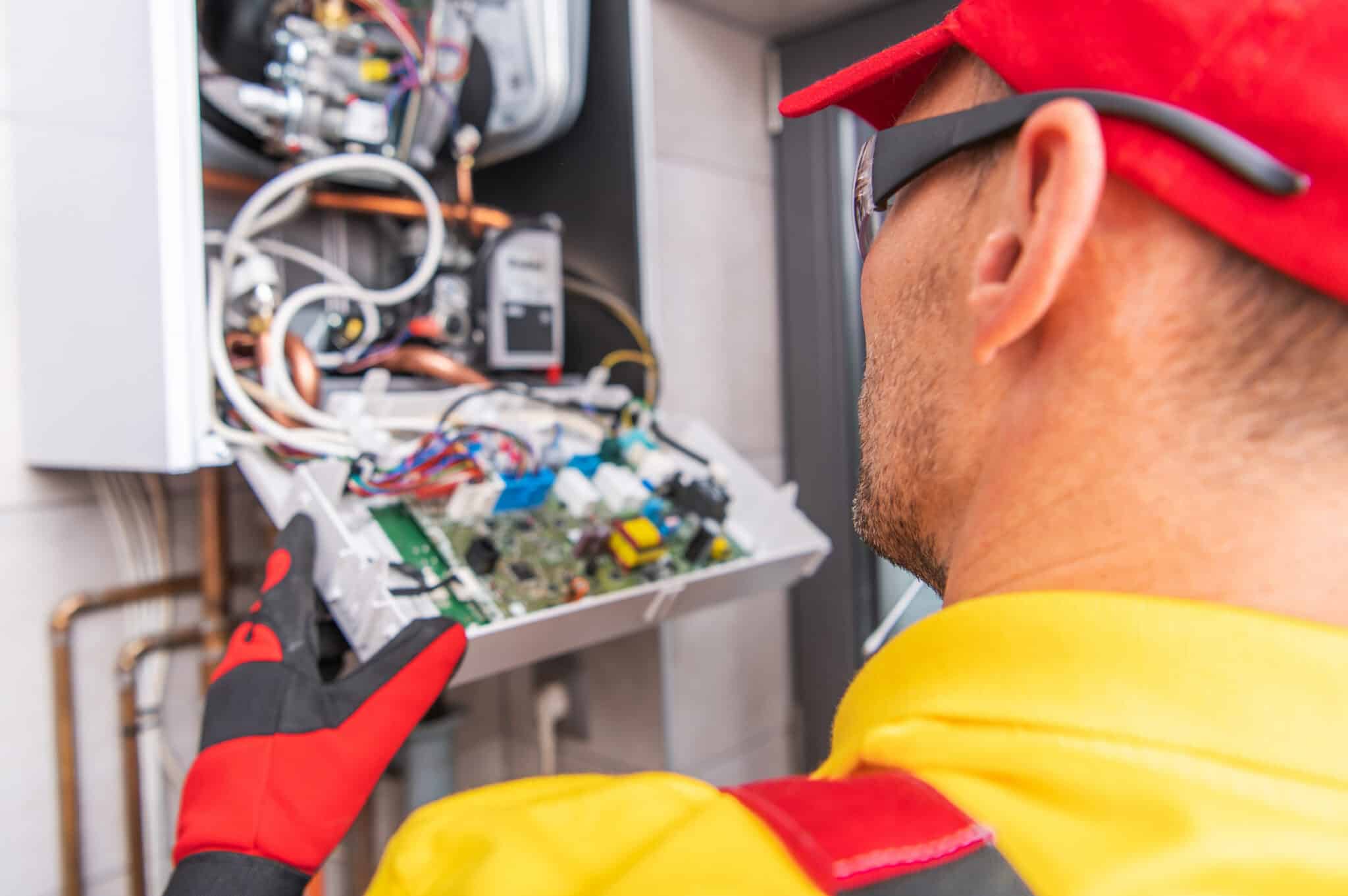
A technician begins by confirming the home’s demand profile and service capacity with on-site measurements and documentation. They inspect the gas line or electrical panel and take voltage or pressure readings to confirm supply adequacy. The installer verifies venting paths and measures clearances where combustion exhaust or intake routing matters for safety and performance. Visible piping routes and access points are photographed and noted for the installation plan and permit review if required.
Next, the team positions the unit for optimal piping runs and minimal heat loss, considering existing fixtures and structural constraints. They install shutoff valves, a pressure-relief assembly, and required isolation fittings so future servicing is easier and safer. Water connections receive a leak test and a pressure gauge reading confirms stable supply under expected flow. The installer may recommend insulating exposed hot and cold pipes to reduce delivery delays and conserve energy.
Electrical and gas connections follow local standards with circuit checks, breaker labeling, and gas pressure verification using a manometer or pressure gauge. Technicians perform an initial startup sequence, watching ignition, flame stability, and burner modulation while taking outlet temperature measurements. They record diagnostic log entries and confirm the control board reports normal runtimes without fault codes. If any error appears, the installer corrects wiring, venting, or sensor placement before leaving.
Finally, the contractor demonstrates user controls and smart features, showing homeowners how schedules or setpoints affect comfort and energy use. They provide a written checklist of installed components, measured readings, and recommended maintenance intervals for future reference. A final walk-through points out shutoff valves, the pressure-relief device, and how to read basic fault codes safely. Homeowners in Mansfield and Waxahachie receive clear guidance on when to call for service and how to schedule a follow-up inspection.
For projects requiring permits or more complex venting, the installer coordinates inspections and documents compliance with local codes and manufacturer instructions. They leave a copy of startup readings and the diagnostic log with the homeowner to support warranty and future troubleshooting. The team also explains simple homeowner checks, such as watching for unusual sounds or leaks and testing hot-water delivery after heavy use. To learn more about the full installation process, review the details at tankless water heater installation.
Frequently Asked Questions
How do smart tankless water heaters cut energy waste?
Smart tankless water heaters cut energy waste by heating water on demand instead of keeping a full tank hot 24/7. Advanced controllers and flow sensors reduce standby losses and match heat output to real-time usage. Many units include scheduling and remote monitoring to avoid unnecessary heating during low-use periods. If you notice odd smells, leaks, or electrical issues, stop use and call a professional to inspect and diagnose safely.
Will a smart tankless water heater lower my utility bills?
Yes, properly sized smart tankless water heaters can reduce energy use by heating water on demand instead of keeping a full tank hot. They cut standby heat loss and adjust flow to match demand, which lowers gas or electric consumption. Savings vary with household hot water patterns, incoming water temperature, and unit efficiency, so expect different results per home. If you have high gas connections or venting needs, call a professional to confirm safe installation and accurate load calculations.
What signs show my home needs a tankless upgrade?
If you get long waits for hot water, frequent temperature swings, or cold spots during showers, your water system may need an upgrade. Rising utility bills with no change in use can indicate a tankless model would reduce energy waste. Visible rust on the tank, leaking at the supply connections, or repeated repairs show a conventional tank near end of life. Caution: gas or electrical connections present safety risks, so hire a professional to inspect and confirm a smart tankless water heaters replacement is appropriate.
How does a technician size and test a tankless unit?
A technician starts by calculating your home’s peak hot water demand using fixture count, flow rates, and desired temperature rise. They measure incoming cold water temperature and use a flow meter or pressure gauge to confirm real-world gallons per minute. For smart tankless water heaters the tech confirms electrical or gas supply, inspects venting, and sets controls to manufacturer’s specs. If any work involves gas or electrical changes, caution is required and you should hire a qualified professional to perform the job.
Can smart controls prevent seasonal hot-water problems?
Yes. Smart controls adjust flow and firing rate to maintain set temperatures during seasonal demand shifts and colder inlet water. They can run scheduled purges or recirculation to prevent long wait times and bacterial growth, but improper setup risks scalding or system damage. Have a licensed plumber inspect pipe layout, set safe temperature limits, and program the controller to match your household patterns.