


Key Takeaways About Remove Drain Pipe Odors
This topic explains how plumbers locate and remove drain pipe odors using inspections cleaning and repairs. It is for homeowners and property managers who notice persistent smells and need guidance on when to call a professional.
- Identify sources with visual checks camera and smoke or dye tests.
- Prevent dry traps by using trap primers or adding water regularly.
- Avoid grease buildup with routine mechanical cleaning and enzyme treatments.
- Spot vent or seal failures by noting gurgling slow drains or timing.
- Reduce odors quickly with augering hydro-jetting and targeted trap cleaning.
- Plan maintenance schedules based on usage grease exposure and past problems.
Introduction
Foul smells coming from kitchen drains are more than a nuisance, they signal trapped organic matter, sewer gas, or venting issues that affect indoor air. Homeowners often notice odors when sinks sit unused or when dishwasher cycles run. Left unchecked, these smells can lower comfort and mask other plumbing problems. Licensed plumbers use inspections and targeted repairs to pinpoint the true source quickly.
Common causes include a dried P-trap, partial blockages inside the drain pipe, or a failing vent stack that allows sewer gases to enter the home. Symptoms vary from a brief rotten-egg scent after running water to persistent odors that return within hours. Visible signs like slow draining or gurgling toilets often appear alongside smells. Professionals combine visual checks with diagnostic tests to confirm the issue.
Technicians use cameras, cleanouts, and pressure checks to inspect pipes without unnecessary disruption to the home. These methods let a plumber see debris build-up, grease clogs, or tree-root intrusion and record footage for review. Confirming the cause guides the choice between mechanical cleaning, chemical-safe treatments, or targeted repairs. The goal is to remove drain pipe odors and prevent recurrence.
For properties in Mansfield or maintenance plans in Kennedale, quick diagnosis reduces exposure to unhealthy sewer gases and recurring service calls. A proper fix also protects fixtures like P-traps, shutoff valves, and venting components from further damage. If a smell suggests a larger sewer line problem, a licensed plumber will recommend the right next steps. Acting early keeps kitchens comfortable and improves indoor air quality.
How Drain Odors Form And Why It Happens
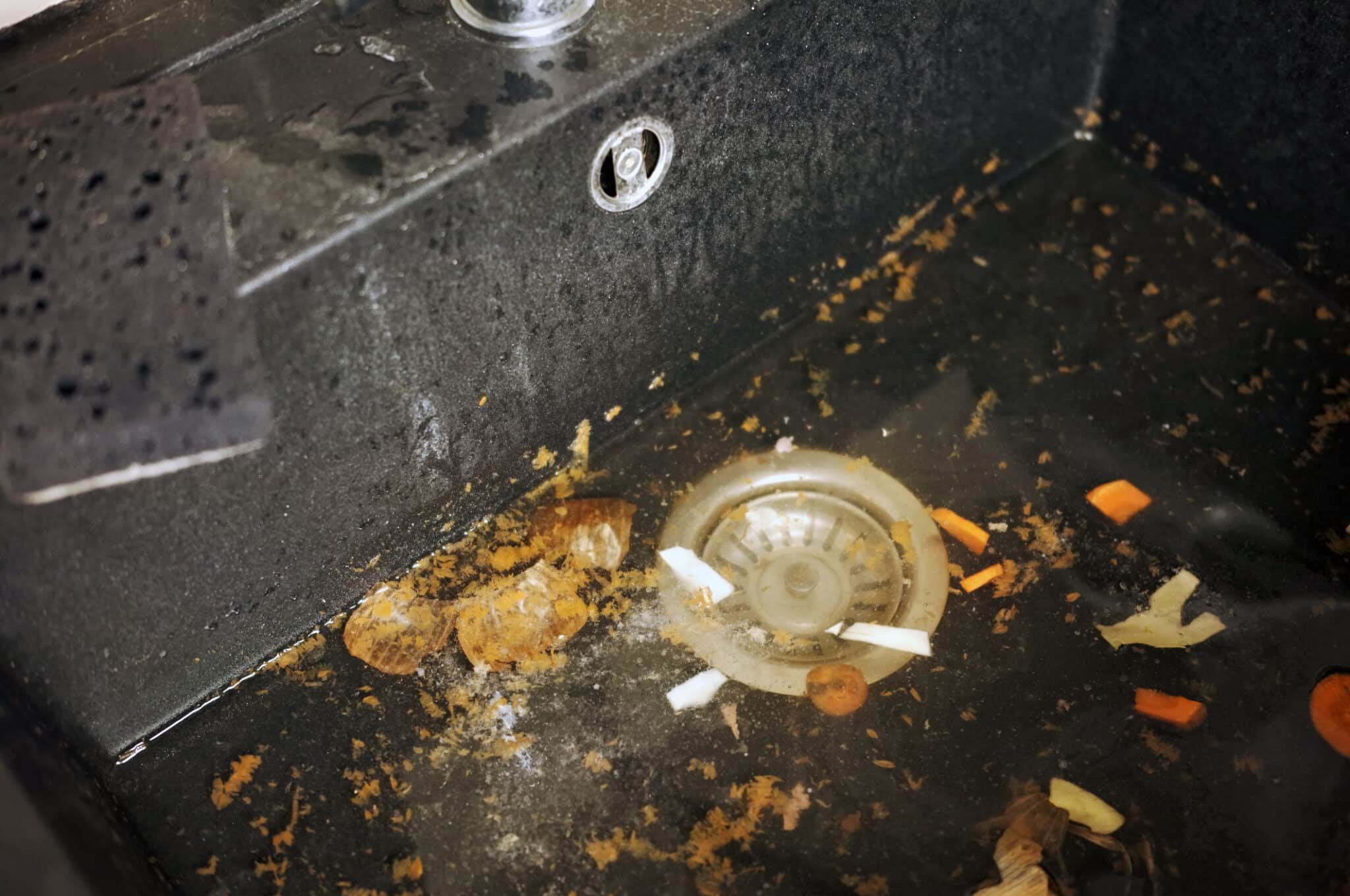
How drain odors form and why they happen refers to trapped organic matter, sewer gas entry, and drying traps in pipes. Organic debris like food and grease breaks down and produces sulfurous or rotten smells. Homeowners often ask if the smell means a broken sewer line, sometimes yes, but often it is a localized clog. A clear sign a professional will look for is whether the odor appears only after using a specific fixture.
- Food waste decomposes in drain bends.
- Grease coats pipe walls and traps bacteria.
- Dry P-traps allow sewer gas to pass.
- Blocked vents prevent proper venting of gases.
When organic material accumulates it creates anaerobic bacteria that emit hydrogen sulfide and other gases that smell like rotten eggs. A homeowner asking “why does my kitchen smell after dishwasher use” often has food trapped in the trap or garbage disposal. Technicians confirm this by inspecting the P-trap, cleanout, and nearby trap primer if present. Visible slow draining or recurring smells point toward trapped debris rather than distant sewer mains.
Air pathways matter because vent stacks and seals keep sewer gas out of living spaces, and a compromised seal lets odors into the room. Plumbers may use a smoke test or camera inspection to see whether vents or joints leak and to record footage. For a detailed explanation of diagnostic steps and footage examples, see the article on drain odor diagnostics. Homeowners in Mansfield should note odor timing and which fixtures trigger smells to help a technician diagnose the cause.
In some cases, odors come from secondary sources like mold in cabinet soffits or a failed wax ring at a fixture base that allows sewer gas to escape. A pro checks fixtures, wax rings, shutoff valves, and the vent stack during diagnosis to confirm the source. If smells return quickly after cleaning, that suggests a deeper pipe buildup or a venting problem. For persistent or unclear odors, especially where health concerns exist, contact a licensed plumber rather than relying on short-term home remedies in Kennedale.
Common Causes Behind Persistent Smelly Drains
Grease buildup inside horizontal drain runs often causes persistent odors because residue traps food particles and bacteria. Over time grease narrows the pipe and creates pockets where anaerobic bacteria produce foul-smelling gases. A professional recognizes this when odors return quickly after a surface clean because the root buildup remains. Technicians often recommend mechanical cleaning rather than only chemical treatments to fully remove the coating.
Biofilm and slimy bacterial layers adhere to pipe walls and under disposal blades, creating a steady low-level smell between cleanings. Those films resist brief flushing and can re-establish within days if not removed mechanically. Plumbers may use an auger or hydro-jet to strip biofilm and then inspect with a camera to confirm clear walls. For larger grease or buildup problems, see guidance from the drain cleaning experts linked material for typical approaches.
Vent problems and blocked vent stacks change airflow and let sewer gas linger in branch lines instead of dispersing outdoors. When vents clog with debris or bird nests, odors can become noticeable in kitchens after other fixtures run. A technician will check roof vents, vent stack connections, and perform a smoke or pressure check to confirm restricted venting. Homeowners in Mansfield should mention whether smells occur after rooftop wind or bird activity to aid diagnosis.
Sewer line issues, such as offset joints or partial collapse, can introduce persistent smells into a home when gases escape outside the visible drain path. Plumbers look for correlated signs like repeated slow drains across multiple fixtures or sewage scents in the yard near sewer cleanouts. They may recommend a sewer line camera inspection and tie the findings to maintenance plans outlined in sewer line maintenance tips documentation. In Kennedale properties, an outdoors sewer odor complaint often points toward the main lateral rather than a single sink problem.
Warning Signs You Should Not Ignore At Home
Strong or recurring drain odors can signal trapped organic matter that has moved beyond the trap and into the horizontal run. Homeowners might notice the smell intensifies after cooking or dishwashing and spreads when multiple fixtures run. A professional treats this as a sign of deep pipe coating or an inaccessible biofilm pocket that needs mechanical attention. Ignoring these cues often leads to faster reoccurrence and higher repair complexity later.
Gurgling noises or bubbling water in adjacent fixtures indicate air movement problems inside the drain system rather than a simple surface smell. A plumber will check cleanouts and run a smoke or pressure test to confirm where air enters or exits the pipe network. Detecting pressure irregularities helps locate blocked vents or partial blockages that let sewer gas bypass traps. Early detection by a technician prevents odors from migrating into cabinets and living spaces.
Frequent return of smells shortly after home cleaning suggests residual grease or biofilm remains on pipe walls despite surface treatments. In such cases, professionals recommend mechanical removal methods and may use high-pressure water techniques to strip deposits from the interior of the line. Hydro-jetting can remove stubborn grease and microbial layers and professionals often pair it with a camera inspection to confirm results. This approach reduces the chance odors will come back within days.
Smells that coincide with seasonal changes or long idle periods often point to dry traps or failing trap seals that let sewer gas through. A technician will inspect P-traps, wax rings, and trap primers, and may perform a dye test to check seal integrity. If multiple fixtures show the same pattern, the issue might lie at the branch connection or vent stack rather than a single trap. Addressing the correct component prevents repeated visits and improves indoor air quality for occupants in Mansfield and for properties with maintenance plans in Kennedale.
Professional Inspection Steps And What They Check
A professional begins with a visual check at accessible fixtures, cleanouts, and vent terminations to find obvious failures. They note gasket condition, wax rings, and visible leaks that could let sewer gas pass. The tech will also run water through fixtures to observe trap performance and listen for gurgling that indicates venting or blockage issues. These initial steps guide whether noninvasive diagnostics will likely locate the odor source quickly.
- Inspect P-trap and trap arm for damage.
- Open accessible cleanouts to view flow.
- Check vent terminations on the roof or stack.
- Examine wax rings and fixture seals visually.
If the cause remains unclear, the plumber will use a camera to inspect the interior of the line and record footage for later review. Video camera inspections allow the technician to see grease, biofilm, roots, or offsets without digging or cutting pipes. For details on how these inspections work and what footage shows, professionals often refer homeowners to a video camera inspections resource. Mansfield homeowners should mention when odors occur to help target camera runs efficiently.
Technicians may perform a simple smoke or pressure test to find leaking joints or vent path issues that let gases enter living spaces. They sometimes run a dye test at fixtures to confirm whether traps hold water and seals remain intact. Recorded footage and test results form a written diagnostic report that outlines findings and recommended actions. If tests reveal a larger sewer main concern, the plumber will explain next steps and safety precautions before work begins.
Fast Professional Methods To Remove Drain Pipe Odors
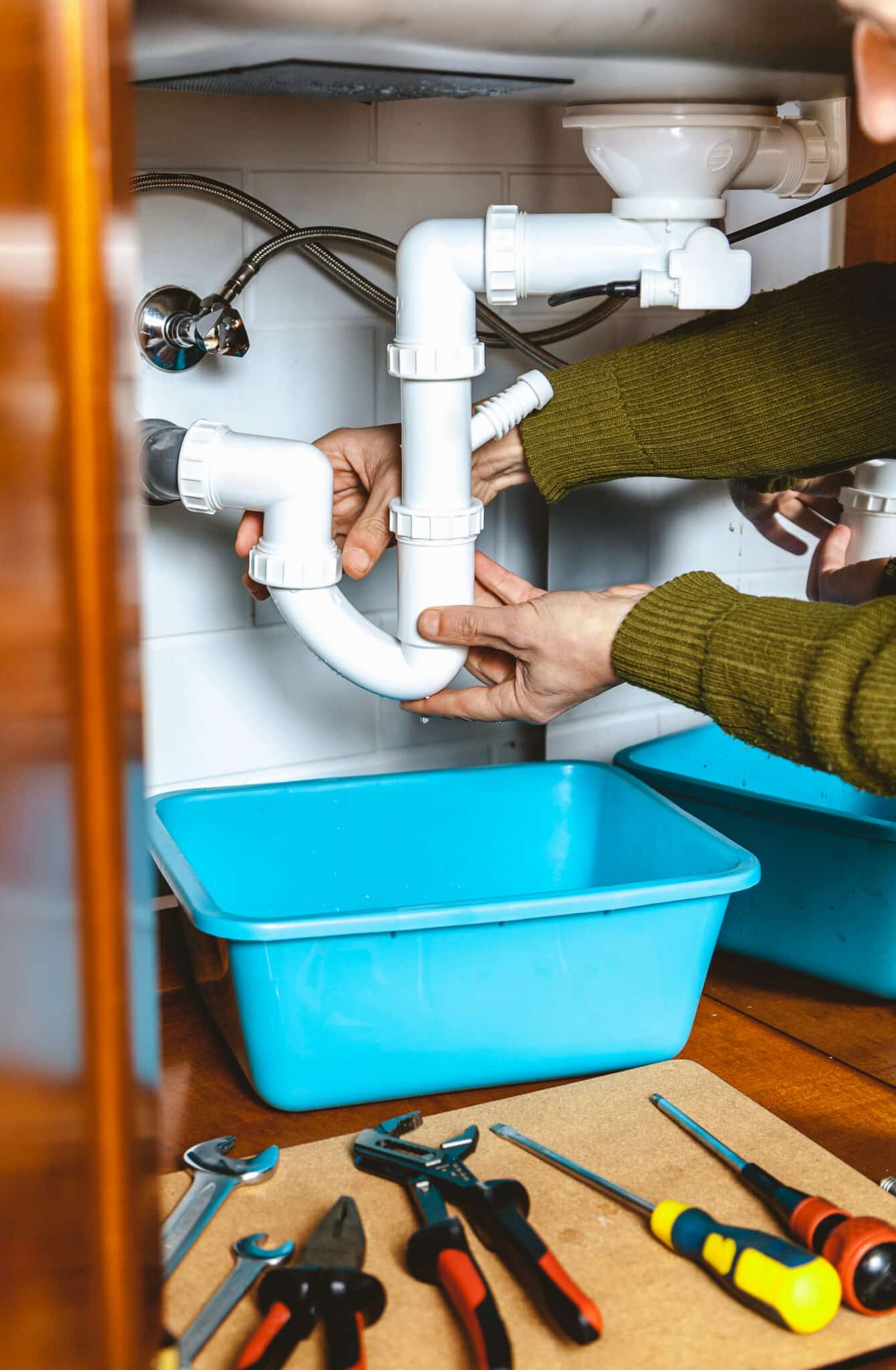
Plumbers often start with focused mechanical cleaning to remove drain pipe odors when inspection shows interior buildup. They use a powered auger to break up lodged debris safely without harming PVC or cast iron. If grease or biofilm lines the pipe, technicians follow with a controlled hydro-jet to scour pipe walls and flush residues downstream. After cleaning, they run the camera again to confirm recorded footage shows clean interior surfaces and restored flow.
When odors originate near disposals or trap arms, a tech may remove and clean the P-trap and disposal flange to reach hidden debris. They inspect the wax ring and closet flange or trap seal for damaged components that allow sewer gas to bypass traps. For persistent insect-related smells, professionals combine mechanical cleaning with targeted treatments similar to drain fly protocols. Those treatments complement physical clearing and reduce odor sources from breeding sites.
In cases where venting problems cause slow gas dispersal, plumbers perform a vent clear and roof termination check to restore airflow. They may run a smoke test or pressure check to confirm the vent stack now seals and vents properly. If vents reveal blockages, technicians clear them from the roof or through accessible vent lines to stop sewer gas migration. Rechecking with a camera or pressure readings verifies the repair’s effectiveness before leaving.
When a sewer main issue or lateral leak appears likely, inspectors use a longer camera run and recorded footage to show location and severity. That evidence helps determine whether a spot repair or full lateral work will remove drain pipe odors at the source. Plumbers outline options and next steps in a written report with recommended repairs and projected timelines. Homeowners in Mansfield or managers in Kennedale can use that documentation to plan necessary follow-up actions.
When Homeowners Should Call A Professional Service
Call a professional when odors persist despite repeated cleanings and simple fixes at home, because persistent smells often indicate a deeper issue. If the smell returns within hours after cleaning, a plumber can perform targeted diagnostics that go beyond surface methods. Technicians can identify whether odors stem from the branch line, vent stack, or a failing fixture seal. Leaving such problems unaddressed may let sewer gas or biofilm affect indoor air quality and comfort.
Schedule service when odors appear along with other symptoms like multiple slow drains or sewer-like scents near cleanouts outside the home. A pro will use tools such as a camera to locate blockages and record footage for a clear diagnosis. That recorded footage supports decisions about mechanical cleaning, hydro-jetting, or more extensive repairs. Homeowners in Mansfield should note timing and locations of smells to accelerate the technician’s diagnosis.
Call immediately if you detect strong sulfur or sewage odors after long idle periods or when you hear gurgling from drains, since these signs suggest compromised seals or venting. Professionals may run dye, smoke, or pressure tests to confirm which component is failing, rather than guessing. If the camera inspection points to the sewer lateral, the team will document findings and explain repair options. For more complex camera work, reference the detailed process used in a sewer camera inspection.
Contact a plumber when recurring odors coincide with visible moisture, mold, or insect activity near drains, because those signs increase health concerns. A technician will check P-traps, trap primers, wax rings, and cleanouts to verify seals and flow. They can provide a written diagnostic report outlining causes and recommended repairs or maintenance. If you manage properties in Kennedale, prompt service helps avoid repeated tenant complaints and larger repair costs.
Preventative Plumbing Solutions To Keep Drains Fresh
Plumbing upgrades that reduce recurring odors focus on sealing, venting, and maintaining water seals in traps to block sewer gas pathways. A plumber can install a trap primer to keep P-traps from drying in infrequently used sinks or floor drains. They may replace failing wax rings at fixture bases to restore a reliable seal against sewer gas entry. For larger systems, adding accessible cleanouts makes future inspections and mechanical cleaning faster and less invasive.
- Install a trap primer where dry traps are common.
- Replace deteriorated wax rings and seals promptly.
- Add accessible cleanouts for easier maintenance.
- Schedule routine camera checks to catch buildup early.
Regular maintenance plans can prevent odors by combining scheduled mechanical cleaning with targeted inspections of vents and traps. Technicians can set inspection intervals based on usage, grease exposure, and past odor history to reduce surprises. For vent verification and leak detection, professionals may perform specialized tests like smoke testing to confirm airflow and locate leaks precisely. Homeowners in Mansfield benefit from planned upkeep when kitchens see heavy daily use.
For multi-unit properties or frequent odor recurrence, upgrading vent configurations or adding biological enzyme treatments can help manage odor sources long term. Enzyme treatments break down organic films without harming pipes and work between mechanical cleanings. If vents show intermittent blockages, a professional can propose rerouting or adding vent access for easier clearing. Property managers in Kennedale often include these measures in preventive maintenance to limit tenant complaints.
Simple DIY Checks And Temporary Remedies At Home
Start with quick visual checks under the sink and around cleanouts to spot leaks, standing water, or loose seals that could allow sewer gas. Run water in each fixture while watching the trap for steady water retention and listening for gurgles that suggest venting issues. Smell near the trap arm and cleanout cap to localize the odor source before trying remedies. If you find wet cabinets or mold, stop and call a professional because the problem may be larger than a simple DIY fix.
For garbage disposals, clear visible food and run cold water while operating the unit to flush loose debris, which can help remove drain pipe odors temporarily. Use a brush to scrub the splash guard and the disposal throat where food hides, then run citrus peels briefly to freshen the smell. For more disposal odor guidance, see the article on garbage disposal smells for safe cleaning tips. Avoid chemical drain cleaners in disposals, they can damage components and worsen odors if residue remains.
If a P-trap looks dry, add several cups of water to reseal the trap and prevent sewer gas from entering the room immediately. For seldom-used sinks or floor drains, pour a small amount of mineral oil on top of the trap water to slow evaporation without affecting plumbing parts. Check accessible trap primers and shutoff valves to ensure nothing blocks trap priming on infrequently used fixtures. When smells return despite these steps, document timing and affected fixtures to help a technician diagnose the deeper cause.
Try a simple baking soda and vinegar flush for temporary odor relief by pouring a half-cup of baking soda and one cup of white vinegar down the drain, followed by hot water after fizzing stops. This method loosens light organic films and can reduce immediate smells but will not remove heavy grease or deep biofilm. Use a hand auger to clear a short accessible run if you suspect a small clog, do not force the cable into unfamiliar fittings. If odors worsen or you detect sewer gas persistence, contact a licensed plumber for inspection and permanent repair in Mansfield or for property work in Kennedale.
Frequently Asked Questions
What causes persistent kitchen drain odors?
Persistent kitchen drain odors usually come from trapped food, grease buildup, or biofilm clinging inside P-traps and drain pipes. Slow or infrequent water flow lets organic material dry and release foul gases back into the kitchen. Venting problems or a failed P-trap seal can allow sewer gases to enter living spaces, which is a health concern and requires prompt attention. If you suspect sewer gas or cannot remove drain pipe odors with basic cleaning, contact a licensed plumber for inspection and repair.
How do plumbers remove drain pipe odors quickly?
Plumbers start with a visual inspection and basic tests to locate the odor source, including checking P-traps and cleanouts. They run a camera through the drain to confirm buildup, blockages, or damaged pipe sections and record footage. Technicians use targeted cleaning like hydro-jetting or enzyme treatments to remove drain pipe odors and organic buildup quickly. If gas or contaminated sewage appears, stop work and call a professional due to health risks and needed containment.
When should I call a pro for recurring smells?
Call a licensed plumber if odors return after cleaning or if smells worsen over several days despite normal use. Persistent sewer or rotten-egg smells often indicate a dry P-trap, cracked vent stack, or a failing trap seal. If you notice gurgling drains, slow drainage, or multiple fixtures affected, contact a pro to diagnose and remove drain pipe odors. If you detect gas-like smells or signs of sewage backup, leave the area and call a professional immediately for safety.
Can vent or trap issues let sewer gas inside?
Yes, problems with traps or vents can allow sewer gas into the home by breaking the water seal in a P-trap. A dry or improperly installed P-trap lets odor travel up the drain and into living spaces. Blocked or poorly vented stacks can cause negative pressure that siphons water from traps and spread sewer smells. If you suspect trapped or vent failures, exercise caution and contact a licensed plumber to diagnose and safely remove drain pipe odors.
What inspections confirm the odor source?
A professional starts with a visual inspection of traps, cleanouts, vent stacks, and visible pipe joints for leaks or dry P-traps.
They use a camera inspection to view inside drain lines and record footage showing debris, roots, or biofilm buildup.
Technicians perform smoke or dye tests to confirm sewer gas migration, trace flow, and locate cross-connections or broken vents.
If gas or contamination risk exists, exercise caution and hire a licensed plumber to address the problem and safely remove drain pipe odors.