


Pipe hanger spacing is a crucial detail for any plumbing system, especially in places like Waxahachie and Mansfield. Proper spacing helps prevent sagging pipes and unwanted noise, keeping your plumbing safe and efficient. Many homeowners overlook this detail, but inspectors pay close attention to it during evaluations. Understanding these rules can save you from costly repairs and failed inspections.
Every type of pipe requires a specific hanger and spacing guideline to ensure maximum support. Metal, plastic, and copper pipes all have unique requirements that must be met for code compliance. Choosing the right hanger and following correct pipe hanger spacing keeps everything secure and quiet. This attention to detail protects your home’s plumbing and helps it last longer.
Inspectors in Mansfield and surrounding cities check pipe hanger spacing carefully during routine and new construction inspections. They look for proper support and secure fittings to avoid future problems. If hangers are too far apart, pipes may sag or vibrate, leading to leaks or noise. Meeting these standards keeps your plumbing in top condition and your home safe.
Bahama Plumbing understands the importance of correct pipe hanger spacing for every project. Our team ensures each pipe is supported according to local codes and best practices. This not only meets inspection requirements but also extends the life of your plumbing system. With the right approach, you can avoid issues and enjoy peace of mind in your home.
Why Proper Pipe Hanger Spacing Matters
Proper pipe hanger spacing offers more than just visual order in your plumbing system. It prevents pipes from bending or sagging, which can cause leaks over time. When pipes are unsupported, even small shifts can lead to costly damage. Inspectors in Waxahachie often flag these issues during routine checks.
Noise reduction is another benefit of correct pipe hanger spacing. Pipes that rattle or vibrate can create loud, disruptive sounds throughout your home. Secure hangers keep pipes stable, minimizing movement and noise. This attention to detail ensures a quiet, comfortable living space.
Maintaining the right spacing also protects your plumbing from wear and tear. Pipes that rub against each other or nearby surfaces can develop weak spots. Over time, this friction may lead to cracks or holes. Consistent support keeps your plumbing system strong and reliable.
Following pipe hanger spacing guidelines helps you avoid failing inspections in Mansfield. It also means fewer repairs and less maintenance down the road. With proper support, your pipes last longer and work better. Bahama Plumbing always follows these best practices to keep your home safe and efficient.
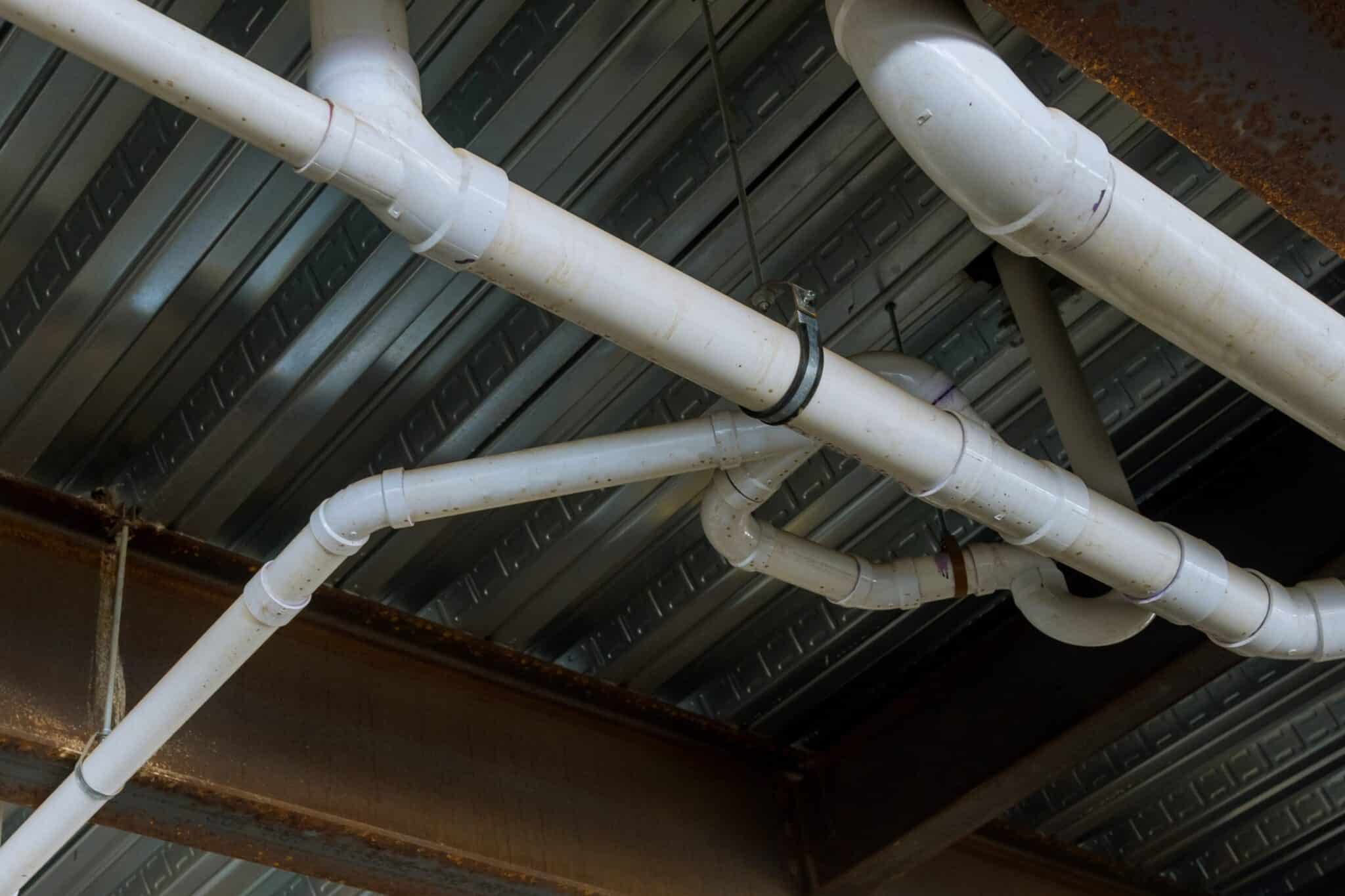
Common Types of Pipe Hangers and Supports
Several types of pipe hangers and supports are available, each designed for specific materials and applications. Adjustable clevis hangers work well for horizontal runs, providing solid support and easy installation. Plastic pipes often use cushioned clamps to prevent damage and maintain proper pipe hanger spacing. In Waxahachie, inspectors look for these approved supports to ensure every line is secure.
Strap hangers are common for copper and smaller diameter pipes. They wrap around the pipe, holding it firmly while allowing slight movement for expansion. This flexibility is essential for maintaining correct pipe hanger spacing and avoiding stress on joints. Reliable support like this helps prevent leaks and keeps your plumbing quiet.
For vertical runs, riser clamps are the preferred option. These clamps grip the pipe at each floor level, distributing weight evenly and reducing strain. Using the right hanger type ensures your pipe hanger spacing stays consistent, even in tall structures. Mansfield homes benefit from this approach, especially in multi-story buildings.
Spring hangers are another solution for areas exposed to vibration or movement. They absorb shocks and keep pipes from rattling during equipment operation. Proper pipe hanger spacing with these supports helps maintain system integrity and comfort. Bahama Plumbing selects the best hanger for each situation, ensuring your plumbing performs at its best.
Pipe Materials and Their Spacing Requirements
Different pipe materials have unique pipe hanger spacing requirements that inspectors in Waxahachie and Mansfield check closely. For steel pipes, hangers are typically placed every six to ten feet, depending on the pipe diameter. Copper pipes need support every five to six feet to prevent sagging and stress on joints. Plastic pipes, such as PVC or CPVC, require hangers every three to four feet because they are more flexible.
Each material reacts differently to temperature changes, so proper pipe hanger spacing helps manage expansion and contraction. Metal pipes can expand with heat, so secure but flexible hangers are important to avoid noise and movement. Plastic pipes are sensitive to temperature shifts and need closer supports to prevent bowing or warping. Inspectors look for these details to ensure your plumbing system stays safe and efficient.
When installing mixed materials, follow the strictest pipe hanger spacing rule for the most flexible pipe in the system. This approach prevents weak points and ensures even support throughout the run. For example, if copper and plastic pipes share a space, use the closer spacing required for plastic. Bahama Plumbing always checks these guidelines to maintain code compliance and system longevity.
Consistent pipe hanger spacing keeps your lines secure and protects your investment over time. By following the correct requirements for each material, you reduce the risk of leaks or structural damage. Proper support also minimizes noise and vibration, creating a quieter home. Trust Bahama Plumbing to apply these standards for reliable and long-lasting plumbing in every project.
Pipe Hanger Spacing Guidelines for Inspectors
Inspectors rely on clear pipe hanger spacing guidelines to assess plumbing systems in both Waxahachie and Mansfield. They check for consistent support along every run, looking for hangers placed at correct intervals. Missing or misplaced hangers can lead to failed inspections and future plumbing issues. Proper spacing ensures each pipe stays secure and functions as intended.
During inspections, professionals look for approved hanger types and correct installation methods. They verify that pipe hanger spacing matches local codes and manufacturer recommendations. Inspectors also check for signs of stress or sagging that result from improper support. Attention to these details helps prevent leaks, noise, and costly repairs.
Pipe hanger spacing guidelines also address changes in direction and pipe joints. Inspectors expect hangers near elbows, tees, and valves to prevent movement at these critical points. Secure support at every transition keeps the plumbing system stable and reduces the risk of joint failure. These measures help maintain a safe, efficient home.
Bahama Plumbing follows all pipe hanger spacing rules that inspectors check during every project. Our team ensures hangers are spaced correctly and installed with precision. This commitment to quality helps you pass inspections and avoid future problems. Trust our expertise to keep your plumbing system reliable and up to code.
How Incorrect Spacing Causes Sag and Noise
Incorrect pipe hanger spacing can lead to serious problems in your plumbing system. When hangers are too far apart, pipes may begin to sag between supports. Sagging pipes put extra stress on joints and connections, increasing the risk of leaks. Over time, this can cause water damage and costly repairs in homes across Mansfield.
Noise is another common issue caused by improper pipe hanger spacing. Unsupported pipes can vibrate or move when water flows through them, creating loud banging or rattling sounds. These noises are not only annoying but may also signal potential problems. Proper support helps keep your plumbing system quiet and secure.
In Waxahachie, inspectors often find that incorrect spacing causes pipes to rub against nearby surfaces. This friction can wear away at the pipe material, eventually leading to cracks or holes. Even small movements can weaken your plumbing over time, especially with frequent temperature changes. Consistent pipe hanger spacing prevents these issues and keeps your system strong.
Bahama Plumbing pays close attention to pipe hanger spacing to avoid sag and noise problems. Our team ensures every pipe is supported at the right intervals for its material and size. This careful approach protects your home from leaks, damage, and disruptive sounds. Trust us to keep your plumbing system safe and dependable for years to come.

Best Practices for Installing Pipe Hangers
Installing pipe hangers correctly starts with careful planning and measurement. Always lay out your pipe runs and mark hanger locations before beginning installation. This step ensures consistent pipe hanger spacing and reduces the risk of errors. Proper planning helps you meet code requirements and avoid future adjustments.
Use the right tools and hardware for each type of pipe and hanger. Secure hangers tightly, but allow for slight movement to accommodate expansion. Avoid overtightening, which can damage pipes or restrict natural movement. Following these best practices helps maintain proper pipe hanger spacing and system integrity.
Check that hangers are level and aligned with the pipe’s path. Misaligned supports can cause uneven pressure and stress on connections. Take extra care at elbows, tees, and valves, where movement is most likely. Inspectors in Mansfield often focus on these critical points during evaluations.
After installation, inspect your work for secure fittings and correct pipe hanger spacing. Look for any signs of sagging or loose supports. In Waxahachie, regular maintenance checks help catch small issues early. Bahama Plumbing recommends routine inspections to keep your plumbing system strong and reliable.
Pipe Hanger Spacing for Residential vs. Commercial Plumbing
Pipe hanger spacing requirements can differ between residential and commercial plumbing systems. In homes, runs are typically shorter and have fewer heavy fixtures. This allows for wider spacing, but support at key points remains essential. Inspectors in Waxahachie check that even small residential systems meet code for safety and performance.
Commercial plumbing systems often feature longer pipe runs and larger diameters. These setups demand closer pipe hanger spacing to handle the extra weight and prevent sagging. More frequent supports are also needed where equipment or high water pressure is present. Local codes in Mansfield reflect these differences to ensure reliable operation in every building.
Special considerations apply to commercial projects with multiple stories or complex layouts. Vertical runs require riser clamps at each floor, while horizontal lines need consistent hangers throughout. Proper pipe hanger spacing is critical to prevent structural strain and minimize noise in busy environments. Inspectors look for these details during commercial inspections to maintain safety.
Bahama Plumbing adapts pipe hanger spacing methods for each project, whether residential or commercial. Our team evaluates pipe type, length, and building use before installation begins. This careful approach ensures every system meets local codes and inspection standards. You can trust us to protect your plumbing investment, no matter the project’s size or complexity.
Inspection Checklist for Pipe Hanger Spacing
A thorough inspection checklist helps ensure pipe hanger spacing meets code and protects your plumbing system. Inspectors begin by checking hanger placement along every pipe run, looking for consistent intervals and secure attachment. They verify that each hanger matches the pipe material and supports the correct weight. In Waxahachie, attention to these details can make the difference during an inspection.
Inspectors also examine hanger positions near elbows, tees, and valves, where movement is most likely. Proper pipe hanger spacing at these transition points prevents joint stress and potential leaks. They look for signs of sagging or pipes touching nearby surfaces, which could cause damage over time. Ensuring these areas are well supported keeps your system safe and efficient.
During the inspection, professionals confirm that all hangers are level and properly aligned with the pipe’s path. Misaligned supports can cause uneven pressure and lead to premature wear. Inspectors in Mansfield check for overtightened or loose hangers, making sure every fitting holds the pipe securely. They also ensure there is room for expansion without restricting movement.
The final step includes reviewing the entire system for overall stability and noise prevention. Inspectors listen for rattling or vibration that might signal improper pipe hanger spacing. They recommend adjustments if any issues are found, helping you avoid future repairs. Bahama Plumbing follows this comprehensive checklist to guarantee your plumbing passes inspection and remains dependable.
Frequently Asked Questions
What are the basic pipe hanger spacing rules inspectors look for?
Inspectors check that pipe hanger spacing follows codes based on material and pipe size. Proper spacing prevents sagging, vibration, and unwanted noise. They also verify hangers support pipes at regular intervals and near joints. Consistent pipe hanger spacing helps ensure long-lasting and safe plumbing installations.
How does pipe material affect pipe hanger spacing requirements?
Pipe material directly impacts pipe hanger spacing because different materials have unique weight and flexibility. Heavier pipes like steel require closer hanger placement to prevent sagging. Lighter materials such as PVC allow for wider pipe hanger spacing without risking support issues. Inspectors look for these differences to ensure each pipe type receives proper support throughout the system.
What is the standard pipe hanger spacing for copper pipes?
For copper pipes, inspectors typically look for pipe hanger spacing of about six to eight feet between supports. This standard prevents sagging and helps maintain a straight, secure line throughout the system. Proper pipe hanger spacing also reduces vibration and minimizes noise in copper plumbing. Always ensure hangers are placed near joints and changes in direction for optimal support.
How often should pipe hanger spacing be checked during installation?
Inspectors recommend checking pipe hanger spacing at every stage of installation to catch issues early. Frequent inspections ensure hangers remain evenly spaced and securely fastened. Consistent monitoring helps prevent future sagging, noise, or pipe movement. By reviewing pipe hanger spacing regularly, you maintain a safe and reliable plumbing system throughout the project.
Are there exceptions to pipe hanger spacing rules for vertical pipes?
Vertical pipes often have different pipe hanger spacing rules because gravity affects them differently than horizontal lines. Inspectors usually require closer hanger placement at each floor or structural support to prevent movement. These exceptions help secure the pipe and minimize noise or shifting over time. Always check local codes, as vertical pipe hanger spacing can vary depending on building requirements and pipe material.