


Understanding laundry standpipe height is essential for homeowners and professionals in Mansfield and Waxahachie. Proper installation ensures your washing machine drains efficiently and meets local plumbing codes. If the standpipe is too short or too tall, it can cause drainage issues or even inspection failures. Knowing the correct height can save you time, money, and frustration during your next project.
Plumbing codes specify certain requirements for laundry standpipe height to prevent backflow and maintain sanitary conditions. These codes also outline where to place the trap and how to vent the system properly. Homeowners often overlook these details, leading to costly mistakes or failed inspections. By following the rules, you help protect your home and plumbing system.
The right laundry standpipe height helps prevent water from overflowing or siphoning out of the trap. This simple detail can make a big difference in how your laundry area functions. Local inspectors in Mansfield and Waxahachie pay close attention to these measurements during their evaluations. Ensuring compliance not only passes inspection but also keeps your laundry routine running smoothly.
Many homeowners feel confused about the exact requirements for laundry standpipe height, trap placement, and venting. Each element plays a role in keeping your plumbing safe and effective. In this article, you’ll find clear guidance on meeting code and passing inspections. With the right information, you can approach your next plumbing project with confidence.
Understanding Laundry Standpipe Height Requirements
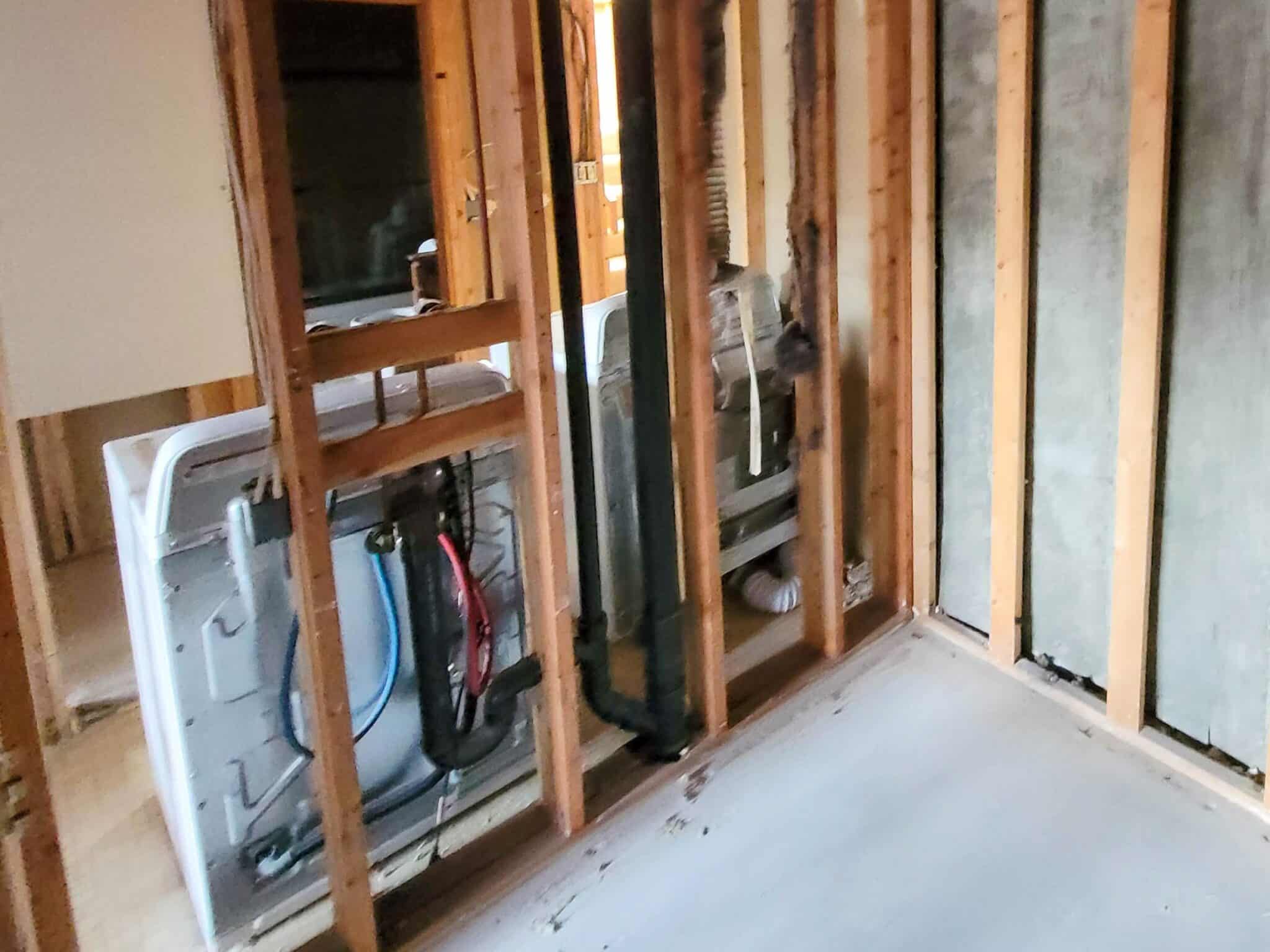
Laundry standpipe height requirements are set by plumbing codes to ensure proper drainage and prevent issues like backflow. In most cases, the standpipe should be between 18 and 30 inches above the trap. This height allows your washing machine to drain efficiently without causing overflow or siphoning problems. Local inspectors in Mansfield will check these measurements during the inspection process.
Correct trap placement is also essential for a compliant laundry standpipe installation. The trap must be located no more than 12 to 18 inches below the standpipe opening. This setup helps keep sewer gases from entering your home and ensures the water seal stays intact. A properly placed trap is a key factor in passing inspections in Waxahachie.
Venting is another important part of meeting height rules. The vent should connect within five feet of the trap to maintain proper airflow and drainage. Without a vent, negative pressure can pull water from the trap, breaking the seal and allowing odors into your laundry area. Proper venting supports the function and safety of your entire plumbing system.
By following these guidelines for laundry standpipe height, trap placement, and venting, you help ensure code compliance. Accurate measurements and correct installation prevent drainage issues and inspection failures. Homeowners who pay attention to these details enjoy a more reliable and efficient laundry space. Understanding these requirements brings peace of mind and protects your home investment.
National Plumbing Code Standards Explained
National plumbing codes provide clear guidelines for laundry standpipe height to ensure safe and effective drainage. These standards require the standpipe to be tall enough to prevent overflow, but not so high that siphoning occurs. Inspectors in Mansfield rely on these codes to check installations during home inspections. By meeting these requirements, you avoid common drainage problems and pass inspections with ease.
The Uniform Plumbing Code and International Residential Code both address laundry standpipe height and related installation details. They specify the minimum and maximum heights allowed for the standpipe above the trap. These codes also outline the correct distance between the trap and the vent connection. Following these rules helps maintain a healthy and functional plumbing system.
Proper venting is a key part of the national standards for laundry standpipe installations. The vent must be close enough to the trap to prevent negative pressure and keep the water seal intact. This placement helps block sewer gases from entering your home and supports smooth drainage. Waxahachie inspectors will look for this detail during their evaluations.
Adhering to national code standards for laundry standpipe height protects your home and keeps your laundry area running smoothly. Accurate measurements and correct installation techniques are essential for long-term performance. Homeowners who follow these rules avoid costly repairs and inspection failures. With the right approach, you create a safer and more reliable plumbing system.
Trap Placement and Its Importance
Trap placement plays a crucial role in meeting laundry standpipe height requirements and ensuring your plumbing system works correctly. The trap must sit just below the standpipe opening to keep a water barrier in place. This barrier blocks sewer gases from entering your home and maintains a healthy environment. In Mansfield, inspectors check that the trap is positioned within the allowed distance for code compliance.
Proper trap placement prevents water from siphoning out of the standpipe, which can lead to unpleasant odors and drainage issues. If the trap is too far from the standpipe, the water seal may break and allow gases to escape. Keeping the trap close ensures the laundry standpipe functions as intended and maintains system integrity. Homeowners in Waxahachie benefit from careful trap installation during laundry room upgrades.
The relationship between trap placement and venting is also important for efficient drainage. Vents should connect within five feet of the trap to balance air pressure and prevent negative pressure. This setup helps maintain the water seal and supports optimal laundry standpipe height performance. Proper venting and trap placement work together to keep your plumbing safe and reliable.
Attention to these details during installation helps avoid common inspection failures and future plumbing problems. By understanding the importance of trap placement, you ensure your laundry standpipe height meets all local and national standards. Accurate installation protects your home from sewer gases and drainage issues. A well-placed trap is a small detail that makes a big difference in everyday comfort and safety.
Proper Venting for Laundry Standpipes
Proper venting is essential for maintaining the correct laundry standpipe height and ensuring your plumbing system works efficiently. Without adequate venting, water can siphon from the trap, breaking the seal and allowing unpleasant odors into your laundry area. Vent pipes allow air to flow freely, which helps maintain consistent drainage and prevents pressure imbalances. Homeowners in Mansfield should always verify that venting meets local code requirements during installation.
A vent must connect within five feet of the trap to ensure the laundry standpipe height functions as intended. This connection keeps the water barrier in place and supports efficient water flow from your washing machine. If the vent is too far away, negative pressure can develop and compromise the system. Inspectors in Waxahachie look for proper vent placement when evaluating laundry standpipe installations.
The right venting setup also protects your home from sewer gases and potential drainage issues. When vent pipes are installed correctly, they prevent blockages and reduce the risk of water backing up in the standpipe. This extra layer of protection helps maintain a healthy and comfortable laundry space for your family. Following venting guidelines is just as important as getting the height right.
Combining accurate laundry standpipe height with proper venting ensures your plumbing system passes inspections and operates smoothly. Attention to these details during installation prevents costly repairs and future headaches. Homeowners who follow best practices enjoy reliable drainage and peace of mind. Taking the time to understand venting requirements is a smart investment in your home’s safety and value.
Common Inspection Failures and How to Avoid Them
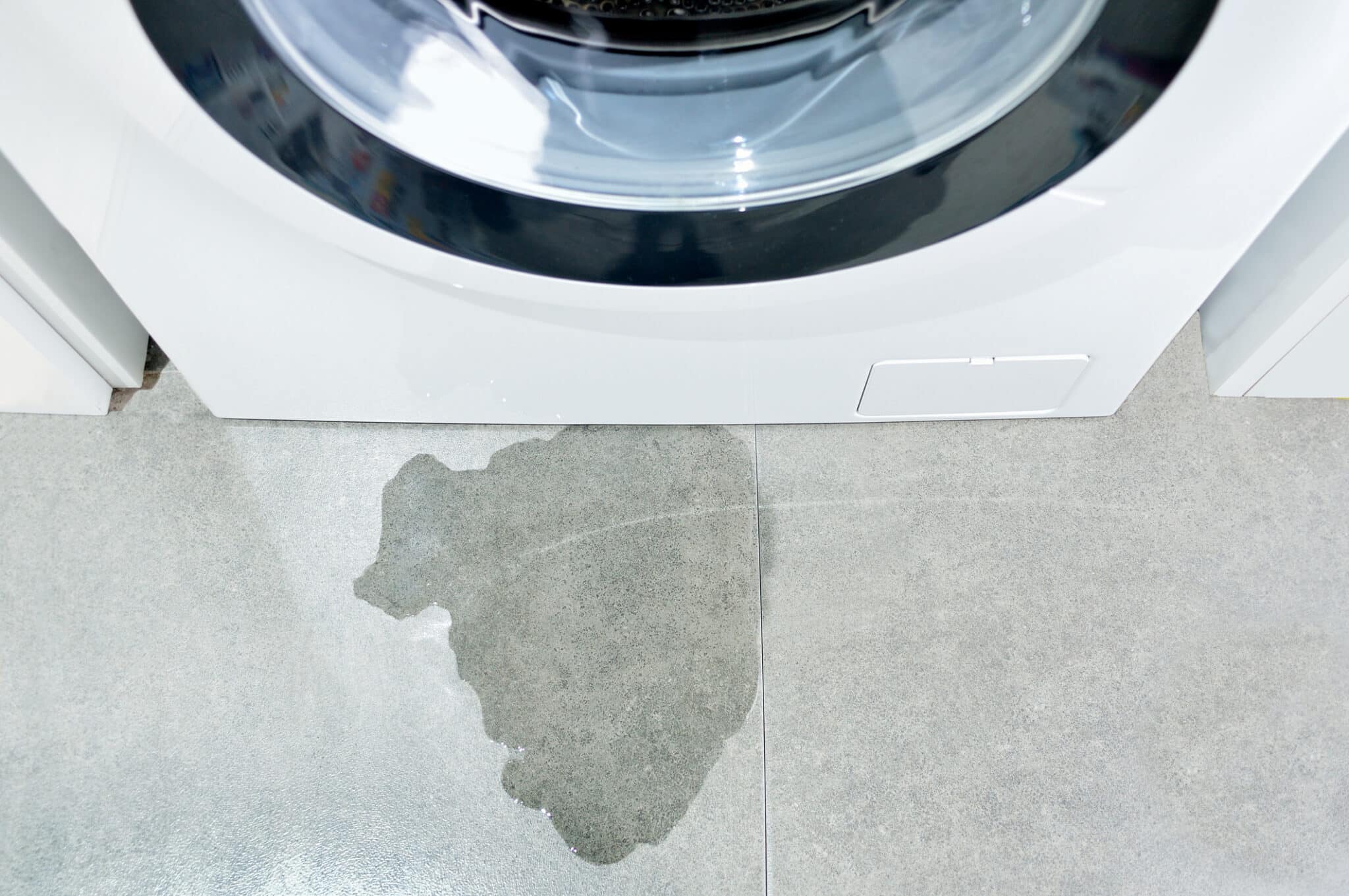
Many inspection failures stem from incorrect laundry standpipe height or improper trap and vent placement. Inspectors in Mansfield often find standpipes that fall outside the required 18 to 30-inch range. This mistake can lead to drainage issues or even cause your washing machine to overflow. Double-checking measurements before installation helps avoid these common errors.
Another frequent problem is placing the trap too far from the standpipe opening. When the trap sits beyond the allowed distance, it can’t maintain a proper water seal. This issue may result in sewer gases entering your home, which inspectors in Waxahachie look for during evaluations. Always position the trap close to the standpipe to keep your system compliant.
Improper venting is also a leading cause of inspection failures in laundry rooms. If the vent is not connected within five feet of the trap, negative pressure may develop. This can break the water seal and allow unpleasant odors to escape into your living space. Following venting guidelines helps maintain the correct laundry standpipe height and system integrity.
To avoid these inspection pitfalls, follow local codes for laundry standpipe height, trap placement, and venting. Use a tape measure to confirm all measurements before securing pipes. Review code requirements for your area and consult a professional if you have questions. Careful planning ensures your laundry setup works smoothly and passes inspection the first time.
Laundry Standpipe Height: Local Code Variations
Local plumbing codes may have slight variations when it comes to laundry standpipe height, even between nearby cities. For example, inspectors in Mansfield may enforce the minimum and maximum standpipe heights more strictly. Waxahachie might have additional guidelines for venting or trap placement, depending on recent code updates. Always check with your city’s building department before starting any laundry plumbing project.
Laundry standpipe height rules are based on national codes but may be adjusted to fit local conditions. Some areas require extra backflow prevention or specific materials for standpipes and vents. These small differences can affect whether your installation passes inspection. Staying informed about local requirements helps you avoid costly mistakes.
It’s important to verify laundry standpipe height and related code details for your specific location. Local inspectors will measure standpipe height and check trap and vent placement during their visit. Even a small deviation from the code can lead to inspection failure. Taking time to review city-specific rules makes your installation process smoother.
If you’re unsure about the exact height requirements in your area, consult a licensed plumber. Experienced professionals are familiar with both national and local codes. They can help you navigate any unique regulations in Mansfield or Waxahachie. This approach ensures your laundry plumbing is safe, compliant, and ready for inspection.
Tips for Measuring and Installing Standpipes
Measuring laundry standpipe height accurately is the first step toward a code-compliant installation. Use a tape measure to check that the standpipe is between 18 and 30 inches above the trap. Mark the correct height on the wall before cutting or assembling any pipes. This preparation helps prevent errors that could lead to inspection issues in Mansfield.
When installing the standpipe, ensure it is vertical and securely supported. A level can help you check for straightness during assembly. Secure the standpipe to a wall stud or framing to prevent movement over time. Proper support keeps the laundry consistent and reliable through daily use.
Next, position the trap within 12 to 18 inches below the standpipe opening. Double-check this distance to maintain the required water seal. Connect the vent pipe within five feet of the trap to support proper drainage. Following these steps helps your laundry standpipe height meet code in Waxahachie.
Test the system before closing any walls or finishing the laundry area. Run water through the washing machine drain cycle and watch for leaks or slow drainage. Confirm that water stays in the trap and no odors escape. Careful installation ensures your laundry standpipe height will pass inspection and function efficiently for years.
Laundry Standpipe Height Mistakes to Avoid
Avoiding common mistakes is key to a successful laundry standpipe height installation. One frequent error is setting the standpipe too low or too high. This can cause water to overflow or siphon from the trap, leading to drainage issues. Always measure carefully to ensure the standpipe falls within the approved range.
Another mistake is improper trap placement, which can break the water seal and allow sewer gases into your home. The trap should sit just below the standpipe opening, within the specified distance. Failing to meet this requirement often results in failed inspections in Mansfield. Double-check measurements before securing the trap in place.
Incorrect venting also causes problems with laundry standpipe height compliance. Placing the vent too far from the trap can create negative pressure and drainage issues. The vent must connect within five feet to maintain proper airflow. Inspectors in Waxahachie look for this detail during their evaluations.
Neglecting to support the standpipe securely can lead to movement and leaks over time. Use proper brackets or straps to keep the standpipe stable. A loose or tilted standpipe may not maintain the required height, causing future problems. Careful attention during installation helps your laundry system pass inspection and work reliably.
Frequently Asked Questions
What is the required laundry standpipe height for inspections?
The required height for inspections usually ranges from 18 to 30 inches above the finished floor. This height helps prevent overflow and ensures proper drainage during washing machine cycles. Plumbers must also position the trap within 6 to 18 inches from the floor for code compliance. Proper venting above the trap is essential for smooth water flow and to avoid sewer gas issues.
How do I measure laundry standpipe height correctly?
To measure standpipe height, place your tape measure at the finished floor and extend it upward to the top opening. Make sure you record the vertical distance, not any angled or curved sections of pipe. Double-check that the height falls within the approved height range for inspections. Accurate measurement ensures your installation meets local plumbing codes and passes inspection.
What are common code violations for standpipe height?
Common code violations include installing a laundry standpipe height below 18 inches or above 30 inches from the finished floor. Placing the trap too far from the floor or skipping venting also causes inspection failures. Using an incorrect diameter for the standpipe can restrict water flow and trigger drainage problems.
Can the standpipe be too tall or too short?
A standpipe that is too tall or too short will not meet approved laundry standpipe height requirements for inspections. An overly short standpipe risks water overflow during washing cycles, which can damage floors and walls. If the standpipe is too tall, the washing machine pump may struggle to drain properly, causing slow drainage or backups.
Are there local variations in standpipe height requirements?
Local plumbing codes may set specific laundry standpipe height rules that differ from general guidelines. Always check with Mansfield’s building department to confirm the approved height for your installation. Inspectors may require adjustments to height based on regional standards or unique home layouts. Staying informed about local code variations helps ensure your standpipe passes inspection and functions properly.