


Laundry box install projects can seem straightforward, but small mistakes often lead to bigger plumbing problems down the line. Many Kennedale homeowners take on these installations, hoping to save time and money. However, understanding the correct placement and plumbing is essential for a successful outcome. A well-executed laundry box install will keep your laundry area safe and up to code.
Proper support and secure stubouts are vital for a reliable laundry box install. Skipping these steps may cause leaks or even structural issues. In Mansfield, professional plumbers often see DIY jobs that miss these important details. Learning the right techniques helps prevent future headaches and costly repairs.
Local building codes exist for a reason, especially when it comes to plumbing installations. Following them during your laundry box install keeps your home protected and ensures everything functions smoothly. Plumbing codes also help prevent water damage and mold growth. Paying attention to these rules saves time and stress in the long run.
If you’re considering a laundry box install, preparation is the key to success. Take the time to plan your placement and supports carefully. Ensuring everything is up to code will give you peace of mind. With the right approach, your laundry area will be both functional and safe.
Common Laundry Box Install Mistakes in Kennedale
Many homeowners in Kennedale make the mistake of placing their laundry box install too close to electrical outlets or appliances. This can create safety hazards and make future repairs more difficult. Always leave enough space around the box for easy access and maintenance. Careful planning helps avoid these common placement errors.
Another frequent issue is failing to support the laundry box install properly within the wall cavity. Without sturdy backing, the box may shift or become loose over time. Using wood blocking or metal brackets keeps the box secure and stable. This extra step protects your plumbing connections from unnecessary strain.
Improperly installed stubouts are another problem seen during laundry box install projects in Mansfield homes. Stubouts that are crooked or poorly anchored can cause leaks and water damage. Ensure pipes are straight and supported to prevent movement. Taking time to double-check alignment pays off in the long run.
Ignoring local plumbing codes is a mistake that often leads to costly corrections later. Every laundry box install must meet code requirements for pipe size, venting, and drainage. Skipping code compliance can result in inspection failures or insurance issues. Following regulations from the start ensures your installation is safe and reliable.
Choosing the Right Location for Your Laundry Box
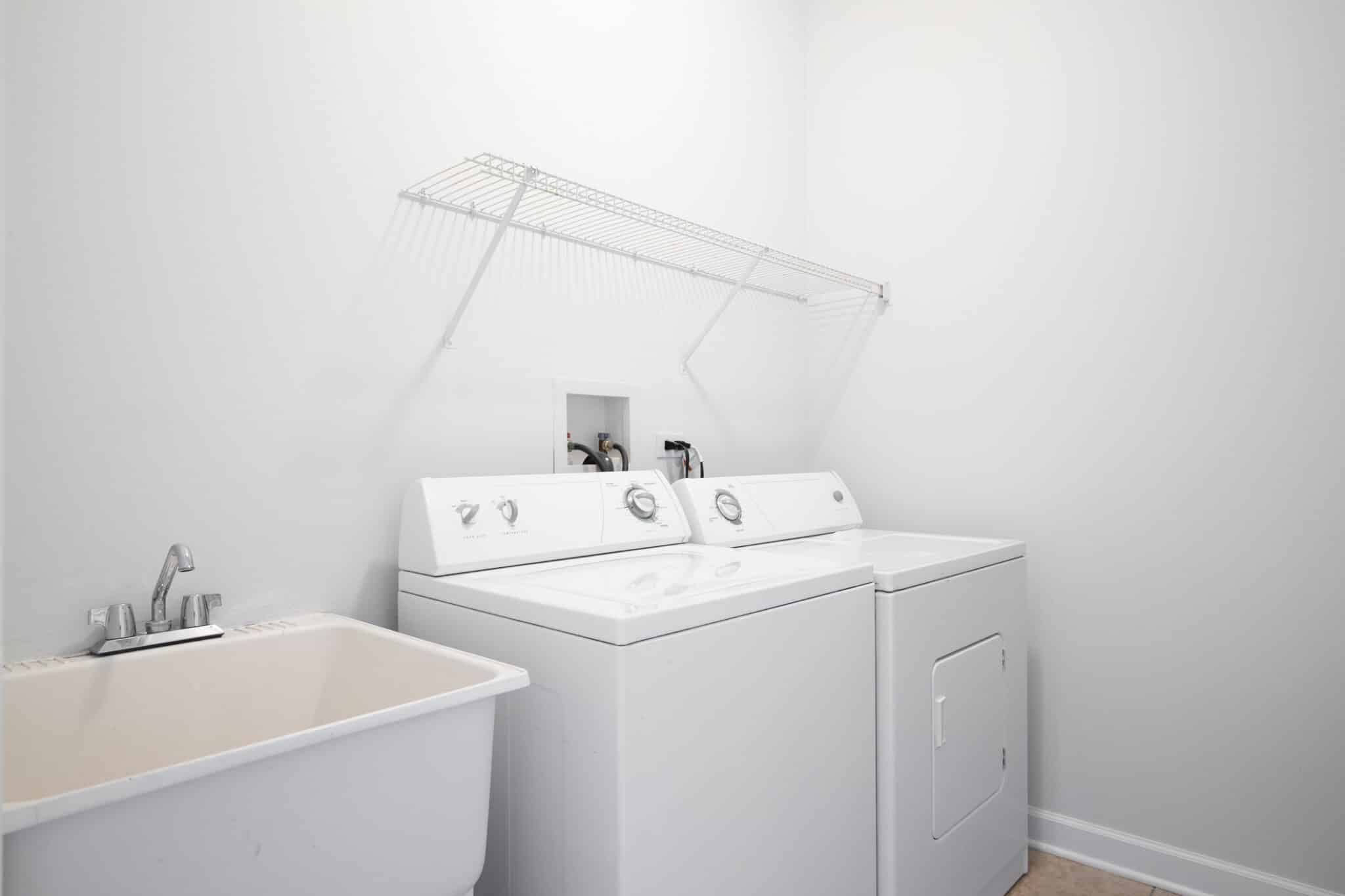
Selecting the right spot for your laundry box install is crucial for both function and compliance. Start by locating a section of wall with enough depth to house the box securely. Avoid exterior walls in Kennedale homes, as these can expose pipes to freezing temperatures. Choose an interior wall near existing water lines for easier plumbing connections.
Think about future access when planning your laundry box install. Make sure the box will not be blocked by appliances or shelving. Good accessibility allows for simple repairs and maintenance over time. In Mansfield, this foresight can save you from unnecessary drywall removal or complicated fixes.
Consider the height of your laundry box install to match your washer’s hose connections. Placing the box too high or low can create kinks in hoses and stress on fittings. Aim for a comfortable reach that suits most standard machines. Proper height also helps prevent accidental disconnections during laundry tasks.
Check for hidden obstacles inside the wall before starting your laundry box install. Electrical wires, studs, or HVAC ducts can interfere with your plans. Use a stud finder and inspect thoroughly to avoid costly mistakes. Careful preparation ensures a smooth and code-compliant installation every time.
Laundry Box Install: Meeting Local Plumbing Codes
Meeting local plumbing codes is essential for a successful laundry box install. Codes exist to protect your home from leaks, flooding, and unsafe conditions. In Kennedale, inspectors look for proper pipe sizing, venting, and approved materials during installation. Always review the requirements before starting to avoid costly mistakes.
Proper venting is often overlooked during a laundry box install. Without correct vent placement, drains may clog or produce unpleasant odors. Vent pipes should connect to the main system as specified by code. This keeps your laundry area functioning efficiently and prevents future plumbing issues.
Drainage is another important aspect of a code-compliant laundry box install. The drain line must slope correctly to ensure smooth water flow. In Mansfield, failing to meet this standard can lead to slow drains or backups. Double-check all connections and slopes before finishing your wall.
Use only approved materials and fittings for every laundry box install. Local codes specify which pipes and connectors are safe for water supply and drainage. Secure all fittings tightly to prevent leaks and ensure long-term reliability. Following these guidelines protects your home and passes inspection with ease.
Properly Supporting Laundry Boxes and Stubouts
Proper support is a key factor in any laundry box install. Without a sturdy backing, the box may shift or pull away from the wall over time. Secure the box using wood blocking or metal brackets to keep it stable. This extra effort prevents stress on the plumbing connections and helps avoid leaks.
Stubouts must also be anchored firmly during your laundry box install. Loose or crooked pipes can cause water damage and make future repairs difficult. Ensure each stubout is straight and supported within the wall cavity. Proper alignment keeps your plumbing system reliable and up to code.
Homeowners in Kennedale sometimes overlook these support steps, leading to costly mistakes later. Take time to double-check the box and stubouts before closing up the wall. A secure laundry box install will stand up to daily use and protect your home. Careful installation now saves time and money in the future.
In Mansfield, professional plumbers often see issues from unsupported laundry boxes and pipes. Avoid these problems by following best practices for every laundry box install. Use quality materials and check all fasteners for a tight fit. A well-supported system ensures your laundry area stays safe and functional for years.
Avoiding Drainage and Venting Issues
Drainage and venting problems can undermine even the best laundry box install. Many DIYers in Kennedale overlook the importance of proper pipe slope and vent connections. Without the right slope, water may drain slowly or back up into your laundry area. Always check that the drain line drops at least a quarter inch per foot.
A well-planned laundry box install includes a vent that allows air to flow freely through the pipes. Without adequate venting, you might notice gurgling sounds or slow draining water. This happens when air cannot escape, causing pressure changes in the plumbing system. Connecting the vent to your main stack helps prevent these issues.
In Mansfield, homeowners sometimes use undersized pipes or improper fittings during their laundry box install. These shortcuts can cause clogs or leaks down the road. Always select the correct pipe size and use approved materials for both drainage and venting. Double-check connections before sealing the wall to catch any mistakes early.
Taking the time to get drainage and venting right ensures your laundry box install works smoothly for years. Good planning keeps your laundry area free from water damage and unpleasant odors. If you encounter challenges, consult a local plumbing expert for guidance. A professional approach guarantees a safe and code-compliant installation.
Laundry Box Install: Tools and Materials Needed
Gathering the right tools and materials is crucial for a smooth laundry box install. Start with a measuring tape, level, and stud finder to plan your placement accurately. You’ll also need a saw, drill, and screwdriver for cutting and securing the box in the wall. Having these tools ready makes the installation process more efficient and precise.
For a code-compliant laundry box install, select approved pipes, fittings, and connectors. Use PEX, copper, or CPVC pipes based on local code requirements in Kennedale. Secure wood blocking or metal brackets will provide the necessary support for the box. Always have pipe insulation on hand to protect against temperature changes and potential freezing.
Pipe cement, plumber’s tape, and quality pipe straps are essential for leak-free connections during your laundry box install. These materials help create watertight seals and keep pipes firmly in place. Don’t forget a pipe cutter and deburring tool to ensure clean, smooth pipe ends. Proper preparation with the right materials reduces the risk of future leaks.
Before starting your laundry box install in Mansfield, double-check your supply list to avoid missing any essential items. Gather all tools and materials in your work area for easy access. This organization helps you work efficiently and reduces installation errors. A well-prepared approach sets the stage for a successful, long-lasting laundry area.
Step-by-Step Guide to a Successful Laundry Box Install
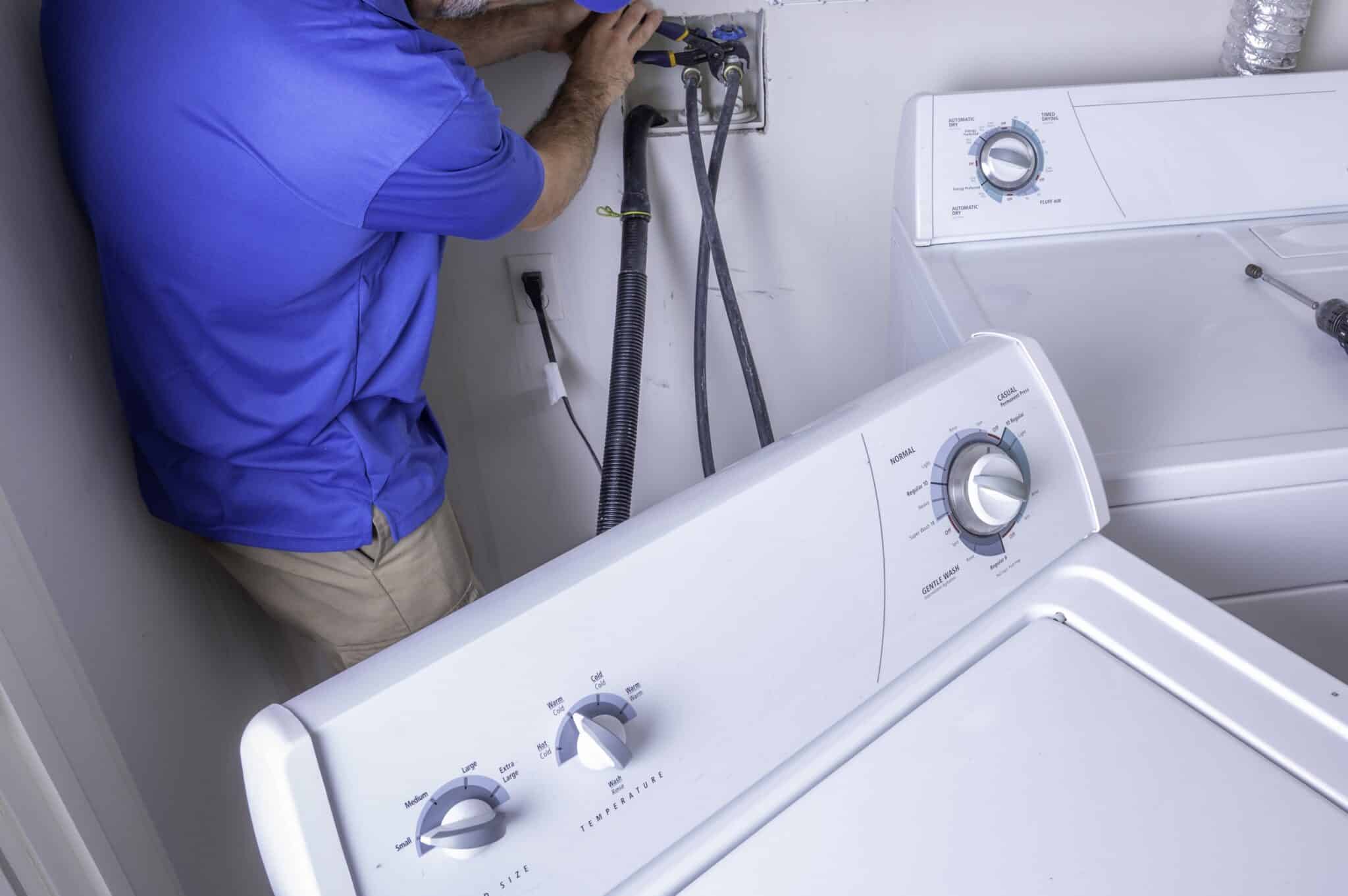
Begin your laundry box install by marking the wall where you want the box to go. Use a level to draw clear lines, ensuring the box will sit straight. Cut the opening carefully, avoiding any existing wiring or pipes behind the wall. This careful start helps prevent unexpected problems during your project.
Next, install sturdy wood blocking or metal brackets inside the wall cavity. These supports will hold the laundry box firmly in place and prevent future movement. Secure the box to the blocking, making sure it sits flush with the wall surface. A stable installation protects your plumbing connections from unnecessary strain.
Connect the hot and cold water lines to the laundry box using approved fittings and pipe materials. Follow local plumbing codes for Mansfield to ensure your work meets inspection standards. Attach the drain line with the correct slope for proper water flow. Double-check all connections for leaks before closing up the wall.
Finally, insulate any exposed pipes to protect against temperature changes, especially in areas prone to freezing. Test the laundry box install by running water through both supply lines and the drain. Look for any leaks or loose fittings and address them immediately. With these steps, your laundry area will be safe, functional, and built to last.
Testing for Leaks and Ensuring Long-Term Durability
After completing your laundry box install, it’s important to check for leaks before closing the wall. Turn on both the hot and cold water lines and observe each connection closely. Watch for any drips or moisture forming around the fittings and stubouts. Catching leaks early prevents water damage and costly repairs in your laundry area.
Use a dry cloth to wipe around each joint and fitting during your inspection. Even a small amount of water can signal a loose connection or faulty seal. Tighten any fittings as needed and recheck for leaks. This careful approach ensures your laundry box install remains watertight and reliable.
In Kennedale, homeowners sometimes overlook testing the drain line during installation. Fill the washer with water and let it drain fully through the new box. Listen for gurgling or slow drainage, which could mean venting or slope issues. Addressing these problems now will keep your plumbing system trouble-free.
For long-term durability, consider insulating all exposed pipes and fittings after your laundry box install. Insulation protects against temperature swings and reduces the risk of frozen pipes in colder months. In Mansfield, this extra step helps extend the life of your plumbing. With thorough testing and proper insulation, your laundry area will stay safe and efficient for years.
Frequently Asked Questions
What common mistakes happen during laundry box install?
Many homeowners overlook proper placement during laundry box install, leading to awkward hose connections or restricted access later. Failing to secure supports can cause movement and leaks over time, creating water damage risks. Some DIYers ignore local plumbing codes, which may result in costly corrections or failed inspections. Additionally, improper alignment of stubouts often causes drainage issues and complicates future repairs.
How do I properly secure a laundry box install?
Begin by attaching the laundry box firmly to wall studs using approved brackets or fasteners for a stable laundry box install. Always check that the box sits level and flush with the finished wall surface to prevent future movement. Secure all water supply lines and drain stubouts to prevent shifting or leaks during use. Finally, double-check connections for tightness and follow local plumbing codes to ensure a lasting, problem-free laundry box install.
What tools are needed for installing a laundry box?
For a successful laundry box install, gather a level, tape measure, stud finder, and drill for accurate placement and mounting. Pipe cutter and adjustable wrench help with connecting supply lines and drain pipes securely. Use a screwdriver and utility knife to finish adjustments and clean up wall openings as needed. With the right tools, your laundry box install will meet code and function properly for years.
How high should a laundry box be installed on the wall?
For a proper laundry box install, position the box about 42 inches from the floor to the center of the box. This height keeps hose connections accessible while allowing enough space for most washing machines. Always check local codes, as some areas may require a slightly different height for your laundry box install. Measuring carefully and following guidelines ensures a smooth installation and easy future maintenance.
Can improper installation cause leaks or water damage?
Improper laundry box install can lead to loose connections, resulting in leaks behind walls and hidden water damage. Over time, even small drips may cause mold, wood rot, and costly repairs. Failing to secure supports or align stubouts correctly increases the risk of movement and pipe stress. Ensuring a code-compliant laundry box install helps protect your home from unexpected plumbing issues and future expenses.