


Gas line sizing is a crucial step for any safe and efficient plumbing project. Homeowners and contractors in Mansfield, Waxahachie, and Kennedale often face questions about proper sizing. Mistakes in gas line sizing can lead to safety risks or performance issues. Understanding the basics helps prevent these problems before they start.
Every gas appliance depends on a steady, reliable flow of fuel. The right gas line sizing ensures appliances run safely and efficiently. Too small a line can cause pressure drops and malfunctions. Too large a line may be unnecessary and more costly to install.
This article covers the essentials of gas line sizing for residential and commercial projects. You’ll learn about sizing calculations, code requirements, material options, and regulator choices. Each topic is vital for a safe, code-compliant installation. Whether you are a homeowner or contractor, this guide offers practical insights.
Bahama Plumbing brings years of experience serving Mansfield and nearby communities. Our team knows the unique needs of Waxahachie and Kennedale properties. We focus on safety and efficiency in every project. Let’s explore the key factors that make gas line sizing straightforward and safe.
Understanding Gas Line Sizing Fundamentals
Gas line sizing starts with understanding how gas flows through pipes to each appliance. The amount of gas needed depends on the appliance’s input rating, measured in BTUs per hour. Plumbers in Mansfield must calculate the total demand for all connected appliances. This step ensures the main line can supply enough gas without pressure loss.
Accurate gas line sizing uses charts and tables from national fuel gas codes. These resources help determine the correct pipe diameter based on total BTUs and pipe length. Local codes in Waxahachie may have specific requirements, so always verify before starting. Following these guidelines keeps installations safe and up to code.
Materials also play a role in gas line sizing and safety. Common options include black iron, corrugated stainless steel tubing, and copper (where allowed). Each material has unique properties that affect gas flow and durability. Choosing the right type ensures a long-lasting, reliable installation for homes and businesses.
Gas pressure regulators are another key part of the system. They maintain safe, steady pressure for all appliances, especially in larger homes or commercial spaces. In Kennedale, selecting the right regulator helps prevent pressure drops and equipment issues. Proper gas line sizing and regulation work together for safe, efficient performance.
Key Math Concepts for Gas Line Sizing
Gas line sizing relies on a few simple math principles to ensure safety and efficiency. Start by adding up the total BTU load for all appliances connected to the system. This total helps determine the minimum pipe size needed for reliable gas delivery. Accurate calculations prevent pressure drops and ensure every appliance receives enough fuel.
Next, consider the length of the gas piping from the meter to the farthest appliance. Longer runs create more resistance, so larger pipe sizes may be needed to maintain pressure. Use code-approved sizing charts to match BTU demand and pipe length to the correct diameter. This step is crucial for both residential and commercial projects in Kennedale.
Different pipe materials have unique flow characteristics, which affect gas line sizing calculations. For example, corrugated stainless steel tubing may require a larger diameter than black iron for the same BTU load. Always reference manufacturer tables and local codes to select the right size for each material. This approach helps ensure a safe and compliant installation in Waxahachie.
Pressure regulators must also be factored into your gas line sizing plan. The regulator’s capacity should match or exceed the total system demand. Proper sizing prevents pressure fluctuations that can harm appliances or reduce efficiency. By combining these math concepts with careful planning, you achieve a safer, more reliable gas system.
Common Building Codes for Gas Line Installations
Building codes play a major role in gas line sizing and installation safety. Local and national codes set minimum standards for pipe sizing, materials, and installation methods. In Mansfield, inspectors check that every gas line sizing project meets these requirements before approval. Following these rules helps protect homes and businesses from leaks or unsafe conditions.
Codes often specify which materials are approved for gas line sizing in residential and commercial settings. For example, some areas allow copper, while others restrict it due to corrosion risks. Always confirm which materials local codes permit before starting a project in Waxahachie. Using approved materials ensures long-term reliability and compliance with regulations.
Gas line sizing codes also address how pipes are joined, supported, and protected from damage. Proper supports prevent sagging or stress that could lead to leaks over time. In Kennedale, codes may require specific spacing for pipe hangers and protection from physical impact. Meeting these standards keeps the entire gas system safe and durable.
Pressure regulators and shut-off valves are required by code at key points in the system. These devices help control gas flow and allow for emergency shut-off if needed. Gas line sizing calculations must account for these components to ensure proper operation. By following code requirements, you create a safer environment for everyone using gas appliances.
Choosing Materials for Gas Line Projects
Selecting the right materials is essential for proper gas line sizing and long-term safety. Black iron pipe is a traditional choice known for its strength and durability. Corrugated stainless steel tubing offers flexibility and can simplify installation in tight spaces. Each material affects gas flow, so always match your selection to the system’s sizing requirements.
In Waxahachie, local codes may limit which materials are approved for gas line sizing. Copper tubing is sometimes restricted due to potential corrosion when exposed to certain gases. Always check with local authorities before choosing a material for your project. Using approved materials ensures your installation meets safety standards and passes inspection.
Material choice also impacts how gas line sizing calculations are performed. Corrugated stainless steel tubing, for example, often requires a larger diameter than black iron for the same BTU load. Manufacturer charts provide guidance for each material type. Rely on these resources to determine the correct pipe size and maintain safe gas flow.
In Kennedale, environmental factors such as soil conditions or exposure to moisture may influence your material selection. Protective coatings or sleeves can help guard against corrosion and damage. Proper installation techniques further extend the life of your gas system. By considering all these factors, you support safe and efficient gas line sizing for every project.
Selecting the Right Gas Regulators
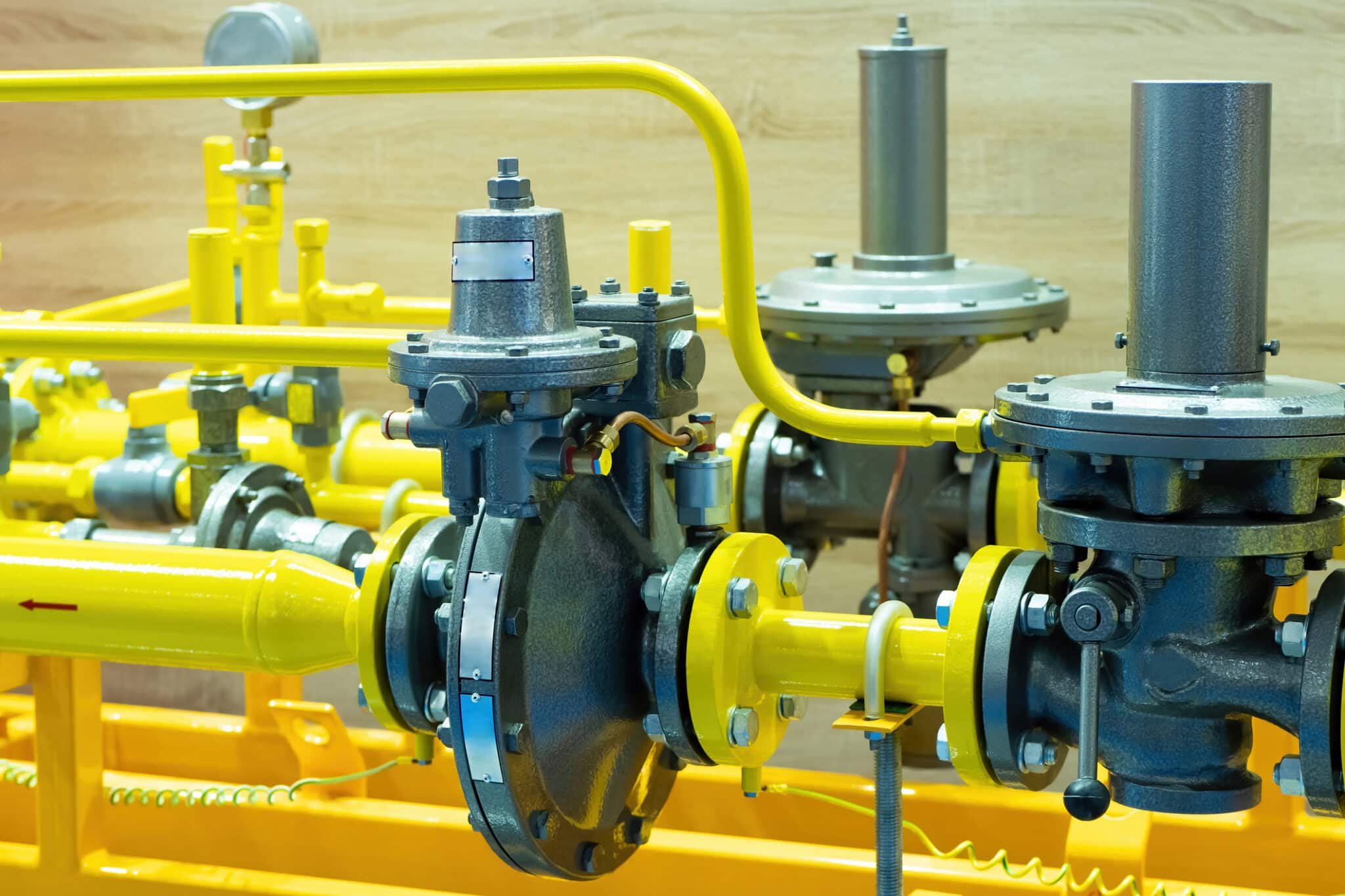
Choosing the right gas regulator is a key step in gas line sizing for any project. Regulators control the pressure delivered to each appliance, ensuring safe and steady operation. In Mansfield, proper regulator selection helps prevent issues like pressure drops or inconsistent appliance performance. Always match the regulator’s capacity to the total BTU demand of your system.
Not all regulators are the same, so consider the specific needs of your installation. For larger homes or commercial buildings in Waxahachie, a high-capacity regulator may be necessary. Smaller systems often require compact models, but both must meet manufacturer and code requirements. The right regulator supports accurate gas line sizing and reliable appliance function.
Location also matters when installing regulators as part of your gas line sizing plan. Place regulators where they are accessible for maintenance and protected from weather or damage. In Kennedale, outdoor installations may need weatherproof or tamper-resistant models. Proper placement helps maintain consistent pressure and extends the life of your gas system.
Regulators work hand-in-hand with pipe sizing and material selection for optimal safety. Always consult code guidelines and manufacturer specifications before making a final choice. Regular testing and maintenance further ensure your regulator continues to perform as intended. By considering these factors, you create a safer, more efficient gas line sizing project from start to finish.
Step-by-Step Gas Line Sizing Process
A clear, step-by-step approach makes gas line sizing easier and safer for any project. Start by listing every gas appliance and noting each one’s BTU input rating. Add these numbers together to find the total system demand, which guides your sizing calculations. This total ensures your main gas line can supply enough fuel to every appliance.
Next, measure the distance from the gas meter to the farthest appliance in your layout. The length of the piping affects resistance and pressure, so longer runs may require larger pipe sizes. Use approved sizing charts to match the total BTUs and pipe length to the correct pipe diameter. In Waxahachie, always double-check local code requirements before finalizing your plan.
After determining pipe size, select the appropriate material for your project’s needs and conditions. Factor in environmental influences, such as potential moisture or soil exposure, which can affect durability. Manufacturer tables help you choose the right diameter for materials like corrugated stainless steel tubing or black iron. In Kennedale, consider protective coatings or sleeves if the installation is exposed to harsh conditions.
Finally, choose a gas pressure regulator that matches the total system demand and installation location. Place the regulator where it is accessible and protected from weather or tampering. Test the system for leaks and verify pressure at each appliance to ensure safe operation. Regular maintenance and inspections help keep your gas line sizing project safe and efficient for years to come.
Safety Considerations in Gas Line Sizing
Safety is the top priority when planning gas line sizing for any home or business. Proper sizing reduces the risk of leaks, pressure drops, or appliance malfunctions. In Waxahachie, following safety protocols protects both property and occupants from potential hazards. A well-designed system provides peace of mind for everyone involved.
Regular inspections play a vital role in maintaining safe gas line sizing. Check for signs of wear, corrosion, or physical damage along all visible pipes. Prompt repairs prevent minor issues from becoming serious safety concerns. Consistent maintenance ensures the system remains reliable and efficient over time.
Proper installation techniques are essential for safe gas line sizing in Kennedale. Secure pipes with adequate supports to prevent sagging or movement. Protect lines from accidental impact, especially in high-traffic or outdoor areas. Using approved materials and fittings further reduces the risk of leaks or failures.
Testing is a critical step before any gas system goes into service. Pressure tests help identify leaks or weaknesses in the installation. Verify that all connections are tight and meet code requirements before turning on the gas. These safety checks are crucial for a successful gas line sizing project.
Troubleshooting Gas Line Sizing Issues
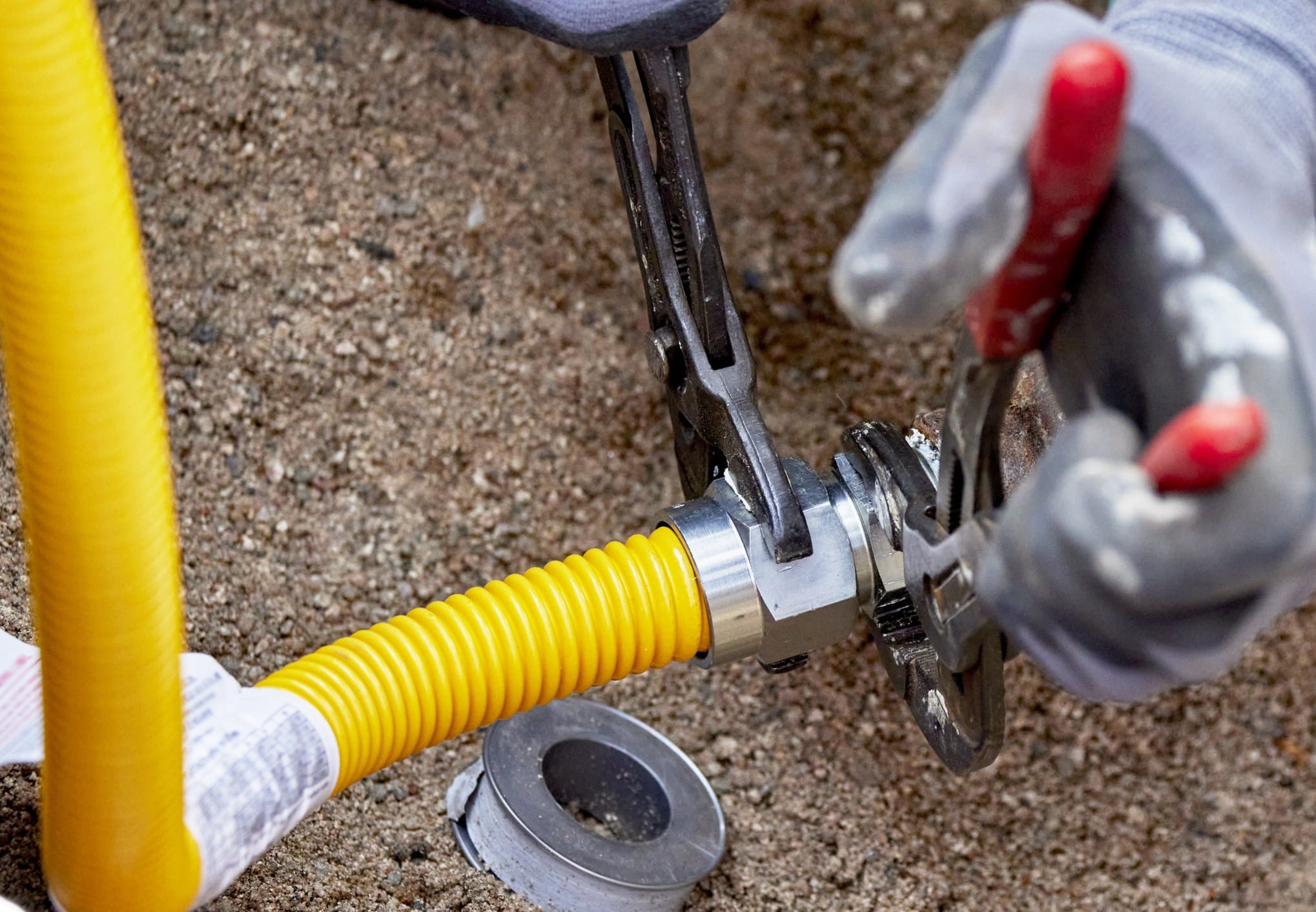
Even with careful planning, gas line sizing problems can sometimes arise after installation. Common signs include appliances that fail to ignite, uneven flames, or noticeable pressure drops during use. In Waxahachie, these issues may result from undersized pipes, long runs, or incorrect regulator settings. Addressing the root cause quickly helps restore safe and efficient gas flow.
Begin troubleshooting by checking the total BTU demand against the installed pipe size and material. If the system is undersized, consider upgrading to a larger diameter or reducing the number of appliances on the line. Inspect all connections for leaks or blockages that might restrict flow. In Kennedale, double-check that regulators are set to the correct pressure for your system.
Sometimes, environmental factors such as corrosion or physical damage can impact gas line sizing performance. Examine exposed pipes for rust, dents, or other signs of wear that could affect gas delivery. Replace or repair damaged sections promptly to maintain safety and compliance. Regular inspections help catch these issues before they become serious problems.
If troubleshooting does not resolve the issue, consult a licensed professional with experience in gas line sizing. Specialized tools can measure pressure and identify hidden restrictions or leaks. Professional assessment ensures that all code requirements are met and that your system operates safely. Prompt action keeps your gas appliances running smoothly and protects your property.
Frequently Asked Questions
What factors affect proper gas line sizing?
Gas line sizing depends on several important factors, including total gas demand, pipe length, and the number of connected appliances. Pipe material and diameter also play a key role in ensuring safe and efficient gas flow. Local building codes and manufacturer guidelines must be followed to meet safety standards during installation. Proper gas line sizing helps prevent pressure drops and supports reliable performance for every gas-powered system.
How do I calculate gas line sizing for my project?
To calculate gas line sizing, start by adding the total BTU load of all connected appliances. Next, measure the longest pipe run from the meter to the farthest appliance. Use approved sizing charts to match pipe diameter and material with your total demand and distance. Always verify your calculations against local codes to ensure safe and efficient gas line sizing.
What materials are commonly used for gas lines?
Common materials for gas lines include black iron pipe, corrugated stainless steel tubing, and copper in some regions. Each type offers specific benefits for gas line sizing, such as durability or flexibility. Local codes often dictate which materials are approved for residential or commercial projects. Always select the proper material to support safe gas flow and long-term system reliability.
Why is correct gas line sizing important for safety?
Correct gas line sizing protects your property by preventing leaks, pressure drops, and dangerous gas buildup during everyday use. Undersized lines can cause appliances to malfunction or shut down unexpectedly, leading to safety risks and costly repairs. Oversized lines may result in unstable gas pressure and inefficient operation. By following proper gas line sizing guidelines, you ensure safe, reliable performance for every system in your Mansfield home or business.
Can I resize existing gas lines without professional help?
Resizing existing gas lines should always be handled by a licensed professional to meet Mansfield safety codes and regulations. Gas line sizing involves precise calculations, specialized tools, and knowledge of approved materials for safe installation. Attempting this work without expertise increases the risk of leaks, property damage, or injury. Trusting a qualified technician ensures proper gas line sizing and long-term safety for your home or business.