


A safe and effective gas appliance hookup is essential for every home in Mansfield and Waxahachie. Homeowners often underestimate the importance of using the right materials for these installations. Proper connections and secure fittings prevent dangerous leaks and ensure peace of mind. With professional attention, your gas appliances can operate safely and efficiently.
Gas appliance hookup involves more than simply attaching a line to your stove or heater. It requires specialized knowledge of materials like CSST, connectors, and bonding techniques. Even minor mistakes can lead to gas leaks or system failures. That’s why it’s important to trust experienced professionals for these tasks.
Every gas appliance hookup should follow strict safety protocols from start to finish. This includes selecting the correct connectors and ensuring all fittings are properly tightened. Technicians also test the system after installation to confirm there are no leaks. These careful steps help protect your family and property.
In cities like Mansfield and Waxahachie, local codes and standards guide every gas appliance hookup. Skilled plumbers stay updated on these regulations to guarantee compliance and safety. When you rely on experts, you can feel confident in your home’s gas system. Proper installation today means fewer worries tomorrow.
Understanding Gas Appliance Hookup Safety
A safe gas appliance hookup starts with understanding the materials involved. Corrugated stainless steel tubing, known as CSST, is a popular choice for flexible gas lines. Proper bonding of CSST reduces the risk of electrical arcing and potential leaks. Technicians must ensure CSST is correctly grounded during every installation.
Connectors play a critical role in every gas appliance hookup. Using the right connectors for each appliance prevents unnecessary strain on the gas line. Quality fittings help maintain a tight seal and reduce the chance of leaks. Professionals always inspect and secure each connection before moving forward.
Testing is a vital step after any gas appliance hookup in Waxahachie or Mansfield. Pressure testing identifies even the smallest leaks before appliances go into use. Technicians use specialized equipment to confirm the integrity of the system. This careful approach protects both property and residents from dangerous gas leaks.
Following these safety steps ensures your gas appliance hookup meets local codes and industry standards. Homeowners should never skip bonding, connector checks, or final leak tests. Relying on skilled plumbers guarantees that every detail receives attention. With expert installation, your gas appliances will function safely for years to come.
Choosing the Right Materials for Gas Appliance Hookup
Selecting the right materials is key to a safe gas appliance hookup in any home. Professionals choose CSST for its flexibility and durability, ensuring it suits the specific needs of your system. They also use approved connectors designed for each appliance, which helps prevent leaks and ensures a secure fit. Quality materials form the foundation of a reliable gas system.
Each gas appliance hookup requires careful attention to bonding, especially when using CSST. Proper bonding helps protect against electrical hazards and reduces the risk of gas leaks. Technicians in Mansfield always follow best practices to ensure every installation meets safety standards. This step is essential for long-term system integrity and peace of mind.
Connectors and fittings must match both the appliance and the gas line for a proper hookup. Using mismatched or low-quality parts can cause strain and potential leaks over time. In Waxahachie, skilled plumbers inspect every connection to guarantee a tight, secure seal. Their attention to detail helps prevent future problems and keeps your home safe.
After installing the chosen materials, technicians perform thorough testing to confirm the system is leak-free. Pressure tests and visual inspections catch even minor issues before appliances are used. This careful process ensures that your gas appliance hookup remains safe and efficient. With expert material selection and testing, your gas system is built to last.
The Role of CSST Bonding in Leak Prevention
CSST bonding plays a crucial role in every gas appliance hookup. Proper bonding connects the CSST to the home’s electrical grounding system. This reduces the risk of electrical arcing that could damage the tubing and cause leaks. In Mansfield, skilled technicians ensure bonding is completed according to code for maximum safety.
Without correct bonding, even high-quality CSST may become vulnerable during electrical surges. A single lightning strike or power fluctuation can create dangerous pinholes in the gas line. Technicians in Waxahachie always test the bonding connection before finishing a gas appliance hookup. This extra step protects both property and residents from potential hazards.
Bonding is not just a recommendation, it is a requirement for a safe gas appliance hookup. National and local regulations mandate this step to prevent gas leaks and electrical accidents. Professional plumbers use specialized clamps and wires to achieve a secure bond. This attention to detail provides homeowners with lasting peace of mind.
When planning a gas appliance hookup, always verify that CSST bonding is included in the installation process. Skipping this step can compromise the entire system’s safety and performance. Trusting experienced professionals ensures every aspect of bonding and grounding is handled correctly. With proper bonding, your gas appliances will operate safely for years to come.
Selecting Proper Gas Appliance Connectors
Choosing the correct connectors is a vital part of any gas appliance hookup. In Mansfield, professionals rely on approved connectors that match both the appliance and the gas line. Using the right type reduces stress on the system and prevents leaks over time. Quality connectors ensure a secure, reliable connection for each installation.
Every gas appliance hookup in Waxahachie begins with a careful review of the appliance’s requirements. Technicians select connectors made from durable materials that resist corrosion and wear. Flexible connectors are often used for stoves and dryers to allow safe movement. This attention to detail helps protect your home from gas leaks.
Proper installation of connectors is just as important as choosing the right type. Skilled plumbers tighten each fitting to the manufacturer’s specifications, avoiding overtightening that could damage threads. They inspect every joint for alignment and security before moving forward. These steps ensure the gas appliance hookup remains safe and efficient.
After installing connectors, technicians perform leak tests to confirm the integrity of the system. Specialized tools help detect even the smallest leaks at connection points. This final check guarantees that your gas appliance hookup meets safety standards. With expert selection and installation, you can trust your gas appliances to operate safely.
Step-by-Step Gas Appliance Hookup Process
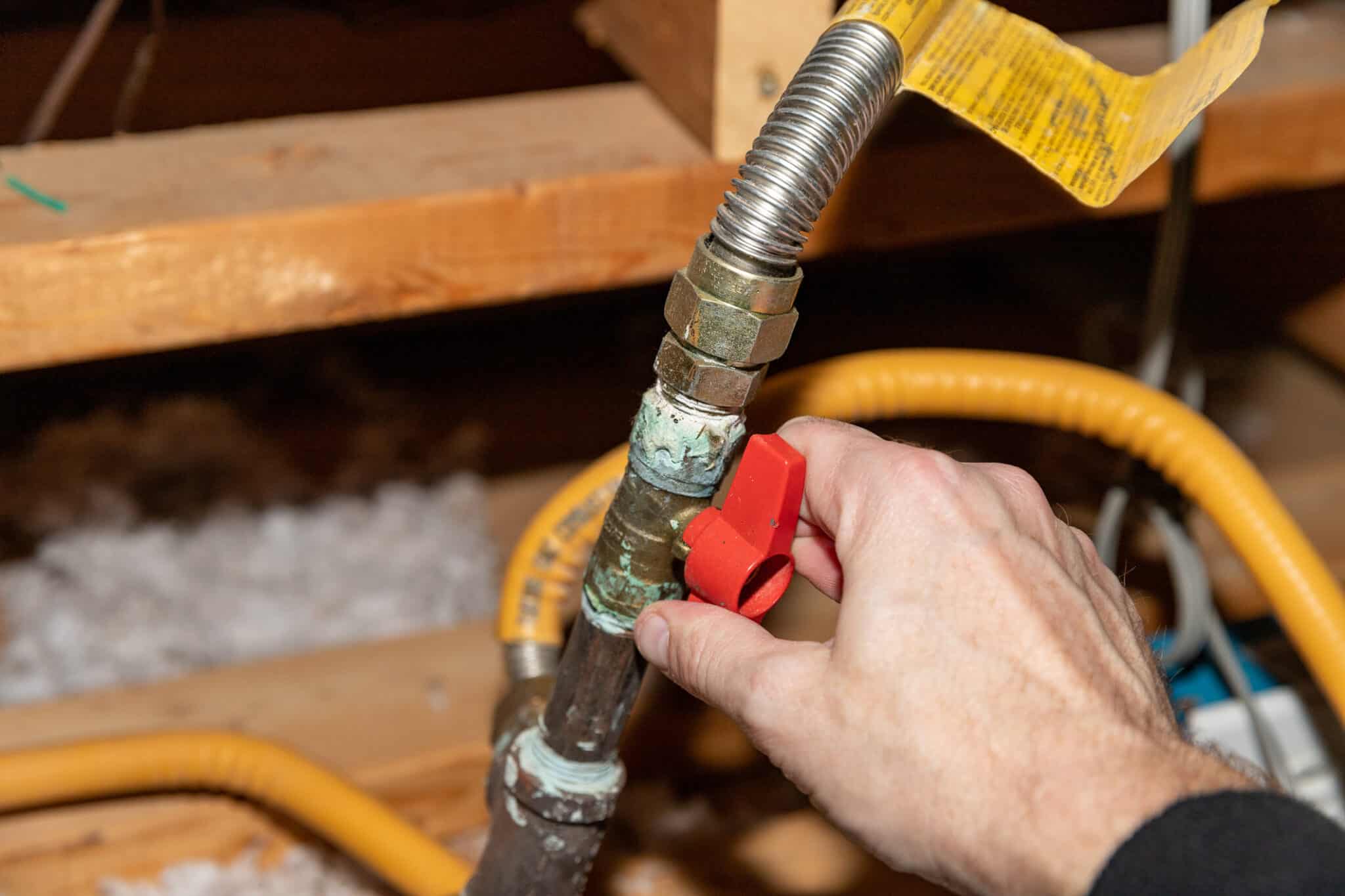
A successful gas appliance hookup follows a careful, step-by-step process to ensure safety and reliability. Technicians begin by turning off the gas supply and verifying that the area is well-ventilated. They then gather all necessary materials, including CSST, approved connectors, and bonding equipment. This preparation sets the stage for a smooth and secure installation.
Next, professionals measure and cut the CSST to fit the layout of your home in Mansfield. They attach the tubing to the gas supply, making sure each connection is properly aligned. Approved connectors are installed on both the appliance and the gas line. Every joint is tightened according to the manufacturer’s guidelines to prevent leaks.
After connecting the appliance, technicians focus on bonding the CSST to the home’s grounding system. This step reduces the risk of electrical hazards and meets local safety codes. In Waxahachie, experts double-check all bonding connections before moving forward. Proper bonding is crucial for long-term system integrity and peace of mind.
The final step in any gas appliance hookup is thorough testing for leaks and proper operation. Technicians use pressure gauges and leak detection tools to inspect every connection. Only after passing these tests is the gas supply turned back on. Homeowners can trust that their gas appliances are safe and ready for everyday use.
Testing for Leaks After Gas Appliance Hookup
After completing a gas appliance hookup, thorough leak testing is the most important safety step. Technicians in Mansfield use advanced tools to check every connection for hidden leaks. They apply a soap solution or electronic detector to fittings and joints. This process quickly reveals any escaping gas, allowing immediate repairs if needed.
Pressure testing is another essential part of a safe gas appliance hookup. The system is pressurized above normal operating levels to expose even the smallest leaks. If pressure drops during the test, technicians investigate and resolve the issue before proceeding. Only after passing these tests is the installation considered safe.
In Waxahachie, professionals document all test results for future reference and compliance. This record-keeping ensures your gas appliance hookup meets local codes and safety standards. Homeowners receive confirmation that their system is secure and leak-free. Reliable documentation adds another layer of protection for your family and property.
Final checks include verifying appliance operation and inspecting the entire system for any signs of trouble. Technicians confirm that all valves and controls work correctly after the gas appliance hookup. Homeowners receive guidance on safe appliance use and signs to watch for. With expert testing and clear communication, you can enjoy peace of mind and reliable performance.
Common Mistakes in Gas Appliance Hookup
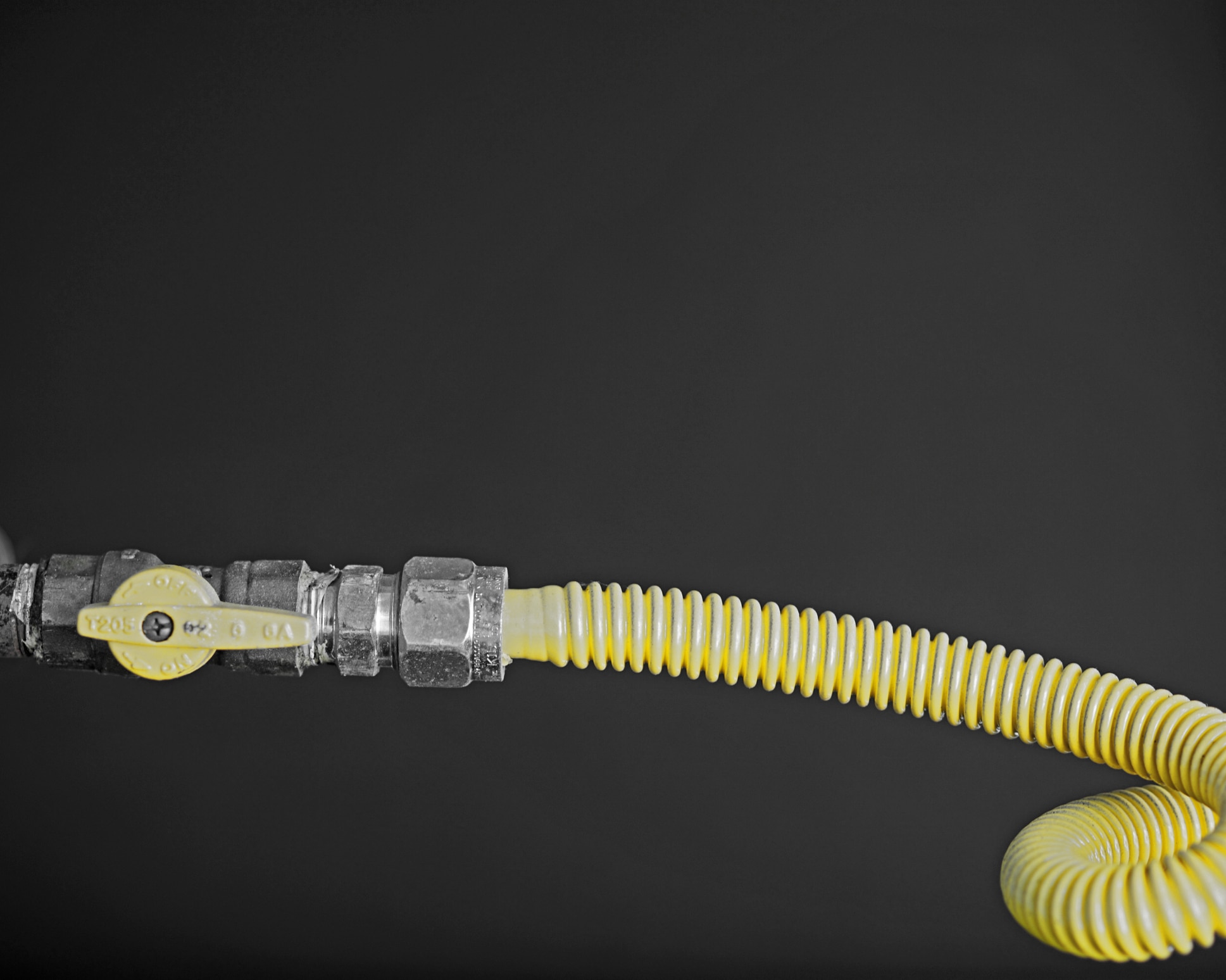
Even with the best intentions, mistakes can happen during a gas appliance hookup. One common error is skipping the bonding of CSST, which can lead to electrical hazards and gas leaks. In Mansfield, professionals always include bonding to protect both the system and the household. Overlooking this step can compromise the entire installation.
Another frequent issue is using incorrect or mismatched connectors during a gas appliance hookup. In Waxahachie, skilled technicians carefully select connectors that fit both the appliance and the gas line. Using the wrong connector can cause leaks or weaken the connection over time. Proper selection and installation are essential for long-term safety.
Failing to tighten fittings to the correct specifications is also a common mistake. Overtightening can damage threads, while undertightening may result in leaks after the gas appliance hookup. Professionals use manufacturer guidelines to achieve a secure and reliable seal. This careful approach helps prevent future problems and ensures safe operation.
Neglecting thorough leak testing after installation poses serious risks to homeowners. Some may rush the process or skip pressure tests, increasing the chance of undetected leaks. Reliable technicians always complete detailed testing before turning on the gas supply. These steps guarantee your gas appliance hookup is safe and ready for use.
When to Call a Professional for Gas Appliance Hookup
Knowing when to call a professional for a gas appliance hookup can make all the difference in your home’s safety. If you notice any uncertainty with bonding, connectors, or leak testing, it is time to seek expert help. In Mansfield, experienced plumbers have the training and tools to handle every step with precision. Attempting a hookup without proper knowledge can lead to serious risks and costly repairs.
Complex installations or unfamiliar appliances also call for professional attention. Technicians in Waxahachie understand local codes and can ensure your gas appliance hookup meets every requirement. DIY attempts often overlook critical steps like pressure testing or proper connector selection. Trusting a licensed expert prevents mistakes and protects your investment.
If you smell gas or suspect a leak after a gas appliance hookup, leave the area and call for immediate assistance. Professionals can quickly identify the source and make safe repairs before restoring service. Never ignore warning signs or try to fix leaks on your own. Prompt action keeps your family and property out of harm’s way.
Regular maintenance and annual inspections are smart choices for ongoing safety. Scheduling a professional checkup ensures your gas appliance hookup remains secure and efficient over time. Plumbers can spot wear, loose fittings, or outdated materials before they become problems. With expert care, your gas appliances will deliver reliable performance year after year.
Frequently Asked Questions
What materials are needed for a safe gas appliance hookup?
A safe gas appliance hookup uses approved connectors, flexible CSST tubing, and shutoff valves designed for natural gas systems. Proper bonding of CSST prevents electrical hazards and ensures reliable performance during operation. Leak detection solutions and pressure testing confirm the integrity of every connection before use. Professional installation guarantees each gas appliance hookup meets safety standards and provides lasting peace of mind.
How do I check for leaks after a gas appliance hookup?
After a gas appliance hookup, apply a leak detection solution to all connectors, valves, and joints. Watch for bubbles, which signal escaping gas and indicate a leak. If you notice bubbles, turn off the gas supply and contact a licensed professional immediately. Regularly checking for leaks after each gas appliance hookup keeps your home safe and your system running smoothly.
Can I do a gas appliance hookup myself, or need a professional?
A gas appliance hookup involves handling natural gas, which requires skill and attention to safety. Professional technicians understand CSST bonding, proper connectors, and thorough testing after every hookup. Attempting a gas appliance hookup without training increases the risk of leaks or other hazards. For peace of mind, always trust a licensed expert for your gas appliance hookup needs.
What are common mistakes during gas appliance hookup?
Common mistakes during gas appliance hookup include skipping CSST bonding or using the wrong type of connectors for the system. Rushing through installation can lead to loose fittings and hidden leaks that threaten safety. Neglecting to test every connection after the gas appliance hookup increases the risk of undetected issues. Always rely on proper materials and careful testing to avoid costly and dangerous errors.
How often should gas appliance hookups be inspected for leaks?
Regular inspections of your gas appliance hookup should occur at least once a year to ensure ongoing safety and performance. Older systems or frequent use may require more frequent checks to catch leaks early. After any repair, replacement, or adjustment, always inspect the gas appliance hookup for possible leaks. Consistent maintenance prevents small issues from becoming hazards and keeps your Mansfield home protected.