


A faucet cartridge swap is a straightforward way to fix leaks and restore smooth operation to your fixtures. Homeowners in Mansfield and Kennedale often face dripping faucets or reduced water flow. Addressing these issues quickly helps prevent water damage and higher utility bills. Understanding the right steps ensures a successful repair and peace of mind.
Many people overlook the importance of proper tools and shutoff procedures during a faucet cartridge swap. Taking time to gather everything before starting makes the process much smoother. The right approach prevents accidental leaks and unnecessary frustration. Preparation is key for a hassle-free experience.
Knowing how to safely remove and replace a cartridge is essential for any faucet. Each faucet model may have unique features or fasteners. Carefully following the recommended steps avoids damaging parts or causing leaks. Attention to detail pays off in the long run.
Reassembling the faucet correctly is the final step to a successful cartridge swap. Ensuring every component fits snugly prevents future drips or malfunctions. Testing the faucet after reassembly confirms a job well done. With these tips, your fixtures will work like new again.
Understanding Faucet Cartridges
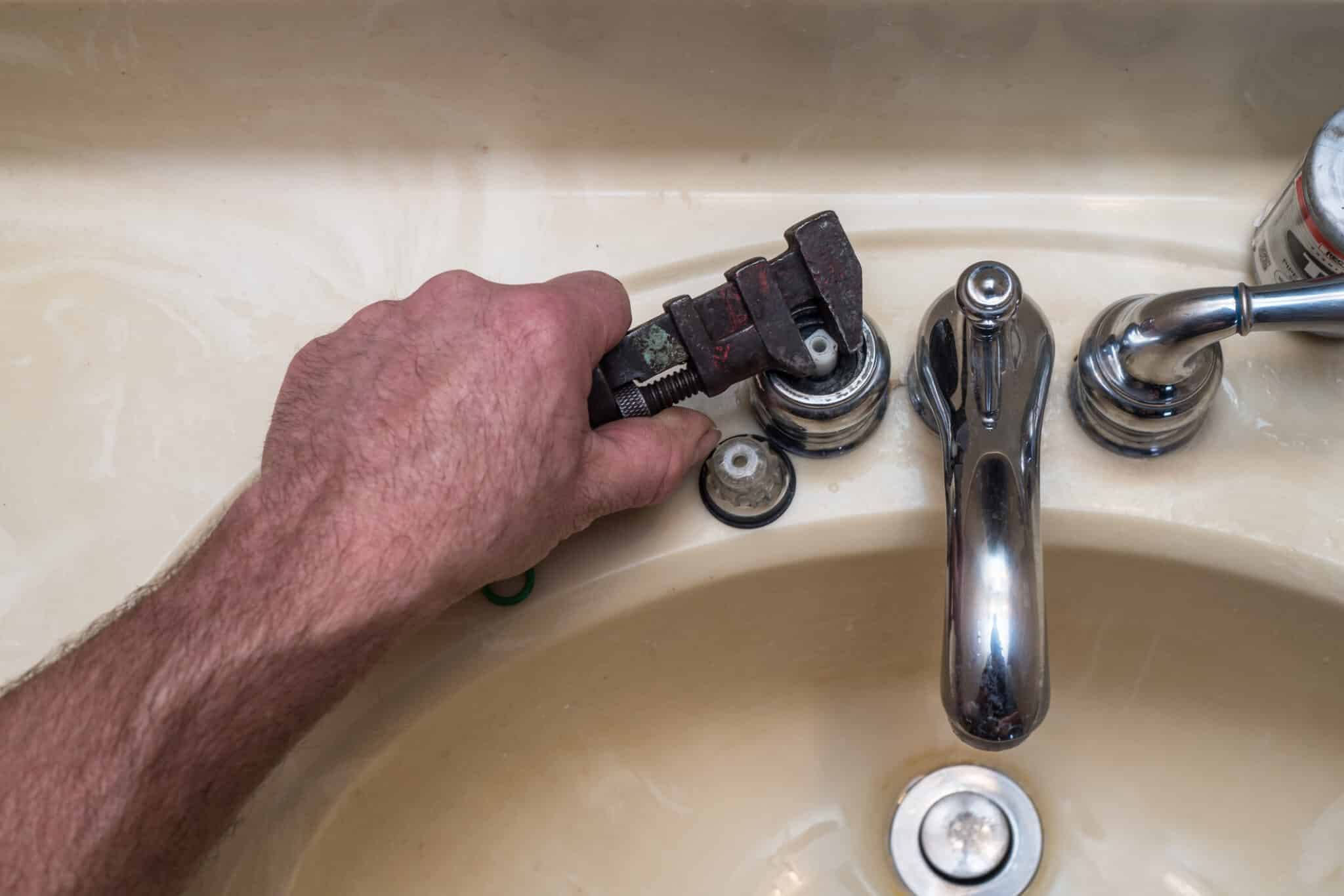
A faucet cartridge is the internal part that controls water flow and temperature inside your fixture. Most modern faucets in Mansfield homes use cartridges instead of older washer-based systems. During a faucet cartridge swap, identifying the correct cartridge type is crucial for a leak-free repair. Cartridges can vary by brand and faucet model, so check your fixture’s manual or markings.
Cartridges are usually made of plastic or brass, each designed for specific faucet types. Some are single-handle, while others fit double-handle faucets common in Kennedale. A proper faucet cartridge swap depends on matching the new cartridge to your existing one. Bringing the old cartridge to the hardware store helps avoid confusion.
The cartridge sits inside the faucet body and seals water channels with rubber O-rings or gaskets. Over time, these seals can wear out or become clogged with mineral deposits. When performing a faucet cartridge swap, inspect the old cartridge for signs of damage or buildup. Replacing a worn cartridge restores smooth operation and prevents leaks.
Understanding the role of the cartridge makes the faucet cartridge swap process much easier. Knowing what to look for helps you choose the right replacement. This knowledge also ensures you reassemble the faucet correctly after the swap. Taking a careful approach leads to lasting results and reliable performance.
Signs Your Cartridge Needs Replacing
Recognizing when to perform a faucet cartridge swap helps prevent bigger plumbing issues in your Mansfield home. A common sign is a persistent drip, even after turning the handle off tightly. This usually means the cartridge’s internal seals have worn out or failed. Ignoring this issue can lead to higher water bills and potential water damage over time.
Difficulty turning the faucet handle is another indicator that a faucet cartridge swap may be needed. Mineral buildup or worn components can make the handle feel stiff or stuck. If you notice grinding or squeaking sounds, these are also warning signs. Swapping the cartridge restores smooth operation and prevents further wear.
Uneven water temperature or inconsistent flow often points to a failing cartridge in your Kennedale home. You might experience sudden bursts of hot or cold water while adjusting the handle. This happens when the cartridge can no longer regulate water mixing properly. A quick faucet cartridge swap resolves these temperature and flow problems.
Visible leaks around the base of the faucet are a final sign that a new cartridge is necessary. Water pooling or dripping at the fixture’s base often means the internal seals have failed. Prompt attention with a faucet cartridge swap prevents water from seeping into cabinets or countertops. Addressing these signs early keeps your plumbing system running efficiently.
Gathering Tools and Materials
Before starting a faucet cartridge swap, gather all necessary tools and materials to ensure a smooth repair. Common tools include an adjustable wrench, Phillips screwdriver, flathead screwdriver, and needle-nose pliers. You’ll also need a towel or small bucket to catch any water that may drip during the process. Having everything ready saves time and reduces the risk of accidental leaks.
Shut off the water supply to the faucet before beginning your faucet cartridge swap. Locate the shutoff valves under the sink and turn them clockwise until fully closed. Open the faucet to relieve any remaining pressure and drain excess water from the lines. This step prevents unexpected water spray and keeps your workspace dry.
Select the correct replacement cartridge for your faucet model before starting the swap. Bring the old cartridge to the hardware store to ensure a proper match. Keep new O-rings or gaskets on hand, as these often need replacing during a faucet cartridge swap. Using the right parts helps prevent leaks and ensures a secure fit.
Lay out your tools and new cartridge within easy reach before you begin the faucet cartridge swap in your Kennedale or Mansfield home. Place small parts in a container to avoid losing them during disassembly. Keeping your workspace organized makes reassembly easier and less stressful. With everything prepared, you’re ready for a successful repair.
Shutting Off Water Supply Properly
Properly shutting off the water supply is a crucial first step in any faucet cartridge swap. Find the shutoff valves under your sink and turn them clockwise until they stop. This action cuts off both hot and cold water lines, preventing accidental leaks during the repair. In Mansfield homes, this simple step protects cabinets and floors from unexpected water damage.
After closing the valves, open the faucet handle to release any pressure in the lines. Allow water to drain completely before beginning your faucet cartridge swap. This helps avoid messy spills and ensures a dry workspace. Keep a towel or small bucket handy to catch any remaining drips.
If your shutoff valves are hard to turn or not working, use the main water supply as a backup. Locate the main shutoff for your Kennedale home and turn it off before proceeding. Always double-check that water flow has stopped by testing the faucet. Taking these precautions ensures a smooth and safe faucet cartridge swap.
Once the water is off and the area is dry, you can begin disassembling the faucet. This careful preparation makes the rest of the faucet cartridge swap much easier. Protecting your workspace from water damage is just as important as using the right tools. Following these steps sets you up for a successful and leak-free repair.
Faucet Cartridge Swap: Step-by-Step Removal
Begin your faucet cartridge swap by removing the faucet handle. Use a flathead screwdriver to gently pry off the decorative cap covering the screw. Unscrew the handle and set it aside with other small parts. This step exposes the cartridge for easy access during the swap.
Next, remove any retaining clips or nuts securing the cartridge in place. Needle-nose pliers work well for pulling out clips without damaging them. If your faucet uses a retaining nut, loosen it with an adjustable wrench. Carefully lift out the old cartridge, noting its orientation for reassembly.
Inspect the faucet body for debris or mineral buildup before installing the new cartridge. Clean the area with a damp cloth to ensure a tight seal. Compare the old and new cartridges to confirm a proper match. This attention to detail prevents leaks and ensures a successful faucet cartridge swap.
Gently insert the new cartridge into the faucet body, aligning it as the old one was positioned. Secure it with the retaining clip or nut, tightening just enough for a snug fit. Reattach the handle and decorative cap to complete the faucet cartridge swap. These steps restore smooth operation in both Mansfield and Kennedale homes.
Inspecting and Cleaning Faucet Components
After removing the old cartridge during your faucet cartridge swap, take a moment to inspect all faucet components closely. Look for signs of wear, corrosion, or mineral buildup on the cartridge housing and surrounding parts. Even small amounts of residue can affect the new cartridge’s performance. Careful inspection helps prevent future leaks and ensures a smooth repair.
Use a soft cloth or non-abrasive sponge to wipe away debris from the faucet body. If you notice stubborn mineral deposits, gently scrub with a mixture of vinegar and water. This cleaning step is important for a successful faucet cartridge swap in your Mansfield home. Removing buildup allows the new cartridge to seat properly and seal tightly.
Examine O-rings and gaskets for cracks or deformation before reassembly. Replace any damaged seals to prevent leaks after your faucet cartridge swap. Properly lubricated O-rings help maintain a watertight fit and smooth handle movement. Taking time with these details ensures long-lasting results.
Before inserting the new cartridge, double-check that every surface is clean and free of debris. A thorough cleaning step is essential, especially in older faucets found in Kennedale homes. Skipping this process can lead to persistent drips or reduced water flow. Clean, well-maintained components make your faucet cartridge swap more effective and reliable.
Faucet Cartridge Swap: Installation and Reassembly
Begin the faucet cartridge swap by carefully inserting the new cartridge into the cleaned faucet body, making sure it aligns with the original orientation. Press it down firmly to seat it fully, but avoid forcing it into place. Secure the cartridge with the retaining clip or nut, tightening it just enough to hold everything snugly. Double-check that the cartridge sits evenly to prevent leaks once water flows again.
Next, reattach the faucet handle by sliding it onto the cartridge stem and securing it with the screw you set aside earlier. Snap the decorative cap back in place to cover the screw and restore the faucet’s finished look. Take a moment to ensure all parts fit together smoothly and nothing feels loose. This careful reassembly is vital for a successful faucet cartridge swap in your Mansfield home.
Once the faucet is reassembled, slowly turn the water shutoff valves back on to restore flow. Open the faucet handle and let water run for a minute, checking for any drips or leaks around the base. If you notice any issues, tighten connections slightly and test again until the faucet operates smoothly. This step confirms your faucet cartridge swap was done correctly and prevents future problems.
Finally, wipe down the faucet and surrounding area to remove any water spots or debris left from the repair process. Dispose of the old cartridge and used O-rings properly to keep your workspace clean. Enjoy the improved performance and leak-free operation that comes with a proper faucet cartridge swap in your Kennedale or Mansfield home. With these steps complete, your faucet is ready for daily use again.
Testing for Leaks and Final Checks
After completing your faucet cartridge swap, it’s important to test the faucet for leaks before considering the job finished. Slowly turn on both water shutoff valves and watch the faucet closely as water flows. Check around the base and handle for any drips or moisture. If you spot leaks, gently tighten the retaining nut or handle screw to correct the issue.
Let the water run for a minute to flush out any trapped air or debris from the faucet cartridge swap. Listen for unusual sounds like hissing or sputtering, which could signal trapped air or loose parts. Smooth, steady water flow means the cartridge is seated correctly. If problems persist, turn off the water and recheck your assembly steps.
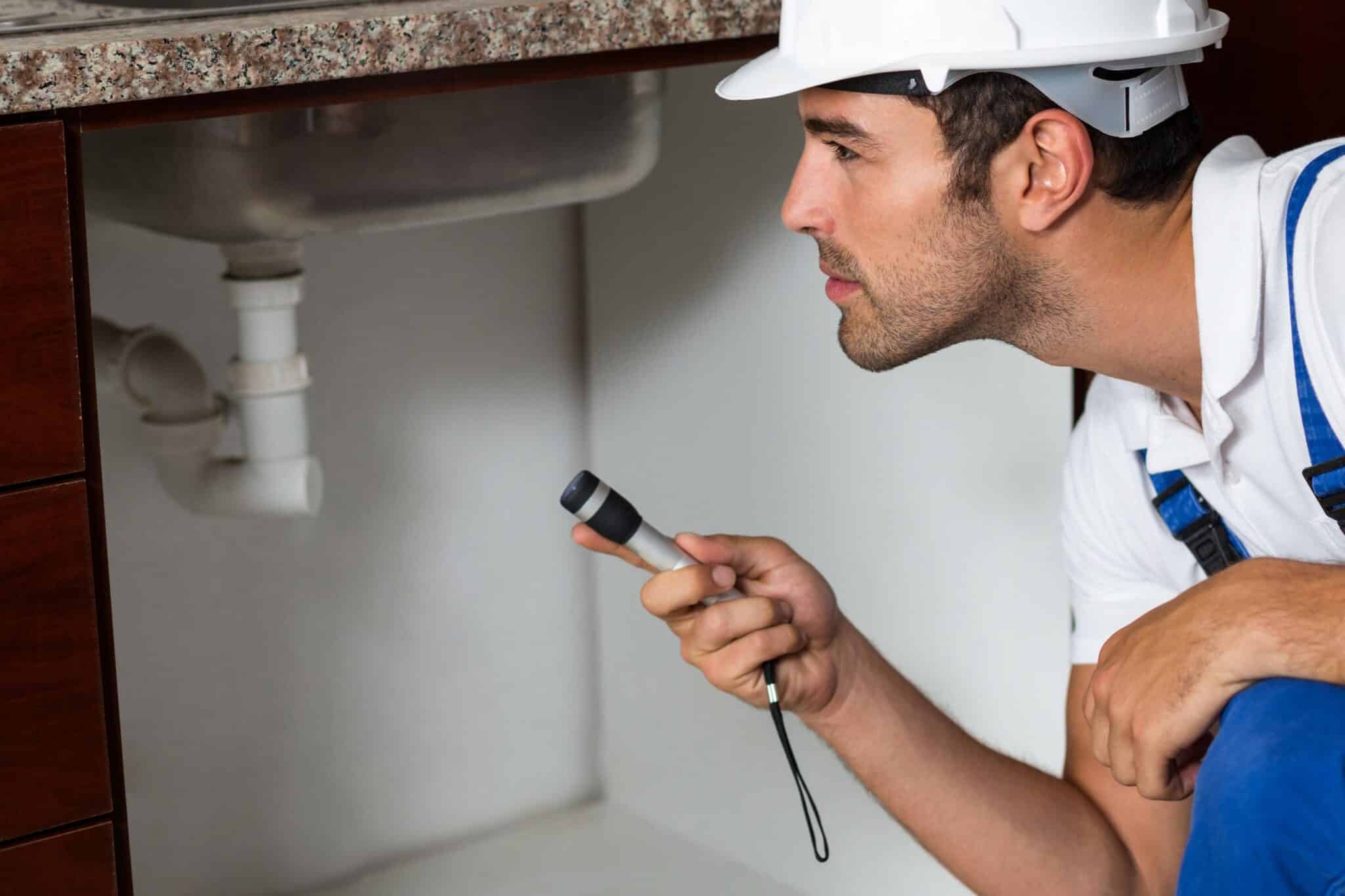
Inspect the area under the sink during your faucet cartridge swap to ensure there are no hidden leaks or water pooling. Feel the supply lines and shutoff valves for dampness, which might indicate a loose connection. Tighten fittings as needed but avoid overtightening, which can damage threads. A dry and secure installation gives peace of mind in your Mansfield home.
Finish your faucet cartridge swap in Kennedale by wiping down all surfaces and returning tools to their proper place. Dispose of the old cartridge and worn parts responsibly. Confirm the faucet handle moves smoothly and water temperature adjusts as expected. These final checks guarantee reliable, leak-free operation for your newly repaired fixture.
Frequently Asked Questions
What tools are needed for a faucet cartridge swap?
For a faucet cartridge swap, you will need an adjustable wrench, screwdriver, and pliers to remove and install parts. Keep plumber’s grease handy for smooth reassembly and to prevent future leaks. Have a towel ready to catch any drips during the process. Using these basic tools ensures a successful cartridge swap without unnecessary hassle.
How do I prevent leaks during a faucet cartridge swap?
Begin your faucet cartridge swap by shutting off the water supply and opening the faucet to relieve pressure. Clean the area around the cartridge to prevent debris from entering the valve during replacement. Apply plumber’s grease to the new cartridge for a secure, watertight fit and easy installation. Tighten all connections carefully and check for drips before restoring water to ensure your faucet stays leak-free.
What are common mistakes made during a faucet cartridge swap?
Many people forget to shut off the water before starting a cartridge swap, which can cause unexpected leaks. Skipping the cleaning step allows debris to enter the valve and damage the new cartridge over time. Using too much force when tightening parts can crack components and lead to future leaks. Rushing the faucet cartridge swap often results in misaligned parts that prevent a proper seal.
How do I know if my faucet cartridge needs replacing?
If your faucet drips, has trouble mixing hot and cold, or feels stiff, a faucet cartridge swap may solve the issue. Unusual noises or inconsistent water flow also signal a worn cartridge. Addressing these signs quickly helps prevent bigger plumbing problems.
Can a faucet cartridge swap fix a dripping faucet?
A faucet cartridge swap often resolves a dripping faucet by replacing the worn or damaged cartridge inside the fixture. This simple repair restores a tight seal, stopping leaks and improving water flow. After the swap, you should notice immediate results if the cartridge caused the drip. If the problem continues, other internal parts may need attention from a professional plumber.