


Key Takeaways About Dishwasher Drain Loop
A dishwasher drain loop is a high routed bend in the drain hose that helps stop sink wastewater from flowing back into the appliance. This summary is for homeowners and property managers who want quick guidance when odors slow drains or brown water appear.
- Identify poor hose routing that allows water to pool and return.
- Prevent backflow by securing the hose high under the cabinet wall.
- Avoid kinks and soft spots that cause slow emptying and smells.
- Spot air gap issues and visible overflow during a drain cycle.
- Reduce recurring gurgling by checking the P-trap and disposal.
- Plan professional inspection when simple fixes do not stop backflow.
Introduction
Dishwasher drain loop placement, air gaps, and drain tie-ins affect how well sinks and disposals keep wastewater out of your dishwasher. A poorly routed drain hose can let dirty water flow back into the dishwasher during a sink drain. That leads to smells, standing water, and recurring clogs that are frustrating for homeowners. Recognizing the real problem helps you avoid repeated service calls and messy cleanups.
High loops and air gaps both aim to stop backflow, but they work differently and matter in different setups. A high loop uses routing height to keep wastewater from siphoning back, while an air gap creates a physical break between drain and dishwasher. When a drain tie-in is incorrect, both devices can become ineffective and allow contaminants into the appliance. Understanding where failures happen explains why odors or slow drainage keep coming back.
Symptoms like gurgling sinks, brown water in the dishwasher, or water pooling under cabinets point to drain routing problems. A professional inspects supply shutoffs, the dishwasher’s drain hose, the sink P-trap, and the drain tie-in location to confirm the issue. They also look for signs of a blocked disposal or an improperly seated air gap. Those checks show whether the problem is a hose route, a missing air gap, or a bad connection at the tie-in.
Homeowners in Kennedale and properties in Waxahachie often notice these issues after garbage disposal use or heavy sink drainage. Left unaddressed, backflow can promote bacterial growth and cause lasting odors around the kitchen. If you see repeated wet spots, foul smells, or dishwasher discharge that looks like sink water, a licensed plumber can diagnose the cause. Calling a pro early reduces the risk of water damage and persistent contamination.
How A Dishwasher Drain Loop Works And Why It Matters
A dishwasher drain loop is a high routing of the dishwasher drain hose that helps prevent sink wastewater from siphoning back into the appliance. It creates a physical elevation that makes backflow less likely when the sink or disposal drains. Professionals consider the loop one of the simplest defenses against contamination in a kitchen drain system. Homeowners often ask whether a loop alone is enough, and the short answer is that it helps but may not fully replace an air gap in all setups.
- Stops simple siphoning from sink drains.
- Works without extra parts or holes in the countertop.
- Requires securing the hose under the cabinet for reliability.
- Can be checked visually during routine inspections.
A dishwasher drain loop matters because it changes the pressure path between the sink and dishwasher during a drain event. If the sink empties quickly, water can try to flow backward through a low hose and enter the machine. A properly routed high loop keeps that water lower than the dishwasher inlet and reduces the chance of brown water or foul odors returning. This is why inspectors note hose height during service calls in Kennedale and similar areas.
An air gap provides a different layer of protection by creating a visible break between the dishwasher and the drain, preventing any direct connection during a backflow event. You can read more about how that device works and why some codes prefer it at the manufacturer’s guide found in our dishwasher air gap basics resource. Homeowners often ask which is better, and technicians decide based on local code, disposal presence, and cabinet layout.
To confirm whether a drain loop or air gap is failing, plumbers watch for specific symptoms and run simple checks during inspections. They look for standing water under the sink, brown dishwater, and gurgling sounds when the sink drains. A pro will inspect the hose route, test the disposal and P-trap, and use a dye or visual check while running both sink and dishwasher. These steps reveal whether the issue is a routed hose, a blocked tie-in, or a missing air gap that needs correction for reliable performance in Waxahachie homes.
Common Causes Of Drain Loop Failure And Warning Signs
Loose or kinked drain hoses often start a chain of problems that look like dishwasher or sink failure. When a hose droops below the disposal outlet, wastewater can pool and sit in the hose until it seeps back. A professional inspects for kinks, loose clamps, and crushed sections during a service call to confirm hose integrity. Simple hose replacement or rerouting often resolves repeated brown water or slow emptying symptoms.
Connections at the disposal or tailpiece can leak or allow backflow when improperly sized or worn. Corroded or misaligned tailpieces and strained slip nuts will show water stains, damp cabinet floors, or odors under the sink. A plumber will loosen fittings, run water through the sink and dishwasher, and watch for visible leaks or suction events to diagnose the tie-in. If the tailpiece is old or incompatible, consider the dishwasher tailpiece upgrade for a more reliable connection.
Blockages in the disposal or P-trap create pressure changes that defeat a high loop or air gap during heavy sink use. Signs include gurgling sounds from the dishwasher, slow sink drainage, and recurring foul smells after disposal use in Kennedale homes. Technicians check the P-trap cleanout, run the disposal, and use a dye test or visual flow check to find the obstruction. Clearing the trap or grinding debris in the disposal often restores normal drainage and stops backflow events.
Incorrect hose routing or unsecured loops let the hose migrate over time and fail unexpectedly. Look for movement, loose zip ties, or a hose that rests against sharp cabinet edges where it can wear through. During inspection, a plumber secures the hose high on the cabinet wall and tests during a full drain cycle to confirm the fix. If repeated failures occur, they may recommend replacing clamps, adding a saddle clamp, or checking the overall tie-in alignment in Waxahachie properties.
High Loop Placement Benefits For Cleaner Drainage
Raising the dishwasher drain hose above the sink tailpiece reduces the chance that sink water reaches the dishwasher during heavy flows. A higher hose creates a simple hydraulic barrier that resists reverse flow when the sink empties fast. Plumbers secure the hose to the cabinet wall to keep that height consistent over time and prevent sagging. For homes in Kennedale this small change often eliminates intermittent brown water without further parts.
High loop placement also improves access for visual inspection and maintenance under the sink. When the hose follows a neat, elevated path a homeowner or technician can quickly spot kinks, loose clamps, or wear. This visibility speeds diagnosis during a service call and reduces the time spent testing the disposal and P-trap. In Waxahachie properties, easier inspections mean technicians can confirm fixes faster and document hose condition during routine checks.
During a professional diagnosis, technicians measure hose height, check clamp condition, and run simultaneous sink and dishwasher cycles to confirm loop effectiveness. They may use a dye test or visual flow check to detect any backflow past the elevated section. A correct high loop should prevent visible return flow and remove gurgling during strong sink drains. If backflow still appears, the tech will check the tie-in and disposal function next.
High loops are low-cost and fast to install, but they are only part of a reliable drainage strategy for every kitchen layout. Where codes or disposal layouts require, an air gap or different tie-in may still be needed for full protection. Homeowners noticing recurring odors or brown water after a loop install should call a licensed plumber for a follow-up inspection. You can learn more about common dishwasher plumbing failures and preventive steps in our resource on common dishwasher plumbing issues and how to avoid them with a plumber in Waxahachie.
Air Gaps Explained How They Prevent Backflow
An air gap stops backflow by leaving a physical air space between the dishwasher discharge and the drain line, so contaminated water cannot cross directly. It mounts above the sink and shows visible standing water when something blocks the drain, which helps homeowners spot trouble quickly. A plumber inspects the gap for debris, splash marks, or loose fittings during an evaluation to confirm function. If the air gap fails to show water when it should, the technician checks the disposal and tailpiece next.
- Prevents direct connection between dishwasher and sink drain.
- Makes backflow visible before it reaches the appliance.
- Needs secure fittings to avoid leaks.
- Can be inspected without removing cabinets.
When diagnosing a suspected air gap problem, a pro runs the dishwasher while the sink drain is tested to reproduce the fault. They look for water squirting from the air gap, pooling under the sink, or brown return water in the dishwasher as clear signs. The inspection includes checking the air gap housing, the small hose to the tailpiece, and the sink flange for clogs or restrictions. If the disposal or tailpiece shows damage, consider an upgrade to improve drainage performance.
Codes sometimes require air gaps, while other installations rely on a properly routed hose loop and a correct tie-in to the tailpiece or disposal. In situations with frequent disposal use, technicians may recommend the garbage disposal replacement or upgrade during the same visit to ensure the drain path handles solids. A licensed plumber can provide a written report of findings and recommend repairs when the air gap, hose, or tie-in shows wear. Homeowners in Kennedale and Waxahachie should call a professional if they see repeated brown water, loud gurgles, or visible leaks under the sink.
Proper Drain Tie In Techniques For Reliable Performance
Start by locating the dishwasher tailpiece or disposal connection and remove the drain hose from the inlet to inspect the tie-in point for corrosion, misalignment, or worn hose clamps. A technician measures the tailpiece diameter and the hose ID to confirm proper fit and avoid mismatched sizing that causes leaks or slow flow. They also check the P-trap and cleanout to make sure downstream restrictions do not overload the tie-in during heavy sink use. If the disposal shows heavy wear or grinding issues, a professional may recommend the garbage disposal repair or replacement to restore reliable discharge.
Next, the plumber ensures the dishwasher drain hose connects to the correct inlet on the tailpiece or disposal and not to an unintended branch or low point that traps water. They verify that the hose runs upward immediately after the appliance and ties in only at the proper elevation to protect the high loop function. During this step the tech looks for pinched sections and confirms clamps are snug without cutting into the hose material. If the drain path slope is wrong or stalls, they may address pitch issues or recommend a separate correction procedure.
To confirm a reliable tie-in, professionals run a simultaneous test of the sink and dishwasher while watching the connection point and the P-trap for leaks, gurgles, or backflow signs. They may use a moisture meter or simply inspect visually for brown water returning to the dishwasher during the test. If the tie-in sits below the required rise or shows turbulent flow, the plumber adjusts hose routing or replaces the tailpiece to restore a clean path. For persistent slope problems, a correction to the drain fall can be required and is often handled alongside drain slope work.
When routing changes are necessary, technicians secure the hose with stainless clamps and add a short rigid tailpiece section if needed to avoid soft bends that collapse under pressure. They will re-test the system after every change to confirm quiet drains, no brown return, and steady trap seal readings. Homeowners in Kennedale and Waxahachie often notice immediate improvement after these tie-in corrections during the technician’s proof run. If you detect ongoing odors or water pooling after a professional tie-in, call a licensed plumber because further diagnostics and repairs may be needed.
When Homeowners Should Call A Professional Plumber
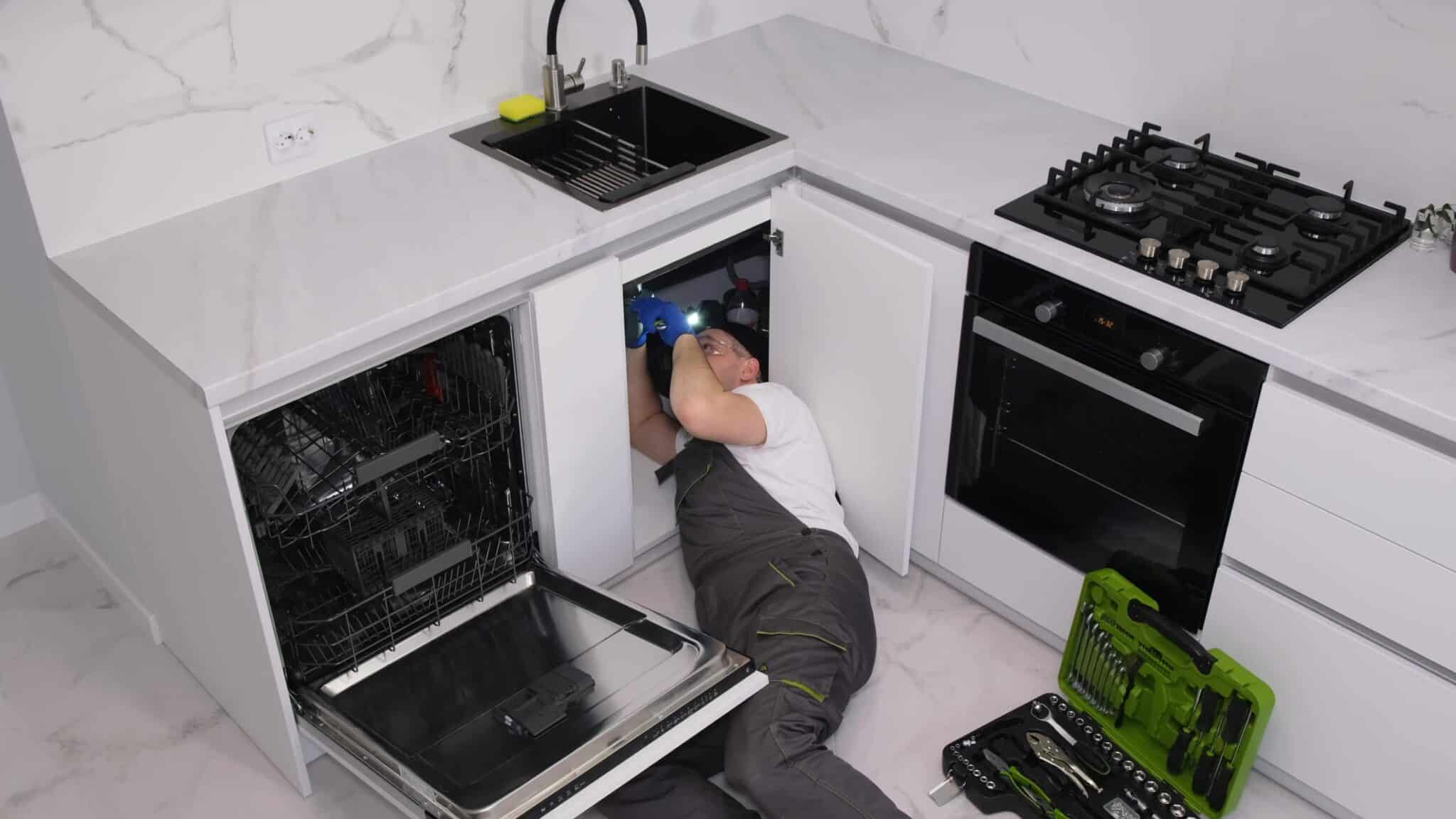
If you notice persistent brown water, strong odors, or gurgling that returns after simple fixes, it’s time to call a plumber. A pro will inspect the drain hose routing, tailpiece connection, and P-trap alignment to find underlying faults rather than guessing. They often use a dye test or run simultaneous sink and dishwasher cycles to reproduce the problem before recommending repairs. Early diagnosis reduces the chance of mold growth and hidden cabinet damage around the plumbing.
When leaks appear at the hose clamp, or the hose shows wear or soft spots, a professional replacement stops recurring failures. Technicians will measure hose inner diameter and tailpiece size to select a proper replacement and avoid mismatched fittings. They also check the garbage disposal inlet and run the disposal to confirm it clears solids rather than pushing debris back into the dishwasher. If the disposal or tailpiece is worn, a replacement can restore reliable flow and eliminate backflow risks.
If your installation requires an air gap but you have a loop instead, a plumber can explain code options and install the correct device for long-term protection. Professionals confirm whether local requirements or device compatibility demand an air gap versus a high loop repair. They will test the completed installation by observing the air gap or loop under load and documenting the results in a simple report. Homeowners in Kennedale who face intermittent contamination often find this definitive check worth scheduling promptly.
Complex drainage symptoms like repeated gurgling or slow sink drainage often indicate P-trap or venting issues that need professional tools and experience. During a visit, the technician may clear the trap, check the vent stack, and inspect the drain line for partial blockages using a camera if needed. For guidance on noisy drains that may relate to these problems, reference our resource about gurgling sink solutions which explains common causes and professional responses. Properties in Waxahachie with recurring symptoms should consider scheduling a licensed plumber to prevent long-term damage.
DIY Checks And Fixes For Minor Drain Loop Issues
Start with a visual check of the hose under the sink for loose clamps, soft spots, or minor kinks that trap water and cause odors. Run the dishwasher briefly while watching the hose connection for small drips or seepage to catch slow leaks early. If you spot trapped water in a low hose section, raise and secure it to the cabinet wall with a zip tie or saddle clamp. For persistent minor clogs at the sink, consult our guidance on a clogged kitchen sink for safe clearing steps you can try first.
- Disconnect power before touching the disposal or electrical components.
- Use a flashlight to inspect inside the P-trap for debris.
- Check hose clamps and tighten them if they are loose.
- Replace a visibly cracked or soft hose section promptly.
If the dishwasher drain loop looks too low, gently reshape the hose into a higher loop and fasten it above the tailpiece using a clamp. After re-routing, run the sink and dishwasher together to confirm the fix prevents brown return and gurgling noises. If gurgling continues, the trap or disposal may hold partial obstruction that needs further clearing. Homeowners in Kennedale should stop and call a professional when water backs up into the dishwasher despite these adjustments.
Inspect the air gap hose if present for kinks and blockages in the small connecting tube that runs to the tailpiece, since debris can sit there unnoticed. Remove the air gap top cap and flush it with water to clear trapped food particles that cause visible spills during drain events. Use a hand tool or small brush to clear the inlet but avoid forcing anything that could damage the housing. In Waxahachie homes, simple air gap cleaning often stops visible overflow and restores normal dishwasher drainage.
If you replace a hose section, match the inner diameter to the original and use stainless clamps to avoid cutting into the hose material. Test each repair by running a full wash cycle and the sink drain simultaneously to reproduce problem conditions and confirm success. If the issue returns or you find persistent leaks, call a licensed plumber for a full inspection and diagnostic testing. A professional can use dye tests, moisture readings, and visual reports to find hidden faults and recommend lasting repairs.
Maintenance Tips To Prevent Future Drain Problems
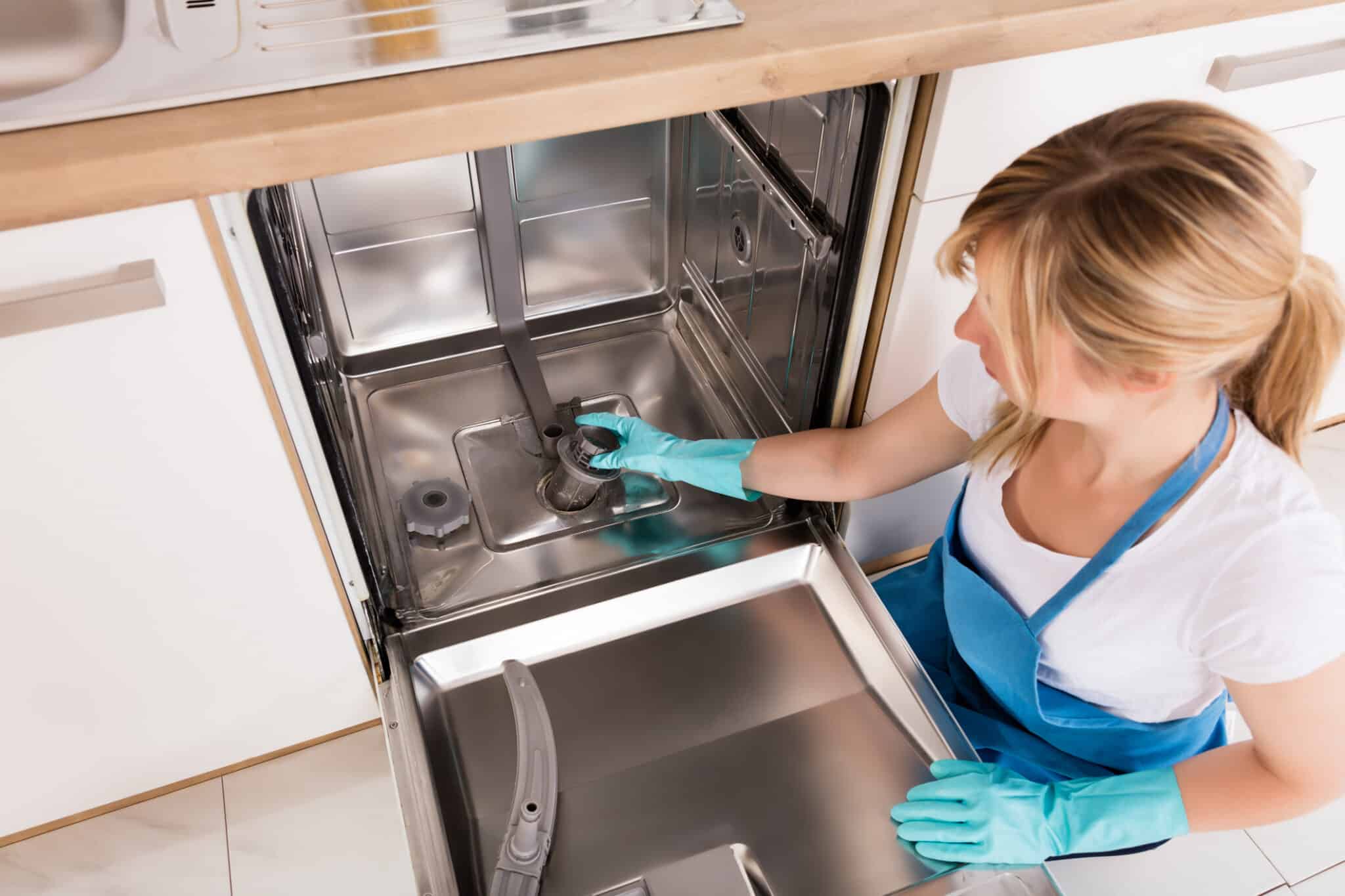
Schedule a simple visual check of the hose route twice a year to catch wear before it leads to contamination or leaks. During that check, run the dishwasher and the sink together briefly while observing the hose and tailpiece for unusual movement or drips. If you see brown water or steady dripping, stop and document the condition with photos for a professional assessment. Regular checks avoid weekend emergencies and reduce hidden cabinet damage from slow leaks.
Clear visible debris from the air gap top and the tailpiece inlet at least annually to prevent small blockages from becoming recurring problems. Use water and a soft brush to remove trapped food particles, then run water through the sink to confirm a free path. If you notice spurting from the air gap or persistent pooling after cleaning, contact a plumber because the issue may be deeper in the disposal or drain. Routine cleaning lets you spot early warning signs before odors develop.
Replace any hose showing soft spots, cracks, or bulges rather than waiting for a complete failure, which often causes cabinet flooding. Use a matching inner diameter hose and stainless-steel clamps to ensure a tight, durable connection that resists slipping and crushing. After replacement, test the system under load by running a full cycle and the sink drain together to confirm there is no backflow or gurgling. A timely swap prevents bacterial growth and protects the dishwasher pump from ingesting contaminated water.
For recurring slow drains or suspected blockages in the main line, arrange professional drain clearing to rule out deeper issues that loop adjustments cannot fix. A licensed technician can use mechanical rodding or hydro-jetting during a service visit to remove stubborn buildup and provide a written report of findings. This level of service preserves the high loop and air gap benefits by restoring full flow and preventing pressure events that push water back into the dishwasher. Homeowners in Kennedale and those in Waxahachie benefit from scheduled drain maintenance to keep kitchen plumbing working reliably.
Frequently Asked Questions
What is a dishwasher drain loop and why does it matter?
A dishwasher drain loop is a high upward bend in the dishwasher drain hose that prevents sink water from flowing back into the appliance. It matters because backflow can contaminate dishes and cause bad odors or bacterial growth in the dishwasher. Inspectors check the loop or an air gap to ensure waste water drains away rather than re-entering the machine. If you see backups or persistent smells, avoid DIY fixes and contact a licensed plumber for safe diagnosis and repair.
How does a high loop differ from an air gap?
A high loop routes the dishwasher drain hose up under the countertop to create a gravity barrier against backflow. An air gap is a small mechanical device mounted above the sink that provides an exposed break in the drain line. Local plumbing codes may require an air gap instead of a high loop in some installations, so check requirements before deciding. If you suspect backflow or can’t confirm code compliance, exercise caution and call a licensed plumber to inspect and correct the drain connection.
Can a low hose tie-in cause brown water or odors?
Yes, a low hose tie-in can allow sink drain water to backflow into the dishwasher, causing brown water and foul odors. Standing water in the dishwasher hose promotes bacterial growth and food residue buildup that produce smells. A proper dishwasher drain loop or air gap helps prevent this cross-contamination and keeps waste from siphoning into the appliance. If you notice persistent brown water or odors, stop using the dishwasher and call a licensed plumber to inspect and correct the tie-in for safety.
How will a plumber diagnose drain loop failures?
A plumber starts by observing symptoms like slow drains, odors, gurgling, or dishwasher backflow during a cycle. They inspect the hose routing to confirm a proper dishwasher drain loop height and check for kinks or low loops. The tech will test drainage at the trap, look for clogs at the P-trap or tie-in, and run a dye test if needed. If there is risk of contamination or unsafe conditions, stop use and hire a professional to perform repairs and confirm correct venting and connections.
When should Kennedale or Waxahachie homeowners install an air gap?
Homeowners in Kennedale or Waxahachie should install an air gap when local code or the dishwasher manufacturer requires it to prevent sewer backflow. An air gap also makes sense if your sink drain sits lower than the dishwasher outlet and you lack a high loop. Install one when you notice dirty sink water siphoning into the dishwasher or persistent feeding odors. If you suspect backflow or can’t access the plumbing safely, stop use and contact a professional plumber for inspection and installation.