


Knowing your curb stop location is essential for every homeowner, especially during unexpected plumbing emergencies. Many people in Mansfield and Waxahachie overlook this important detail until a crisis occurs. Quick access to your curb stop can prevent water damage and costly repairs. Understanding where it is and how to use it safely brings peace of mind.
A curb stop location refers to the spot where you can shut off your home’s main water supply. This valve is typically found outside, near the street or sidewalk. Homeowners often miss it because it’s hidden underground or covered by landscaping. Learning to identify it now saves valuable time later.
Emergencies like burst pipes or leaks require immediate action to limit water flow. If you know your curb stop location, you can act quickly and confidently. Turning off the water at the source protects your property and belongings. It also helps professional plumbers resolve issues faster when they arrive.
Every homeowner should take a few minutes to locate and understand their curb stop. Being prepared can make a stressful situation much easier to handle. Remember, your curb stop location is your first line of defense in a plumbing emergency. Stay informed and keep your home safe by knowing where and how to operate it.
What Is a Curb Stop and Why Is It Important?
A curb stop is a shut-off valve placed between your home and the main water line. Its location is crucial because it controls the entire water supply to your house. Most curb stop locations are found in a covered box at ground level, often near the edge of your property. Knowing exactly where this valve sits allows you to respond quickly during emergencies.
The curb stop location is not always obvious, especially if landscaping or debris hides the access point. Homeowners in Mansfield and Waxahachie may need to look for a small metal or plastic lid marked “water” near the sidewalk. Once you find it, make sure the area stays clear and accessible at all times. This simple step can save precious minutes when every second counts.
Understanding the importance of your curb stop location goes beyond emergencies. Shutting off the main water supply is also necessary for major repairs or renovations inside your home. Using the curb stop prevents accidental flooding and protects your property from unnecessary damage. It also provides peace of mind when you leave home for extended periods.
Proper use of the curb stop location ensures safety for you and your family. Always turn the valve slowly and avoid using excessive force to prevent damage. If you are unsure about its operation, consider practicing during a calm moment, not during a crisis. Staying familiar with your curb stop location makes you a more prepared and confident homeowner.
Common Curb Stop Locations on Residential Properties
Curb stop location can vary depending on your property’s layout and age. In most Mansfield homes, the valve sits close to the street or sidewalk. Look for a round or rectangular lid, usually labeled “water,” set flush with the ground. Sometimes, the cover blends in with grass, gravel, or landscaping features.
In Waxahachie, older homes may have the curb stop location slightly further from the curb, sometimes near a driveway or fence line. Newer developments often place the valve right at the property’s edge for easy access. Always check near utility boxes or meter pits, as curb stops are commonly installed nearby. Be aware that heavy rain or soil movement can sometimes shift or hide the lid.
If you live on a corner lot, your curb stop location might differ from your neighbor’s. The valve could be on the side street instead of the main road. Walk the perimeter of your property to spot any hidden access points. Take note of any unusual covers or markings that could indicate the valve’s location.
Multi-family properties or homes with shared water lines may have curb stop locations grouped together. In these cases, several valves might be found in one accessible area. Each valve is usually marked to show which home it serves. Always double-check that you are turning off the correct curb stop location before starting any repairs or emergency shut-off.
How to Identify Your Curb Stop Location
Finding your curb stop location starts with a careful inspection of your property’s perimeter. Begin at the sidewalk or street edge and look for a small, covered lid. These covers may be metal or plastic and blend in with surrounding surfaces. Gently remove any debris or grass that might be hiding the access point.
Once you spot the cover, lift it carefully to reveal the valve underneath. Use a flashlight if visibility is poor, especially in shaded or overgrown areas. The curb stop location should be easy to access and free of obstructions. If you notice any damage or rust, make a note for future maintenance.
In some Mansfield homes, the curb stop location may be marked on a property survey or utility map. Review any documents you received when you purchased your home for helpful clues. Waxahachie residents can also check with their local water utility for guidance. Keeping this information handy ensures you never waste time during an emergency.
After locating the valve, practice operating it to ensure it turns smoothly. Use a curb stop key or wrench if necessary, and avoid forcing the mechanism. Mark the curb stop location with a visible flag or marker for quick reference. Share this knowledge with family members so everyone knows how to respond if needed.
Step-by-Step Guide to Accessing the Curb Stop
Accessing your curb stop location is straightforward when you know the right steps. First, gather a curb stop key or adjustable wrench before heading outside. Approach the marked spot you identified earlier, ensuring the area is clear of debris and obstacles. A flashlight helps if your curb stop location is hidden in shadows or tall grass.
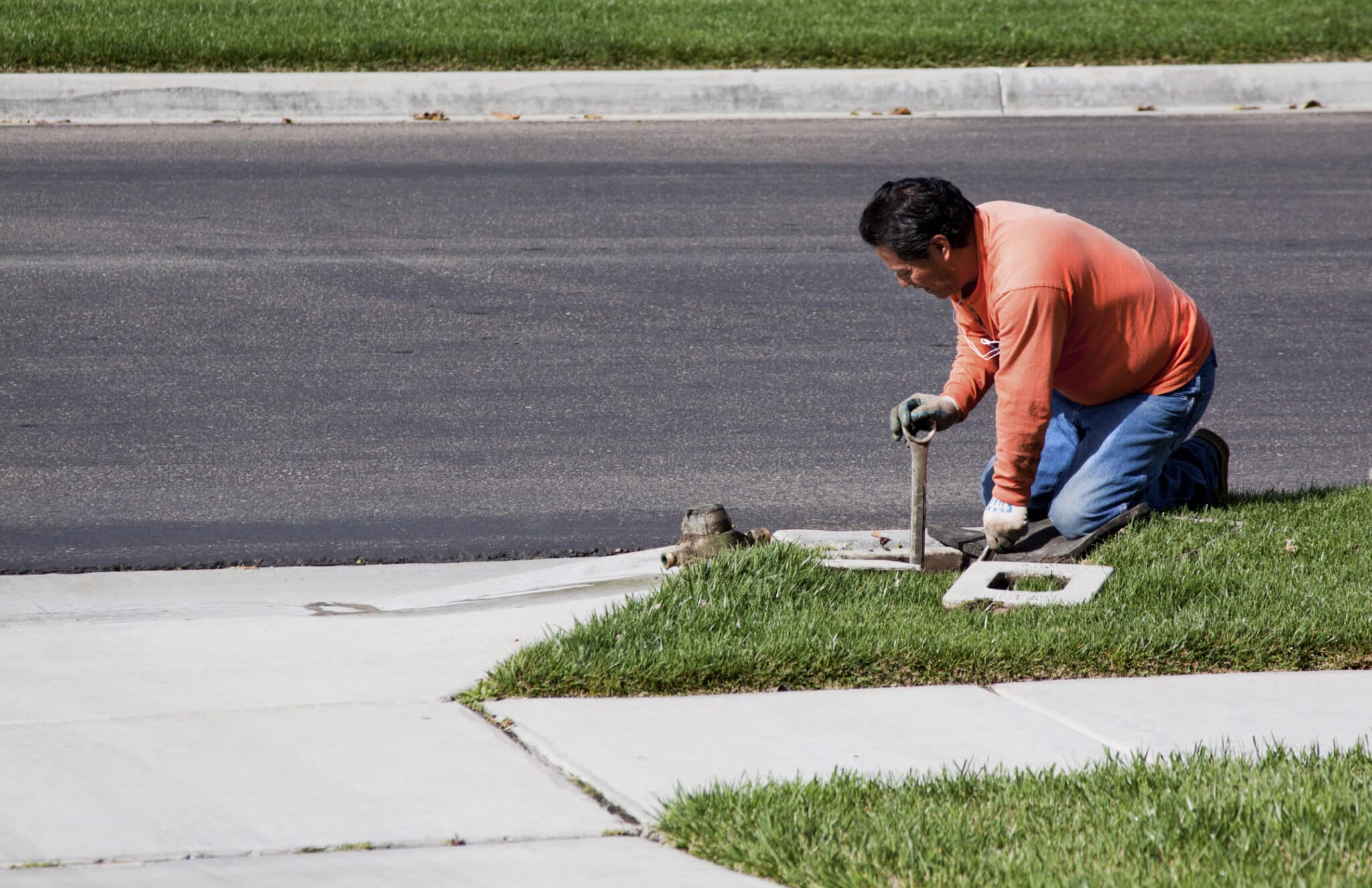
Carefully lift the curb stop cover, taking care not to drop it or damage the edges. If you notice dirt or small stones inside, gently clear them away with your hand or a small brush. This keeps the curb stop location free from blockages and ensures smooth operation. Always wear gloves to protect your hands from sharp objects or insects.
Insert your curb stop key or wrench onto the valve’s square or pentagon-shaped head. Turn the valve slowly and steadily, usually a quarter or half turn, until the water shuts off. Listen for a change in water flow inside your home to confirm the curb stop location is working. Avoid using excessive force, which can damage the valve or pipe.
Once you finish, replace the cover securely and check that it sits flush with the ground. Mark the curb stop location with a small flag or landscape marker for future reference. Share your knowledge with everyone in your household, so they know what to do in an emergency. Whether you live in Mansfield or Waxahachie, being prepared makes all the difference.

Safety Tips for Operating the Curb Stop
Safety is crucial when operating your curb stop location, especially during emergencies. Always wear gloves and sturdy shoes to protect yourself from sharp objects or insects near the valve. Keep children and pets away from the area while you work. Clear communication with family members helps ensure everyone stays safe during the process.
Before turning the valve, check for signs of rust, corrosion, or damage around your curb stop location. Damaged valves can break or leak if handled roughly, so proceed with caution. If you notice any issues, contact a professional plumber for assistance. Never use excessive force, as this can cause costly repairs.
Use a proper curb stop key or wrench designed for your curb stop location. Improvised tools may slip or damage the valve, leading to further problems. Turn the valve slowly and steadily to avoid sudden pressure changes in your plumbing system. Listen for water flow changes to confirm the shut-off is successful.
After operating the valve, replace the cover securely and ensure the curb stop location remains easy to access. Mark the spot clearly so you can find it quickly in future emergencies. In both Mansfield and Waxahachie, keeping the area clear of debris is important for fast access. Share these safety tips with your household to keep everyone prepared and protected.
When to Use the Curb Stop in an Emergency
Knowing when to use your curb stop location is vital during a plumbing emergency. If you notice a sudden drop in water pressure or see water pooling indoors, act quickly. Shutting off the curb stop can prevent serious water damage and give you time to call for help. Immediate action protects your home and belongings from further harm.
A burst pipe is a clear sign to use your curb stop location. Water spraying from walls, ceilings, or floors means you must stop the flow at once. Turning off the main valve keeps the situation from escalating and limits costly repairs. Always confirm the water has stopped before addressing the cause.
Major leaks outside your home also require shutting off the curb stop location. If you spot water gushing near your foundation or yard, use the valve right away. This step prevents erosion and protects your property’s structure. Quick response is especially important after heavy rains in Waxahachie.
Before leaving your Mansfield home for an extended trip, consider using the curb stop location. Turning off the main supply helps prevent surprises while you’re away. This precaution reduces the risk of leaks or pipe bursts in your absence. Share this tip with neighbors or family members for added peace of mind.
Maintenance and Inspection of Your Curb Stop Location
Regular maintenance of your curb stop location ensures it remains functional when you need it most. Check the area around the valve every few months for debris, overgrown plants, or soil buildup. Keeping the curb stop location clear allows for quick access in an emergency. This simple habit can save valuable time and prevent unnecessary stress.
Inspect the valve itself for rust, corrosion, or any visible damage. If you notice any issues, contact a professional before attempting to operate the curb stop location. Early detection helps avoid larger plumbing problems and keeps your home’s water supply secure. Waxahachie homeowners should include this check as part of their seasonal property maintenance routine.
Test the curb stop location by gently turning the valve to ensure it moves smoothly and without resistance. Avoid forcing the valve, as this can cause damage or leaks. If the valve sticks or feels difficult to turn, seek assistance from a licensed plumber. Regular operation prevents the valve from seizing and keeps it ready for emergencies.
Document the exact curb stop location and share this information with everyone in your household. Mark the spot with a visible indicator for easy identification. Mansfield residents can also keep a note with their emergency contacts or home maintenance records. Staying proactive with inspection and maintenance brings peace of mind and protects your property year-round.
When to Call a Professional for Curb Stop Issues
Sometimes, problems with your curb stop location require more than routine maintenance. If the valve feels stuck or won’t turn, avoid forcing it. Attempting repairs without proper tools or experience can cause further damage. In these cases, it’s best to contact a licensed plumber for assistance.
Unusual sounds, leaks, or visible water around the curb stop location signal a serious issue. Water pooling near the valve or a constant drip may indicate a broken seal. Addressing these problems quickly helps prevent water waste and property damage. A professional can assess the situation and provide a safe solution.
If you notice rust, corrosion, or cracks on the curb stop location, do not attempt to fix them yourself. Specialized equipment and training are needed to replace or repair damaged valves. Mansfield homeowners should call a trusted plumber to handle these repairs safely. This ensures the main water supply remains secure and reliable.
For Waxahachie residents, unfamiliar curb stop locations or shared water lines can complicate repairs. If you’re unsure which valve controls your home, seek expert help. Professionals can identify the correct curb stop location and guide you through safe operation. Relying on experienced plumbers keeps your home protected and your water supply dependable.
Frequently Asked Questions
What is a curb stop location and why is it important?
A curb stop location marks where the main water supply line enters your property from the city’s system. Knowing this spot helps you quickly shut off water during emergencies like leaks or repairs. Homeowners who understand their curb stop location can prevent water damage and costly repairs. Regularly checking the curb stop ensures you stay prepared for any plumbing issue that may arise.
How can I find the curb stop location on my property?
To locate your curb stop, start by checking near the street or sidewalk where your water line enters the property. Look for a small metal or plastic cover flush with the ground, often marked “water” or similar. Sometimes landscaping or dirt can hide the curb stop location, so gently clear away debris if needed. If you still cannot find it, your local water provider or a professional plumber can help identify the exact curb stop location.
Who is responsible for maintaining the curb stop?
Homeowners are responsible for keeping the curb stop location accessible and free from obstructions like dirt or landscaping. However, repairs or replacements to the curb stop itself usually fall under the city or water provider’s responsibility. Regularly checking the curb stop location helps prevent issues during emergencies. Always contact your local utility before making changes to the curb stop location or its cover.
What tools do I need to access my curb stop location?
To access your curb stop location, you typically need a curb stop key or wrench designed for turning the valve. A sturdy pair of gloves protects your hands while lifting the cover and operating the tool. Sometimes a flashlight helps you see the curb stop location clearly, especially if it’s buried or in a shaded area. Always keep these tools handy so you can reach the curb stop location quickly during an emergency.
When should I check my curb stop for potential issues?
Inspect your curb stop location at least twice a year, especially before winter and after heavy rainfall. Regular checks help you spot rust, leaks, or obstructions that could cause trouble during emergencies. If you notice difficulty turning the valve or see water pooling, address these issues promptly. Staying proactive with your curb stop location ensures your home’s water supply remains safe and reliable.