


Cross bore safety is essential when adding new gas lines in busy areas like Mansfield and Waxahachie. With underground utilities crisscrossing these cities, careful planning helps prevent accidents and service disruptions. Every step in the process, from locating utilities to verifying depth, plays a critical role. Taking the right precautions ensures both public safety and the reliability of vital services.
Homeowners and contractors alike must understand the risks associated with cross bores. These hidden intersections between utility lines can create dangerous situations if not handled correctly. Gas line installations require extra attention to detail and thorough inspections. By focusing on cross bore safety, everyone involved can avoid costly and hazardous mistakes.
Modern equipment and technology make it easier to detect existing utilities before boring begins. Even with advanced tools, human oversight remains crucial for cross bore safety. Verifying the depth and exact location of every utility line is a necessary precaution. This careful approach helps reduce the risk of accidental strikes during installation.
As communities grow, the demand for new utility lines increases. Mansfield and Waxahachie are no exception, making cross bore safety more important than ever. Professional plumbers must stay vigilant and follow best practices at every stage. Protecting both people and infrastructure starts with a commitment to safe and responsible utility work.
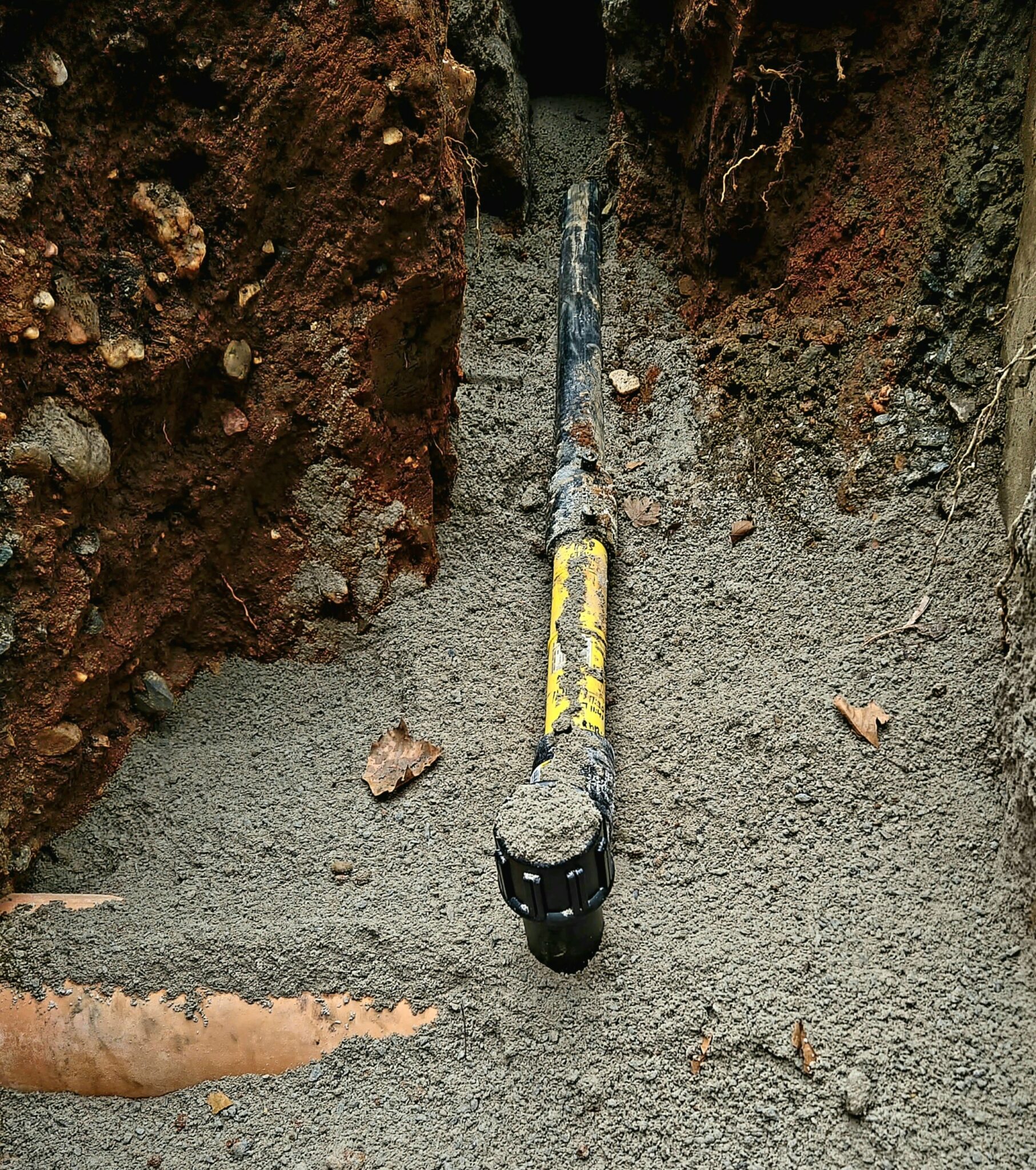
Understanding Cross Bores and Their Risks
A cross bore occurs when a new utility line, such as a gas pipe, intersects an existing underground line. This hidden intersection can cause severe problems if left undetected, including gas leaks or sewer backups. Cross bore safety focuses on preventing these dangerous situations before they happen. Both homeowners and professionals in Mansfield and Waxahachie must remain aware of these risks.
Unnoticed cross bores can lead to property damage, environmental harm, and even personal injury. Striking a gas line during routine maintenance or excavation can have serious consequences. That is why cross bore safety involves not just detection, but also careful documentation and communication. Every utility installation must prioritize thorough checks and clear records.
Gas lines, sewer pipes, and other utilities often run close together underground. Without proper planning, a new bore can easily cross an existing line. Cross bore safety means using advanced detection tools and double-checking all utility maps. This extra effort helps prevent costly and hazardous mistakes during installation.
Contractors and homeowners should never assume utility lines are where maps indicate. Soil shifts and previous projects can alter their locations over time. Cross bore safety requires verifying the depth and position of every line before boring. By staying diligent, everyone helps keep Mansfield and Waxahachie safe from avoidable utility strikes.
Importance of Locating Existing Utilities
Locating existing utilities is the first step in cross bore safety for any gas line installation. Accurate identification of underground lines helps prevent accidental strikes and ensures a safe work environment. In Mansfield, utility crews rely on specialized equipment to map out water, sewer, and gas lines before any boring begins. This careful process reduces the chances of damaging essential services.
Cross bore safety depends on more than just technology, it also requires clear communication among all parties involved. Contractors should always share findings with homeowners and utility companies to keep everyone informed. Waxahachie residents benefit when teams coordinate and confirm the location of every underground utility. This teamwork helps avoid costly repairs and dangerous situations.
Even with advanced detection tools, verifying the depth and alignment of each utility line is crucial for cross bore safety. Soil conditions and previous projects can change where lines are buried, so double-checking is essential. Crews should never rely solely on old records or maps when planning a new bore. Taking the extra time to confirm details protects both workers and the community.
Mistakes during the utility locating process can lead to severe consequences, including gas leaks or service outages. Cross bore safety demands diligence and attention to detail at every stage. By following best practices, professionals help keep neighborhoods safe and utilities running smoothly. Proper utility location is the foundation of safe and successful gas line installations.
Cross Bore Safety: Verifying Utility Depths
Verifying utility depths is a critical part of cross bore safety during gas line installations. After locating existing lines, crews must confirm the precise depth of each utility. This step helps prevent accidental strikes that could lead to dangerous cross bores. In Mansfield, professionals use depth-measuring tools to ensure every line is mapped accurately.
Soil conditions can affect the depth and position of underground utilities over time. Relying on outdated records increases the risk of hitting a line during boring. Cross bore safety requires crews to physically verify depths before starting any drilling work. This extra measure keeps both workers and the public safe from unexpected hazards.
Proper depth verification also helps avoid costly repairs and service interruptions. When installing new gas lines in Waxahachie, teams use careful probing and detection equipment to check every utility’s depth. Cross bore safety depends on this thorough approach, especially in areas with complex underground networks. Accurate depth information allows for safer, more efficient installations.
Communication remains essential throughout the verification process. Crews should document all findings and share them with other team members and utility companies. This transparency supports cross bore safety by ensuring everyone has the most current information. By working together, professionals can confidently install new gas lines without risking hidden utility strikes.
Tools and Technology for Safe Boring
Modern tools and technology play a vital role in cross bore safety during gas line installations. Specialized equipment, such as ground-penetrating radar and electromagnetic locators, helps crews detect hidden utilities with greater accuracy. These tools make it easier to map underground lines and avoid accidental strikes. In Mansfield, professionals rely on this advanced technology to protect both workers and residents.
Remote cameras are another valuable resource for cross bore safety. Crews use them to inspect sewer laterals and confirm that new bores have not intersected existing lines. This visual verification adds an extra layer of protection before completing the installation. Waxahachie teams benefit from these inspections, reducing the risk of undetected cross bores.
Vacuum excavation is a safe method for exposing utilities without causing damage. By using air or water to remove soil, crews can see exact utility locations before boring. This approach supports cross bore safety by minimizing the chance of accidental contact. It also helps verify depth and alignment in real time.
Digital mapping software further enhances cross bore safety by organizing and updating utility data. Crews can access current records and share updates instantly, improving communication and decision-making. This technology ensures everyone has the latest information before starting any work. Combining modern tools with best practices keeps gas line installations safe and efficient.
Cross Bore Safety: Best Practices for Gas Line Installation
Following cross bore safety best practices is essential for every gas line installation. Crews should always start with a detailed plan that includes utility locations and depth checks. This careful preparation helps prevent unexpected utility strikes during boring operations. In Mansfield, professional teams know that a thorough approach reduces the risk of cross bores.
Communication is a key part of cross bore safety throughout the installation process. All findings and updates should be shared with utility companies and other team members. This open exchange ensures everyone works with the most current information. By staying connected, crews can quickly address any issues that arise.
Regular training keeps workers updated on the latest cross bore safety procedures and equipment. Hands-on instruction helps teams recognize potential hazards before they become problems. In Waxahachie, ongoing education supports a culture of safety and accountability. Well-trained crews are better equipped to handle complex utility networks.
Post-installation inspections add another layer of cross bore safety. Crews should use cameras or other verification tools to confirm that no lines were crossed. Documenting these inspections provides a clear record for future reference. This final step ensures new gas lines are installed safely and without incident.
Steps to Take if a Utility Strike Occurs
Despite careful planning, utility strikes can still happen during gas line installations. If a strike occurs, the first step is to stop work immediately and secure the area. Cross bore safety requires crews to assess the situation without delay and check for any signs of gas leaks or other hazards. Quick action helps protect both workers and nearby residents in Mansfield.
After securing the site, notify the appropriate utility company and emergency services right away. Clear communication ensures a rapid response and minimizes the risk of further damage. Cross bore safety depends on accurate reporting, so provide as much detail as possible about the location and nature of the strike. This information helps responders address the issue efficiently.
While waiting for professionals to arrive, keep all personnel and bystanders at a safe distance from the affected area. Do not attempt to repair or move any damaged lines on your own. Cross bore safety means following established protocols and allowing trained experts to handle the situation. In Waxahachie, adherence to these steps can prevent injuries and additional complications.
Once the immediate danger has passed, document the incident thoroughly for future reference. Review the events leading up to the strike and identify any areas for improvement in your process. Cross bore safety involves learning from each incident to strengthen future utility work. This commitment to continuous improvement helps protect both people and infrastructure during every installation.
Training and Certification for Cross Bore Safety
Proper training and certification are crucial for maintaining cross bore safety during gas line installations. Workers must understand the risks and procedures before handling advanced detection equipment or boring tools. In Mansfield, certified professionals are better equipped to recognize hazards and follow best practices on every job site. This foundation of knowledge helps prevent utility strikes and cross bores.
Ongoing education ensures crews stay updated on new technologies and evolving safety standards. Training programs often include hands-on instruction and real-world scenarios to build confidence and skill. In Waxahachie, companies that invest in employee development see fewer incidents and improved cross bore safety outcomes. Well-trained teams can adapt quickly to unexpected challenges underground.
Certification verifies that workers meet industry standards for cross bore safety and utility installation. Many programs require both classroom learning and practical assessments before granting credentials. This process encourages accountability and reinforces the importance of safe utility work. Certified staff bring added peace of mind to homeowners and project managers alike.
Employers should track training records and schedule regular refresher courses for their teams. Documenting certifications supports compliance with local regulations and industry guidelines. Cross bore safety improves when everyone on the crew understands their role and responsibilities. Continuous learning creates a safer environment for both workers and the surrounding community.
Local Regulations and Compliance Requirements
Local regulations play a significant role in cross bore safety during gas line installations. Each city sets specific requirements to protect public infrastructure and ensure safe utility work. In Mansfield, crews must follow municipal codes governing excavation, boring, and utility verification. Adhering to these guidelines helps prevent accidents and maintains compliance with local standards.
Permits are often required before starting any boring or excavation project. These permits outline the necessary cross bore safety procedures, including utility locating and documentation. Waxahachie enforces strict oversight to ensure all contractors meet safety and reporting obligations. Following these rules reduces the risk of utility strikes and keeps projects on track.
Inspections by city officials help verify that cross bore safety measures are in place throughout the installation process. Inspectors review utility maps, depth records, and post-installation documentation for accuracy. Crews must cooperate fully and address any issues identified during these checks. This partnership between professionals and local authorities supports safer utility installations.
Non-compliance with cross bore safety regulations can result in fines or project delays. Contractors should stay informed about current rules and update their practices as needed. Regular communication with city officials helps clarify expectations and prevent misunderstandings. By prioritizing compliance, teams protect both the community and their reputation.

Frequently Asked Questions
What is cross bore safety when installing new gas lines?
Cross bore safety involves careful planning to prevent accidental contact between new gas lines and existing underground utilities. Technicians locate and verify the depth of all utilities before boring begins. This process helps reduce the risk of dangerous utility strikes during installation. Following cross bore safety guidelines ensures a safer environment for both workers and the community.
Why is cross bore safety important for homeowners?
Cross bore safety protects homeowners from gas leaks and utility damage that could cause property loss or injury. When technicians follow cross bore safety procedures, they prevent accidental strikes that may disrupt essential services. This careful approach keeps homes safer and reduces the risk of unexpected repair costs. Homeowners benefit from peace of mind knowing their property and family are protected during gas line installation.
How can I detect a cross bore before adding new gas lines?
Before installing new gas lines, request a professional utility locate to identify existing pipes and cables underground. Cross bore safety relies on accurate mapping and visual confirmation of utility locations before boring begins. Technicians may use specialized cameras or detection tools to inspect for hidden cross bores. This proactive approach ensures cross bore safety by preventing accidental utility strikes during installation.
What are the risks of not checking for cross bores?
Failing to check for cross bores can lead to gas leaks, property damage, or even dangerous explosions. Without proper cross bore safety, utility strikes may disrupt essential services and endanger lives. Accidental damage to existing lines often results in costly repairs and extended outages. Prioritizing cross bore safety helps protect both workers and the Mansfield community from these serious risks.
Who is responsible for ensuring safe gas line installation?
Licensed technicians are responsible for following cross bore safety procedures during gas line installation in Mansfield. Utility companies and contractors must coordinate to verify utility locations and depths before boring begins. Homeowners should choose reputable professionals who prioritize cross bore safety throughout the project. This teamwork ensures safe, reliable gas line installation and protects everyone involved.