


Corrosion inhibitor dosing is a vital process for maintaining the integrity of closed-loop piping systems. Many businesses in Mansfield rely on these systems to keep their operations running smoothly every day. Without proper protection, pipes can suffer from corrosion, leading to costly repairs and unexpected downtime. That’s why understanding corrosion control is essential for long-term reliability.
Closed-loop systems are especially vulnerable to corrosion if not treated correctly. Corrosion inhibitor dosing helps form a protective barrier inside pipes, preventing rust and mineral buildup. This method keeps water quality high and equipment running efficiently. Businesses in Waxahachie have seen improved system performance with regular dosing practices.
Safe dosing practices are critical to achieving the best results from corrosion inhibitor dosing. Proper application ensures the chemicals work as intended without causing harm to equipment or the environment. Technicians must follow guidelines to avoid over- or under-dosing the system. This careful approach extends pipe life and supports sustainable operations.
Many facility managers look for solutions that do not interrupt their daily activities. Corrosion inhibitor dosing offers a way to protect pipes without shutting down the system. This advantage saves time and reduces maintenance costs over the long term. Understanding these benefits helps companies make informed choices for their water systems.
Understanding Closed-Loop Corrosion Control
Closed-loop corrosion control relies on a sealed environment to limit oxygen and contaminants that cause rust. Corrosion inhibitor dosing is the key to maintaining this balance. By adding inhibitors directly into the water, the system gains a layer of defense against internal damage. This process keeps the water chemistry stable and reduces the risk of leaks.
In Mansfield, many facilities use closed-loop systems for heating and cooling. These systems benefit from corrosion inhibitor dosing because it protects both old and new pipes. Consistent dosing helps prevent small issues from becoming major failures. As a result, businesses can focus on productivity instead of frequent repairs.
The science behind corrosion inhibitor dosing involves creating a barrier that blocks corrosive elements. Inhibitors form a thin film on pipe walls, stopping rust before it starts. This method is effective even in complex loops with varying temperatures and pressures. Waxahachie businesses have noticed fewer maintenance calls after adopting these practices.
Proper control of dosing levels is crucial for success. Overdosing can cause scaling, while under-dosing leaves pipes exposed to corrosion. Regular monitoring and adjustments keep the system in optimal condition year-round. This careful approach ensures long-lasting protection and peace of mind for facility managers.

Common Causes of Corrosion in Plumbing Systems
Corrosion in plumbing systems often starts with oxygen entering the water, which accelerates rust and metal decay. Even in closed-loop systems, small leaks or air pockets can introduce enough oxygen to cause problems over time. Water quality also plays a role, as minerals and impurities can react with metal surfaces. Corrosion inhibitor dosing helps counteract these effects by stabilizing water chemistry and reducing oxygen’s impact.
Another common cause of corrosion is fluctuating temperatures within the system. Rapid changes can stress pipe materials, creating tiny cracks where corrosion can begin. In Mansfield, many facilities experience these temperature swings due to changing seasons or system demands. Corrosion inhibitor dosing provides a consistent layer of protection, even when conditions shift unexpectedly.
Improper installation or maintenance can also contribute to corrosion in closed-loop systems. Joints, fittings, and welds are especially vulnerable if not sealed or maintained correctly. Regular inspections and timely repairs help identify weak spots before they become serious. Corrosion inhibitor dosing further reduces risk by protecting these sensitive areas from internal damage.
Water pH imbalance is another factor that can speed up corrosion, especially in older systems around Waxahachie. Acidic or alkaline water can eat away at metal pipes, leading to leaks and failures. Maintaining the right pH level is essential for system health and longevity. Corrosion inhibitor dosing works alongside pH control to keep plumbing systems safe and efficient.
Benefits of Corrosion Inhibitor Dosing
Corrosion inhibitor dosing offers several important benefits for closed-loop plumbing systems. It extends the lifespan of pipes by preventing rust and internal wear. This proactive approach reduces the risk of unexpected leaks and costly repairs. Facilities in Mansfield have seen fewer system failures after implementing regular dosing routines.
Another advantage is improved system efficiency and reliability. By keeping pipes free from corrosion and mineral buildup, water flows smoothly through the network. This consistent performance means heating and cooling systems operate at their best. Businesses can focus on daily operations without worrying about sudden breakdowns.
Corrosion inhibitor dosing also supports environmental responsibility. Safe dosing practices minimize chemical use while maximizing protection, reducing the system’s overall impact. Technicians ensure the right amount is added to maintain water quality and system health. This careful balance benefits both the facility and the surrounding community.
Finally, corrosion inhibitor dosing helps control long-term maintenance costs. With fewer repairs needed, budgets can be planned more effectively. Facilities in Waxahachie have reported lower downtime and better asset management. Investing in this preventive measure delivers lasting value and peace of mind for property managers.
Selecting the Right Corrosion Inhibitor
Choosing the right product is essential for effective corrosion inhibitor dosing in closed-loop systems. Different pipe materials and water chemistries require specific types of inhibitors to provide the best protection. Technicians start by testing water quality and assessing the system’s unique needs. This careful evaluation helps prevent unwanted reactions and maximizes the lifespan of the pipes.
In Mansfield, many facilities use mixed-metal piping, which may need a blended inhibitor for balanced coverage. Corrosion inhibitor dosing should match both the metal type and the operational conditions of the system. For example, some inhibitors are better suited for high-temperature loops, while others protect against mineral scaling. Selecting the correct formula ensures reliable and consistent results.
The application method also matters when planning corrosion inhibitor dosing. Some systems benefit from automated dosing pumps that deliver precise amounts at regular intervals. Manual dosing may work in smaller setups, but it requires close monitoring to avoid errors. Automation helps maintain steady protection, especially in large facilities with complex plumbing networks.
Facilities in Waxahachie have seen positive results by working with experienced professionals to select and apply corrosion inhibitors. Regular consultation ensures the dosing strategy adapts to any changes in water chemistry or system use. Ongoing monitoring and adjustment are key to long-term success. With the right product and process, corrosion inhibitor dosing delivers lasting protection and peace of mind.
Safe Corrosion Inhibitor Dosing Practices
Safe corrosion inhibitor dosing is essential for protecting closed-loop systems without causing harm to pipes or equipment. Technicians in Mansfield follow strict guidelines to measure and add the correct amount of inhibitor each time. This careful approach prevents overuse, which can lead to scaling or chemical imbalances. Consistent monitoring ensures the system remains within safe operating limits.
Personal protective equipment is always used during corrosion inhibitor dosing to avoid accidental contact with chemicals. Proper storage and handling of inhibitors reduce risks for both workers and the environment. Technicians receive training on safe procedures and emergency response in case of spills. These practices support a safe workplace and reliable system performance.
Documentation plays a vital role in safe corrosion inhibitor dosing. Every application is recorded, including the type and amount of inhibitor used. This record-keeping helps track trends and identify any changes in water chemistry or system behavior. Facility managers in Waxahachie use these logs to plan maintenance and adjust dosing as needed.
Regular testing is key to maintaining safe levels of corrosion inhibitor dosing. Water samples are analyzed to confirm the inhibitor is working as intended. Adjustments are made promptly if results show any deviation from target levels. This proactive strategy helps extend pipe life and keeps closed-loop systems running smoothly.
Monitoring and Adjusting Dosing Levels
Monitoring and adjusting corrosion inhibitor dosing is a continuous process that ensures closed-loop systems remain fully protected. Technicians in Mansfield rely on regular water testing to check inhibitor levels and overall water chemistry. By tracking these results, they can spot trends and respond to any changes before issues develop. This proactive approach helps maintain system reliability and extends pipe life.
When test results show deviations from target inhibitor levels, immediate adjustments are made to restore balance. Small changes in water quality or system demand can impact dosing needs over time. Technicians use calibrated equipment to add precise amounts of corrosion inhibitor as needed. This careful attention prevents both under-dosing and over-dosing, keeping the system safe and efficient.
Facilities in Waxahachie benefit from automated monitoring tools that provide real-time data on corrosion inhibitor dosing. These systems alert staff to any fluctuations, allowing for quick intervention if necessary. Automated controls can adjust dosing rates based on current conditions, reducing manual effort and improving accuracy. As a result, the risk of corrosion-related failures drops significantly.
Documentation remains an important part of the monitoring process, with each dosing adjustment carefully recorded for future reference. Facility managers use these records to plan maintenance and optimize future dosing strategies. Regular reviews of dosing logs help identify patterns and improve long-term system performance. With ongoing monitoring and timely adjustments, corrosion inhibitor dosing delivers reliable protection for closed-loop plumbing networks.
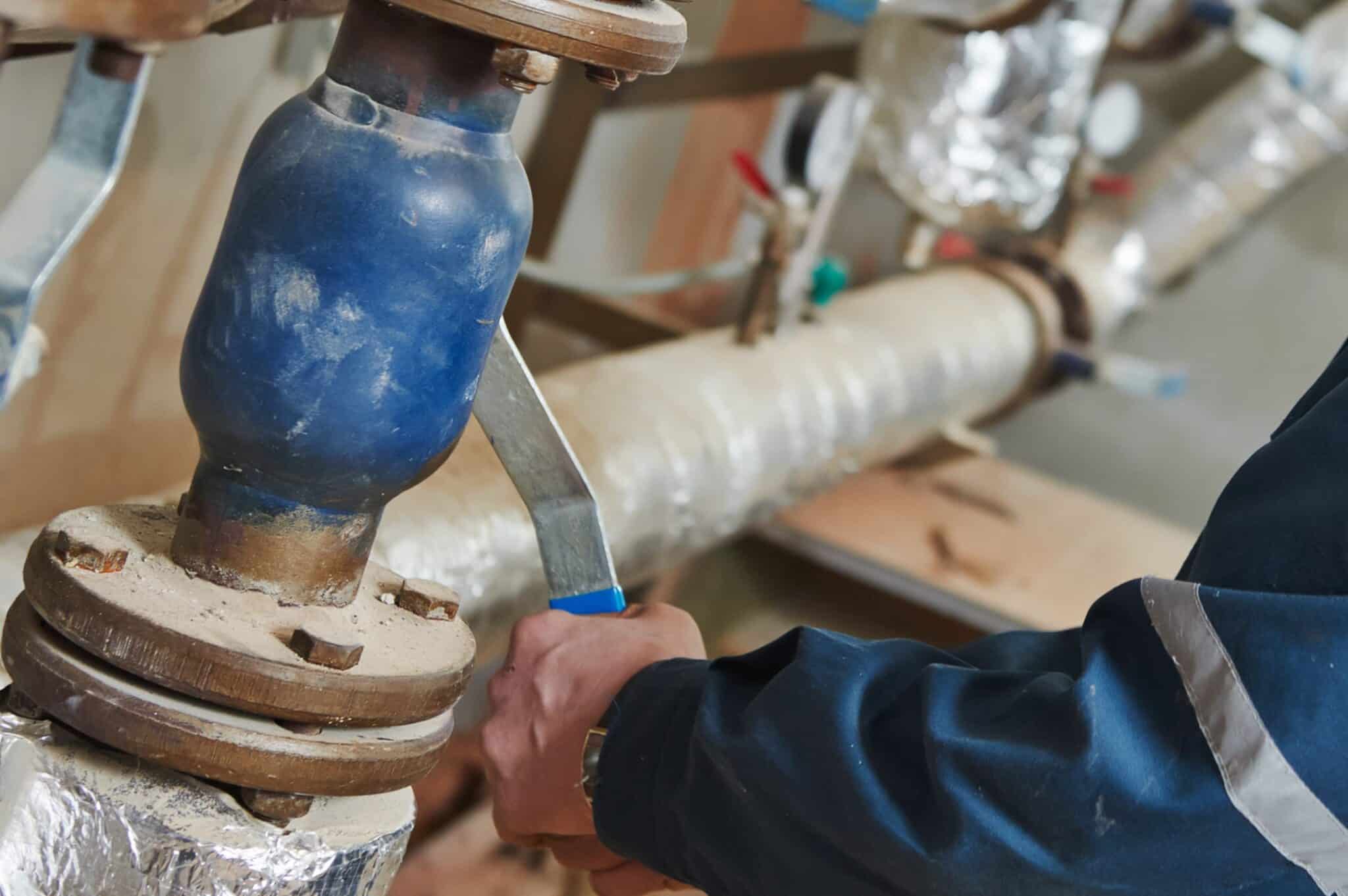
Extending Pipe Life Without System Downtime
Corrosion inhibitor dosing allows facilities to protect their pipes without halting daily operations. This process works while the system remains active, so there is no need for costly shutdowns. In Mansfield, businesses appreciate the ability to maintain productivity while still addressing corrosion risks. The seamless integration of dosing ensures that water quality and equipment performance are never compromised.
Technicians use specialized equipment to introduce corrosion inhibitors directly into the closed-loop system. This method distributes the protective chemicals evenly, reaching all parts of the piping network. In Waxahachie, facility managers have seen fewer disruptions thanks to this efficient dosing approach. Continuous protection helps prevent minor issues from turning into major repairs.
Corrosion inhibitor dosing is designed to be flexible and adaptable to changing system demands. As water flow and temperature fluctuate, dosing rates can be adjusted in real time. Automated systems monitor conditions and make necessary changes without manual intervention. This responsive process keeps pipes safeguarded throughout all operational cycles.
Regular monitoring supports the effectiveness of corrosion inhibitor dosing, ensuring optimal levels are maintained at all times. Technicians review system data and make proactive adjustments as needed. By avoiding downtime, facilities save both time and money on repairs. The result is a longer-lasting, more reliable piping system for any closed-loop application.
Signs Your System Needs Corrosion Inhibitor Dosing
Recognizing when your closed-loop system requires corrosion inhibitor dosing is essential for maintaining reliable operation. One clear sign is the presence of discolored water or rust particles in the system. This often means corrosion has started inside the pipes and needs immediate attention. In Mansfield, facility managers watch for these early warning signs to prevent bigger problems.
A sudden drop in system pressure or unexplained leaks can also indicate internal corrosion. When pipes weaken, they become more prone to cracks and pinhole leaks. Timely corrosion inhibitor dosing helps restore protection and prevent further damage. Waxahachie businesses have reduced costly repairs by acting quickly when these issues arise.
Unusual noises, such as banging or whistling, may signal mineral buildup or corrosion inside the pipes. These sounds often occur when water flow is restricted or blocked. Regular corrosion inhibitor dosing keeps pipes clear and ensures smooth operation. Addressing these symptoms early helps avoid major disruptions to daily activities.
Frequent need for maintenance or unexpected equipment failures can point to inadequate corrosion control. If you notice increased downtime or repair costs, it may be time to review your dosing strategy. Proactive corrosion inhibitor dosing extends the lifespan of your system and supports efficient operation. Monitoring for these signs ensures long-term reliability and peace of mind.
Frequently Asked Questions
What is corrosion inhibitor dosing in pipe maintenance?
Corrosion inhibitor dosing involves adding protective chemicals to closed-loop piping systems to prevent rust and metal decay. This process helps extend pipe life and maintain water quality without interrupting daily operations. By controlling corrosion, Bahama Plumbing ensures your system runs smoothly and safely year-round. Regular corrosion inhibitor dosing reduces costly repairs and supports reliable performance for Mansfield homes and businesses.
How does corrosion inhibitor dosing extend pipe life?
Corrosion inhibitor dosing creates a protective barrier inside pipes, blocking harmful reactions that cause rust and pitting. This shield prevents metal surfaces from breaking down, which helps maintain the pipe’s original strength. Consistent corrosion inhibitor dosing stops leaks and keeps water quality high throughout the system. As a result, pipes last longer and require fewer repairs, saving Mansfield property owners time and money.
Can pipes be treated without shutting down the system?
Pipes can be treated with corrosion inhibitor dosing while the system remains fully operational, avoiding costly shutdowns or interruptions. This method delivers corrosion inhibitors directly into the closed-loop system, ensuring even distribution throughout the pipes. As a result, Bahama Plumbing protects Mansfield properties from corrosion without disrupting daily water use or business activities. Regular corrosion inhibitor dosing keeps pipes healthy and efficient, supporting long-term performance and peace of mind.
What types of pipes benefit most from corrosion inhibitors?
Corrosion inhibitor dosing works best for metal pipes, including steel, copper, and iron, commonly found in closed-loop systems. These pipes face higher risks of rust and pitting, especially in Mansfield’s varying water conditions. Regular corrosion inhibitor dosing protects both older and newer piping, helping prevent costly breakdowns. By treating these materials, Bahama Plumbing extends pipe life and keeps your water system running smoothly.
How often should corrosion inhibitors be applied to pipes?
Corrosion inhibitor dosing should be performed regularly, often every six to twelve months, depending on system size and water quality. Routine monitoring helps determine the ideal schedule for Mansfield properties, ensuring consistent protection and system efficiency. Bahama Plumbing evaluates each closed-loop system to recommend the best corrosion inhibitor dosing frequency for lasting results. Timely treatments keep pipes safe from rust, reduce repair needs, and support uninterrupted water flow throughout your property.