


Dealing with unpleasant smells emanating from your drains can be a frustrating ordeal for any homeowner. It’s a common issue in households, not just in Mansfield, but also in neighboring cities like Kennedale and Waxahachie, signaling that it’s time for some drain odor diagnostics. Identifying the source of these odors is the first step towards a fresh-smelling home. Fortunately, there are several simple diagnostics homeowners can perform before the situation necessitates calling in the professionals.
Understanding the basics of drain odor diagnostics doesn’t require expert knowledge. Often, the cause of the smell is more straightforward than most might think. Whether it’s food debris, buildup, or something more concerning, pinpointing the exact cause is crucial. This initial step empowers homeowners to take the right action, potentially saving time and money.
Starting the diagnostic process involves observing when and where the odor is most potent. Is it constant or does it fluctuate with the use of certain fixtures? Such observations can provide valuable clues. Noticing these patterns can help narrow down the potential causes, making the diagnostic process more efficient.
Moreover, residents in Mansfield, Kennedale, and Waxahachie have access to a variety of resources to guide them through these diagnostics. By taking these preliminary steps, homeowners can often resolve minor issues on their own. However, it’s also important to know when to call in the professionals, ensuring that your home remains a pleasant environment for everyone.
Understanding Common Causes of Drain Odor
Understanding the common causes of drain odor is crucial in effective Drain odor diagnostics. Often, the culprit is the buildup of organic material, such as hair, food particles, and grease, which can decompose and emit unpleasant smells. In areas like Kennedale, where humidity can exacerbate the issue, this buildup can occur more rapidly. Regular cleaning and maintenance of drains can prevent these materials from accumulating and causing odors.
Another frequent cause of drain odor is trapped water in P-traps drying out, especially in less frequently used fixtures. The P-trap is designed to hold water and block sewer gases from entering the home. When the water evaporates, that protective barrier fails. This issue is particularly relevant in Waxahachie, where temperature fluctuations can hasten evaporation and affect Drain odor diagnostics efforts.
Biofilm formation is also a significant contributor to drain odors. This slimy layer forms on the interior surfaces of pipes and drains, consisting of bacteria, fungi, and other microorganisms. Not only does it produce a foul smell, but it can also lead to blockages if not addressed. Identifying biofilm is an important step in Drain odor diagnostics, as it often goes unnoticed until odors become severe.
Lastly, venting issues can lead to persistent drain odors. Proper venting allows sewer gases to escape and helps maintain the water seal in P-traps. If vents are blocked or improperly installed, gases can seep back into the home rather than being released outdoors. Homeowners should consider inspecting vent pipes or consulting professionals when venting problems are suspected.
Drain Odor Diagnostics: Identifying the Source
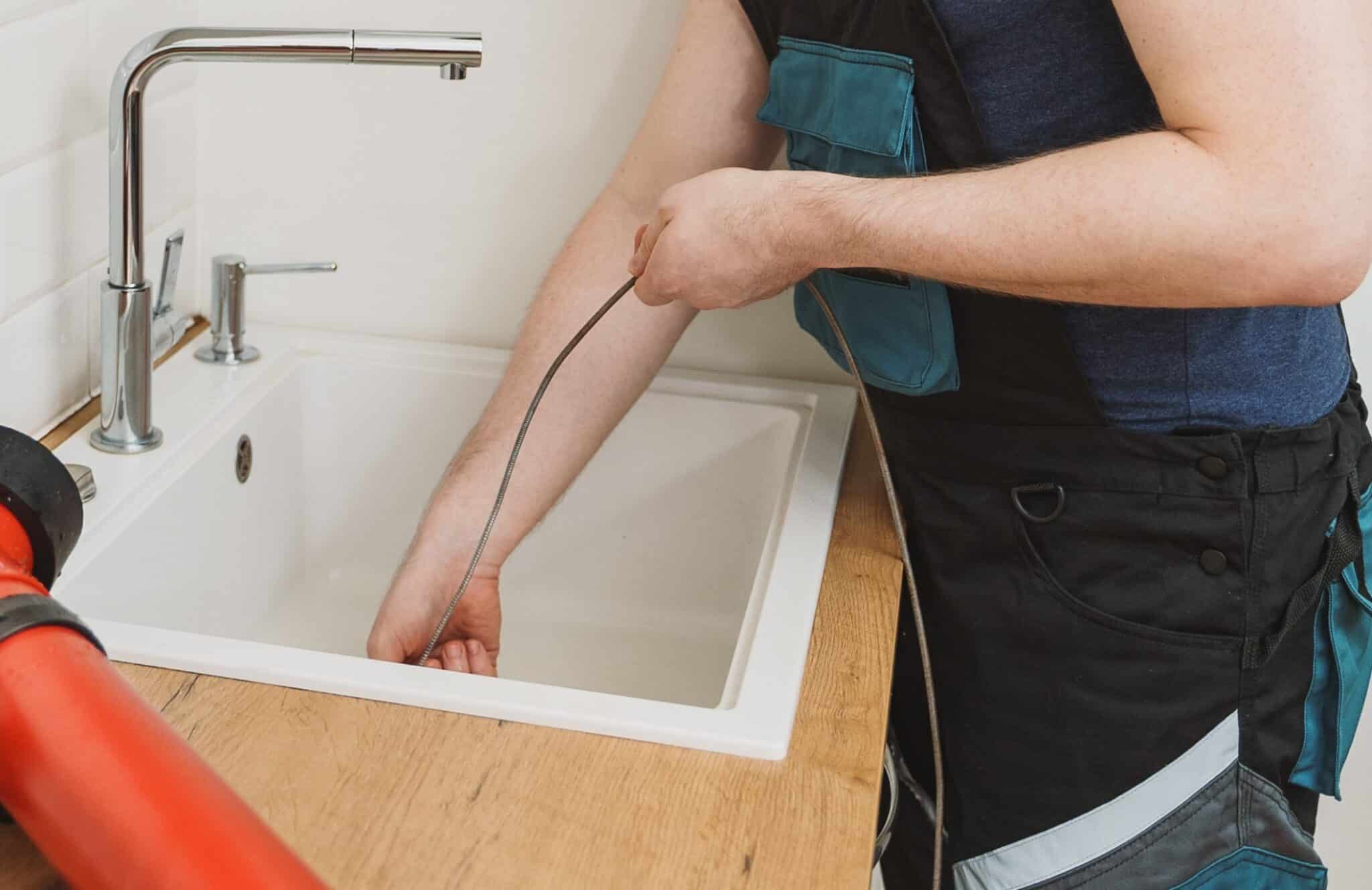
After understanding common causes, homeowners can further their drain odor diagnostics by checking for blockages. Sometimes, a simple blockage is the culprit behind the unpleasant smells. By using a plunger or a plumber’s snake, residents can often dislodge whatever is causing the blockage. This straightforward method can quickly restore fresh air to your home without needing professional intervention.
In addition to mechanical removal, homeowners can use natural cleaning solutions for drain odor diagnostics. Mixing baking soda and vinegar creates a fizzing action that can help break down organic matter causing odors. Pouring this mixture down the drain followed by hot water can effectively reduce unpleasant smells. This eco-friendly approach is not only good for the environment but also gentle on your pipes.
Another diagnostic step involves checking the cleanliness of the garbage disposal. Often overlooked, a dirty garbage disposal can be a significant source of kitchen drain odors. Regularly cleaning it with ice cubes and salt, or citrus peels, can keep odors at bay. This routine maintenance ensures that your garbage disposal and adjacent drains remain odor-free.
Lastly, if these diagnostics do not resolve the issue, it might indicate a more serious problem, such as a sewer line issue. In such cases, contacting a professional plumber becomes necessary. They have the tools and expertise to diagnose and fix problems beyond the reach of most homeowners. Remember, early intervention can prevent more significant issues down the line, keeping your Mansfield home smelling fresh.
Simple DIY Solutions for Mild Drain Smells
For homeowners facing mild drain smells, several simple at-home remedies may help reduce unpleasant odors. One common approach involves boiling water. Pouring boiling water down the drain can help loosen grease and organic buildup that often causes smells. This method is easy to perform and can support routine drain maintenance.
Another helpful option is using lemon juice and salt. This mixture can neutralize odors while leaving behind a fresh scent. Mixing half a cup of lemon juice with a quarter cup of salt and pouring it down the drain allows the acidity to break down odor-causing residue. Many homeowners in Kennedale appreciate this natural and eco-friendly approach.
In addition, cleaning sink and tub overflows can address hidden odor sources. These areas often collect bacteria and debris that standard cleaning misses. Gently scrubbing the overflow with a small brush and mild cleaner helps reduce lingering smells. This step is often overlooked but can make a noticeable difference.
However, when odors persist or return quickly, professional drain odor diagnostics may be necessary. Diagnostic services identify deeper issues such as trapped debris, venting problems, or damaged piping. Residents in Waxahachie can benefit from expert evaluation to pinpoint the root cause. Addressing the source ensures long-term odor control and a fresher home environment.
When to Use Boiling Water for Drain Odor Removal
Boiling water proves to be a simple yet effective tool in drain odor diagnostics. This method works wonders by melting away the gunk and grime that often lead to unpleasant smells emanating from your drains. It’s a safe and quick solution that homeowners in Mansfield can easily implement as part of their routine maintenance. Ensuring the use of boiling water periodically can prevent the accumulation of odor-causing residues, keeping drains smelling fresh.
However, it’s important to understand when boiling water is most appropriate for odor removal. This approach is best suited for drains that are not severely clogged but may have a buildup of organic materials such as oils, fats, and grease. Residents in Kennedale can benefit from this tactic, especially after cooking, to avoid the formation of blockages that contribute to bad odors. Regularly flushing drains with boiling water after meal preparation can significantly reduce the likelihood of developing persistent smells.
In some cases, boiling water alone may not suffice, especially if the odor source is deep within the plumbing system or if there are larger blockages. This scenario calls for a more comprehensive diagnostic approach, including the methods previously discussed like using a plunger, a plumber’s snake, or a combination of baking soda and vinegar. Homeowners in Waxahachie facing stubborn drain odors should consider these additional steps to ensure their efforts are effective in maintaining a pleasant home environment.
Ultimately, knowing when to escalate the situation to professional plumbers is crucial. If after attempting various drain odor diagnostics, including the use of boiling water, the problem persists, it might indicate a deeper, more complex issue. Professionals are equipped with the tools and expertise to address these challenges, ensuring that your efforts to maintain a fresh-smelling home are successful. Engaging with experts can save time and prevent further inconvenience, keeping your living space comfortable and odor-free.
The Role of P-Traps in Preventing Drain Odors
Understanding the role of P-traps in your home plumbing system is a key component of drain odor diagnostics. These curved pipes are designed to trap a small amount of water, creating a seal that prevents sewer gases from entering your home. If you notice a foul smell coming from a drain, the P-trap might have dried out, especially in areas like Kennedale where the weather can influence evaporation rates. Regularly running water through your drains can help maintain this essential barrier and keep odors at bay.
Sometimes, the solution to eliminating drain odors is as simple as ensuring the P-trap is functioning properly. In Waxahachie, fluctuations in temperature and humidity can cause water in the P-trap to evaporate more quickly, compromising its effectiveness. Pouring a gallon of water down infrequently used drains can replenish the P-trap’s water seal. This easy step is an important part of your drain odor diagnostics toolkit, preventing unpleasant smells from arising.
However, if refilling the P-trap does not resolve the odor issue, there might be a deeper problem within your plumbing system. Blockages or biofilm buildup further down the line can also contribute to persistent odors, even with a full P-trap. In such cases, exploring further drain odor diagnostics, such as inspecting for clogs or using enzymatic cleaners, can provide a solution. These methods help address the root cause of odors, ensuring your home remains fresh and inviting.
When all else fails, it’s time to consult with professionals who specialize in plumbing and drain odor diagnostics. Persistent odors despite a functioning P-trap indicate a more complex issue that requires expert intervention. Professionals have the tools and knowledge to thoroughly investigate and resolve plumbing problems, ensuring that your home’s drainage system works efficiently. Engaging their services can ultimately save you time and ensure that your Mansfield home stays odor-free.

Drain Odor Diagnostics: When to Call a Professional
While undertaking drain odor diagnostics, homeowners in Mansfield can employ various methods to identify the source of unpleasant smells. However, there comes a point when professional help is needed. If the odor persists despite trying boiling water, cleaning P-traps, and using natural cleaners, it’s time to call in the experts. Professionals have the tools and experience to delve deeper into the plumbing system, uncovering issues beyond the reach of most homeowners.
In Kennedale, the climate can contribute to plumbing challenges, making some drain odors particularly stubborn. This is when the expertise of a professional plumber becomes invaluable. They can perform comprehensive diagnostics, including camera inspections, to pinpoint the exact cause of the odor. Their ability to diagnose and resolve complex issues can save homeowners time and prevent further inconvenience.
For residents of Waxahachie, engaging a professional for drain odor diagnostics offers an added layer of assurance. Professionals not only identify the source of the problem but also provide long-term solutions to prevent recurrence. Whether it’s a deep-seated blockage, venting issues, or a cracked pipe, a plumber’s intervention can ensure a fresh-smelling home.
Ultimately, while there are many actions homeowners can take to address drain odors, recognizing when to call a professional is crucial. Persistent odors despite thorough diagnostics and cleaning efforts signal the need for expert help. By consulting with a professional plumber, Mansfield residents can ensure their plumbing system is functioning correctly, keeping their home environment pleasant and odor-free.
How Cleaning Vents Can Eliminate Drain Odors
In the quest to maintain a fresh home environment, cleaning vents is a crucial step in Drain odor diagnostics. Over time, vents can become clogged with debris, such as leaves or nests, especially in areas like Kennedale where trees and wildlife are abundant. When vents are blocked, it prevents sewer gases from escaping properly, causing them to seep back into the house. Homeowners can check these vents themselves, ensuring they are clear of obstructions to eliminate odors effectively.
Another aspect to consider is the role of proper venting in maintaining the water seal in P-traps. If vents are not functioning correctly, the water seal can break down, allowing odors to enter the home. Residents in Waxahachie can benefit from ensuring their venting system is intact and clear. This simple diagnostic step can prevent the need for more extensive repairs down the line.
For those unfamiliar with their home’s venting system, Drain odor diagnostics performed by a professional can offer peace of mind. Experts in plumbing can quickly identify and resolve venting issues that contribute to persistent smells. They have the tools and experience to clean and repair vents efficiently. This ensures the plumbing system functions as intended without lingering odors.
Ultimately, incorporating vent cleaning into regular home maintenance supports effective Drain odor diagnostics. By keeping vents clear, homeowners help ensure sewer gases are properly channeled outside, maintaining a pleasant indoor atmosphere. Regular checks can save time and money by preventing odor problems from worsening. This proactive approach helps maintain a comfortable and fresh home environment.
Preventative Measures to Keep Your Drains Smelling Fresh
Taking proactive steps is essential in keeping your drains clear and odor-free, an important aspect of drain odor diagnostics. One effective measure is the regular use of natural cleaning solutions. For instance, a monthly flush with baking soda and vinegar can prevent the buildup that leads to unpleasant smells. This simple routine not only keeps drains running smoothly but also uses eco-friendly ingredients, making it a win-win for homeowners in Mansfield.
Another preventative strategy involves being mindful of what goes down the drain. Avoid disposing of oil, coffee grounds, and other materials that can clog pipes and cause odors. Residents in Kennedale can adopt this practice to minimize the risk of blockages and maintain a fresh-smelling home. By being cautious with waste, you can significantly reduce the likelihood of encountering stubborn drain smells.
Regular inspection and cleaning of garbage disposals are also crucial. Food particles and debris can accumulate, producing foul odors over time. Homeowners can run ice cubes and salt through their disposals to clean the blades and remove trapped materials. This maintenance step is particularly beneficial for those in Waxahachie, ensuring their kitchen drains remain odorless and functional.
Lastly, engaging in routine professional check-ups can catch potential problems before they escalate. A yearly inspection by a plumbing expert can identify and address issues like venting problems or deep-seated blockages. This preemptive approach saves Mansfield residents from the inconvenience of dealing with persistent odors, ensuring their plumbing system is in top condition. Adopting these preventative measures will keep your drains smelling fresh, making your home a more pleasant place to live.
Frequently Asked Questions About Drain odor diagnostics
What causes drain odors?
Drain odors often stem from clogs or buildup in pipes, trapping bacteria and waste. Sometimes, a dry P-trap lets sewer gases seep into your home. Regular use and cleaning can prevent these smells. If the problem persists, it might indicate a deeper issue within your plumbing system.
How to identify drain issues?
To start drain odor diagnostics, first, sniff around to locate the exact source. Next, check for visible signs of blockage or leaks. Running water can help you see if the smell intensifies. Finally, a quick inspection of the P-trap for dryness or debris might reveal the culprit.
What are common drain odor diagnostics?
Common drain odor diagnostics include checking for blockages and ensuring the P-trap isn’t dry. Look for signs of leaks or corrosion in pipes. Regular flushing with hot water can help clear minor clogs. If odors persist, it may be time to consult a professional plumber in Mansfield for a deeper inspection.
Can DIY drain odor diagnostics be effective?
DIY drain odor diagnostics can be quite effective for identifying common issues. Simple checks like sniffing around and inspecting the P-trap can reveal problems. Regular flushing with hot water helps maintain clear pipes. However, if odors persist, it’s wise to call a professional plumber for a thorough inspection.
When should you call a professional?
You should call a professional when simple drain odor diagnostics don’t clear the smell. Persistent odors, despite your efforts, suggest deeper plumbing issues. A plumber can efficiently identify and fix the underlying cause. Trusting a pro ensures your home stays fresh and safe.