


Sewer backups can catch any homeowner off guard, causing stress and costly damage. A backwater valve install helps protect homes from these unexpected events. In places like Mansfield, heavy rains or sewer issues can increase the risk of backups. Homeowners in Waxahachie face similar challenges, making prevention a priority.
Understanding how a backwater valve works is key to making informed decisions. This device acts as a one-way gate, allowing wastewater to flow out but not back in. When installed correctly, it blocks sewer water from re-entering your home. This simple solution can save you from major headaches down the road.
Local building codes sometimes require a backwater valve install for certain properties. These requirements often depend on flood risk or sewer line elevation. Knowing when and why codes apply can help you stay compliant and protected. Consulting with a professional ensures your home meets all necessary standards.
Choosing to invest in a backwater valve install is a proactive step for homeowners. It’s a straightforward way to guard against unexpected sewer problems. With expert installation, you gain peace of mind and added property value. Trusting experienced plumbers makes the process smooth and reliable.
What Is a Backwater Valve?
A backwater valve is a specialized device designed to protect your plumbing system from unwanted sewer backups. It sits inside the main sewer line, usually near where the line exits your home. When water flows out, the valve opens, but it closes tightly if water tries to flow back in. This simple mechanism makes a backwater valve install an effective shield against sudden sewage intrusions.
Homeowners in Mansfield benefit from understanding how this valve operates during heavy rain or city sewer surges. The valve’s flap or gate responds automatically, requiring no manual action during a backup event. By blocking reverse flow, it keeps basements and living spaces dry even when municipal systems are overwhelmed. A backwater valve install is a small upgrade with significant impact on home safety.
In Waxahachie, many homeowners face similar risks due to aging infrastructure or low-lying properties. Installing a backwater valve reduces the chance of contaminated water entering your home during storms or blockages. The valve’s one-way design ensures wastewater leaves your property but never returns. This proactive measure helps protect your investment and your family’s health.
A professional backwater valve install provides long-term peace of mind and meets local code requirements. Plumbers assess your property’s unique needs before choosing the ideal placement for the valve. Regular inspections and maintenance keep the system working properly year after year. Investing in this safeguard is a smart choice for any homeowner concerned about sewer backups.
How Backwater Valves Prevent Sewer Backups
A backwater valve install serves as a critical barrier, stopping sewer water from flowing back into your home during heavy storms. When Mansfield experiences intense rainfall, city sewers can become overloaded and force wastewater back through unprotected lines. The valve’s internal gate responds instantly, closing off the pipe and keeping unwanted water outside where it belongs. This automatic action protects your basement and living spaces from costly water damage.
Sewer backups often happen without warning, especially in areas with older infrastructure or low-lying lots. A backwater valve install prevents these sudden incidents by allowing only one-way flow, so wastewater exits but never returns. Homes in Waxahachie benefit from this added layer of defense, especially during seasonal storms. The device works silently in the background, requiring no action from homeowners during emergencies.
Many residents don’t realize how quickly a backup can occur until it’s too late. With a professional backwater valve install, the risk of raw sewage entering your home drops significantly. These valves are built to withstand pressure and block even large surges from the main sewer line. Regular checks ensure the valve remains in top condition and ready for any event.
Taking preventive steps now can save you from major headaches and expenses in the future. A backwater valve install is a wise investment for anyone concerned about property protection. By working with experienced plumbers, you ensure the system is set up correctly and maintained over time. This peace of mind lets you focus on enjoying your home, no matter what the weather brings.
Signs You Need a Backwater Valve Install
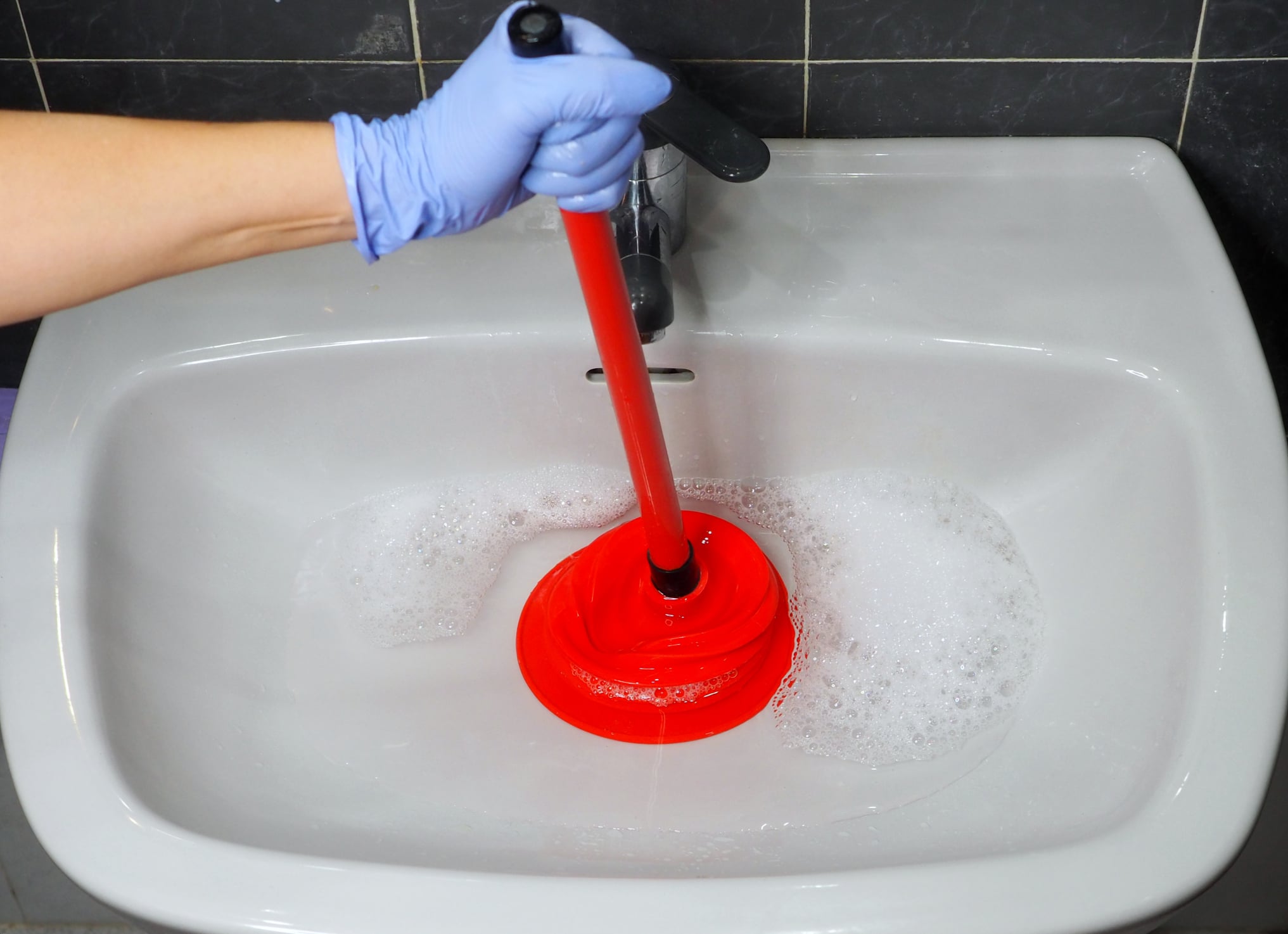
Certain warning signs can indicate your home could benefit from a backwater valve install. Frequent drain clogs or slow-draining fixtures may signal a sewer line under stress. If you notice gurgling sounds from toilets or drains, this could mean pressure is building in the pipes. These symptoms often precede a sewer backup, making early action essential.
Unpleasant odors coming from basement drains are another red flag. This can suggest sewer gases are pushing back into your home, a problem a backwater valve install helps prevent. Water stains or dampness near floor drains after storms also point to potential backflow issues. Homeowners in Mansfield should pay close attention to these early warnings.
If your property sits lower than the street or has a history of flooding, it’s wise to consider extra protection. A backwater valve install offers peace of mind for those living in vulnerable areas. Even newer homes are not immune to sudden sewer surges during heavy rainfall. Acting before a backup occurs can save you from costly repairs and cleanup.
Residents in Waxahachie with aging plumbing or frequent plumbing repairs should also evaluate their risk. Consulting a professional plumber can help determine if a backwater valve install is right for your situation. Regular inspections and timely upgrades keep your home safe from unexpected sewer events. Protecting your investment starts with recognizing the signs and taking preventive steps.
Building Codes Requiring Backwater Valve Install
Local building codes often dictate when a backwater valve install becomes necessary for homeowners. In Mansfield, codes may require this safeguard if your property sits below street level or has experienced past flooding. These rules help ensure that vulnerable homes have protection against sewer backups. Compliance not only keeps your property safe but also avoids potential fines or issues during future home sales.
Understanding the specific requirements for a backwater valve install can be complex. Codes may vary based on your home’s location, age, or connection to the municipal sewer system. Waxahachie has similar regulations, especially for neighborhoods prone to heavy rainfall or older infrastructure. Consulting with a licensed plumber helps clarify which rules apply to your property.
A professional plumber stays current with local plumbing codes and can guide you through the backwater valve install process. They assess your home’s unique risk factors and recommend the best placement for the valve. This ensures both code compliance and maximum protection against sewer backups. Proper documentation from a licensed install may also be needed if you plan to remodel or sell your home.
Staying up to date with code changes is important for long-term property safety. Regular inspections confirm your backwater valve install remains in good working order and meets evolving standards. This proactive approach helps catch issues before they become costly problems. Protecting your investment means following both the letter and spirit of local building codes.
The Backwater Valve Install Process Explained
A backwater valve install starts with a thorough inspection of your home’s plumbing layout. The plumber identifies the main sewer line and determines the best spot for the valve. Proper placement is crucial for effective protection against sewer backups. In Mansfield, experienced professionals ensure every step follows local codes and best practices.
Next, the plumber carefully excavates the area around the chosen section of pipe. The existing sewer line is cut, and the backwater valve is fitted in place. Secure connections and precise alignment are essential for reliable performance. After installation, the area is backfilled and restored to its original condition.
Once the backwater valve install is complete, the plumber tests the system to confirm proper operation. Water is run through the pipes to ensure one-way flow and tight seals. Any adjustments needed are made immediately for optimal function. Homeowners in Waxahachie benefit from this attention to detail and quality assurance.
After installation, the plumber provides maintenance tips to keep the valve working smoothly. Regular checks and occasional cleaning help prevent debris buildup or sticking. Scheduling annual inspections ensures your backwater valve install remains in top condition. This ongoing care protects your home from unexpected sewer issues year after year.
Choosing the Right Backwater Valve for Your Home
Selecting the right valve is a crucial part of a successful backwater valve install. Not all valves are created equal, and your home’s plumbing setup will influence the best choice. Plumbers consider pipe size, material, and flow direction before recommending a specific model. This careful selection ensures the device fits seamlessly and performs reliably.
Some valves are designed for homes with frequent heavy rain, while others suit properties with occasional sewer surges. In Mansfield, plumbers often recommend models that handle large volumes and resist clogging from debris. The chosen valve should match your home’s unique needs and local code requirements. This tailored approach maximizes protection and long-term performance.
Waxahachie homeowners may need different features based on property elevation or sewer line configuration. Professional plumbers evaluate these factors during the initial inspection to guide their recommendations. Choosing a valve with easy-access covers can simplify future maintenance and inspections. The right backwater valve install will offer both convenience and peace of mind.
Quality materials and trusted brands make a difference in durability and effectiveness. Experienced plumbers source valves that meet or exceed industry standards for safety and reliability. Investing in the correct device now prevents costly problems later. With expert guidance, your backwater valve install will safeguard your home for years to come.

Maintenance Tips After Backwater Valve Install
After your backwater valve install, regular maintenance is essential for lasting protection. Start by scheduling yearly inspections with a qualified plumber. They will check for debris buildup, proper sealing, and smooth valve operation. Early detection of issues helps avoid unexpected sewer problems in Mansfield homes.
Cleaning the valve periodically prevents clogs that could block the one-way gate. Remove any visible debris around the access cover and flush the system as recommended. If you notice slow drainage or gurgling sounds, contact a professional right away. Prompt attention keeps your backwater valve install working as intended.
Waxahachie homeowners should also keep an eye on basement drains and floor areas after storms. If water stains or odors appear, it may signal a maintenance need. Staying alert to these warning signs allows for quick action. Routine care ensures your backwater valve install continues to protect your property.
Keep a record of all inspections and maintenance performed on your system. This documentation can be helpful for insurance or future property sales. Share these records with your plumber during each visit for accurate tracking. With consistent upkeep, your backwater valve install offers reliable defense against sewer backups year after year.
Cost and Benefits of Backwater Valve Install
Investing in a backwater valve install offers both immediate and long-term benefits for homeowners. The upfront cost includes professional assessment, quality materials, and expert installation. While the initial expense may seem significant, it is far less than the cost of repairing water damage from a sewer backup. Mansfield residents find this investment worthwhile for the peace of mind it brings.
A backwater valve install reduces the risk of costly cleanup, property loss, and insurance claims after a sewer event. Homeowners enjoy added protection for basements, finished spaces, and valuable belongings. This device also helps maintain a healthy environment by preventing contaminated water from entering the home. Over time, the savings from avoided damage far outweigh the installation cost.
In Waxahachie, a backwater valve install can also boost property value and appeal to future buyers. Many buyers seek homes with proven flood and backup prevention systems already in place. This proactive step demonstrates responsible homeownership and attention to safety. It can make your property stand out in a competitive market.
Regular maintenance ensures your backwater valve install continues to deliver these benefits year after year. Scheduling annual inspections and cleaning keeps the system working efficiently. Reliable performance means you can trust your home is protected, even during heavy storms. With this safeguard in place, you can focus on enjoying your home without worry.
Frequently Asked Questions
What is a backwater valve and how does it work?
A backwater valve is a plumbing device that prevents sewage from flowing backward into your home during heavy rain or blockages. During a backwater valve install, the valve is placed in the main sewer line to protect against unexpected backups. When water flows the correct way, the valve stays open, allowing waste to exit freely. If water tries to reverse, the valve closes tightly, stopping sewage from entering your property.
Why is backwater valve install important for homeowners?
Backwater valve install protects your home from costly damage caused by sudden sewer backups during storms or blockages. It gives homeowners peace of mind by keeping sewage out of living spaces and preventing health hazards. Local plumbing codes often require a backwater valve install in areas prone to flooding or older neighborhoods. By investing in this safeguard, you help maintain your property’s value and avoid unexpected repair expenses.
How much does a backwater valve install typically cost?
The cost of a backwater valve install depends on your home’s layout, existing plumbing, and local labor rates. Most homeowners can expect to pay for both the valve and professional installation services. Factors like accessibility and any needed repairs may affect the final price. Investing in a quality backwater valve install helps protect your home from future sewer backup issues.
Can I perform a backwater valve install myself?
A backwater valve install requires plumbing expertise, proper tools, and knowledge of local building codes for safe, effective results. Improper installation can lead to leaks, code violations, or even sewer backups, putting your home at risk. Professional plumbers ensure the backwater valve install meets all safety standards and functions as intended. Trusting an expert helps protect your property and provides long-term peace of mind.
What maintenance is required after a backwater valve install?
After a backwater valve install, regular maintenance is key to reliable performance and protection. Inspect the valve every few months to remove debris or buildup that could block its movement. Schedule a professional plumber to check the backwater valve install annually for wear or damage. Keeping the valve clean and functional helps prevent future sewer backups and ensures your home stays protected.