


Soil shift plumbing issues are more common than most homeowners realize, especially in areas like Mansfield where the ground can be particularly volatile. These issues arise when the earth around your home moves, either due to natural settling or more dramatic shifts. This movement can place undue stress on your plumbing systems, leading to significant problems if not addressed promptly. Understanding the early warning signs of these issues is crucial to preventing costly damage.
In Mansfield, the soil composition can vary, making some neighborhoods more susceptible to soil shift plumbing issues than others. It’s not just about the visible signs of damage but also about recognizing the subtle indicators that something beneath the surface is amiss. Low water pressure, unexplained increases in water bills, and unusual noises from pipes can all hint at underlying problems. Being vigilant can save homeowners a lot of trouble down the line.
Kennedale, a neighboring city, also experiences its share of soil-related plumbing challenges. The experiences shared by residents in both cities underscore the importance of being proactive in monitoring and maintaining plumbing systems. Regular checks can reveal early signs of soil shift, allowing for timely interventions. This proactive approach is key to safeguarding your home’s structural integrity and plumbing system.
Effective solutions to soil shift plumbing issues involve a combination of professional assessment, timely repairs, and preventive measures. It’s essential to consult with plumbing experts who understand the unique challenges posed by the local soil conditions in Mansfield and Kennedale. By addressing the root cause of the problem and implementing strategic fixes, homeowners can protect their property from the long-term impacts of soil shift plumbing issues.
Understanding Soil Shift and Its Impact on Plumbing
Understanding how soil shift impacts plumbing is crucial for homeowners in Mansfield. As the ground moves, it can cause pipes to bend, crack, or even break. This is particularly problematic for water and sewer lines that are buried underground. Identifying these shifts early can prevent minor issues from becoming major disasters.
In areas like Kennedale, where similar soil conditions exist, residents have noticed changes in their plumbing performance. For example, a sudden drop in water pressure might indicate a pipe has cracked or shifted due to the moving soil. Similarly, if water starts pooling in your yard without an obvious source, it could be a sign of a broken sewer line. These are clear indicators that the soil movement is affecting your plumbing system.
To address soil shift plumbing issues effectively, it’s essential to monitor your property regularly. Look for cracks in the foundation or walls, as these can also signal underground shifts impacting your pipes. Engaging a professional plumber for an annual inspection can help catch problems you might miss. They have the tools and expertise to assess the health of your plumbing system and recommend necessary repairs.
Finally, taking preventive measures can save you from future headaches and expenses. If you’re planting trees, consider their location and root growth to avoid damaging underground pipes. Additionally, proper drainage around your property can help minimize soil movement. By staying vigilant and taking proactive steps, you can protect your home from the adverse effects of soil shift plumbing issues.
Early Warning Signs of Soil Shift Plumbing Issues
Recognizing the early warning signs of soil shift plumbing issues is vital for homeowners in Mansfield. One of the first signs may be unusual sounds coming from your pipes, such as banging or gurgling, indicating that they are moving or under stress. Another red flag is the appearance of cracks in your home’s foundation or walls, suggesting that soil movement is affecting the structural integrity of your property. These signs should prompt immediate action to prevent further damage.
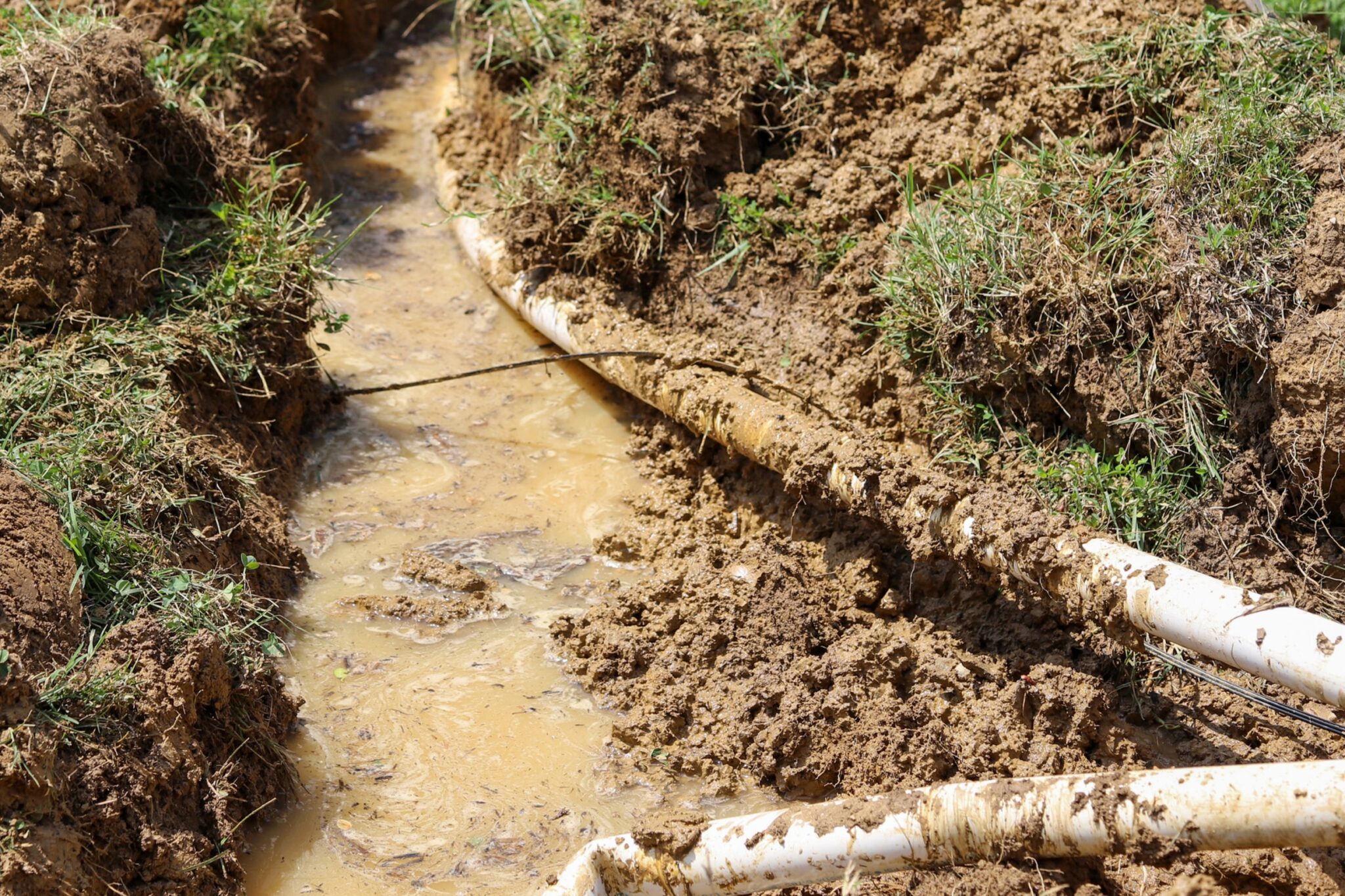
In Kennedale, residents might notice changes in their garden or yard, such as unexplained wet areas or sinkholes, which can indicate a leaking underground pipe. These outdoor signs often go unnoticed until they become severe, so it’s crucial to keep an eye on your property’s exterior for any anomalies. Early detection of these issues can save a significant amount of time and money in repairs. It’s better to address these problems quickly rather than waiting for them to escalate.
Water discoloration is another indicator of soil shift plumbing issues that should not be ignored. If the water from your taps starts to look cloudy or has a brownish tint, it could mean that your pipes are cracked and soil is entering your water supply. This not only poses a risk to your plumbing system but can also affect your health. Ensuring your water’s clarity and safety is a simple yet effective way to keep an eye on the health of your plumbing system.
Finally, if you experience a sudden drop in water pressure, it might be due to a pipe that has shifted or cracked underground. This issue is especially prevalent in areas with volatile soil conditions, like Mansfield and Kennedale. Consulting with a professional plumber who understands local soil behavior is the best course of action. They can assess the situation, identify the root cause, and recommend a tailored solution to protect your home from the adverse effects of soil shift plumbing issues.
How Soil Composition Affects Your Plumbing System
Understanding the composition of the soil in Mansfield is crucial when dealing with soil shift plumbing issues. Different soil types react uniquely to water and pressure, influencing how they shift and settle around plumbing lines. Sandy soils, for instance, may drain too quickly, potentially causing pipes to lose support and bend or crack. Conversely, clay-heavy soils can expand when wet, exerting extra pressure on pipes, which may lead to breaks or misalignments.
In Kennedale, the soil composition varies, adding another layer of complexity to maintaining a healthy plumbing system. Homeowners should be aware that the local soil’s ability to absorb and retain water affects the stability of the ground and, consequently, the underground pipes. A professional assessment can help determine the specific soil characteristics of your property, allowing for more targeted and effective solutions to prevent plumbing issues related to soil shift.
Proactive measures, such as soil stabilization techniques, can mitigate the risk of soil shift plumbing issues. These methods may include adjusting the moisture level of the soil around your home to maintain consistency in its volume and pressure on pipes. Additionally, installing more robust piping materials that can withstand the pressures of shifting soils might be recommended, especially in areas known for volatile soil conditions.
Regularly monitoring your property for signs of soil shift and its impact on your plumbing system is essential. Early detection and response to changes can prevent minor issues from escalating into major problems. Consulting with plumbing experts familiar with Mansfield and Kennedale’s soil conditions ensures that homeowners can adopt the most effective strategies to protect their plumbing infrastructure from the unpredictable nature of soil shift.
Preventative Measures to Combat Soil Shift Damage
Taking preventative measures against soil shift damage is crucial for homeowners in Mansfield, where the risk of plumbing issues due to soil movement is significant. One effective strategy is to schedule regular plumbing inspections, which can identify potential problems before they escalate. These inspections allow professionals to spot early signs of stress on pipes that might not be visible to the untrained eye. By catching these issues early, homeowners can avoid the inconvenience and cost of major repairs.
Another important step is to ensure proper water drainage around your property. Poor drainage can exacerbate soil shift, putting additional pressure on underground pipes. Homeowners should consider installing French drains or adjusting the landscape to promote water flow away from the foundation. This proactive approach not only protects your plumbing but also helps preserve your property’s structural integrity.
In Kennedale, adapting landscaping practices can also play a pivotal role in preventing soil shift plumbing issues. Choosing plants and trees with less invasive root systems minimizes the risk of roots encroaching on pipes and causing damage. Additionally, understanding the spacing and depth at which to plant can further safeguard your plumbing system from root-related problems. These landscaping adjustments are simple yet effective ways to mitigate potential plumbing issues.
Finally, investing in soil stabilization projects can offer long-term protection against the effects of soil movement. Techniques such as adding retaining walls or using specific types of ground cover can reduce soil erosion and maintain consistent soil moisture levels. For areas prone to dramatic soil shifts, consulting with a soil engineer might be advisable to implement more advanced stabilization methods. These measures, while potentially requiring upfront investment, can save homeowners from costly plumbing repairs down the line.
Innovative Solutions for Soil Shift Plumbing Issues
Innovative solutions for soil shift plumbing issues are becoming increasingly important for homeowners in Mansfield. One such approach involves the use of smart sensors to monitor soil moisture levels and detect early signs of soil movement. These devices can alert homeowners to potential problems before they escalate, allowing for timely intervention. This technology represents a proactive step towards safeguarding plumbing systems against the unpredictable nature of soil shifts.
Another cutting-edge solution is the installation of flexible piping systems designed to withstand ground movement. Unlike traditional rigid pipes, these flexible alternatives can bend without breaking, significantly reducing the risk of leaks and bursts under stress. Homeowners in Kennedale have already seen the benefits of such systems, which offer a durable solution to the challenges posed by shifting soils. This innovation marks a significant advancement in plumbing infrastructure, tailored to combat soil shift plumbing issues.
Additionally, the use of ground stabilization techniques, such as chemical soil injections, is gaining traction. These treatments increase the soil’s strength and stability around plumbing lines, effectively minimizing the impact of soil shifts. By creating a more stable underground environment, these injections help maintain the integrity of a home’s plumbing system. This method not only addresses the immediate concerns but also contributes to the long-term preservation of property.
Finally, community-wide education programs on water conservation and soil health can play a crucial role in mitigating soil shift plumbing issues. By understanding how excessive water usage can contribute to soil instability, residents can adopt more sustainable practices. These programs, combined with the aforementioned technological and structural solutions, offer a comprehensive approach to managing and preventing soil shift plumbing issues. Together, they form a robust defense against the potentially damaging effects of soil movement on plumbing systems.
The Role of Professional Plumbers in Addressing Soil Shift
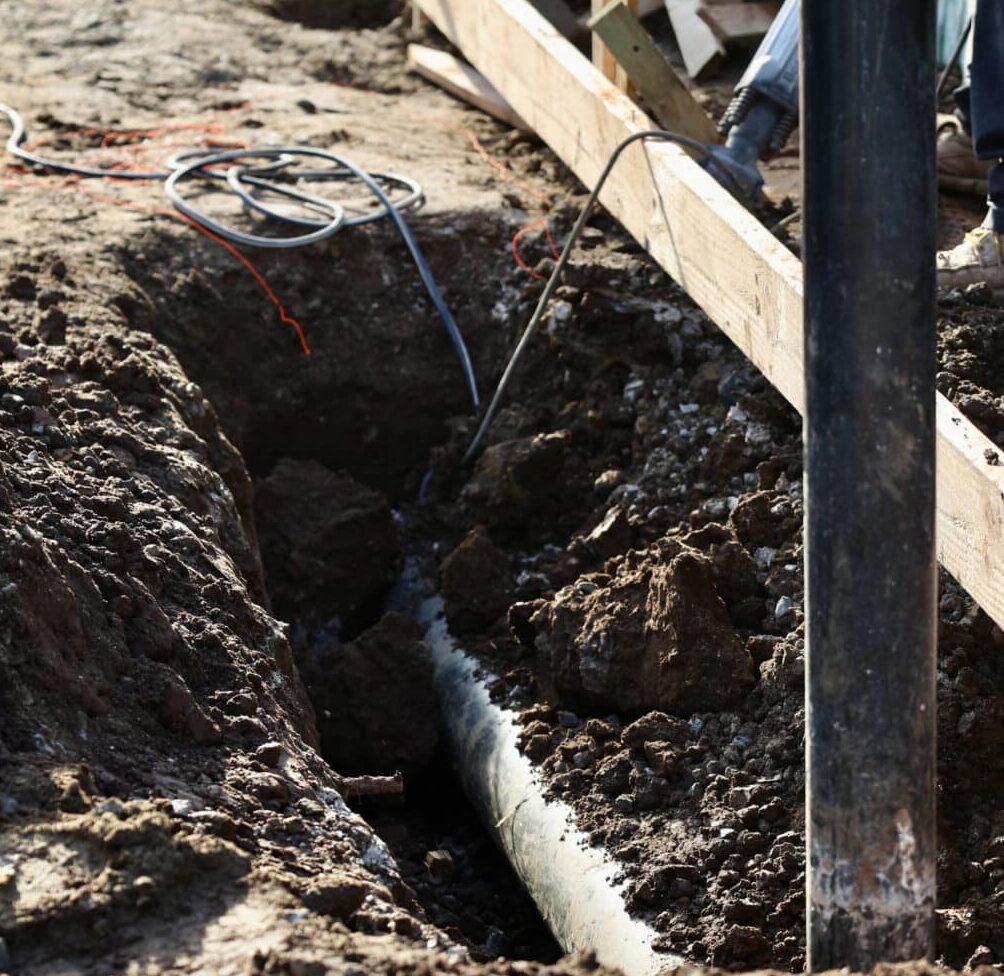
Professional plumbers play a crucial role in combating soil shift plumbing issues, especially in areas like Mansfield where the ground is prone to movement. With their expertise, they can accurately diagnose problems caused by soil shifts. These professionals use specialized equipment to inspect pipes and identify areas at risk or already damaged. Their knowledge ensures that homeowners receive precise assessments and effective solutions tailored to their specific situation.
In addition to diagnosis, plumbers offer invaluable advice on preventing future soil shift plumbing issues. For instance, they might recommend changes in water usage or adjustments to landscaping to reduce the strain on plumbing systems. This preventative advice is based on a thorough understanding of the local soil conditions and plumbing infrastructure. Homeowners in Kennedale have benefited from such guidance, protecting their homes from potential damage.
Repairing damage caused by soil shifts is another area where professional plumbers excel. They employ advanced techniques, such as trenchless pipe repair, to fix problems with minimal disruption to the property. These methods not only address the immediate issue but also strengthen the plumbing system against future soil movement. By choosing a professional plumber, homeowners ensure that repairs are done right the first time, avoiding costly repeat issues.
Finally, professional plumbers can implement long-term solutions that go beyond simple repairs. They might install more resilient pipe materials or suggest landscape modifications to improve drainage and stabilize the soil. These strategic interventions can significantly reduce the likelihood of soil shift plumbing issues reoccurring. For residents of Mansfield and Kennedale, investing in such expertise is a wise decision for protecting their homes and plumbing systems from the unpredictable challenges posed by soil movement.
Case Studies: Overcoming Soil Shift Plumbing Challenges
In Mansfield, a homeowner noticed unusual wet patches in their yard despite the absence of recent rains. They called a local plumber who identified the issue as a leaking pipe caused by soil shifting beneath their property. The plumber used a non-invasive technique to repair the pipe, preventing further damage. This case highlights the importance of early detection and professional intervention in addressing soil shift plumbing issues.
Another instance involved a Kennedale family who experienced low water pressure and discolored water. Upon inspection, it was discovered that soil movement had cracked their main water line. The plumbing team installed flexible piping, which is more resistant to future soil shifts. This solution not only fixed the immediate problem but also offered long-term protection against similar issues.
A community in Mansfield collaborated with a plumbing company to implement smart sensors around their homes to monitor soil moisture levels. The sensors provided early warnings of potential soil shifts, allowing for preemptive measures to safeguard the plumbing systems. This proactive approach demonstrated how technology can be a valuable tool in preventing soil shift plumbing issues.
Lastly, a Kennedale neighborhood faced repeated plumbing problems due to the area’s volatile soil. They worked with experts to improve drainage and stabilize the soil around their properties. These measures reduced the strain on their plumbing systems, showcasing the effectiveness of community-wide efforts in overcoming soil shift challenges.
Maintenance Tips to Prevent Future Plumbing Problems
To keep your plumbing system safe from soil shift plumbing issues, regular maintenance is crucial. In Mansfield, residents can start by scheduling seasonal inspections with a trusted plumber. These check-ups can catch early signs of stress on pipes, preventing minor issues from escalating. Addressing these concerns promptly can save significant time and money in the long run.
Another effective strategy involves monitoring your water usage and the health of your landscape. For those in Kennedale, being mindful of how much water your household consumes can reduce the risk of soil saturation and subsequent shifts. Additionally, choosing plants with less invasive root systems can protect underground pipes from potential damage. This dual approach ensures both your plumbing and garden contribute to a stable soil environment.
Implementing soil stabilization methods can also offer a layer of protection against shifting soils. Homeowners might consider adding mulch or ground cover to maintain consistent moisture levels in the soil. These simple yet effective measures can significantly decrease the likelihood of soil shift plumbing issues. By keeping the soil around your home stable, you safeguard your plumbing infrastructure from unnecessary strain.
Lastly, staying informed about the latest plumbing technologies and materials can offer long-term benefits. Flexible piping, for example, has proven effective in areas prone to soil movement, like Mansfield and Kennedale. Investing in such innovations not only addresses current plumbing challenges but also prepares your home to withstand future shifts. Keeping abreast of these advancements ensures your plumbing system remains resilient against the unpredictable nature of soil movement.
Frequently Asked Questions
What causes Soil Shift Plumbing Issues?
Soil shift plumbing issues often stem from natural ground movements. These movements can be due to changes in moisture levels, leading to soil expansion or contraction. Earthquakes and nearby construction work also contribute to the shifting ground. Over time, this can cause pipes to bend, break, or disconnect, leading to serious plumbing problems.
How to identify plumbing leaks?
Identifying plumbing leaks early can save you from major headaches. Listen for unusual sounds, like water running when taps are off. Check for damp spots on walls, floors, or ceilings. A sudden spike in your water bill also signals a leak. Regularly inspecting pipes helps catch these signs before they lead to soil shift plumbing issues.
Can weather affect plumbing?
Yes, weather plays a significant role in plumbing health. Extreme temperatures cause pipes to expand or contract, leading to damage. Heavy rain can saturate the soil, increasing pressure on underground pipes. These conditions often contribute to soil shift plumbing issues, affecting your home’s plumbing system.
Signs of Soil Shift Plumbing Issues?
Noticeable cracks in your foundation or walls can signal soil shift plumbing issues. Doors and windows that suddenly don’t fit well may also indicate ground movement affecting pipes. If water pressure drops or you spot unusual wet areas in your yard, these too are warning signs. Taking early action can prevent more severe damage to your plumbing system.
How to prevent plumbing issues?
To prevent plumbing issues, it’s key to maintain regular inspections of your system. Address minor repairs quickly to avoid larger problems later. Installing supports for pipes can reduce strain from soil shifts. Finally, keeping an eye on water pressure and drainage patterns helps catch early signs of trouble.