


Key Takeaways About Hydro Jetting Service
Hydro jetting service uses a high-pressure water stream to clean pipe interiors and remove grease roots and scale. This summary helps homeowners and property managers decide when a professional inspection or cleaning matters.
- Identify slow drains gurgling or recurring backups as warning signs.
- Prevent long term pipe damage by addressing repeated clogs early.
- Avoid high pressure on fragile pipes without a camera inspection.
- Spot grease roots or continuous coating during a camera run.
- Reduce recurrence with habit changes and scheduled maintenance.
- Plan repairs when camera footage shows structural pipe issues.
Introduction
Hydro jetting service uses high-pressure water to clear built-up debris and stubborn clogs inside pipes. It removes grease, roots, mineral scale, and sludge that snaking often cannot fully cut away. Homeowners notice slow drains, frequent backups, and gurgling as common warning signs. When those symptoms repeat, the underlying buildup can damage pipes and cause more serious failures over time.
Technicians push a flexible hose with a special nozzle into the drain and apply controlled high-pressure water. The process cleans the pipe walls instead of just punching a hole through the obstruction. Professionals often inspect with a camera before and after to confirm the condition and results. That inspection helps decide if hydro jetting is appropriate or if another repair is needed.
Hydro jetting works best for main sewer lines, commercial drains, and pipes suffering from grease or root intrusion. It is less useful for very old, fragile pipes that could crack under pressure. A careful plumber checks the pipe material, cleanout access, and any previous repairs first. If risks exist, they recommend safer alternatives or additional precautions.
Homeowners in Mansfield should act early when drains slow or backups repeat to avoid larger repairs later. For properties in Waxahachie, recurring clogs in multiunit buildings often point to shared sewer issues needing thorough cleaning. A clear diagnosis with camera footage and measurable flow improvement shows whether hydro jetting solved the problem. If you decide to schedule a professional inspection, expect a documented report and recommendation based on observed conditions.
How Hydro Jetting Service Works And Mechanics
Hydro jetting service uses a high-pressure stream of water to scour the inside of a pipe and remove build-up quickly.
- Nozzle sprays water forward and backward.
- Hose feeds through a cleanout or access point.
- Pressure settings adjust for pipe material.
- Technicians monitor flow and debris removal.
A technician first locates a cleanout or access point and feeds a flexible hose with a cutting nozzle into the line. They often run a camera inspection before starting to confirm the blockage location and pipe condition. A common homeowner question is whether hydro jetting will harm pipes, and the short answer is professionals match pressure to pipe material to avoid damage. For properties in Mansfield, identifying a proper access point is often the key step before any work begins.
During operation, the nozzle directs high-pressure water both forward and backward to cut roots and wash away grease and scale. The technician watches pressure readings and hose feed rate to ensure even cleaning without overstressing joints. They collect before-and-after camera footage when possible so homeowners can see recorded footage of the cleared section. This visual evidence helps confirm the process removed the obstruction rather than merely creating a temporary channel.
Professionals confirm success with flow tests and another camera run to check for residual debris or damage. They also inspect nearby components like the P-trap, vent stack, and cleanout seals for leaks after cleaning. If fragile repairs or past patches appear during inspection, the crew reduces pressure or recommends alternatives. For multiunit or shared systems in Waxahachie, technicians may coordinate access and run extended cleaning passes to address downstream buildup effectively.
Common Causes Of Stubborn Clogs And Build Up
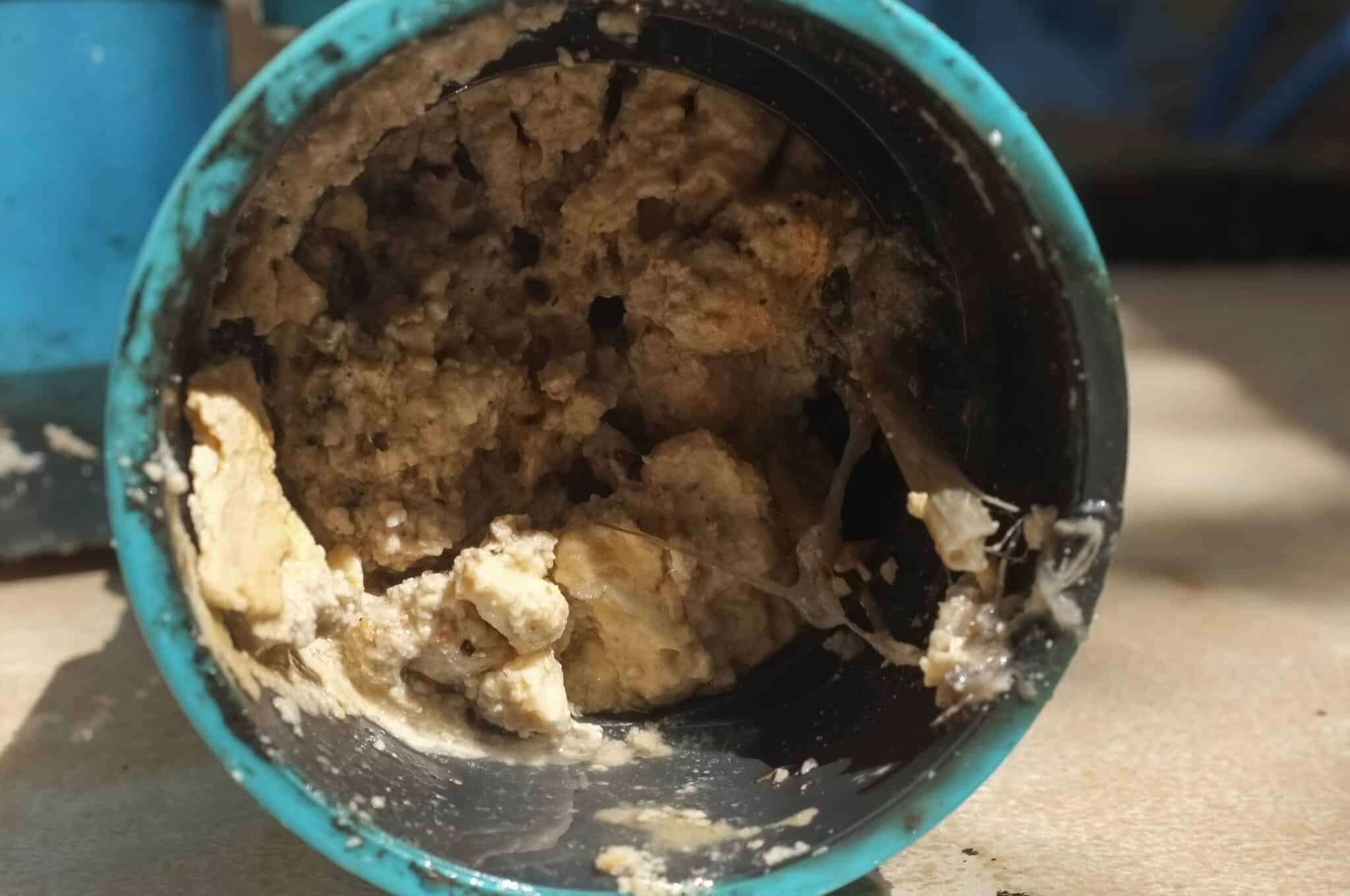
Grease and cooking oils congeal on pipe walls and form a sticky layer that narrows flow over time. Hair mixed with soap produces ropes that catch other debris and slow drainage in bathroom lines. Mineral scale from hard water builds thin, rough coatings that trap grease and sediment inside sewer sections. Roots penetrate joints and form dense mats that resist simple snaking and require mechanical removal or hydro cutting.
Broken or collapsed pipe segments collect silt and solids, creating partial dams that catch more debris with each flush. Old joint seals can let soil and roots intrude, creating pockets where buildup gathers unseen. Debris accumulates more quickly in lines with poor slope or multiple bends that reduce self-cleaning flow. For homeowners in Mansfield, minor slope problems can magnify clogging in older lateral lines under yards.
Household practices also add to buildup, like pouring fats down the sink and flushing wipes labeled non-flushable. Repeated small blockages often mean the problem is distributed along a long run rather than a single plug. Technicians confirm this by running a camera and noting continuous coating, root intrusion, or multiple restriction points. That recorded footage helps decide between targeted repairs and a full cleaning approach such as described in the company article about hydro jetting.
Seasonal factors can worsen clogs when yard roots grow toward moisture sources or when people use more water during warmer months. In Waxahachie, shared sewer lines in multiunit properties often show recurring grease and paper-related buildup. A professional diagnosing the line will inspect cleanouts, run a camera, and perform a simple flow test to map blockage locations. These steps produce clear evidence, like recorded footage and flow readings, to guide the proper remedy.
Warning Signs Homeowners Should Watch For
Slow drains that start in one fixture and spread to others over days indicate a developing blockage further down the line. You might hear gurgling in pipes after a washer or shower runs, which shows trapped air from partial obstructions. A persistent sewage smell near a cleanout or floor drain signals a compromised seal or standing waste in the pipe. Homeowners should document when odors and gurgling occur to help a technician pinpoint timing and flow patterns.
To diagnose, a plumber will inspect accessible cleanouts and run a camera to record exact blockage locations and pipe condition. They often perform a simple flow test by running water at the fixture while observing camera footage to see speed and turbulence. Pressure readings at the service line and any backwater valve checks provide additional objective data for decision making. These diagnostic steps produce recorded footage and readings that guide whether hydro jetting service is appropriate.
Recurrent backups that clear temporarily after snaking but return within weeks suggest distributed buildup rather than a single plug needing repeated mechanical cutting. Visible root intrusion on camera or a rope-like residue across long pipe sections points to conditions hydro jetting can remove effectively. If camera footage shows many thin, fragile joints or deteriorated clay segments, the technician may flag hydro jetting as risky for those sections. In such cases, professionals recommend targeted repairs or gentler cleaning methods documented in a written report.
Repeated clogs after kitchen use often stem from grease layering that narrows pipe diameter gradually and resists simple snaking attempts. For multiunit systems in Waxahachie, frequent paper and grease issues typically appear on shared mains and need coordinated cleaning. Homeowners in Mansfield should watch for sudden increases in clog frequency after yard work or seasonal changes that can worsen root activity. If you notice these warning signs, contact a professional drain cleaning inspection to obtain camera footage, test results, and a recommended plan.
When To Call A Professional Hydro Jetting Service
If you notice frequent backups after multiple fixtures run, call a pro for a focused evaluation right away. A technician can confirm whether blockages are distributed or isolated with targeted inspections. They will also advise if hydro jetting service is suitable based on visible pipe condition. Early professional involvement prevents further damage and reduces repair complexity later.
- Camera inspection to locate blockages.
- Assessment of pipe material and joints.
- Pressure suitability check before cleaning.
- Verification of cleanout and access points.
Schedule an expert when snaking clears a clog only temporarily and problems return within weeks. Repeated short-term fixes often mean coating or roots persist beyond the snaked area. A plumber documents findings with recorded footage and a written recommendation for next steps. That documentation helps decide between jetting, repairs, or a combined approach.
Consider calling sooner if you smell sewage near a cleanout or hear frequent gurgling after appliance cycles. Technicians will run simple flow tests and camera checks to confirm flow restoration after cleaning. For homeowners in Mansfield, quick action prevents soil or landscaping disruption from more invasive repairs. If your property is part of a shared system in Waxahachie, coordinate inspections to address mainline buildup effectively.
What Technicians Inspect And Test During Service
Technicians begin by verifying access points and cleanout integrity, looking for cracked caps, loose fittings, or blocked vents that affect water flow. They run a camera inspection to record the pipe interior and note joint condition, root intrusion, and continuous coatings that resist mechanical cutting. A plumber checks nearby components like the P-trap, shutoff valves, and backwater valve to ensure those parts function and won’t interfere with testing. These initial checks produce recorded footage and notes that guide safe pressure selection for the cleaning phase.
During diagnosis, the tech performs simple flow and pressure checks while observing camera video to see how water moves past restrictions in real time. They may use a dye or smoke test at fixtures to confirm the location of cross-connections or hidden leaks before applying high-pressure water. Recorded flow improvement and any pressure readings create objective evidence for recommending hydro jetting service or alternatives. If camera footage shows many fragile joints, the technician documents that risk and suggests gentler options.
While preparing for cleaning, the crew inspects for previous repairs, patches, or visible corrosion that could fail under high pressure and require repair first. They test hose feed and nozzle function outside the home, then feed the hose through the cleanout while watching feed rate and tension to prevent snagging. Technicians monitor pressure gauges and hose movement continuously, comparing live readings to expected ranges for that pipe material and condition. Observations get logged in the service report with before-and-after camera clips when possible.
After cleaning, professionals re-run the camera to confirm removal of grease, roots, and scale and to document any newly exposed damage needing follow-up repair. They perform another flow test and inspect connections at the appliance and cleanout for leaks or displaced seals, recording results for the homeowner. If recurring buildup risks remain, the technician provides maintenance suggestions and references to routine care practices and sewer-line guidance. Homeowners in Mansfield and property managers in Waxahachie benefit from the documented findings when planning next steps.
Expected Results And How Long They Last
Most homeowners see immediate improvement in flow and reduced odors after a professional hydro jetting service, often within minutes of completion. Technicians confirm this with a final camera run and a flow test to show restored pipe clearance. Results typically include removal of grease, hair, and small root material that caused recurring backups. However, complete prevention of future buildup depends on the underlying cause and household habits.
How long results last varies with source conditions and usage patterns in the property. Lines affected mainly by grease can stay clear several months to a year if owners change disposal habits and use strainers. Root regrowth timing depends on species and nearby moisture, roots can return more quickly if a damaged joint remains. A written recommendation often outlines expected re-cleaning intervals based on camera findings and flow readings.
When technicians find widespread or structural damage during inspection, hydro jetting may only be a temporary fix until repairs occur. In those cases, camera footage and pressure records show where joints or clay sections need replacement to stop rapid recurrence. For recurring problems, professionals may suggest a monitored maintenance schedule to reduce emergency callouts and document condition over time. Homeowners who follow a scheduled plan tend to delay major repairs longer than those who wait for a failure.
Properties with shared mains, like some multiunit buildings in Waxahachie, often require coordinated cleaning to keep results longer across units. For a single-family home in Mansfield, simple maintenance and avoiding flushing wipes helps extend cleaning life. If clogs return quickly after service, ask the technician for recorded footage and a written plan highlighting repair versus maintenance options. That evidence guides the next steps and helps set realistic expectations for longevity.
Safety Precautions And Pipe Compatibility Checks
Before starting, technicians confirm pipe material and joint type to set safe pressure limits and nozzle choice. They may cap or isolate nearby fixtures to prevent water backing into appliances or basements during cleaning. A pro checks the cleanout cap and surrounding grade for loose soil that could allow the hose to shift during operation. If any sewer repairs or missing cleanouts appear obvious, the crew will pause to discuss safer options before proceeding.
- Verify pipe material and age.
- Confirm cleanout integrity and access.
- Isolate vulnerable fixtures and appliances.
- Set pressure based on inspection findings.
Technicians inspect adjoining components like the P-trap, backwater valve, and shutoff valves to prevent unexpected leaks under pressure. They may perform a short test burst at low pressure while watching camera video to confirm the line holds. If camera images show fragile clay sections or loose joints, the crew documents the risk and recommends alternatives. Homeowners who see corrosion or patched joints during inspection should plan for repair before full-pressure cleaning.
After confirming compatibility, crews secure the hose and monitor pressure gauges continuously for unusual drops or spikes that signal a problem. They watch for sewage odors, new surface seepage, or bubbling at toilets that could show displaced leaks or broken sections. If any of these signs occur, technicians stop work, re-evaluate conditions, and may advise targeted excavation or repair. For properties in Mansfield and for multiunit systems in Waxahachie, clear documentation from a camera inspection helps decide whether to proceed or pause.
Preventative Steps To Reduce Recurring Clogs
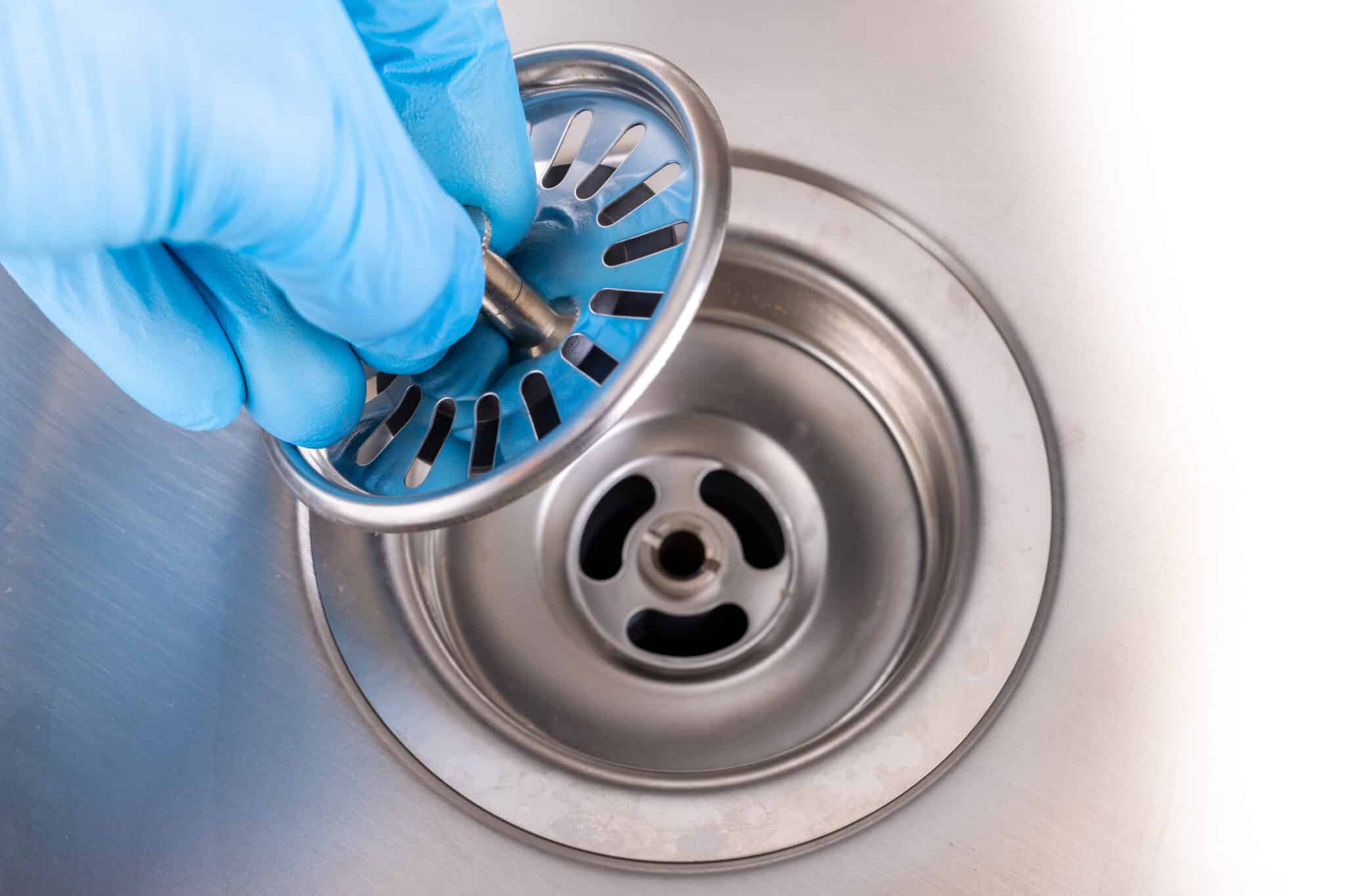
Start with simple daily habits that limit material entering the drain, such as using sink strainers and hair screens at showers. Avoid pouring fats, oils, and grease down kitchen drains because they cling to pipe walls and attract solids. Flush toilets only with toilet paper and remind guests that wipes can cause rapid re-clogging of sewer lines. These actions reduce the rate of buildup and make periodic professional cleaning more effective.
Perform small homeowner checks monthly by running water through seldom-used drains and listening for gurgling or slow emptying sounds. Inspect exposed P-traps and accessible cleanout caps for leaks, odor, or loose fittings that can signal hidden problems. If you notice consistent odors near a floor drain, document timing and conditions to share with a technician during diagnosis. Early notes help the professional decide whether maintenance or a deeper intervention is necessary.
Adopt a proactive maintenance schedule based on use and previous camera findings, such as light service every six to twelve months for kitchens with heavy grease. Property managers should coordinate flushing and inspection schedules across units to prevent shared-main recurrence in multiunit buildings. For visible root regrowth or repeated blockage patterns, consult resources on root treatment before scheduling a full cleaning. Professionals can reference recorded footage and recommend targeted follow-up after reviewing those materials.
When landscaping near sewer lines, avoid planting trees close to lateral lines and choose species with less aggressive roots to reduce intrusion risks. If roots enter the line, professionals can address them with cutting tools or refer to specialized removal strategies documented in our post about root intrusion removal. Coordinate any major yard work with a plumber if your system has a history of root problems to avoid accidental damage. These steps lower the chance of needing repeat hydro jetting service soon after a clean.
Keep records of past services, camera reports, and any repairs to track trends and timing of recurring clogs over years. Share these records with the technician during inspections so they can compare footage, flow readings, and notes from earlier jobs. For homeowners in Mansfield or property managers in Waxahachie, this documentation speeds diagnosis and helps set realistic maintenance intervals. Clear records often reduce repeat emergency calls and guide smarter long-term decisions.
Frequently Asked Questions
What is a hydro jetting service and how does it work?
A hydro jetting service uses a high-pressure water stream to clean pipe walls and remove grease, roots, and mineral buildup. Technicians feed a hose with a specialized nozzle into the drain or a cleanout to reach the blockage. They inspect with a camera before and after to confirm removal and check pipe condition. Hydro jetting can damage weakened pipes, so hire a professional who will assess risks and protect your plumbing.
Will hydro jetting service damage old pipes or joints?
Hydro jetting service uses high-pressure water to clear blockages and generally cleans pipe interiors without cutting or chemicals. A qualified technician will inspect pipes with a camera first to check material, joints, and existing damage. Older or fragile pipes like clay, cast iron with corrosion, or brittle joints may be at higher risk, so proceed with caution. If a camera inspection shows weak sections, hire a professional to choose a lower-pressure approach or alternative repair.
How do technicians confirm a clog needs hydro jetting?
Technicians start with a camera inspection through a cleanout to see the clog type, location, and buildup on the pipe walls. They check symptoms like slow draining, gurgling vents, recurring backups, and multiple affected fixtures to assess scope. If the camera shows heavy grease, roots, or mineral scale that mechanical snaking can’t remove, they recommend a hydro jetting service. Hydro jetting involves pressure that can damage weak pipes, so always caution homeowners and recommend a licensed professional for diagnosis and work.
How long do results from hydro jetting typically last?
Results from hydro jetting service often last several years when pipes are structurally sound and grease or roots do not return. Regular maintenance and avoiding flushing grease or solids extend those results. If pipes have corrosion, cracks, or ongoing root intrusion, clogs can recur sooner and require repair. If you suspect damaged pipes or recurring backups, exercise caution and contact a licensed plumber for inspection and camera diagnosis.
What safety checks happen before using high-pressure water?
Technicians inspect cleanouts, check valves, and locate the main sewer cleanout to ensure safe access before starting hydro jetting service. They run a camera inspection to confirm blockage type, pipe condition, and presence of fragile joints or roots. They verify water pressure settings, nozzle selection, and secure hoses to prevent backflow or pipe damage. Because high-pressure water can cause injury or hidden damage, always hire a professional if risks appear during inspection.