


Key Takeaways About Emergency Plumber
This article explains what counts as a plumbing emergency and how to respond. It is for homeowners and property managers who need fast guidance when urgent leaks or backups occur.
- Identify active flooding sources and any sewage presence quickly.
- Prevent further damage by shutting nearest shutoff valves safely.
- Avoid electrical contact when water reaches outlets or panels.
- Spot smells sounds and visible pooling to describe to dispatch.
- Reduce property loss by documenting damage with photos promptly.
- Plan for technician arrival and share shutoff locations and history.
Introduction
When a pipe bursts, a sewer backs up, or a water heater leaks nonstop, homeowners need to recognize an emergency fast. Emergency plumber calls often happen at night or on weekends when damage and health risks rise quickly. Knowing what counts as urgent prevents small problems from turning into major repairs. For Mansfield residents, quick decisions can reduce water damage and mold growth inside a home.
Visible flooding, sewage smell, or no water at all usually means you should act immediately and contact a professional. A major leak can affect electrical circuits and structural elements when left unchecked. Plumbing problems that threaten safety or cause rapid property loss deserve priority response. Properties in Waxahachie with older systems may face higher risks from hidden failures.
Immediate steps focus on safety and limiting damage until help arrives without attempting complex fixes. Turning off water at a shutoff valve or isolating an appliance limits flow and exposure. Photographing damage and recording where leaks originate helps when a technician inspects the system. These actions preserve evidence and guide faster diagnostics when the plumber arrives.
Response time matters because the longer water runs, the worse the consequences become for drywall, flooring, and personal items. Professionals triage emergencies by severity to prioritize threats to health and safety first. Expecting an on-site diagnosis and a clear plan for repair helps homeowners make informed decisions. A timely response reduces repair scope and speeds recovery after an emergency plumbing event.
Defining True Home Plumbing Emergencies
Defining a true home plumbing emergency means a condition that risks health, safety, or causes rapid property loss within hours. An emergency plumber is needed when water or sewage threatens occupants or major structural elements. Homeowners often ask, “Is this really an emergency?” The clear answer is yes when flooding, sewage backup, or uncontrolled gas and water leaks exist.
- Active flooding from a broken pipe
- Sewage backing up into the home
- No water to essential systems
- Water contacting electrical panels
Emergencies differ from urgent but non-emergency repairs that can wait a day or two. For example, a dripping faucet or slow drain usually does not need immediate emergency response. In Mansfield, rapid leaks that soak floors or ceilings require faster action to avoid hidden damage. If you smell sewage or see solid waste in drains, treat that as an emergency immediately.
A professional will first confirm the emergency with observable cues and basic checks before committing to repairs. They check shutoff valves, visible pipe breaks, cleanouts, and appliance supply lines to locate active sources. A technician may use a pressure gauge, moisture readings, or a visual inspection of the water heater and sump pump. Those diagnostic steps tell the plumber whether to stop the flow, make a temporary repair, or schedule a full replacement.
Homeowners can expect an emergency call to trigger triage based on severity and safety risk levels. For properties in Waxahachie, older systems with corroded supply lines or failing valves often raise urgency. When uncertain, photograph the damage and note smells, sounds, and timing to share with the dispatcher. For guidance on how plumbing companies prioritize and respond, see the explanation in our detailed emergency plumbing response page.
Common Causes And Why It Happens Mechanically
Many emergencies trace back to specific mechanical failures inside visible components like shutoff valves, supply lines, and the P-trap. Corrosion weakens metal supply lines and fittings until a sudden rupture allows pressurized water to flood an area. A failed check valve or backwater valve can let sewage return into fixtures during heavy flow, creating health hazards. Sump pump failure from a stuck float or burned-out motor often leads to basement flooding when groundwater rises.
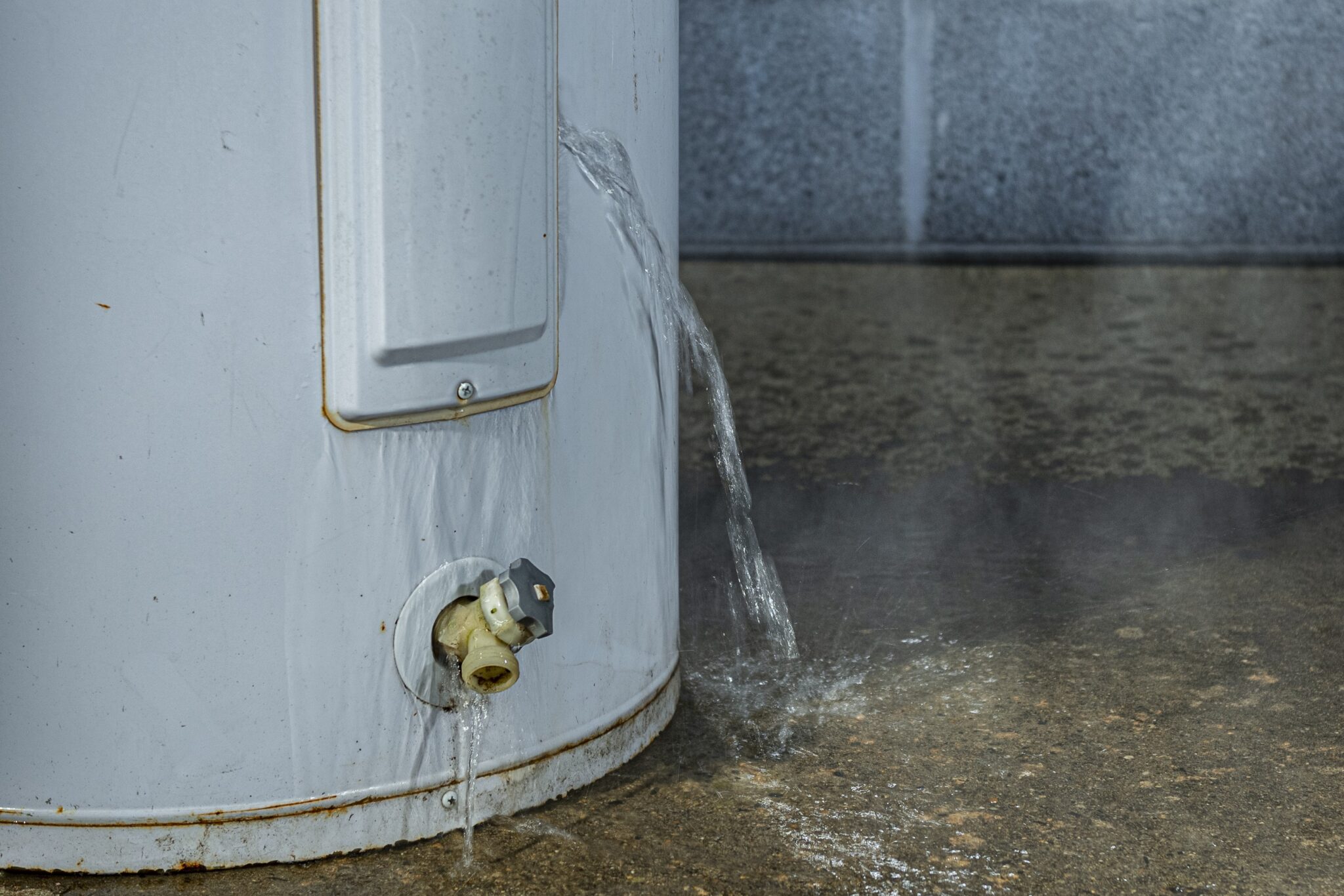
Water heaters cause emergencies when the tank ruptures, the pressure relief valve sticks, or the drain valve breaks and releases large volumes. Sediment buildup shortens a tank’s life and can create hot spots that crack the tank wall over time. A leaking closet flange or damaged wax ring under a toilet will cause water to pool and rot subflooring if not addressed quickly. Visible pooling around an appliance or sudden drops in water pressure can pinpoint which component failed.
Mechanical causes may also involve blockage and pressure issues in drain and vent systems that produce backups or gurgling fixtures. Solid debris or tree roots entering a main sewer line creates backpressure that pushes sewage into lower fixtures. A blocked vent stack can slow drainage and trap sewer gas, which you may notice as a persistent bad smell. Professionals use a camera inspection through a cleanout to confirm root intrusion or collapse in the main line.
When a homeowner calls, a technician checks a hierarchy of likely failure points to confirm the cause before repairs begin. They will test shutoff valves, inspect visible supply lines, take moisture readings, and may run a camera through the drain or sewer cleanout. These diagnostic steps help decide whether a temporary stopgap or a full component replacement is needed. For more details on emergency response options and how crews arrive prepared, review our emergency plumbing services page at emergency plumbing services.
Warning Signs That Require Immediate Attention
Unusual sounds and smells often mean a developing emergency and deserve immediate attention. A persistent hissing noise near a visible supply line can indicate a pressurized leak forming. Foul sewer gas odors that linger after flushing may point to a failing trap seal or a sewer backup. If you notice these cues near appliances, shut off the appliance supply and limit use until inspected.
Rapid changes in water pressure or sudden discoloration signal a serious condition requiring fast action. If cold water runs brown or rust-colored after you open taps, suspect corrosion or a line breach. Sudden complete loss of water during use while other homes still have service suggests a localized main break. Photographing colored discharge and noting when it started helps a technician identify whether supply lines or the water heater are involved.
Repeated gurgling from multiple drains and sewage odors together usually indicate a main sewer obstruction that can escalate quickly. When waste returns to low fixtures after flushing, avoid using sinks and toilets to reduce cross-contamination risks. A professional will check the cleanout and may use a camera to confirm blockages or root intrusion before beginning repairs. For active leaks that pour water into living spaces, consider contacting an emergency leak repair specialist right away.
Visible sagging of ceilings below bathrooms or soft spots in floors around toilets are urgent structural warning signs. These symptoms often accompany slow leaks that have undermined drywall, subflooring, or joists and require prompt support and repair. In Mansfield, discovering wet insulation or bulging drywall under a bathroom should trigger immediate containment and a professional evaluation. For homeowners in Waxahachie noticing these signs, avoid walking on weakened areas and call for help quickly.
Immediate Steps Homeowners Should Take First
First, stop the source of water if you can do so safely by turning the nearest shutoff valve or appliance supply off. If you cannot locate a shutoff or the valve leaks when touched, evacuate the immediate area and avoid electrical panels or outlets. Photograph the damaged area and any visible pipe breaks for documentation and insurance purposes before moving soaked belongings. For active pipe failures that flood rooms, consider contacting an emergency pipe bursts specialist while following safety steps.
- Turn off the nearest shutoff valve.
- Unplug electrical devices in the wet area.
- Move furniture and valuables away from water.
- Contain water with towels and buckets.
If sewage or contamination is present, avoid contact and keep pets and children away from affected areas immediately. Do not run water, flush toilets, or use appliances that may spread contamination through the drains. Open windows and ventilate only if doing so does not create electrical risk or spread contaminated air into living spaces. Note any foul odors, gurgling sounds, or visible solids to report accurately to the dispatcher.
For slow leaks where water soaks over time, place moisture-absorbing materials under the source and lift wet rugs or cushions to a dry spot. Use a moisture meter or take photos to track worsening wetness if you have them available, and write down when you first noticed the leak. Avoid attempting joint replacements or soldering unless you have proper training and shut the main water off first to prevent accidental flooding. Homeowners in Mansfield may also want to check visible supply lines and appliance connections for loose fittings before professionals arrive.
If electrical risk exists because water contacts outlets, shut off house power at the main breaker if you can do so safely from a dry location. Otherwise, leave power on and wait for professionals to assess risk, then warn technicians about energized areas on arrival. When calling for help, describe visible damage, actions taken, and whether anyone is injured or exposed to sewage. Properties in Waxahachie with basements should note sump pump status and whether backups or alarms triggered during the event.
When To Call A Professional Emergency Plumber
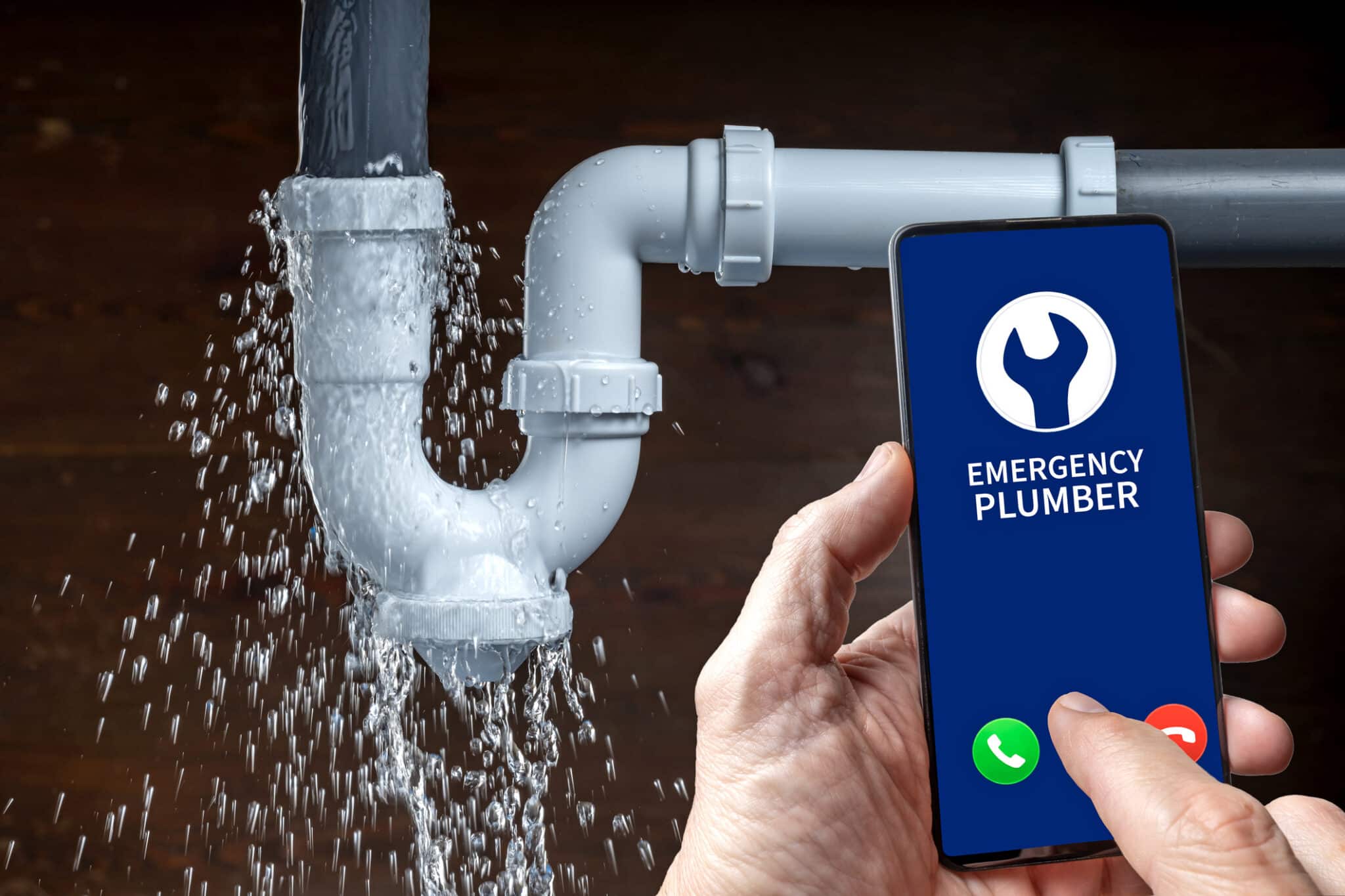
Call an emergency plumber when the problem exceeds what you can safely contain or risks health and structural harm. If water or sewage continues despite shutoff attempts, contact a professional immediately to stop damage. Tell the dispatcher whether electricity is involved, anyone is injured, and if contaminated water is present. Mention visible backups or solids in drains so crews can bring proper protective gear and equipment.
Ask for a technician who can perform on-site containment and temporary repairs to limit further loss before permanent work begins. A professional will locate cleanouts, test shutoff effectiveness, and check supply lines to identify active flow and pressure problems. If a sewer line is suspected, request a crew prepared for sewer work and camera inspection for a definitive diagnosis. For severe backups and health concerns, see our page about emergency sewer backups for what to expect during response and cleanup.
When sewage or contaminated water reaches living areas, prioritize a call over scheduling a standard appointment to reduce exposure and mold growth. Tell the team about any odors, gurgling, or repeated fixture overflows so they can plan necessary containment and sanitation. A plumber may advise vacating parts of the house until contaminated areas are isolated and cleaned by specialists. Homes in Mansfield with finished basements should note finished materials that need immediate attention to prevent irreversible damage.
If you suspect a compromised water heater, major supply line rupture, or sump pump failure, call a professional emergency plumber rather than delaying repair. The technician will check pressure, inspect the tank and valves, and may shut the main water to protect the structure. For properties in Waxahachie with recurring issues, tell dispatch about previous failures so responders bring appropriate replacement parts. Clear, specific information speeds diagnosis and helps crews reduce on-site time and damage.
When in doubt about safety or ongoing flow, opt to call for emergency assistance instead of waiting for business hours to begin. The emergency plumber will perform a rapid assessment, isolate the problem, and recommend immediate steps or temporary fixes to stabilize the system. Prepare to describe shutoff locations, appliance types, and any recent work done to plumbing systems to streamline their response. Keeping that information ready helps technicians act quickly and limits further loss or contamination.
Typical Emergency Plumber Response Times Explained
Typical emergency plumber arrival times depend on call severity, crew availability, and travel distance from the dispatch hub. Dispatchers triage calls and assign resources so life-safety issues and active flooding get priority over non-life-threatening leaks. Travel delays like traffic or road work can extend arrival estimates, so expect variable windows rather than guaranteed minutes. When you call, ask the dispatcher for an estimated arrival range and any steps to prepare before technicians arrive.
Response tiers often break into immediate, urgent, and scheduled categories that guide how soon a crew reaches your home. Immediate cases such as sewage in living spaces or large ruptures receive same-hour response when crews are available. Urgent but contained issues might be scheduled within a few hours or by the end of the day. Scheduled calls for non-emergency repairs are usually set for the next available business slot.
On arrival, technicians typically perform quick containment before beginning diagnostics to stop ongoing damage and assess safety. They check shutoff valves, visible supply lines, and the nearest cleanout to locate active sources and control flow. A pressure gauge, moisture meter, and visual inspection often reveal whether a temporary clamp or full replacement is necessary. If sewer work is suspected, crews may plan a camera inspection that can add time before full repairs start.
Expect updates during longer delays so you know when the team will reach your property and what to expect on site. For homeowners who need a local responder, consider contacting plumbers in Mansfield who can explain typical windows and dispatch policies. Homes in Waxahachie with known system weaknesses should mention prior failures when calling to help dispatchers prioritize parts and tools. Clear communication about hazards, appliance types, and shutoff locations speeds response and reduces time spent on scene.
What Technicians Check And How They Diagnose
Technicians begin by locating active flow and isolating systems to prevent further damage while gathering diagnostic data. They inspect visible components like shutoff valves, supply lines, the P-trap, and any appliance connections for leaks or failures. If water approaches electrical panels or outlets, they note energized areas and recommend safety steps before further inspection. For basement incidents they will also check sump pump operation and nearby drains to assess immediate flood risk.
- Check shutoff valves for closure and leaks.
- Measure pressure with a gauge when needed.
- Use a moisture meter on wet materials.
- Inspect cleanouts for sewer backups.
- Run a camera into the main sewer when suspected.
When a sewer backup is possible, technicians perform a cleanout inspection and may run a camera to confirm blockages or root intrusion. They look for solids, standing sewage, and the location of the obstruction to plan cleaning or repair. Recorded footage, photos, and written notes document findings for homeowners and insurance purposes. In cases near finished areas, they consider containment to limit contamination and material loss.
For supply-line failures, the technician will test pressure and trace the leak to a joint, fitting, or corroded pipe section. Simple diagnoses involve feeling for wetness, observing spray patterns, and verifying whether shutoffs actually stop flow. If a water heater or valve looks compromised, they inspect the pressure relief valve, drain valve, and visible tank seams for signs of failure. These checks inform whether a temporary clamp or full replacement is required during the visit.
When groundwater or basement flooding is present, they check sump pump components including float, check valve, and discharge line for function. They may recommend practical containment or cleanout work and advise on next steps to dry and sanitize affected structures. For recurring basement inundation issues they reference professional mitigation options and resources like basement flooding solutions to discuss longer-term fixes. Homeowners in Mansfield and Waxahachie should expect technicians to provide a clear, written summary of findings and recommended repairs.
Preventative Measures To Avoid Future Emergencies
Schedule regular inspections of visible components like shutoff valves, P-traps, and supply lines to catch wear before failure. A technician can test shutoff function, check for corrosion, and record pressure readings during these visits. Keep a simple inspection log with dates, issues found, and any photos to spot recurring patterns over time. For properties with multiple occupants, note which valves control which fixtures to speed isolation during future events.
Protect sewer lines by avoiding grease, wipes, and non-flushable items that cause blockages and backups over time. Consider periodic camera inspections when slow drains or gurgling recur to identify roots or collapses early. Addressing small root intrusion or soft collapses before they worsen prevents emergency excavations and sewage exposure. Homeowners in Mansfield may benefit from scheduling these checks after noticing repeated slow drainage in lower fixtures.
Maintain appliances and components that commonly fail under load, such as water heaters, sump pumps, and pressure-reducing valves, with annual service. Flushing a water heater to remove sediment and testing a sump pump float and check valve reduce sudden failure risk. Replace rubber supply lines and aging shutoffs proactively when inspections show deterioration or leaks starting at fittings. For main shutoff location help, consult guidance on the water main shutoff location to ensure quick access during emergencies.
Prepare a simple emergency kit with shutoff tool, flashlight, moisture meter or camera, and clear photos of plumbing layouts for responders. Label shutoffs and appliance supply valves so anyone in the household can act quickly if needed. Train family members on basic isolation steps and when to call an emergency plumber rather than attempting risky repairs. For homes in Waxahachie with recurring issues, consider a short professional review to prioritize replacements that lower future emergency likelihood.
Frequently Asked Questions
What situations count as an emergency plumber call?
Call an emergency plumber for uncontrolled flooding from a broken supply line, burst pipe, or overflowing sewer that risks property damage. Immediate attention is needed for contaminated sewage backups or a failing sump pump threatening the basement. If you smell gas near a water heater or hear hissing around connections, evacuate and call a professional because of serious safety risk. Also call when a main shutoff or pressure-reducing valve fails and you cannot stop water flow using accessible shutoff valves.
How fast can an emergency plumber typically arrive?
Typical arrival times for an emergency plumber vary with call volume, location, and time of day.
Many companies aim to reach homes within 60 to 90 minutes for high-priority leaks or sewer backups.
In some urgent cases, like active flooding or gas-suspected water heater leaks, technicians may arrive faster when available, always call emergency services if life or immediate safety is at risk.
When you call, provide exact symptoms and shutoff valve locations so professionals can prepare and respond efficiently.
What immediate steps should I take before help arrives?
Shut off the nearest water supply valve or the main shutoff to stop active flooding and reduce damage quickly. Turn off electrical power to affected areas if water reaches outlets or appliances and avoid standing water. Record visible damage with photos and note smells or noises to report when the emergency plumber arrives. If you smell gas or see structural collapse, evacuate immediately and call emergency services before waiting for plumbing help.
How does a plumber diagnose flooding or sewer backups?
A plumber starts by asking when and where the backup appears and what fixtures are affected to narrow the source quickly. They inspect visible components like cleanouts, basement drains, and the sewer cleanout cap for blockages or sewer gas smells. Technicians may run a camera through the drain, perform a dye test, and check the sump pump and backwater valve for mechanical failure. If sewage or electrical hazards exist, stop using water, avoid contact, and call a professional Emergency plumber immediately.
When should homeowners in Mansfield call an emergency plumber?
Call an emergency plumber when you have active flooding, such as water pouring from a burst pipe or failed appliance supply lines. If you smell natural gas or hear a hissing near gas lines, evacuate and call a professional immediately for safety. Contact a plumber right away for sewage backups, overflowing toilets that won’t stop, or a sump pump failure during heavy rain. If you see major water stains spreading, electrical outlets getting wet, or lose hot water suddenly with other failures, get professional help quickly.