


Key Takeaways About Water Meter Leak
A water meter leak is uncontrolled water flow at the meter or immediate supply that causes waste and damage. This summary is for homeowners and property managers who need quick confirmation steps and next actions when signs appear.
- Identify continuous register movement when all fixtures are off
- Prevent added damage by recording readings and photos promptly
- Avoid digging or operating municipal curb stops without permission
- Spot wet soil puddles or unusual vegetation near the meter
- Reduce water loss by closing interior shutoff for an initial test
- Plan to contact a licensed plumber for pressure testing and repairs
Introduction
A slow but steady rise on your bill or the sound of running water can mean a water meter leak at the property line. Left unchecked, a leak at the meter can waste thousands of gallons and damage yard areas or foundations. Homeowners often miss signs because the meter sits out of sight near the curb or inside a pit. Knowing how to confirm a problem and isolate it matters for costs and for avoiding hidden damage.
Most meter leaks show with a combination of visible cues and unusual meter behavior under no-water conditions. A constantly moving meter dial or a leak indicator that spins when all fixtures are off points toward the meter or supply side. Pressure changes and backflow risks can affect irrigation systems and indoor plumbing. In Mansfield and nearby areas, quick confirmation helps prevent larger repair scopes.
Isolating whether the issue is the meter, the supply line, or an indoor leak changes who should act and what tools are needed. A true meter leak often requires a utility shutdown or a licensed plumber to access the meter box and shutoff valve. If the leak is inside the house, the homeowner’s shutoff and fixtures become the focus. Identifying the correct source keeps repair work targeted and reduces unnecessary digging or replacement.
After confirmation and isolation, next steps include documenting the problem and contacting the right professionals for repair or replacement. Written photos and meter readings help provide evidence for municipal inquiries or insurance. For properties in Waxahachie and surrounding communities, timely action avoids higher bills and further property damage. If you suspect a meter leak, a licensed plumber can confirm the diagnosis and advise on safe repairs.
How Water Meter Leak Mechanics Work And Detection
A water meter leak is a failure at the meter or immediate supply that lets water pass when it should not. The meter assembly includes the shutoff valve, meter body, register, and supply and discharge fittings, each can fail in different ways. A common homeowner question is whether a moving dial with no water use means a meter leak, and often yes it does. Professionals look for continuous register movement as the first clear sign before more invasive checks.
- Shutoff valve can leak past its seat.
- Meter body cracks from impact or freeze damage.
- Register seals fail and leak internally.
- Loose compression fittings allow external seepage.
- Supply line corrosion causes steady flow around the meter.
Detection starts with simple observations at the meter and at fixtures inside the house. Check the meter register and the small leak indicator or star wheel for steady motion when all fixtures are off. A homeowner often asks if dye tests help, and using dye in toilets can confirm internal fixture leaks while a silent moving meter points to the supply side. For additional confirmation, consider following guidance on leak detection dye tablets for fixture checks.
Technicians confirm a meter leak by isolating sections and using pressure gauges and visual inspection. They will shut off the home shutoff to see if the meter stops, continued flow past the meter indicates an issue on the supply side. A professional may also check the meter pit for corrosion, standing water, and the condition of the shutoff valve, which helps decide whether the meter or fittings need repair. In Mansfield and Waxahachie properties, documenting register readings and photos supports next steps with utilities or licensed plumbers.
Common Causes Of Meter Leak And Wear Patterns
Corrosion and age commonly create wear paths inside the meter body that start as small leaks and grow over time. Metal components near threaded fittings show pitting or greenish deposits when galvanic corrosion occurs. A pressure-reducing valve (PRV) set too high can accelerate wear by forcing continuous stress through the meter internals. Homeowners may notice damp soil or sinking ground near the meter before visible meter damage appears.
Mechanical damage from impact or freezing often produces cracks in the register housing or meter flange that leak intermittently. Vibration from nearby construction or heavy equipment can loosen compression fittings and cause slow seepage along joints. Debris or sand in the supply line can abrade the register seal and cause an internal leak that shows only as continuous register movement. In Mansfield properties, repeated lawn work or equipment hits can increase the risk of impact damage around an exposed meter pit.
Valve failure, including a shutoff that no longer seals, directs flow back through the meter when household fixtures are off. A failing check valve or backflow preventer can also create pressure reversals that reveal weaknesses at the meter connections. Technicians often inspect the shutoff, check valve, and adjacent fittings for hard-to-see leaks that produce damp insulation or staining. For related issues inside the property, reference guidance on hidden water leaks when isolating sources.
Installation errors and poor-quality fittings sometimes manifest as specific wear patterns along compression nuts and coupling areas. Improper torque on fittings leads to hairline leaks that drip under load and widen under thermal cycling. Professionals diagnosing a problem will use a pressure gauge, visual inspection, and a photo record to show where wear concentrates before recommending repair. If the supply line itself shows extensive corrosion or damage, further repair options appear in water line services documentation for potential replacement.
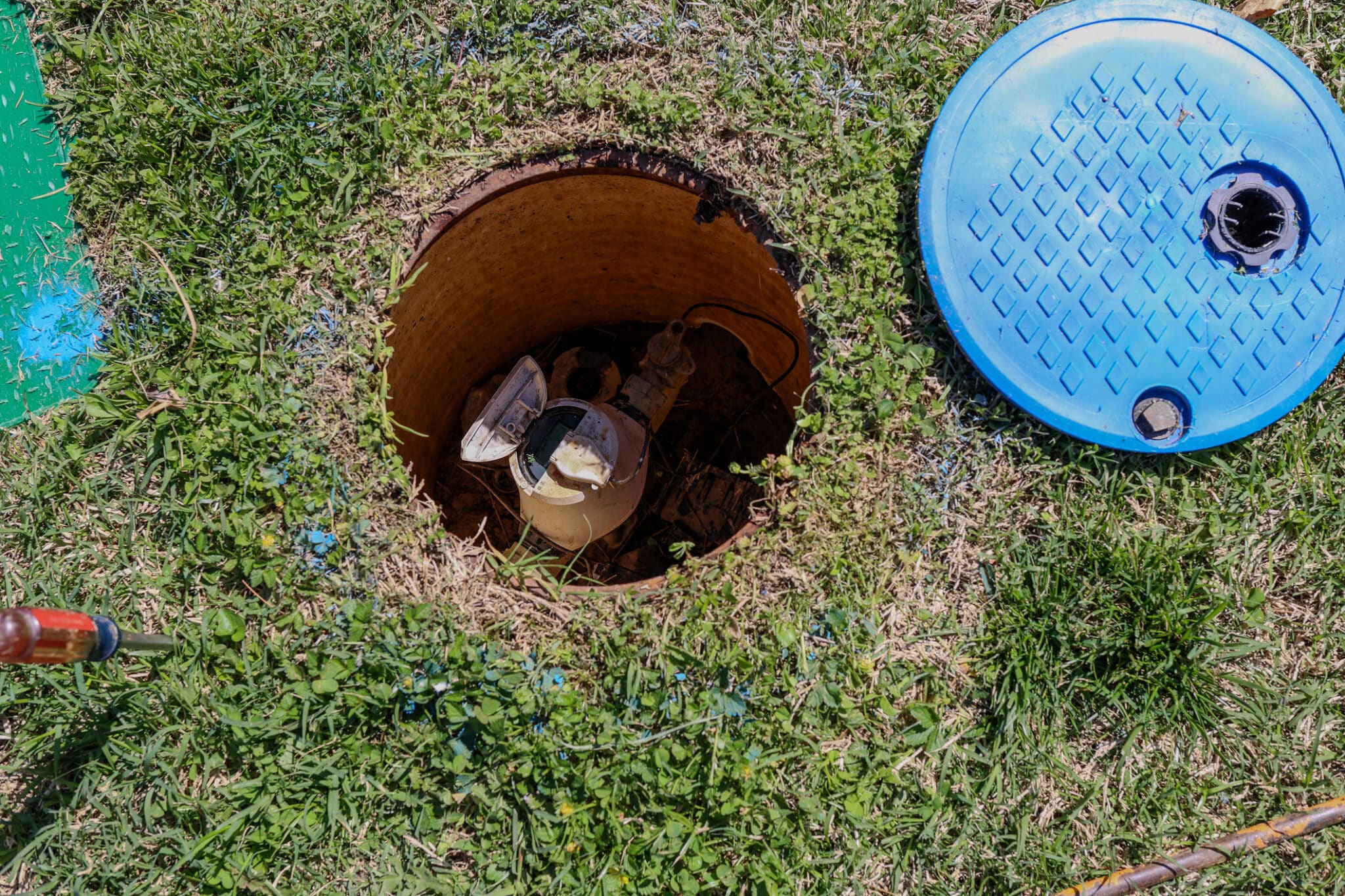
Early Warning Signs Of A Hidden Meter Leak
Look for soggy spots or new vegetation growth near the meter box that appear without recent watering. Smells of damp earth or mildew close to the meter indicate a slow underground escape of water. A steady hiss or faint running sound at the meter pit when the house is quiet often means continuous flow through the meter assembly. Take photos of wet areas and note when the condition first appeared for documentation.
Check the soil surface and any pavement for unexplained sinkage or small depressions forming over time. Small streams of water during dry weather near meter fittings suggest an external leak at a joint or cracked pipe. Watch for mud or mineral staining on the meter body or nearby fittings as an evidence of persistent seepage. These visible clues help decide whether further digging or professional inspection is needed.
Inside the meter box, a wet or rusty valve stem and loose packing nuts can indicate a leak path around the shutoff. Condensation alone may not be the issue, but moisture that leaves deposits or corrodes metal usually points to active leakage. A water meter leak can produce damp insulation or stains on nearby concrete that homeowners miss during routine checks. Capture register readings with the cover lifted briefly to correlate visible signs with meter movement.
Behavioral clues also include unexplained higher bills despite unchanged usage patterns in Mansfield and Waxahachie properties. If irrigation schedules, appliance use, and occupant numbers remain steady, billing increases plus visible soil signs raise suspicion of a meter-side leak. Follow-up tests are often simple, but the combination of outdoor wet spots and abnormal meter behavior typically warrants a professional diagnosis. For guidance on indoor versus supply-side checks, consult resources about hidden water leaks.
Quick At Home Tests To Confirm A Meter Leak
Start with a quick shutoff test by turning off the interior main valve and watching the meter register. If the register keeps moving, the leak is on the supply side and not inside the house. Note the reading and take a photo for records before and after the test. This simple check helps decide whether to escalate to a professional.
- Check the small leak indicator on the register for continuous motion.
- Listen at the meter pit for a steady hiss or running water.
- Look for fresh wet soil or pooling when you lift the cover.
- Use a pressure gauge at an outdoor bib to compare readings.
If the register stops when the house shutoff closes, inspect indoor fixtures for hidden drips or running toilets. For toilets, add dye to the tank and watch the bowl for color movement without flushing. Check the fill valve, flapper, and supply line connections at sinks and appliances for visible leaks. These checks narrow the problem to fixtures before contacting outside services.
For supply-side confirmation, watch the meter after closing the curb-side shutoff if accessible and safe to operate. Continued movement after that action indicates the meter assembly or the service line may be failing. Professionals use pressure gauges, valve isolation, and a written report to confirm and document the issue properly. If you find an urgent flow or underground pooling, consider scheduling emergency repairs with a licensed plumber experienced in meter work.
Homeowners in Mansfield should record readings and photos before calling for help, which speeds diagnosis and potential municipal discussions. Properties near Waxahachie also benefit from a short video of the running register to show technicians the symptom. If tests reveal uncontrolled flow or you cannot safely access shutoffs, contact a plumber immediately and be prepared to reference emergency leak repair when requesting service. Safety concerns or complex meter issues require a licensed professional to avoid damage and liability.
Isolating Meter Issues From Household Leak Sources
Start by isolating the outdoor supply line beyond the meter to see if flow continues when the home’s main is off. Close the interior shutoff and observe the meter for several minutes while noting any register movement and listening for a steady hiss. If the register keeps turning, the issue likely sits between the curb stop and the meter or within the meter itself. Record readings and take photos to document what you observed before proceeding.
Next, check accessible external fixtures and irrigation shutoffs to exclude a landscape circulation path that mimics a meter leak. Temporarily close the irrigation zone valves and any yard hose bibs, then recheck the meter for movement and listen near the pit cover. Persistent motion after isolating outdoor systems points toward the service line or the meter assembly rather than sprinkler plumbing. Use a garden hose pressure gauge or note pressure differences at an outdoor bib to help professionals later.
If the meter pit contains water or strong mineral staining, the leak may be at a compression fitting or the meter flange that requires pit access and valve operation. Avoid digging or force-opening municipal valve boxes unless you have permission and the right tools, since improper access can cause damage or legal issues. For suspected underground escapes, reference guidance on identifying hidden service-line breaks to understand repair scopes before contacting excavation crews. In Mansfield properties, local soil visibility and quick action matter when a leak undermines pavement or yard areas.
When isolation suggests the meter or service side is at fault, a licensed plumber or utility crew should perform diagnostic pressure testing and valve-by-valve isolation. They will use a pressure gauge, check valves, and test shutoffs to confirm whether flow bypasses the meter or leaks externally. If billing jumps accompany the findings, document meter readings and consult resources about unexpected water bills to support billing adjustments or claims. For safety and accuracy, leave pit work and shutoff operation to qualified technicians familiar with meter assemblies and local procedures.
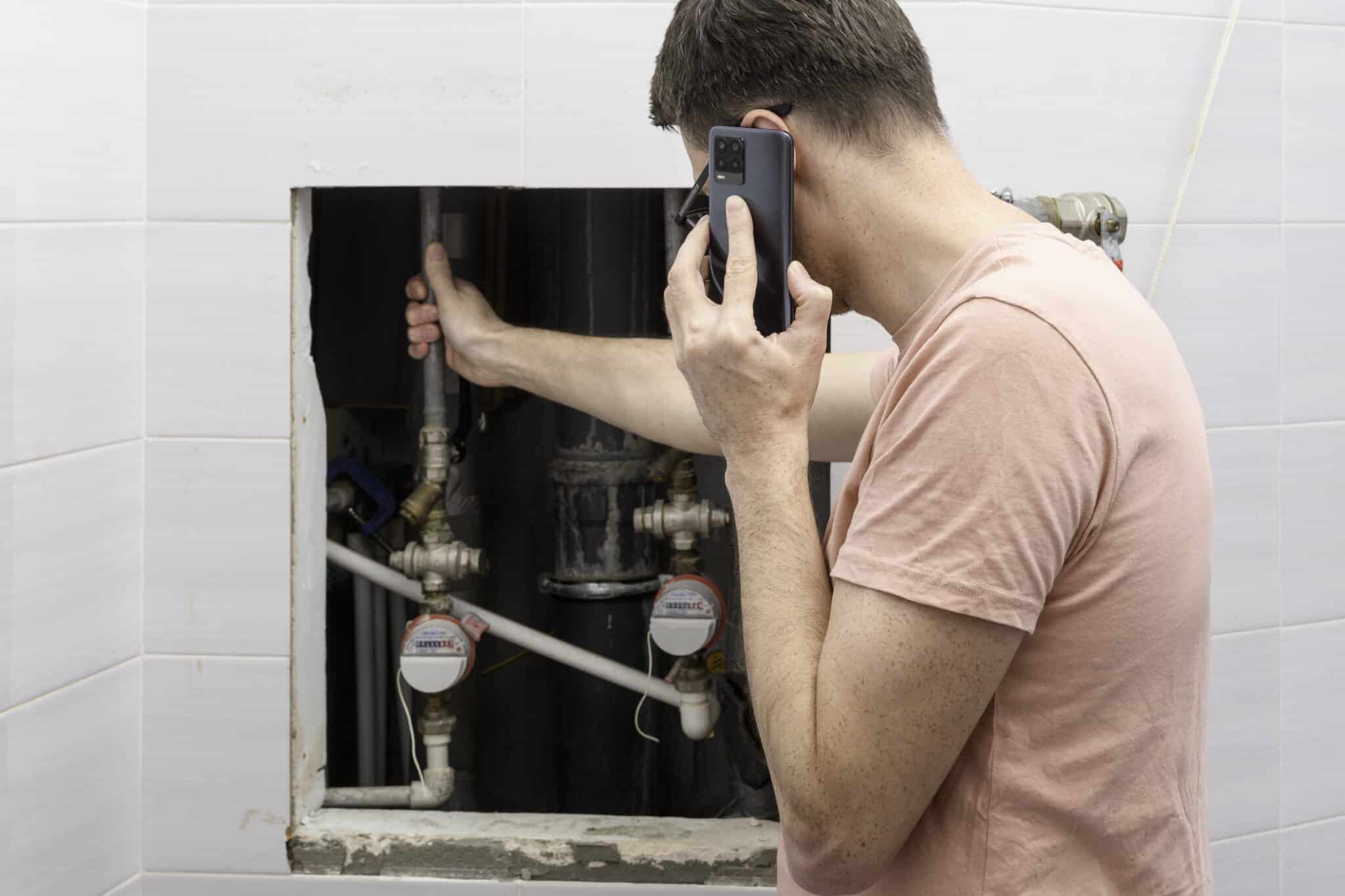
When To Call A Professional For Water Meter Leak
If the situation shows uncontrolled flow or visible pooling that you cannot stop, contact a licensed plumber without delay. A professional will perform pressure testing and valve isolation using a calibrated pressure gauge to locate bypasses. They can safely operate curb stops and meter shutoffs that homeowners should not manipulate. For homeowners in Mansfield, quick professional action can prevent yard collapse or pavement undermining.
Call a plumber when the meter register moves continuously despite several isolation attempts and recorded readings. A tech will inspect the meter body, compression fittings, and shutoff valve packing for signs that require repair or replacement. They will also check the service line beyond the meter with noninvasive tests before recommending excavation. Documented photos and meter readings help the plumber prepare a written diagnosis and repair estimate.
Contact a professional if you smell sewage or encounter contaminated standing water near the meter pit to avoid health hazards. Technicians bring appropriate protective equipment and can arrange safe dewatering and disposal if needed. They will look for damage to the meter flange or cracked fittings that might allow soil infiltration into the water path. If billing anomalies persist, the plumber can provide evidence useful for municipal billing reviews or disputes.
When repeated short-term fixes fail or the meter system shows intermittent leaks, schedule a detailed diagnostic service rather than emergency repairs. A comprehensive inspection includes pressure gauges, leak detection tools, and a written report outlining repair options and estimated timelines. Professionals will advise whether meter replacement or service-line repair offers the best long-term value. In properties near Waxahachie, having a clear report speeds coordination with utilities and excavation crews.
If you feel unsure about operating any external valve or see corroded components, avoid further attempts and call a licensed technician. A plumber will confirm the issue with controlled isolation tests and document their findings for any follow-up with your water utility. They can also advise on temporary shutoff measures to reduce water waste until permanent repairs occur. Keep your meter readings and photos ready before the appointment to streamline diagnosis and repair planning.
Immediate Steps To Reduce Damage And Water Waste
Shut off any nearby irrigation zones and outdoor faucets immediately to limit water loss while you arrange repairs. Turn off circuit breakers for any nearby pump equipment to avoid electrical hazards around standing water. Place absorbent material or sandbags around visible pooling to reduce soil erosion and protect nearby concrete. Take a clear photo of the wet area and meter register to document conditions for plumbers and utilities.
- Close indoor main shutoff if safe to do so.
- Record the meter reading before and after isolation.
- Mark and secure the meter pit cover for technician access.
- Keep children and pets away from the wet area.
- Note the time you performed each action.
If you cannot stop the flow with available shutoffs, call a licensed plumber and describe the observed symptoms precisely. Provide the plumber with your photos and meter readings to speed diagnosis and repair planning. A professional will use pressure gauges and controlled isolation tests to limit further damage and water waste. For properties in Mansfield, quick documentation can also aid discussions with the local utility about meter-side responsibilities.
Avoid digging around the meter pit or forcing municipal curb stops because improper action can worsen damage or create liability. If you see sewage or chemical contamination, vacate the area and tell the technician about the hazard before arrival. Ask the plumber about temporary measures such as a controlled bypass or fenced-off repair staging to protect landscaping. After temporary steps, schedule a full diagnostic appointment and consider reading about advanced leak detection techniques to understand the next-phase investigation.
Preventive Maintenance Practices To Avoid Future Leaks
Establish a routine inspection schedule for the meter pit and surrounding area to spot small issues before they grow. Check for loose meter box covers, packing nut weeps, and signs of mineral buildup once every few months. Record observations and meter readings so trends appear clearly over time and provide evidence if billing questions arise. If accessing the curb stop is unfamiliar, review guidance on water main shutoff location before attempting any operations.
Keep vegetation and landscape features trimmed away from the meter box to prevent roots and irrigation overspray from stressing fittings. Avoid planting large shrubs directly above the service line or placing heavy objects on the meter box that could transfer impact forces. Ensure sprinkler zones have working check valves and do not allow constant low flow past the meter during off cycles. For properties near Mansfield, these small steps reduce the chance of underground saturation that hides a slow failure.
Schedule a professional inspection every few years to test shutoffs, pressure, and the meter register with calibrated gauges and written findings. A licensed plumber will check the shutoff valve packing, compression nuts, and meter flange torque to catch wear patterns early. They can also test downstream devices like backflow preventers and PRVs that affect meter stress and lifespan. In a common situation, a technician documents a minor packing leak and recommends a quick replacement to avoid full meter removal.
Keep records of any repairs, meter readings, and communications with your water utility to streamline future claims or billing disputes. Train household members on where the interior main and meter-access points sit and how to shut water off safely during an emergency. Consider installing a leak alarm or flow monitor indoors if you want early alerts to abnormal consumption before visible yard signs appear. For properties in Waxahachie, clear documentation speeds both diagnostics and coordination with municipal crews when needed.
Frequently Asked Questions
How can I tell if a water meter leak is causing higher bills?
Compare your recent water bills to earlier usage patterns and note any unexplained steady increase that matches continuous consumption. Check the meter when no water runs, a slowly moving dial or digital flow number often signals a leak. Verify by shutting off indoor shutoff valves to isolate the house side, if the meter still moves, the leak may be near the meter or in the service line. If you suspect a water meter leak or see signs of damage, exercise caution around buried service parts and call a licensed plumber to diagnose and repair.
What quick tests confirm a leak at the meter or supply line?
Shut off all indoor and outdoor fixtures, then watch the water meter dial or digital display for any movement indicating a continuous flow. Use a screwdriver or sticky note to mark the meter dial, confirm no change after waiting five to ten minutes to rule out internal fixture leaks. Open the main shutoff briefly downstream of the meter and watch for new movement at the meter to isolate a possible supply line or meter leak, and record readings. If you see steady movement or hear water near the meter, stop and call a professional because working around buried supply lines and valves carries safety risks.
Should I shut off the interior valve to isolate a suspected leak?
Yes — shutting the interior main shutoff valve can isolate your home from supply and help confirm a water meter leak. After closing the valve, check the meter and leak indicator for movement to see if flow stops. If you smell gas, see electrical damage, or cannot reach the valve, stop and call a professional for safety. If the meter still registers flow after isolation, contact a plumber to inspect the meter, service line, or curb stop.
When must a licensed plumber handle a leaking meter pit?
Call a licensed plumber when the meter pit shows pressurized spraying, visible pipe rupture, or water undermining the pit structure. If you detect natural gas smell, electrical equipment, or standing water with unknown depth, avoid entry and call a professional. A plumber will shut main valves, test pressure with a gauge, and assess backflow and PRV conditions. For safety, do not try confined-space work or heavy excavation yourself, a licensed pro should handle repairs and permits.
What evidence should I record for a municipal billing dispute?
Photograph the water meter serial number, current reading, and any visible leaks or damp soil near the box for concrete evidence.
Record a short video showing the meter dial movement or leak sound with a timestamped file for extra proof.
Save copies of your water bills showing the spike, plus notes on when you first noticed the issue and any household water use changes.
If you see active leaking or suspect contamination, stop risky access and contact a licensed plumber to document findings and ensure safety.