


Choosing the right piping material is crucial for any plumbing project, especially when comparing CPVC vs PVC. Homeowners in Mansfield and nearby cities like Kennedale often wonder which option suits their needs best. Both types of pipes are popular, yet each brings unique qualities to the table. Understanding these differences can help you make a more informed decision.
When it comes to CPVC vs PVC, several factors come into play. Cost, temperature resistance, and lifespan are key considerations for any plumbing system. Local climates and building codes in places like Waxahachie may also influence your choice. Knowing how each pipe performs in different situations is essential for long-term satisfaction.
Many people assume CPVC and PVC are interchangeable, but that’s not always the case. Each pipe has specific strengths and weaknesses that affect performance. For example, one may handle hot water better, while the other is more budget-friendly. Exploring these details ensures you select the best option for your unique needs.
This article will break down the main differences between CPVC vs PVC. We’ll look at their costs, temperature limits, and how long they last. You’ll also learn about the solvents used for installation and maintenance. By the end, you’ll have a clear understanding of where each pipe really works best.
What is CPVC? Key Features and Uses
CPVC stands for chlorinated polyvinyl chloride, a material known for its strength and versatility in plumbing applications. Unlike standard PVC, CPVC can handle higher temperatures, making it ideal for hot water lines in Mansfield homes. Its chemical resistance allows it to perform well in various environments, including residential and commercial settings. Many homeowners appreciate that CPVC resists corrosion and scaling, which helps maintain water quality over time.
One of the main advantages in the CPVC vs PVC debate is CPVC’s ability to withstand heat. It can safely carry water up to 200 degrees Fahrenheit, far above the limit for regular PVC. This feature makes CPVC a popular choice for hot water systems in areas like Kennedale. Plumbers often recommend CPVC for projects where temperature demands are higher than what PVC can handle.
CPVC’s installation uses a special solvent cement designed for its unique chemical makeup. This ensures strong, leak-free joints that last for years with proper care. The process is straightforward for experienced professionals, reducing the risk of future issues. Homeowners in Waxahachie benefit from CPVC’s durability, especially in homes with demanding plumbing needs.
The lifespan of CPVC pipes is another key factor to consider when comparing CPVC vs PVC. With proper installation, CPVC systems can last 50 years or more. Its long service life makes it a cost-effective option for both new construction and remodels. For those seeking reliable hot water delivery, CPVC often stands out as the preferred material.
What is PVC? Key Features and Uses
PVC, or polyvinyl chloride, is a widely used material in plumbing projects throughout Mansfield and nearby areas. It is best known for its affordability and ease of installation, making it a go-to choice for many homeowners. In the CPVC vs PVC comparison, PVC stands out for cold water applications and irrigation systems. Its lightweight design allows for quick handling and straightforward cutting during installation.
PVC pipes perform well in environments where temperatures stay below 140 degrees Fahrenheit. This limitation makes them less suitable for hot water lines, unlike CPVC options. In places like Kennedale, PVC is often chosen for outdoor sprinkler systems and drain lines. Its resistance to many chemicals also helps prevent leaks and clogs over time.
The installation process for PVC uses a different solvent cement than CPVC, specifically formulated for its chemical structure. This ensures secure joints and minimizes the risk of leaks when installed correctly. Homeowners in Waxahachie often appreciate how quickly PVC can be put in place by professionals. Maintenance is simple, as the material resists rust and mineral buildup.
When considering CPVC vs PVC, lifespan is another important factor. PVC pipes can last 25 to 40 years when properly maintained and used within their temperature range. Their durability and low cost make them a solid option for many plumbing projects. For cold water delivery and outdoor use, PVC remains a reliable and budget-friendly solution.
CPVC vs PVC: Cost Comparison
When weighing CPVC vs PVC, cost is often a deciding factor for homeowners and builders. PVC is generally less expensive upfront, making it a popular choice for projects with tight budgets in Kennedale. Its affordability allows for large-scale installations without breaking the bank. This makes PVC ideal for irrigation, drain lines, and cold water systems.
CPVC typically costs more than standard PVC due to its enhanced heat resistance and durability. The higher price reflects the added benefits, especially for hot water lines and demanding environments. In Waxahachie, many choose CPVC when long-term performance and reliability are top priorities. The initial investment can pay off with fewer repairs and longer service life.
Installation expenses also differ when comparing CPVC vs PVC. Both materials require solvent cement, but CPVC’s specialized adhesives can add to the overall cost. Labor costs remain similar, as both pipes are lightweight and easy for professionals to handle. However, choosing the right material for the job helps avoid costly mistakes down the road.
Considering lifespan, the value of each pipe becomes clear. PVC offers a solid solution for projects where budget is key and temperatures remain moderate. CPVC, while more expensive, delivers peace of mind for hot water systems and high-demand plumbing. Evaluating your needs and local conditions ensures you get the best return on your investment.
Temperature Resistance: CPVC vs PVC
Temperature resistance is a crucial difference in the CPVC vs PVC debate. CPVC handles hot water up to 200 degrees Fahrenheit, making it ideal for demanding plumbing systems. Homeowners in Kennedale often choose CPVC for hot water lines and high-temperature applications. This added heat tolerance ensures safe and reliable water delivery.
PVC, by contrast, is best suited for cold water systems or outdoor uses. Its maximum temperature limit is around 140 degrees Fahrenheit, which restricts its use in hot water lines. In Waxahachie, many choose PVC for irrigation and drain systems where heat is not a concern. This makes PVC a practical option for outdoor or low-temperature plumbing.
The difference in temperature limits also affects safety and performance. Using PVC in high-temperature settings can lead to pipe warping, leaks, or system failures over time. CPVC’s ability to withstand higher temperatures reduces these risks in hot water applications. This is why professionals recommend matching pipe type to the system’s temperature demands.
When considering CPVC vs PVC, think about your home’s specific needs and climate. For hot water and indoor plumbing, CPVC offers greater peace of mind. PVC excels in outdoor, cold water, and budget-sensitive projects. Choosing the right material ensures your plumbing system stays safe and efficient for years.

Solvents and Installation Differences
The installation process is another key area where CPVC vs PVC differ. Both require solvent cement, but each type uses a formula tailored to its material. For CPVC, the solvent is specifically designed to bond with its unique chemical structure. This ensures strong, leak-free joints that stand up to high temperatures and pressure.
PVC uses a different solvent cement that works best for cold water systems and outdoor projects. In Kennedale, professionals often choose PVC for irrigation because the installation is quick and straightforward. The solvent for PVC sets rapidly, allowing for fast project completion. This efficiency makes PVC a favorite for large-scale outdoor systems.
CPVC installation requires careful attention to the type of cement and primer used. The process involves cleaning, priming, and applying the correct solvent for a secure bond. In Waxahachie, plumbers rely on these steps to ensure the longevity of hot water lines. Skipping any step can compromise the integrity of the plumbing system.
When comparing CPVC vs PVC, proper installation is critical for long-term performance. Using the right solvent cement for each pipe type helps prevent leaks and future repairs. Homeowners benefit from hiring experienced professionals who understand these differences. Choosing the correct materials and methods protects your investment and ensures a reliable plumbing system.
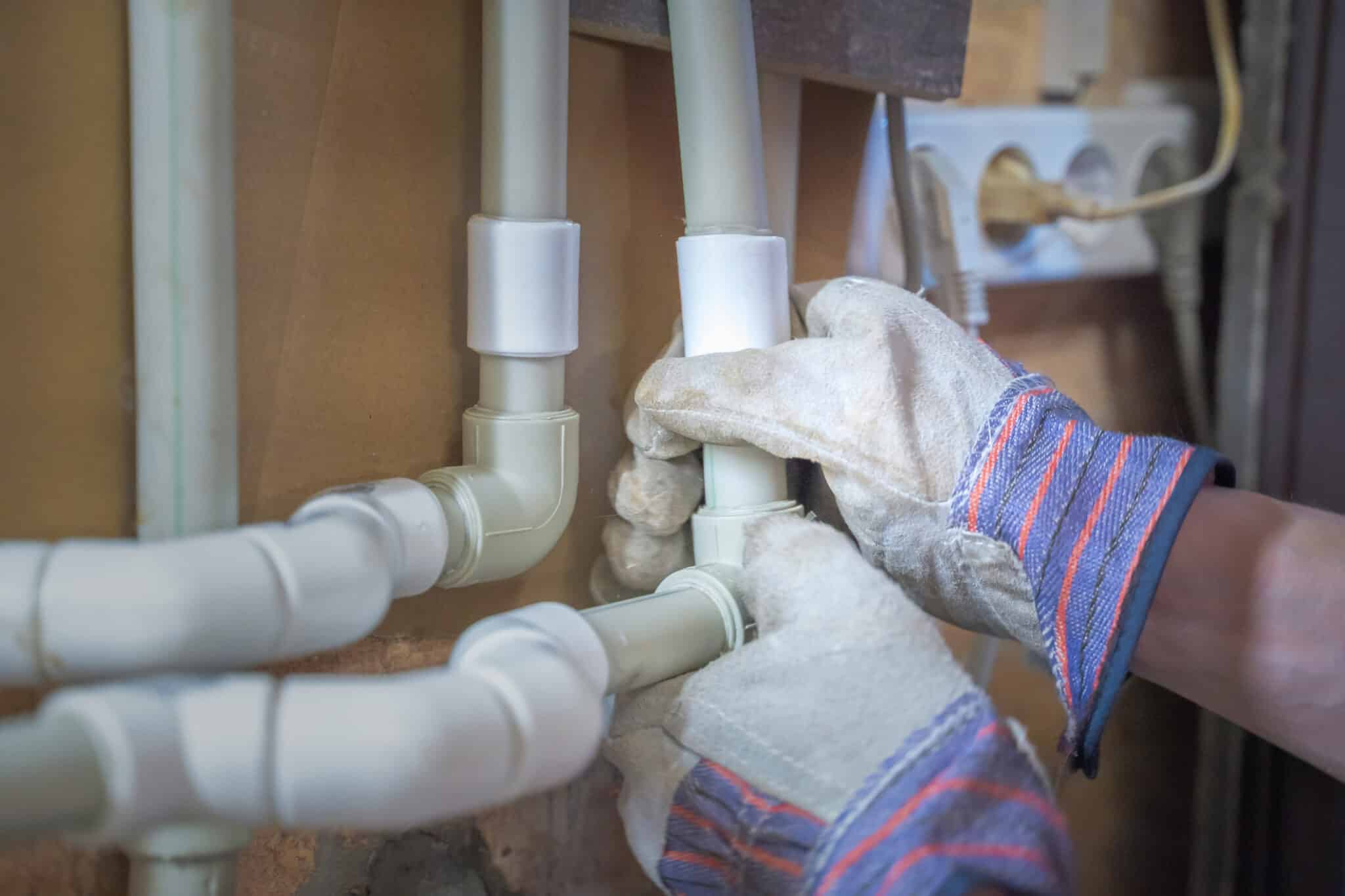
Lifespan and Durability of CPVC and PVC Pipes
Lifespan and durability play a major role in the CPVC vs PVC decision for homeowners. CPVC pipes are engineered to last over 50 years when installed and maintained properly. This long service life appeals to those in Kennedale looking for dependable hot water delivery. CPVC resists corrosion, scaling, and chemical damage, making it ideal for demanding indoor plumbing.
PVC pipes also offer impressive longevity, typically lasting between 25 and 40 years in most settings. Their durability makes them a favorite for outdoor irrigation and drain systems in Waxahachie. PVC stands up well to soil movement and exposure, provided it’s not used for hot water. This reliability adds value, especially in large-scale projects where replacement is costly.
Both materials require correct installation to reach their full potential. Poor installation or using the wrong solvent cement can shorten the lifespan of either pipe type. Regular inspections and prompt repairs help maintain performance and prevent leaks. Choosing experienced professionals ensures your plumbing system remains trouble-free for years.
When comparing CPVC vs PVC, consider the specific environment and usage demands. CPVC excels in high-temperature, indoor systems where longevity is essential. PVC shines in outdoor, cold water, or budget-conscious projects where exposure is a concern. Matching the pipe to your needs guarantees lasting results and peace of mind.
Where CPVC Works Best in Residential Plumbing
CPVC is the top choice for hot water lines in Mansfield homes. Its high temperature resistance makes it ideal for kitchens, bathrooms, and laundry rooms. In the CPVC vs PVC debate, CPVC stands out for indoor plumbing where water temperatures often exceed PVC’s limits. Homeowners in Kennedale trust CPVC for reliable hot water delivery and long-lasting performance.
This material also excels in homes with complex plumbing layouts. CPVC’s flexibility allows for easy routing through walls, ceilings, and tight spaces. Its resistance to corrosion and scaling helps maintain water quality over time. For families who value clean and safe water, CPVC offers peace of mind.
In Waxahachie, many choose CPVC for remodels or new builds with demanding plumbing needs. Its compatibility with both metal and plastic fittings adds to its versatility. CPVC’s strong joints reduce the risk of leaks, even in high-pressure systems. This reliability makes it a favorite for busy households.
When comparing CPVC vs PVC, consider the importance of temperature and water quality in your home. CPVC is best for indoor, hot water, and high-demand plumbing systems. Its durability and long lifespan justify the higher initial investment. Choosing CPVC ensures your plumbing meets the needs of modern families.
Where PVC Excels in Plumbing Applications
PVC shines in specific plumbing situations where its strengths make a real difference. In Kennedale, many homeowners prefer PVC for outdoor irrigation systems and landscape watering. Its resistance to sunlight and moisture helps it withstand tough weather and shifting soil conditions. These features make PVC a reliable choice for gardens, lawns, and exterior drain lines.
When comparing CPVC vs PVC, PVC stands out for cold water delivery in both residential and commercial projects. It works well for main supply lines, pool plumbing, and vent pipes where temperatures remain moderate. The lightweight design allows for quick installation and easy modifications during repairs or upgrades. This efficiency is especially valuable in large-scale or time-sensitive projects.
Waxahachie residents often select PVC for drainage and waste systems due to its durability and low maintenance needs. PVC resists corrosion and chemical buildup, making it ideal for sewer lines and stormwater management. Its smooth interior helps prevent clogs and keeps water flowing efficiently. For these reasons, PVC remains a top choice for exterior and underground applications.
In the CPVC vs PVC debate, PVC’s affordability and versatility make it a favorite for budget-friendly projects. It offers dependable performance in outdoor, cold water, and non-pressurized systems. Homeowners appreciate the cost savings without sacrificing durability or function. For many plumbing needs, PVC delivers lasting value and peace of mind.
Frequently Asked Questions
What are the main differences between CPVC vs PVC pipes?
CPVC vs PVC pipes differ in temperature tolerance, with CPVC handling hotter water than standard PVC. Both materials resist corrosion, but CPVC lasts longer in high-heat environments and is more flexible. PVC costs less and works well for cold water systems, making it a budget-friendly choice. Solvents for joining the pipes also vary, so always use the correct adhesive for each material.
Which is better for hot water systems, CPVC vs PVC?
CPVC vs PVC shows clear advantages for hot water systems because CPVC withstands higher temperatures without warping or cracking. While PVC is durable, it cannot handle the heat from most household water heaters. CPVC remains stable and safe for transporting hot water in homes and businesses. For long-term reliability in hot water lines, CPVC outperforms PVC every time.
Can CPVC and PVC pipes be used interchangeably?
CPVC vs PVC pipes cannot be used interchangeably because each material serves specific temperature and application needs. CPVC handles hot water and higher pressure, while PVC suits cold water systems and drainage. Mixing the two can cause leaks or joint failures, especially if exposed to heat. Always match the pipe type to the system’s requirements for safe and lasting performance.
What are the temperature limits for CPVC and PVC pipes?
CPVC vs PVC pipes have different temperature limits, which affects where each works best. CPVC handles water up to 200 degrees Fahrenheit without losing strength or shape. PVC, however, is only rated for temperatures up to 140 degrees Fahrenheit before it softens or warps. For hot water lines, CPVC is the safer choice, while PVC performs well in cooler applications.
Are there cost differences between CPVC and PVC pipes?
CPVC vs PVC pipes differ in price, with PVC typically costing less than CPVC due to its simpler manufacturing process. Homeowners often choose PVC for cold water projects to save money without sacrificing quality. CPVC costs more because it can withstand higher temperatures and offers greater durability in hot water systems. When comparing CPVC vs PVC, consider both the initial investment and the long-term performance for your plumbing needs.