


Water heater services cover installation, repair, maintenance, and replacement of tank and tankless units for homes and businesses. Plumbers check performance, safety, and code compliance. They spot leaks, corrosion, and pressure issues. This work keeps hot water reliable and helps avoid damage to your property.
When you need service, a plumber will assess the system and recommend the best outcome. That might be a repair to extend life or a replacement for better efficiency. Specialists explain pros and cons and how choices meet local codes. This helps building owners plan with confidence.
Our plumbers follow industry standards and safety practices on every job. A qualified plumber tests valves, vents, and electrical or gas connections. Regular maintenance by a professional reduces breakdown risk and keeps warranties valid. Clients trust our team for clear reports and practical next steps.
If you want an informed plan for your water heater, we offer a consultation to review needs and risks. A contractor or plumber will outline service priorities and code requirements. This helps you decide the right time for repairs or replacement without pressure. Contact us to schedule a licensed plumber to evaluate your system.
WHY CHOOSE US?
Plumbers bring deep experience with water heaters, both tank and tankless. They know common failure signs and hidden issues that owners miss. A licensed plumber will inspect vents, valves, and gas or electrical hookups to find the real problem. That expertise helps avoid repeat visits and saves time.
Safety is a top reason to hire a pro. Water heaters involve gas, high temperatures, and pressure. A plumber follows safety steps to reduce leaks, scalds, and carbon monoxide risks. Using a trained contractor keeps your household safer than DIY fixes.
Proper diagnostics matter for long-term reliability. Plumbers use tests and checks to pinpoint faulty parts and weak systems. Accurate diagnosis means repairs fix the root cause, not just a symptom. That approach extends the unit’s life and lowers the chance of sudden failure.
Professionals also ensure code compliance and document work for permits or warranties. A plumber who knows local rules will install or replace equipment to meet safety standards. That compliance protects you from fines and helps when you sell or insure the property. For a clear plan and confident results, schedule a consultation with Bahama Plumbing’s licensed plumbers.
SIGNS YOU NEED Water Heater Services
A failing water heater often shows clear signs before a major breakdown. Watch for changes in sound, water quality, and performance. Early detection helps prevent water damage and safety risks. Use these clues to decide when to call a plumber for an inspection.
- Rust-colored or discolored hot water
- Foul or metallic hot water smell
- Hot water runs out quickly
- Loud popping or banging noises from the tank
- Visible leaks or puddles near the unit
- Water temperature fluctuates without adjustment
These signs point to internal corrosion, sediment, pressure, or component failure. Ignoring them can cause bigger damage, safety hazards, or code issues. A trained plumber can diagnose the problem and advise on safe next steps. Schedule a consultation soon to avoid costly surprises.
COMMON PROBLEMS WITH Water Heater Services
Water heaters can fail in many ways besides leaks or no hot water. Parts wear, deposits build, and controls can drift out of spec. These faults lower performance and can create safety or code problems. Below are other common failures plumbers see on service calls.
- Failed sacrificial anode causing rapid tank corrosion
- Thermostat drift leading to unsafe temperature swings
- Heating element burnout in electric units
- Gas control valve sticking or leaking
- Flue or vent blockage reducing combustion safety
These issues need a licensed plumber to diagnose and fix correctly. A professional plumber checks parts, tests safety controls, and follows code. Fixes often require specific replacements, adjustments, or permits. Schedule a consultation so a trained plumber can evaluate risks and recommend the right action.
HOW WE HANDLE Water Heater Services
Our team handles water heater work with a clear, step-by-step approach that focuses on safe, code‑compliant outcomes. We start each job with a short on-site review and leave with a written plan you can act on.
- Initial inspection and documentation: A plumber conducts a focused walk‑through, records unit type, age, and visible issues, and photographs key connections for the service file.
- Detailed diagnostics: A plumber tests pressure, checks venting, inspects the drain pan and T&P valve, and uses simple instruments to verify gas or electrical connections as needed.
- Scope and approval: The plumber reviews findings with the property owner or manager, outlines repair or replacement options, notes code needs, and gets approval before buying parts or starting work.
- Safe execution: Licensed plumbers perform the approved work, isolating utilities, following lockout/tagout steps, and using proper fittings and materials that meet code and manufacturer specs.
- Verification and cleanup: After repairs or installation, a plumber runs functional tests, checks for leaks and proper venting, documents the results, and leaves the area clean and safe.
In short, our process moves from clear inspection to documented plans and safe work by licensed plumbers. You get written findings, code‑aware repairs, and a final check so the water heater works reliably and meets professional standards.
WHAT TO EXPECT FROM US
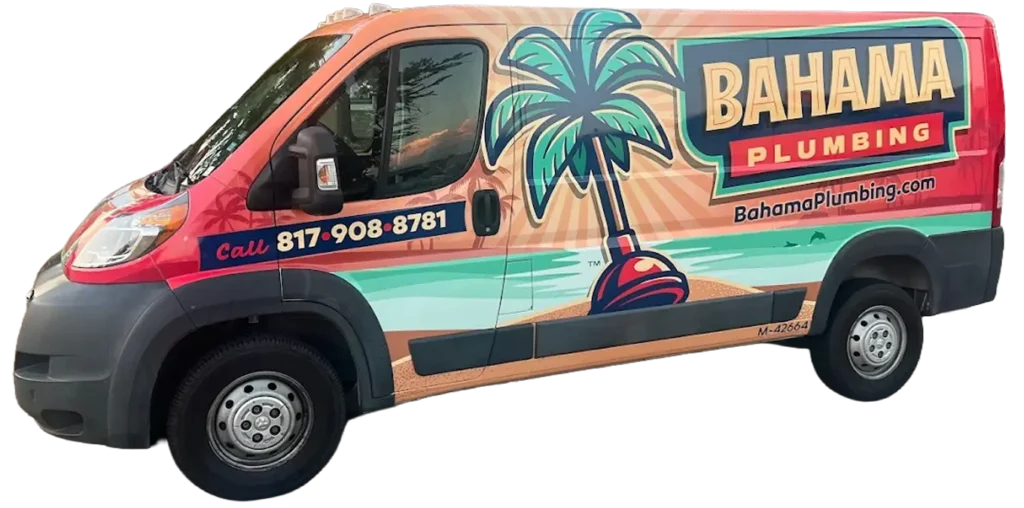
A plumber will arrive in a clearly marked vehicle and with visible ID. They will greet you, confirm the service address and the scope you requested. If access requires a key or code, they will ask for it up front. This helps start the visit on time and keeps things professional.
Before touching the unit, the plumber will walk the space with you. They point out any trip hazards and explain how they will protect floors and belongings. They will note any special access needs, such as tight closets or roof access. This step keeps the site safe and minimizes disruption.
During the inspection, the plumber will show you what they check and why. They will turn on basic controls and demonstrate findings in plain language. If they take photos or readings, they will share them so you see the issue. Clear visuals help you understand the condition without technical overload.
After the evaluation, the plumber will review options and next steps in a short summary. They will list practical outcomes, code needs, and timing for each choice. You will get time to ask questions and a recommendation tailored to your priorities. If you want a formal plan, they will offer a follow-up consultation to document the agreed work.
Water Heater Services
Electric Water Heater Services
Electric water heater services cover inspection, repair, and component replacement for electric units. A plumber checks heating elements, thermostats, and electrical connections. They address heating failure, tripped breakers, and unusual noises. Work focuses on safe electrical handling and code compliance.
Learn more about Electric Water Heater Services.Water Heater Maintenance
Water heater maintenance includes routine checks and simple service to keep a unit reliable. A plumber flushes sediment, tests valves, and inspects anode rods when applicable. Maintenance reduces breakdown risk and helps catch early corrosion or leaks. Regular care supports safer operation and longer equipment life.
Learn more about Water Heater Maintenance.Tankless Water Heater Services
Tankless water heater services cover inspection, descaling, and part replacement for on-demand units. A plumber addresses flow issues, ignition faults, and mineral buildup in heat exchangers. Work aims to restore consistent hot water delivery and meet venting or electrical code needs. Technicians also verify system settings for peak performance.
Learn more about Tankless Water Heater Services.Water Heater Repair
Water heater repair fixes faulty parts and leaks to restore hot water service. A plumber diagnoses failed burners, valves, thermostats, or control systems and replaces worn components. Repairs target root causes to avoid repeat visits and unsafe conditions. The team documents findings and recommended repairs for your records.
Learn more about Water Heater Repair.Gas Water Heater Services
Gas water heater services handle inspection, burner adjustment, and safe gas connection work. A plumber inspects vents, gas lines, and combustion areas for leaks or blockages. They address pilot light issues, combustion instability, and carbon monoxide risks. All work follows code and manufacturer guidelines for safety.
Learn more about Gas Water Heater Services.Water Heater Installation
Water heater installation includes selecting and setting up a new tank or tankless unit. Plumbers size the unit, connect gas or electrical supplies, and ensure proper venting and drainage. Installations meet code requirements and include basic startup checks. The crew leaves written documentation and operational guidance.
Learn more about Water Heater Installation.FREQUENTLY ASKED QUESTIONS
How soon can a plumber respond for an urgent hot water outage?
Response time varies with scheduling and current jobs, but a plumber will prioritize medium-urgency calls. When you report no hot water, the plumber will confirm access and basic symptoms by phone. They will bring common parts and diagnostic tools to speed repairs on the first visit.
What should I prepare before the water heater service visit?
Clear a safe path to the unit and remove nearby items from the work area. Have any warranty or installation paperwork handy and tell the plumber about recent noises or changes. If access needs a key or code, share that ahead of time so the plumber can start promptly.
How long does a typical inspection or basic repair take?
Most inspections and simple repairs finish within one to three hours depending on the issue. Complex diagnostics or parts replacement can take longer and may require a return visit. The plumber will give a time estimate after the initial check and outline next steps.
What qualifications does your team hold for water heater work?
Licensed plumbers perform all water heater inspections and repairs to meet code requirements. The plumber will follow safety practices for gas, electrical, and pressure systems and document findings. You can ask for ID and written notes about the work and any code considerations.
What happens after service if the unit still has issues?
If problems persist, the plumber documents follow-up needs and recommends a plan of action. They will explain repair options, possible replacement, and any code or safety risks tied to continued use. A follow-up visit or consultation can be scheduled to resolve unresolved faults.