


One crucial task is winterizing sump pumps, a process that ensures your basement remains dry and safe throughout the cold months. Freezing temperatures can wreak havoc on outdoor plumbing, causing blockages and potential water damage that can be both costly and stressful to resolve. Understanding how to properly prepare your sump pump and yard drains for winter is essential for avoiding these issues.
Winterizing sump pumps is not just about protecting your home; it’s about peace of mind. Residents in Waxahachie, TX, and other areas prone to sudden freezes know all too well the challenges posed by winter weather. By taking proactive steps now, you can prevent the inconvenience of frozen discharge lines or clogged yard drains. This process involves a few simple, yet effective, measures that can save a lot of headaches down the road.
Fortunately, the steps to ensure your sump pump and drainage systems are ready for winter are straightforward and can be done without professional help. However, knowing exactly what to do and when to do it is key. From checking the discharge line for blockages to insulating exposed pipes, each action plays a vital role in the overall effectiveness of your system. With the right approach, you can keep water flowing smoothly, regardless of the freezing temperatures outside.
In conclusion, winterizing sump pumps and outdoor drainage systems is an essential part of home maintenance in cold climates. By taking the time to address these areas before the onset of winter, homeowners in Mansfield, Kennedale, TX, Waxahachie, TX, and beyond can avoid the pitfalls of water damage and flooding. Following the practical tips outlined in this article will ensure your home stays dry and protected all winter long, letting you enjoy the season without worry.
Understanding the Importance of Winterizing Sump Pumps
As we delve deeper into the importance of winterizing sump pumps, it’s crucial to recognize the potential risks of neglecting this task. When temperatures in Mansfield plummet, water in the discharge lines can freeze, causing a blockage. This blockage prevents your sump pump from expelling water, leading to a risk of basement flooding. Addressing this issue before winter sets in can save you from the stress and cost of water damage.
One effective step in winterizing your sump pump is to inspect and clean the discharge line. Ensure it’s free from obstructions and debris that could freeze and cause a blockage. This simple action, often overlooked, is a cornerstone of preventing system failures during cold snaps. Residents of Kennedale, TX, can attest to the effectiveness of regular maintenance in avoiding winter plumbing woes.
Another key measure is insulating exposed pipes and the sump pump itself. Insulation helps maintain a warmer temperature within the pipes, reducing the likelihood of freezing. You can find insulation materials at most hardware stores, making this a straightforward DIY task. This step is especially beneficial for homes in Waxahachie, TX, where sudden temperature drops are common.
Lastly, consider installing a backup power source for your sump pump. Winter storms can lead to power outages, leaving your sump pump inoperative when you need it most. A battery backup or generator ensures your pump continues to function, keeping your basement dry throughout the winter months. Taking these proactive steps not only secures your home against the cold but also provides peace of mind, knowing you’re well-prepared for whatever winter brings.
Identifying Vulnerable Areas in Your Drainage System
Identifying vulnerable areas in your drainage system is crucial for effective winterizing of sump pumps. Start by examining yard drains and downspouts, ensuring they’re clear of leaves and debris. This prevents water from backing up and freezing, which could lead to costly damages. In Kennedale, TX, homeowners know the importance of keeping these areas clean to avoid winter drainage issues.
Next, check for any cracks or damage in your drainage pipes. Even small fissures can expand when water freezes, leading to significant problems. Repairing these vulnerabilities before the cold sets in is a proactive step towards safeguarding your home. Residents in Waxahachie, TX, can attest to the benefits of this preventative measure, protecting their properties from unexpected winter challenges.
Additionally, consider the landscape around your home. Ensure that it slopes away from your foundation, promoting proper drainage. This natural defense against water accumulation can be a simple yet effective strategy in preventing basement flooding. It’s a straightforward solution that supports winterizing sump pumps, ensuring your home stays dry.
Finally, don’t overlook the importance of regular maintenance checks throughout the winter. Periodically inspect your sump pump and drainage system to ensure they’re functioning correctly. This ongoing vigilance helps catch potential issues early, preventing them from escalating into bigger problems. Winterizing sump pumps is a smart habit that brings peace of mind during the coldest months.
Step-by-Step Guide to Winterizing Your Sump Pump
Winterizing sump pumps begins with a thorough inspection to identify any potential issues that could hinder their performance during cold months. In Kennedale, TX, homeowners understand the importance of this step, ensuring their systems are free from defects that could lead to freezing. Checking for cracks, blockages, or malfunctioning components is crucial. Addressing these problems early can prevent water damage and ensure the pump operates efficiently when temperatures drop.
Next, cleaning the sump pump pit is an often overlooked but essential part of winter preparation. Removing debris, silt, and dirt that accumulates over time helps prevent clogs that could cause the pump to fail. This is particularly important in areas like Waxahachie, TX, where sudden temperature drops can exacerbate existing issues. A clean pit supports winterizing sump pumps by allowing them to function optimally and reducing the risk of overflow.
Insulating the sump pump and its discharge lines is another key step in the winterizing process. Insulation acts as a barrier against the cold, preventing water within the lines from freezing. This can be done using foam insulation sleeves available at local hardware stores. Proper insulation is a vital part of winterizing sump pumps, keeping them effective during harsh weather conditions.
Finally, installing a backup power source for your sump pump guarantees its operation during power outages, a common occurrence in winter storms. Whether you choose a battery backup or a generator, this addition provides peace of mind, knowing your basement is safeguarded against flooding even when the main power supply is disrupted. Regular testing of this backup system throughout the winter months ensures it’s ready to function when needed. These added precautions round out the process of winterizing sump pumps, offering solid protection through the season.
Preparing Yard Drains for Freezing Temperatures
As winter approaches, ensuring your yard drains are prepared for freezing temperatures is just as crucial as winterizing sump pumps. In Kennedale, TX, clearing these drains of leaves, silt, and any debris is the first step toward preventing water backup and ice formation. This proactive measure keeps water flowing away from your home, minimizing the risk of flooding. By maintaining clear yard drains, homeowners can significantly reduce the potential for water damage during cold months.
Next, inspecting the integrity of your yard drain pipes is essential. Small cracks or damage can lead to big problems when water freezes and expands. Homeowners in Waxahachie, TX, understand the importance of this step, as repairing any damage before winter sets in can prevent costly issues later. Ensuring these pipes are in good condition is a key part of the winterization process.
Adding a layer of mulch or straw over the areas where yard drains are located can provide extra insulation against freezing temperatures. This natural insulation helps maintain warmer ground temperatures, reducing the likelihood of the ground freezing and impacting the drains’ effectiveness. It’s an easy, eco-friendly method that complements the overall strategy of winterizing your home’s exterior plumbing.
Lastly, regular checks throughout the winter season are vital to ensure that your yard drains remain clear and functional. Just like with sump pumps, ongoing vigilance can catch and resolve issues before they escalate into bigger problems. This commitment to maintenance ensures that your home’s drainage system works efficiently, keeping your property safe from water damage all winter long.
The Role of Insulation in Protecting Your Plumbing
Insulation plays a crucial role in winterizing sump pumps, acting as a protective barrier against the cold. By wrapping discharge lines and the pump itself with insulation, homeowners in Kennedale, TX, can prevent water inside from freezing. This step is essential as it ensures that the pump remains functional, even during severe temperature drops. Insulation materials are readily available and can be applied without professional help, making this a cost-effective preventative measure.
In addition to insulating the sump pump, it’s wise to insulate any exposed outdoor pipes. Pipes that are not properly insulated are at risk of freezing, which can lead to cracks and costly leaks. Residents of Waxahachie, TX, have found that foam insulation sleeves are an effective solution for keeping pipes warm. This simple action can save a lot of trouble, keeping water flowing smoothly throughout the winter months.
Regular inspection of the insulation throughout the winter is also important. Homeowners should check to ensure the insulation remains dry and intact, as wet or damaged insulation will not provide adequate protection. If any issues are discovered, replacing the insulation promptly will prevent any potential freeze-related damage. This ongoing maintenance is key to ensuring the effectiveness of the winterization efforts.
Finally, understanding that insulation is just one part of a comprehensive winterization plan is vital. While it significantly reduces the risk of freezing, combining insulation with other measures like cleaning and maintenance checks offers the best protection. Together, these steps form a robust defense against the challenges of winter, safeguarding your home’s plumbing from the season’s harsh conditions.
Troubleshooting Common Winter Issues with Sump Pumps
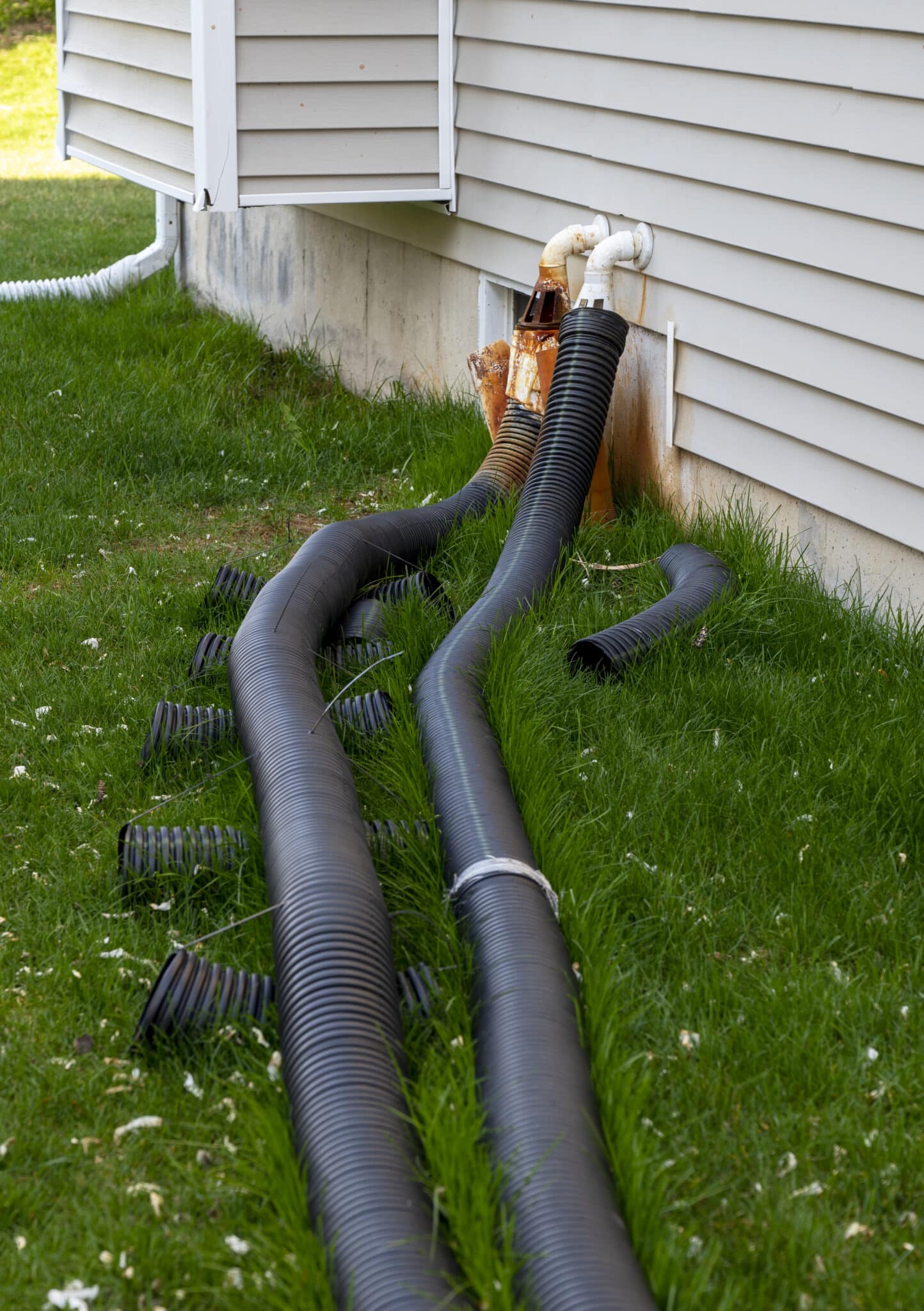
Despite careful preparation, homeowners may still encounter issues with their sump pumps during the winter months. In Kennedale, TX, one common problem is the pump running continuously, which can occur if the discharge line freezes and blocks water flow. To troubleshoot this, first, ensure the line is clear and insulated. If the issue persists, checking the float switch for proper operation can help, as it might be stuck or malfunctioning, causing the pump to run non-stop.
In Waxahachie, TX, another frequent challenge is the sump pump failing to start, often due to power outages or electrical issues. Homeowners should verify that their pump is connected to a working power source. For added security, installing a battery backup system can provide power during outages, ensuring the pump operates when needed. This proactive step can be a game-changer in maintaining a dry basement throughout the winter.
Sometimes, despite the pump running, water levels in the sump pit may not decrease. This situation might indicate a clogged or frozen discharge line. Homeowners are advised to inspect the line for blockages and thaw any frozen sections carefully. Additionally, ensuring the pump’s intake is clear of debris can improve water flow and prevent overworking the pump.
Winterizing sump pumps is essential for avoiding these issues before they start. Unusual noises from the sump pump, such as grinding or humming, may suggest a jammed or failing pump. Checking for debris and ensuring the impeller moves freely can often resolve these sounds. If problems persist, it’s wise to seek professional help, especially when winterizing sump pumps hasn’t been done or was done incorrectly.
Winterizing Sump Pumps: Do’s and Don’ts
When it comes to winterizing sump pumps, a key do is to start early before the first freeze hits. Homeowners in Kennedale, TX, benefit from this proactive approach, as it allows ample time to address any potential issues. Ensuring your sump pump and its components are in good working order can prevent emergency situations. Regularly testing the pump by pouring water into the pit to trigger it can also ensure it’s ready for winter.
On the flip side, one significant don’t is neglecting to check the discharge line’s exit point. In Waxahachie, TX, where temperatures can drop suddenly, a blocked exit can cause water to back up and potentially freeze, leading to damage. It’s essential to keep the area where water exits clear of debris, ice, or snow. This simple step can make a substantial difference in maintaining an effective drainage system.
Another important do is to invest in a high-quality battery backup system for your sump pump. Power outages are common during winter storms, and having a backup ensures your pump continues to operate, keeping your basement dry. This investment offers peace of mind to homeowners, knowing their homes are protected against flooding, even during power outages.
Lastly, a critical don’t is ignoring the need for professional help when necessary. While many aspects of winterizing sump pumps can be DIY, complex issues should be handled by professionals. If you encounter persistent problems or are unsure about any part of the process, seeking expert advice can save time and prevent costly mistakes. Their expertise can be invaluable in ensuring your sump pump system is fully prepared for winter.
Essential Tools and Supplies for Winterizing Your Plumbing
When embarking on the task of winterizing sump pumps, having the right tools and supplies is crucial. For homeowners in Kennedale, TX, a trip to the local hardware store can provide all the essentials needed. Insulation materials, such as foam sleeves or wraps, are key to preventing your pipes and pump from freezing. Additionally, securing a portable heat source can help thaw any frozen sections safely, without causing damage.
In addition to insulation, a high-quality, non-toxic antifreeze solution is beneficial for those in Waxahachie, TX. This solution can be used in certain types of sump pumps and yard drains to prevent freezing, but it’s important to ensure it’s safe for your specific system and local regulations. A sturdy shovel and salt or ice melt will also be necessary to keep the discharge area clear of snow and ice, allowing water to flow freely.
Regular maintenance tools should not be overlooked. A reliable flashlight and batteries will be indispensable for inspecting your sump pump and drainage systems in low-light conditions. Having a set of basic hand tools, such as screwdrivers and pliers, allows you to make quick adjustments or clear minor blockages, ensuring your system remains operational throughout the winter months.
Lastly, investing in a backup power solution, like a battery backup sump pump or a generator, offers an extra layer of security. This ensures that, even during a power outage, your sump pump will continue to protect your home from water damage. By gathering these essential tools and supplies, homeowners can confidently tackle the process of winterizing sump pumps, safeguarding their homes against the harsh winter weather.

Frequently Asked Questions
How do you winterize yard drains?
Winterizing yard drains starts with clearing out leaves and debris. Next, flush them with water to ensure they’re free of blockages. Adding a layer of insulation can prevent freezing. Lastly, check them regularly throughout winter to keep them functioning well.
What are the steps for winterizing sump pumps?
Winterizing sump pumps begins by checking for any signs of damage or wear. Next, clean the pump and its surrounding area to remove debris. Ensure the discharge line is clear and slopes away from your home to prevent freezing. Lastly, install a backup power source to keep it running during power outages, safeguarding your basement from water damage.
Can freezing temperatures damage sump pumps?
Freezing temperatures can indeed harm sump pumps. Ice may form in the discharge line, blocking water flow and causing strain on the pump. This added pressure can lead to motor or component failure. To avoid such damage, ensure proper winterizing steps are taken to keep the system safe.
What tools are needed for winterizing sump pumps?
To winterize sump pumps effectively, a few basic tools are essential. A sturdy shovel will help clear the area around the discharge line. A garden hose is handy for flushing out the pump and line. You’ll also need insulation materials to wrap the pipes, preventing freezing. Lastly, a flashlight aids in inspecting the pump and surrounding space for any potential issues.
Is it necessary to check yard drains after winter?
Checking yard drains post-winter is crucial for maintaining proper drainage. Thawing snow and ice can introduce debris, blocking water flow. A quick inspection ensures they are clear and ready for spring rains. This simple step prevents water buildup and protects your property.