


When water takes too long to heat, experiencing delays in getting your water warmed up can be both frustrating and puzzling. This common problem affects many households, not just in Mansfield, TX, but also in nearby areas like Waxahachie, TX. If you find yourself waiting longer than usual for hot water, it is a clear sign that something is not working correctly. Understanding the root causes is the first step toward finding a lasting solution.
The problem of water takes too long to heat can stem from several underlying factors. It may be related to issues with your water heater, sediment buildup inside the tank, or poor insulation around your water pipes. Each of these concerns can reduce the overall efficiency of your hot water system. Pinpointing which factor is affecting your home is essential for proper resolution.
Knowing what to check when water takes too long to heat can save you time and help avoid costly repairs. In some cases, the fix may be as simple as adjusting your water heater settings. In other situations, a deeper solution may be needed, such as removing sediment or improving pipe insulation. Understanding when to manage the issue yourself and when to contact a professional in Mansfield or Waxahachie makes a big difference.
Improving hot water efficiency not only resolves water takes too long to heat but also delivers long term benefits. These improvements can lower energy bills, reduce environmental impact, and increase daily comfort at home. A reliable hot water system supports a smoother routine for your household. With the right approach, water takes too long to heat becomes a thing of the past.
Understanding Why Water Takes Too Long to Heat
When water takes too long to heat, one common culprit is the water heater itself. It may not be functioning efficiently due to age or minor malfunctions. For Mansfield, TX homeowners, checking the thermostat setting and ensuring it’s not set too low can be a simple solution. If that doesn’t help, the unit might require servicing or full replacement.
Another reason water takes too long to heat is sediment buildup inside the tank. Minerals from hard water settle at the bottom, creating a barrier between the burner and the water. This forces the heater to work harder and longer, reducing overall efficiency. Flushing the tank once a year helps remove this sediment and restores proper function.
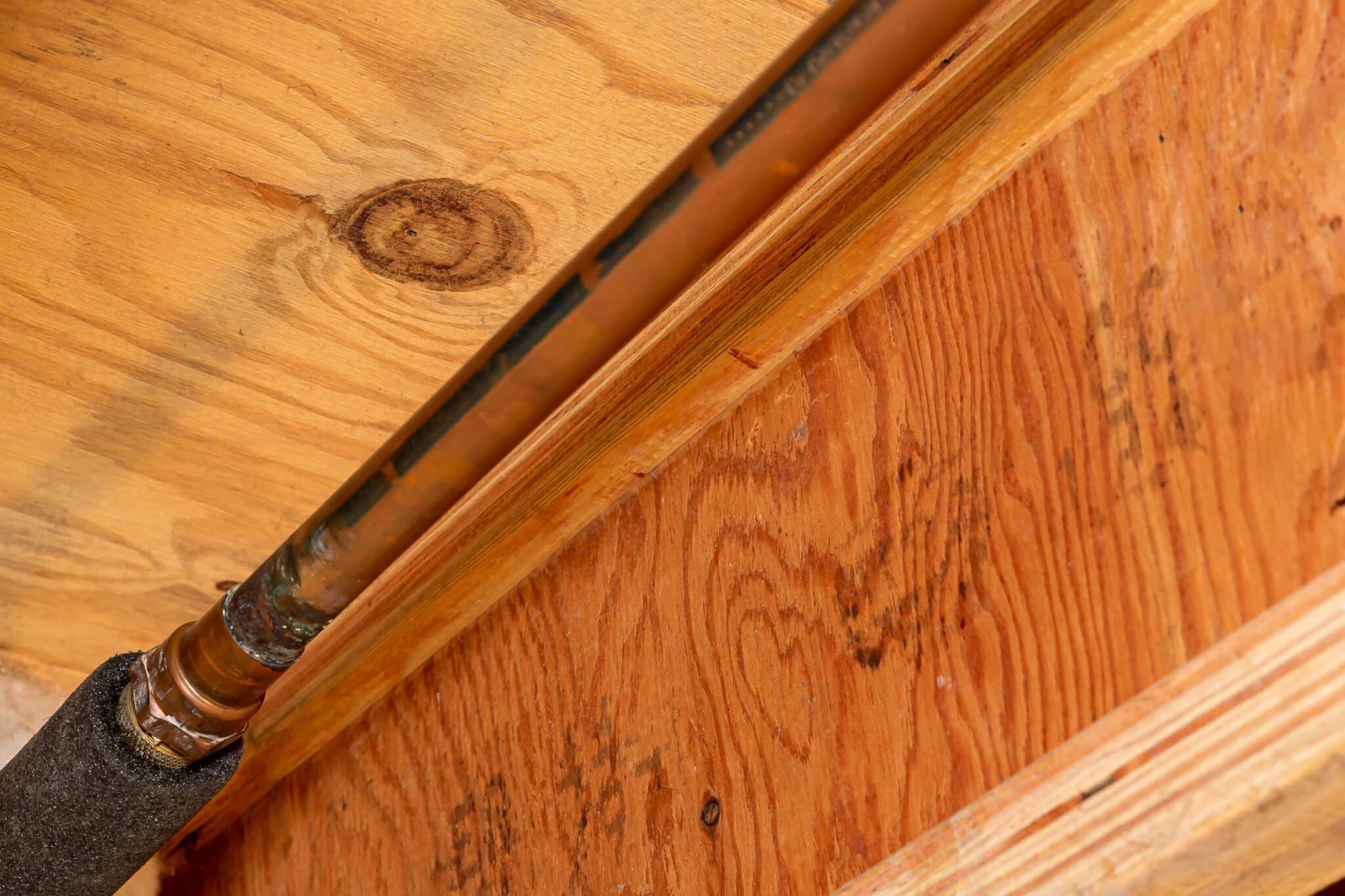
Uninsulated water pipes can also delay heating, especially in colder areas like Waxahachie, TX. As water travels through cold pipes, it loses heat quickly before reaching the tap. Wrapping those pipes in insulation keeps the heat in and speeds up delivery. This simple fix can make a noticeable difference during winter months.
In some cases, professional help becomes necessary. Persistent issues like faulty components or heavy sediment buildup often need expert attention. A licensed plumber can assess, repair, or recommend a more efficient system if needed. Addressing the root causes ensures better performance when water takes too long to heat.
The Role of Your Water Heater in Heating Delays
Understanding the role of your water heater when your water takes too long to heat is essential. Often, the type of water heater you have can significantly impact heating times. Traditional tank water heaters may take longer to heat water as they age. Switching to a tankless water heater, which heats water on demand, might offer a quicker solution.
Regular maintenance plays a pivotal role in preventing delays. In Mansfield, TX, scheduling an annual inspection of your water heater can uncover issues before they lead to longer wait times. Technicians can check for wear and tear, ensuring the system operates efficiently. This proactive approach can keep your water heating promptly.
Adjusting the thermostat on your water heater can also affect how quickly you get hot water. Setting it too low might save energy but at the cost of slower heating times. Experimenting with a slightly higher setting, while still being mindful of safety and energy consumption, could reduce the wait. Always ensure adjustments stay within manufacturer recommendations to avoid overheating.
In Waxahachie, TX, upgrading your water heater might be the best long-term solution. If your system is outdated or too small for your household’s needs, it will struggle to provide hot water quickly. Investing in a newer, more efficient model can not only speed up heating times but also lower monthly energy bills. This upgrade can be a smart move for both comfort and savings.
Sediment Buildup: A Common Culprit
Water Takes Too Long to Heat is often a sign of sediment buildup in your water heater. In Mansfield, TX, the hard water makes this issue more common by leaving mineral deposits in the tank. These sediments create a barrier, slowing down the heating process significantly. Flushing your water heater regularly helps remove these deposits and restores efficient operation.
Another effective solution to prevent sediment buildup is installing a water softener. This device lowers mineral content in your water, keeping your tank cleaner for longer. Many Waxahachie, TX, homeowners report better performance and fewer complaints that water takes too long to heat. It’s a smart, long-term fix that keeps your hot water flowing faster.
If you’re unsure how to maintain or upgrade your system, reaching out to a professional plumber is your best bet. They can flush the tank, install a water softener, and inspect for other possible causes. These services can make a noticeable impact when water takes too long to heat in your home. Their expertise ensures your water heater runs at peak performance.
Enhancing your water heater’s efficiency not only speeds up heating time, but also cuts energy usage. Less sediment means the heater works less, leading to lower utility bills. Addressing sediment buildup is a simple yet powerful step. You’ll enjoy faster access to hot water and a more reliable heating system.
Insufficient Insulation and Its Impact on Hot Water
Insufficient insulation often goes unnoticed but plays a key role when water takes too long to heat. In homes around Mansfield, TX, insulating water pipes can drastically reduce heat loss. Keeping water warm as it travels through the pipes ensures it reaches your tap hot and ready. This simple fix makes chilly mornings more bearable and daily routines more comfortable.
In colder months or regions, poor insulation becomes an even bigger problem. Water cools quickly in the pipes, causing the heater to work overtime. By wrapping pipes with proper insulation, especially in areas like Waxahachie, TX, you maintain higher water temperatures. This reduces the chance you’ll feel water takes too long to heat during winter.
Energy savings are another strong reason to improve insulation. When the heater doesn’t need to reheat water constantly, it runs more efficiently. This leads to quicker hot water access and smaller utility bills. For those frustrated when water takes too long to heat, it’s a cost-effective solution worth exploring.
Not sure which insulation materials are best for your setup? A professional plumber can help you choose and install the right option. They’ll also inspect for other plumbing inefficiencies that may be slowing heating time. With expert advice, you can enjoy faster hot water and a more efficient home. Don’t let a lack of insulation keep you waiting.
Troubleshooting Tips for Slow Heating Water
When water takes too long to heat, the first thing to check is your water heater’s pilot light. In Mansfield, TX, it’s common for the pilot light to go out unexpectedly, delaying hot water. Relighting it according to the manufacturer’s guidelines often solves the issue quickly. This easy fix can prevent unnecessary stress and service calls.
Next, consider the water heater’s age and capacity. Older or undersized units may struggle to meet your household’s hot water needs efficiently. If your system is outdated, replacing it with a modern unit can help when water takes too long to heat. A properly sized, energy-efficient model ensures faster and more consistent performance.
In Waxahachie, TX, cross-connected pipes can also create problems by mixing cold and hot water. This can confuse the system and lead to extended heating times. A plumber can detect and fix these plumbing quirks quickly. Solving this issue ensures your water heater delivers hot water without unnecessary delays.
Installing a hot water recirculation system is another effective solution. It keeps warm water circulating through your pipes, reducing wait time at the tap. Though it requires a professional install, it’s ideal for homes where water takes too long to heat regularly. The convenience and long-term energy savings make it a smart investment.
When to Call a Professional Plumber
Understanding when it’s time to call a professional plumber is crucial if your water takes too long to heat. In Mansfield, TX, a skilled plumber can diagnose issues beyond basic troubleshooting. They bring expertise in handling complex problems, such as deep-seated sediment buildup or malfunctioning water heater components. Their intervention can turn a frustrating situation into a swift resolution, ensuring your hot water system works efficiently.
Sometimes, the problem might not be apparent, requiring specialized tools and knowledge to uncover. For instance, detecting hidden leaks or assessing the condition of internal water heater elements is something only professionals can do accurately. Residents in Waxahachie, TX, can benefit from a plumber’s ability to pinpoint the exact cause of delays in heating. This precision saves time and money by addressing the root of the problem directly.
Professional plumbers not only fix current issues but also offer advice on preventing future problems. They can suggest upgrades or maintenance routines that enhance your system’s performance. By following their guidance, you can avoid the common pitfall where water takes too long to heat. Their recommendations could lead to significant improvements in your home’s hot water efficiency and overall plumbing health.
Lastly, involving a professional ensures that any repairs or installations comply with local building codes and regulations. This compliance is essential for your safety and the long-term reliability of your plumbing system. Whether you’re in Mansfield, TX, or Waxahachie, TX, a licensed plumber provides peace of mind. They ensure that your efforts to solve heating delays are successful and sustainable, keeping your home comfortable and compliant.
Upgrading Your System for Better Efficiency
Upgrading your system may be the answer when water takes too long to heat. In Mansfield, TX, many homeowners discover that aging units just can’t keep up with modern demands. Replacing an old water heater with a newer, energy-efficient model can dramatically shorten wait times. This upgrade boosts both performance and energy savings.
For faster hot water delivery, consider installing a tankless water heater. These systems heat water on demand, removing the need for a storage tank entirely. Waxahachie, TX, residents often notice immediate benefits, especially when water takes too long to heat with traditional setups. Plus, tankless models typically outlast their tank-based counterparts.
Adding smart technology to your water heating system can take efficiency to the next level. With programmable timers and smart thermostats, you control how and when water heats. Adjusting these settings to fit your schedule means hot water is always ready when needed. This tech-savvy approach also helps conserve energy over time.
It’s smart to consult a professional plumber about the right upgrades for your specific needs. They’ll assess your home and suggest the most efficient options. In both Mansfield and Waxahachie, expert advice ensures smart investments that solve common issues. With the right system, you won’t feel frustrated when water takes too long to heat anymore.
Preventive Measures to Avoid Future Heating Delays
Taking proactive steps can significantly reduce the chances of experiencing delays when your water takes too long to heat. In Mansfield, TX, one effective measure is scheduling regular maintenance for your water heating system. This ensures any potential issues are identified and addressed early. Regular checks can prevent sediment buildup and ensure the system operates efficiently.
Another preventive strategy involves being mindful of how much water you use. In Waxahachie, TX, residents can adopt water-saving practices to lessen the demand on their water heaters. Shorter showers and fixing leaks promptly can make a big difference. These habits help maintain the system’s efficiency and prolong its lifespan.
Installing energy-efficient fixtures is also a wise move. Low-flow showerheads and faucets reduce water usage without sacrificing pressure. This means less work for your water heater and quicker heating times. Plus, these fixtures can lead to savings on both your water and energy bills.
Lastly, considering an upgrade before problems arise can be a smart investment. If your system is old or struggles to meet your needs, a new, more efficient model can offer a long-term solution. A professional plumber can advise on the best options for your home. With the right system in place, you can enjoy faster heating times and avoid future delays.
FAQs About Water Takes Too Long to Heat
Why does water take so long to heat?
If your water takes too long to heat, the issue might lie with your water heater. Sediment buildup can reduce efficiency, making heating sluggish. Poor insulation also contributes to heat loss, delaying warm water. For optimal performance, checking these areas and consulting a professional is advisable.
Can mineral buildup affect heating time?
Yes, mineral buildup can significantly slow down heating time. As minerals accumulate, they insulate the water from the heat source. This forces your system to work harder, using more energy. Regularly flushing the heater can help remove these deposits, improving efficiency.
How does tank size impact heating speed?
The size of your water heater’s tank can greatly affect how quickly you get hot water. Larger tanks take more time to heat up fully, leading to longer waits. On the other hand, smaller tanks heat up faster but might run out of hot water quickly during high demand. It’s important to choose a tank size that fits your household’s needs to ensure a steady supply of hot water without unnecessary delays.
What role do heating elements play?
Heating elements are crucial in warming up your water. If they’re faulty or covered in sediment, heating efficiency drops. This means your water takes longer to reach the desired temperature. Regular checks and maintenance can ensure these elements function properly, keeping your hot water flowing without delay.
What are common solutions for water takes too long to heat?
To address the issue of water taking too long to heat, start by inspecting your water heater and elements for any signs of damage or sediment buildup. Regularly flushing the system can help remove mineral deposits, enhancing efficiency. Upgrading insulation around pipes and the heater itself can also prevent heat loss. If problems persist, consulting with a professional plumber ensures a thorough diagnosis and effective solution.