


As winter blankets cities like Kennedale and Mansfield, homeowners often face a common yet frustrating issue: water heaters fail. The chill of the colder months brings with it a unique set of challenges for these essential household appliances. The demand for hot water surges as temperatures drop, putting extra pressure on water heaters to perform without a hitch. Unfortunately, this increased demand is just one of several reasons why water heaters are more prone to breakdowns during winter.
Sediment buildup is another critical factor contributing to why water heaters fail in colder weather. Over time, water contains minerals that settle at the bottom of the tank, especially in areas with hard water. This sediment layer acts as a barrier between the water and the heating element, forcing the system to work harder and less efficiently. As a result, the strain on the heating elements escalates, leading to potential failures.
The strain on heating elements cannot be overlooked as a significant reason for the seasonal failure of water heaters. These components are vital for heating the water to the desired temperature. However, during winter, the colder incoming water temperature means the heating elements must work overtime. This extra workload can lead to overheating and eventual burnout, rendering the water heater less effective or completely inoperative.
Lastly, aging components play a crucial role in the reduced efficiency and reliability of water heaters during the colder months. Just like any other appliance, water heaters have a lifespan. Components wear out, and efficiency declines over time. The combination of cold weather, increased demand, sediment buildup, and worn-out parts creates a perfect storm, leading to the unfortunate but all-too-common scenario where water heaters fail, leaving residents of Mansfield and beyond in the cold.
Increased Demand for Hot Water in Winter
As winter intensifies, the demand for hot water in homes skyrockets. Families in Kennedale start their day with hot showers, increasing the use of hot water for comfort against the chill. This surge in usage puts water heaters under immense pressure to maintain a constant supply of hot water. Consequently, the system’s ability to keep up becomes a challenge, and water heaters fail more often during this time.
In Mansfield, the situation is no different. The cold weather means residents rely more on their water heaters for various needs, from washing dishes to doing laundry. This constant demand can overwork the heater, pushing it beyond its limits. When water heaters are forced to operate at full capacity for extended periods, their efficiency drops, and water heaters fail under the strain.
Moreover, the winter demand highlights any underlying issues within the system. If a water heater is nearing the end of its lifespan or has been functioning just below par, the increased usage can be the final straw. Minor problems that were once manageable during warmer months become critical, leading to complete system failures. In many cases, this is when water heaters fail without warning.
To prevent such issues, homeowners are advised to get their water heaters checked and serviced before the cold season begins. Regular maintenance can identify and rectify potential problems, ensuring the system can handle the winter demand. This proactive approach helps in avoiding the inconvenience of dealing with water heater failures during the coldest months.
How Sediment Buildup Leads to Water Heaters Fail
Understanding how sediment buildup contributes to water heater failures, especially during winter, is crucial for homeowners in Kennedale and Mansfield. As water heaters work harder to meet the increased demand for hot water, the sediment at the bottom of the tank becomes a significant problem. This sediment, primarily composed of minerals from hard water, forms a layer that insulates the water from the heater’s elements. Consequently, the heater must expend more energy to heat the water, leading to inefficiency and potential failure, and this is often when Water heaters fail.
The process begins subtly, often going unnoticed until the water heater’s performance significantly declines. In areas with hard water, the rate of sediment accumulation can accelerate, hastening the onset of issues. The heater’s struggle to maintain the desired water temperature becomes more apparent, indicating the system is under strain. This strain not only increases the risk of failure but also elevates energy consumption, making the system more costly to operate, which is another reason Water heaters fail.
Regular flushing of the water heater tank is a preventative measure that can mitigate the risk of sediment buildup. This maintenance task, ideally performed annually, involves draining the tank to remove the sediment. By keeping the tank clear of these deposits, homeowners can improve the efficiency of their water heaters. More importantly, this simple step can extend the lifespan of the appliance, ensuring it remains reliable during the demanding winter months.
However, many homeowners overlook this maintenance, leading to a gradual decrease in water heater performance. As the sediment layer thickens, the heating element works overtime to compensate, which can lead to overheating and eventual failure. Recognizing the importance of addressing sediment buildup is key to preventing water heaters from failing. Proactive maintenance and awareness can save residents from the inconvenience and discomfort of cold showers during the coldest times of the year, especially when Water heaters fail.
The Strain on Heating Elements During Cold Months
When winter arrives, the strain on heating elements becomes a critical issue, often leading to water heaters failing. In Kennedale, the drop in temperature means water entering heaters is much colder. This requires the heating elements to work harder to raise the water to the desired temperature. The increased workload can cause the elements to wear out faster, reducing the heater’s efficiency and reliability.
In Mansfield, homeowners may notice their water heaters struggling to provide enough hot water. This is a clear sign that the heating elements are under too much stress. Continuous overworking of these elements can lead to them burning out, leaving families without hot water. Regular checks can help identify when elements are close to failing, allowing for timely replacements.
The constant demand for hot water during cold months puts additional pressure on already stressed water heaters. This can reveal weaknesses in the system’s heating elements that weren’t apparent during warmer periods. Recognizing these signs early can prevent complete failures, ensuring homes remain comfortable throughout the winter. Early intervention can save homeowners from unexpected cold showers on chilly mornings.
To avoid the inconvenience of water heaters failing, it’s advisable to have them serviced before winter begins. A professional can inspect the heating elements for signs of strain and replace them if necessary. This proactive approach ensures that water heaters can handle the increased demand during cold months. Keeping water heaters in good working order is essential for a warm and comfortable home during winter.
Aging Components: A Recipe for Water Heaters Fail
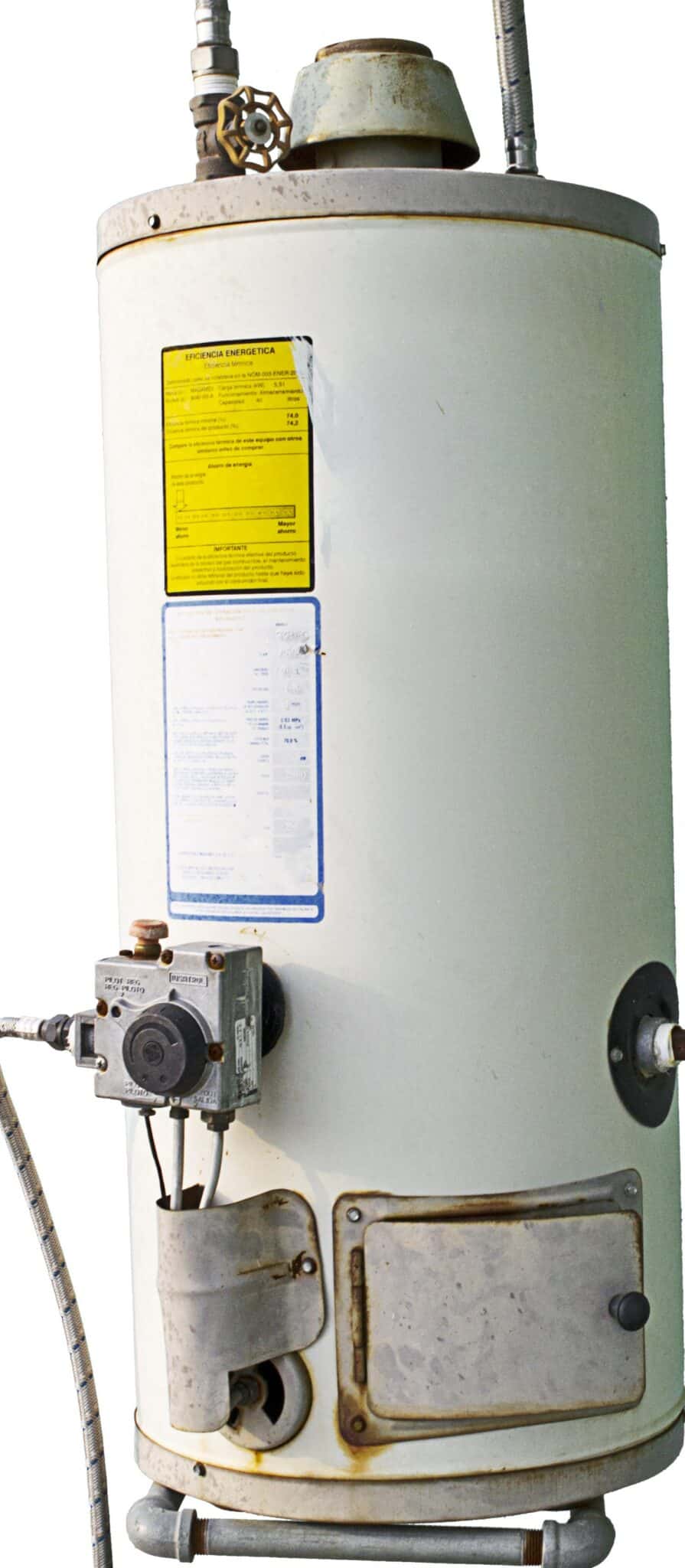
As winter deepens, the age of a water heater becomes a critical factor in its reliability, especially in Kennedale. Older units, with their worn-out components, struggle to meet the heightened demand for hot water. This increased strain can push an aging system beyond its limits, leading to failures. Recognizing the signs of an aging water heater is key to preventing unexpected cold showers during the cold months.
In Mansfield, the cold weather exacerbates the issues associated with old water heaters. Components like thermostats and heating elements, weakened over years of use, become less effective. This inefficiency not only leads to higher energy bills but also increases the risk of the unit failing altogether. Homeowners should consider the age of their water heaters and seek professional advice on whether a replacement is due.
Regular maintenance is crucial for extending the life of a water heater, yet it’s often neglected. A professional check-up can identify aging components that are close to failing. This proactive step can save homeowners in Kennedale from the inconvenience of dealing with water heater issues during winter. Ensuring your system is in good working order before the cold sets in is a wise move.
Finally, understanding that all appliances have a lifespan is important for homeowners in Mansfield. Water heaters are no exception, and recognizing when to repair or replace them can prevent many cold winters. Acting before water heaters fail ensures a continuous supply of hot water, keeping homes comfortable despite the chill outside. This awareness and timely action can make all the difference in enduring the winter months.
Insufficient Insulation and Its Impact on Efficiency
Insufficient insulation is another key reason why water heaters fail, particularly during the winter months. In Kennedale, homes with poorly insulated water heaters lose heat more rapidly, forcing the system to work harder to maintain the desired temperature. This not only leads to increased energy consumption but also puts additional strain on the water heater’s components. Consequently, the risk of failure escalates as the unit struggles to keep up with the demand for hot water.
In Mansfield, the cold weather amplifies the problem of insufficient insulation. Water heaters located in unheated areas of the home, such as garages or basements, are especially vulnerable. The colder ambient temperature cools the water in the tank faster, leading to more frequent heating cycles. These extra cycles can wear out the heating elements and other critical components sooner, increasing the likelihood of a breakdown.
Addressing insulation issues can significantly improve a water heater’s efficiency and reduce the risk of failure. Wrapping the water heater in an insulation blanket is a simple yet effective way to retain heat within the unit. This measure helps maintain the water temperature for longer periods, reducing the need for constant reheating. As a result, the system operates more efficiently, prolonging its lifespan and ensuring a reliable supply of hot water during the cold season.
Homeowners should not overlook the importance of checking and enhancing their water heater’s insulation before winter sets in. Taking this proactive step can make a substantial difference in the unit’s performance and durability. It not only helps in preventing water heaters from failing but also contributes to lower energy bills. Ensuring your water heater is well-insulated is a smart move for a comfortable and worry-free winter.
Preventative Maintenance Tips for Water Heaters
To prevent water heaters fail, homeowners in Kennedale can start with annual inspections. These check-ups allow professionals to spot and fix potential issues before they worsen. By identifying problems early, such as sediment buildup or worn-out components, the risk of failure decreases significantly. This proactive approach is key to maintaining a water heater’s efficiency and reliability throughout the winter.
In Mansfield, flushing the water heater tank annually is another vital maintenance step. This process removes sediment that accumulates over time, which can cause the system to work harder and less efficiently. A simple flush can improve a water heater’s performance and extend its lifespan, ensuring it meets the increased demand for hot water during cold months. Keeping the tank clear of sediment is an easy yet effective way to avoid unexpected breakdowns.
Installing an insulation blanket around the water heater offers an additional layer of protection against the cold. This step is especially beneficial for units in unheated areas of the home, where they are more exposed to cold temperatures. Insulation helps retain heat within the tank, reducing the need for frequent reheating and thereby lowering the risk of component wear and tear. It’s a straightforward measure that can lead to significant energy savings and a more reliable water heating system.
Lastly, homeowners should not forget to test the temperature and pressure relief valve regularly. This safety feature helps prevent pressure from building up too much inside the tank, which could lead to overheating or even a burst. Testing the valve ensures it’s working correctly, offering peace of mind that the water heater won’t fail due to pressure issues. Together, these maintenance tips can help homeowners in Kennedale and Mansfield enjoy a warm, comfortable winter without the worry of cold showers.
The Role of Thermostat Settings in Heater Performance
Adjusting thermostat settings on water heaters can significantly impact their performance, particularly during the winter months. In Kennedale, residents often increase the temperature to get more hot water, unaware of the strain this puts on their systems. This additional pressure can lead to failures, as the heater works harder to reach the higher set temperature. Properly setting the thermostat ensures the unit operates efficiently, reducing the risk of breakdowns.
In Mansfield, setting the thermostat to an optimal level can prevent water heaters from failing. A moderate setting balances the need for hot water with the system’s capability to provide it without overworking. This approach not only extends the lifespan of the water heater but also conserves energy. Homeowners benefit from reliable hot water supply and lower utility bills, making it a win-win situation.
However, incorrect thermostat settings can contribute to why water heaters fail. If the temperature is set too high, the risk of overheating and damaging internal components increases. Conversely, setting it too low may lead to insufficient hot water, prompting unnecessary adjustments that strain the system. Regularly monitoring and adjusting the thermostat ensures the water heater remains in optimal condition throughout the cold season.
Lastly, understanding the role of thermostat settings in water heater performance is crucial for preventing failures. Homeowners in both Kennedale and Mansfield can avoid common pitfalls by keeping their thermostat at a recommended level. This simple yet effective measure helps maintain the efficiency and reliability of water heaters, ensuring they can withstand the demands of winter without issue.
When to Call a Professional for Water Heater Issues
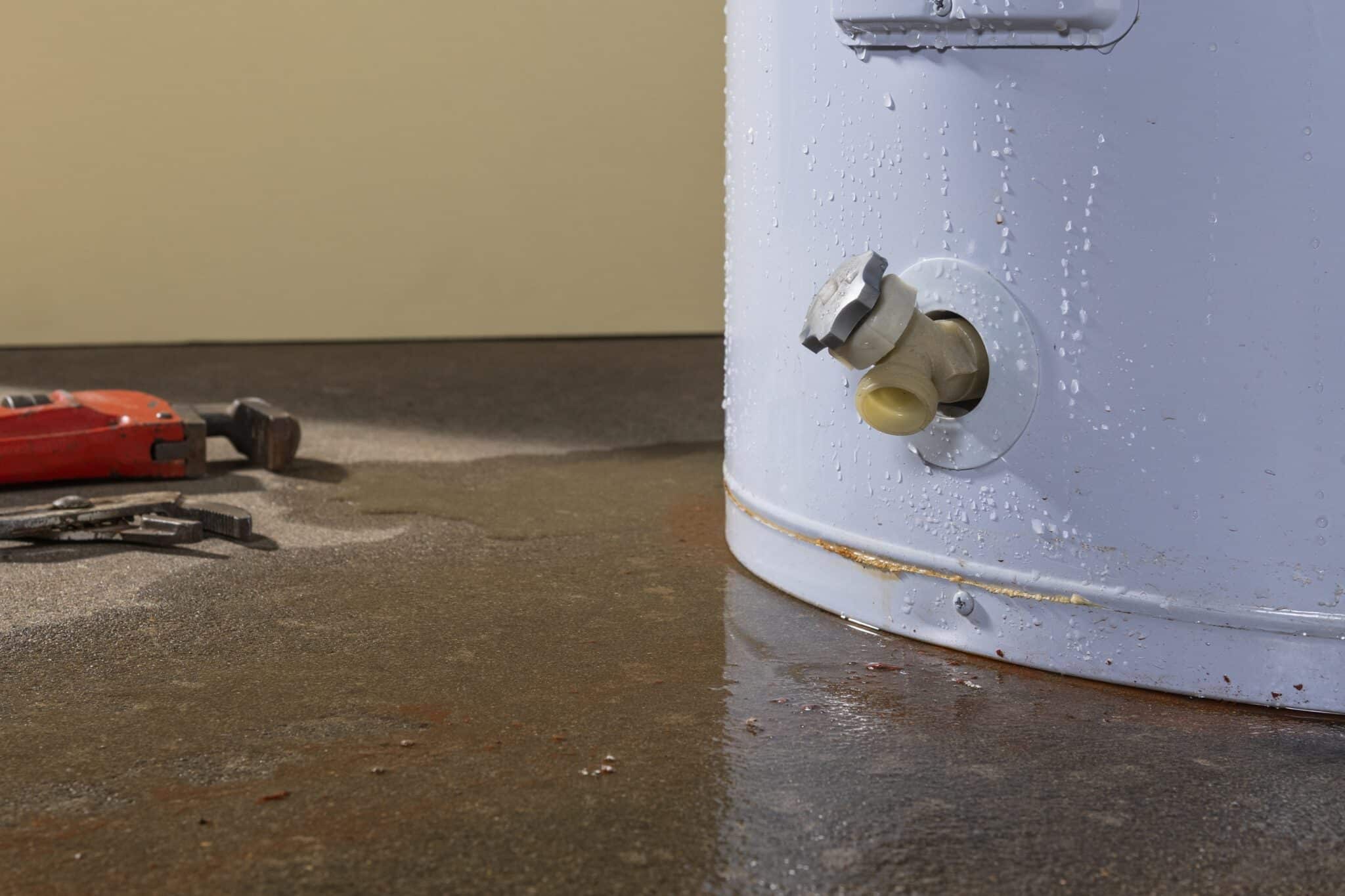
Despite regular maintenance, there are times when professional intervention becomes necessary to prevent water heaters from failing. In Kennedale, homeowners might encounter issues beyond the scope of DIY fixes, such as persistent cold water or unusual noises from the tank. These signs indicate a deeper problem that requires the expertise of a professional plumber. Early detection and professional repair can save the system from major breakdowns, ensuring a steady hot water supply through winter.
In Mansfield, the complexity of water heater systems means troubleshooting can quickly become a challenge for the average homeowner. When water heaters fail to provide consistent hot water or show signs of leakage, it’s a clear signal to call in the experts. Professionals can diagnose the issue accurately, offering solutions that extend the unit’s life and improve its efficiency. Relying on their skills can prevent minor issues from escalating into costly repairs.
The decision to call a professional should also consider the age and condition of the water heater. If a unit in Kennedale has been serving for many years and starts to falter, a professional can advise whether repair or replacement is the most economical choice. This guidance is invaluable, as it ensures homeowners are not investing in a failing system but rather securing their comfort for future winters.
Lastly, regular professional inspections can preemptively address reasons why water heaters fail, especially in areas like Mansfield, where winter demands are high. These check-ups can identify potential problems before they become emergencies, offering peace of mind to homeowners. By scheduling annual inspections, residents can enjoy uninterrupted hot water service, even in the coldest months, knowing their system is in top condition.
Frequently Asked Questions About Water Heaters Fail
Why do water heaters fail in cold weather?
Water heaters often struggle in cold weather due to several reasons. The demand for hot water increases, putting extra pressure on the system. Sediment buildup in the tank can also reduce efficiency, making it harder to heat water. Additionally, colder temperatures strain the heating elements, and aging components may fail under these conditions, leading to breakdowns.
How to prevent water heaters fail during winter?
To prevent water heaters from failing in winter, start by flushing out sediment buildup annually. Installing insulation around the tank and pipes can also help maintain heat. Regular checks on the heating element and other components ensure they’re in good condition. Lastly, lowering the demand for hot water by fixing leaks and using efficient fixtures can reduce strain on the system.
What are signs of a failing water heater?
Signs that a water heater is failing include unusual noises, like banging or popping, coming from the tank. You might also notice water around the heater, indicating a leak. Another red flag is inconsistent water temperatures, swinging from too hot to cold. Lastly, if your water looks rusty or murky, it’s time to check the heater.
Can insulation help prevent water heaters fail?
Yes, insulation can help reduce the risk when water heaters fail. Insulating the tank and exposed hot water pipes helps retain heat, so the system does not have to work as hard. As a result, the unit runs more efficiently and may last longer. While insulation cannot guarantee that water heaters fail less often in every case, it can help lower wear and tear that often leads to common problems.
How often should water heaters be serviced?
To keep water heaters running smoothly, it’s best to have them serviced once a year. This routine check-up can catch issues like sediment buildup or worn-out components before they lead to failure. A professional plumber can also offer tips on maintaining your system between visits. Regular servicing ensures your water heater remains efficient and reliable, especially during the winter months.