


Water heater performance can be influenced by shifting temperatures, humidity, and the increased demand that often comes with the season. Many families in Waxahachie and Kennedale find themselves relying on their water heaters more as activities pick up. Understanding these seasonal effects is key to maintaining consistent comfort at home.
Spring weather brings fluctuating temperatures that can impact how efficiently your water heater operates. The shift from cold to mild weather may cause your system to work differently than it did in winter. These changes can affect water heater performance, sometimes leading to unexpected issues or decreased efficiency. Homeowners should be aware of how outdoor conditions influence their hot water supply.
Increased household activities, such as spring cleaning and gardening, often mean more hot water is used throughout the day. This higher demand can put extra strain on your water heater, testing its performance and reliability. When water heater performance is compromised, you might notice longer wait times for hot water or inconsistent temperatures. Being proactive can help prevent disruptions and ensure your system runs smoothly.
Sediment buildup is another concern that can arise as the weather warms up. Warmer temperatures can encourage mineral deposits to settle in your tank, affecting water heater performance over time. Regular maintenance and awareness are essential to keeping your system efficient during the spring months. By understanding these challenges, you can enjoy reliable hot water and peace of mind all season long.
Understanding Spring Weather Changes
Spring in Mansfield often brings unpredictable weather, with cool mornings and warmer afternoons. These fluctuations can directly impact water heater performance as the system adapts to changing water temperatures. When the incoming water is cooler, your heater must work harder to reach your desired temperature. This extra effort can reduce efficiency and put more wear on your equipment.
Humidity levels also shift during the spring, affecting your home’s overall comfort and water heater performance. High humidity can cause your system to work less efficiently, especially if it’s located in a damp area. In places like Waxahachie, where spring storms are common, moisture can even contribute to corrosion or rust. Proper ventilation and regular checks help prevent these issues from affecting your hot water supply.
As days get longer, households in Kennedale often experience increased hot water usage due to more frequent showers and outdoor chores. This higher demand means your water heater cycles on more often, which can reveal any weaknesses in performance. If your system struggles to keep up, it may signal underlying issues that need attention. Monitoring usage patterns helps you spot changes before they become bigger problems.
Temperature swings and increased use also encourage sediment buildup inside the tank, impacting water heater performance. Minerals in the water settle faster when the system cycles frequently, leading to reduced efficiency. Over time, this buildup can make your water heater less reliable and even shorten its lifespan. Scheduling routine maintenance in the spring helps keep your system running at its best.
How Temperature Fluctuations Impact Water Heater Performance
Temperature swings are common during spring and can challenge water heater performance in surprising ways. When the weather shifts quickly, your system must adjust to varying incoming water temperatures. This extra demand can cause your heater to run longer or cycle more often. As a result, you may notice changes in how quickly hot water is delivered throughout your home.
In Waxahachie, cool nights followed by warm afternoons can create a bigger gap between water temperature and your set preferences. Your water heater works harder to bridge this difference, which can increase energy use. Over time, this extra strain may reduce your system’s overall efficiency. Addressing these changes early helps maintain steady water heater performance as the season progresses.
Kennedale residents may also see fluctuations in hot water availability due to rapid temperature changes. When the heater cycles more frequently, it can reveal underlying wear or inefficiencies. These issues often show up as inconsistent water temperatures or longer wait times for hot water. Regular monitoring ensures your water heater performance stays reliable, even with unpredictable weather.
Spring’s unpredictable temperatures can also contribute to mineral buildup inside your water heater tank. As your system works harder, minerals settle faster and can create a layer of sediment. This buildup further reduces water heater performance and may lead to noisy operation or decreased lifespan. Proactive maintenance is the best way to keep your system efficient and ready for spring’s demands.
Increased Hot Water Demand in Spring
As spring activities increase, households often use more hot water for showers, laundry, and cleaning. This surge in demand can test water heater performance, especially if the system is already aging or under strain. In Waxahachie, families may notice their water heater working overtime to keep up with daily routines. If the system struggles, you might experience uneven temperatures or longer waits for hot water.
The higher demand means your water heater cycles more frequently, which can reveal hidden issues. Components like thermostats and heating elements may wear out faster under constant use. Over time, these small problems can add up and impact overall water heater performance. Regular checks help identify concerns before they affect your comfort.
In Kennedale, spring often brings more guests and outdoor gatherings, further increasing hot water usage. When your water heater is pushed to its limits, efficiency can drop noticeably. This may lead to higher energy bills and less reliable hot water throughout the season. Monitoring your system’s response to increased demand helps prevent unexpected breakdowns.
Balancing hot water needs with efficient operation requires attention during the busy spring months. Simple steps like staggering showers and running appliances at different times can ease the load. Keeping an eye on water heater performance ensures your system remains reliable, even as demand rises. Proactive care keeps your home comfortable and your hot water flowing smoothly.
Sediment Buildup and Its Effects on Water Heater Performance
Sediment buildup is a common issue that can quietly undermine water heater performance during spring. As water heaters cycle more often, minerals in the water begin to settle at the bottom of the tank. Over time, this layer of sediment acts as an insulator, making it harder for the system to heat water efficiently. Homeowners in Waxahachie may notice longer heating times or unusual noises as a result.
This buildup can also cause fluctuating water temperatures, making showers or chores less comfortable. When sediment accumulates, it reduces the tank’s capacity and forces the heater to work harder. This extra strain not only affects water heater performance but can also increase energy consumption. In Kennedale, these signs often appear as higher utility bills or inconsistent hot water.
Ignoring sediment buildup may lead to more serious problems, such as overheating or even tank failure. The heating element can become buried in minerals, reducing its ability to transfer heat effectively. Regular flushing of the tank helps remove these deposits and restores optimal water heater performance. Taking action early prevents costly repairs and keeps your system running smoothly.
Routine maintenance is the best defense against sediment-related issues in the spring. Scheduling a professional inspection ensures your water heater remains efficient and reliable throughout the season. By addressing sediment buildup promptly, you maintain steady hot water for your household’s needs. This proactive approach extends the life of your system and supports consistent water heater performance all year.
Springtime Maintenance Tips for Water Heaters
Regular spring maintenance is essential for keeping water heater performance at its best. Begin by inspecting your system for any visible signs of wear, such as leaks or rust around the tank. Catching these issues early prevents unexpected breakdowns and supports consistent hot water throughout the season. Homeowners in Waxahachie can benefit from a thorough visual check as spring temperatures rise.
Flushing your water heater helps remove sediment that may have built up over the winter months. This simple task restores efficiency and ensures your system heats water quickly and evenly. If you notice odd noises or slower heating times, flushing the tank can often resolve these concerns. Improved water heater performance leads to lower energy bills and greater home comfort.
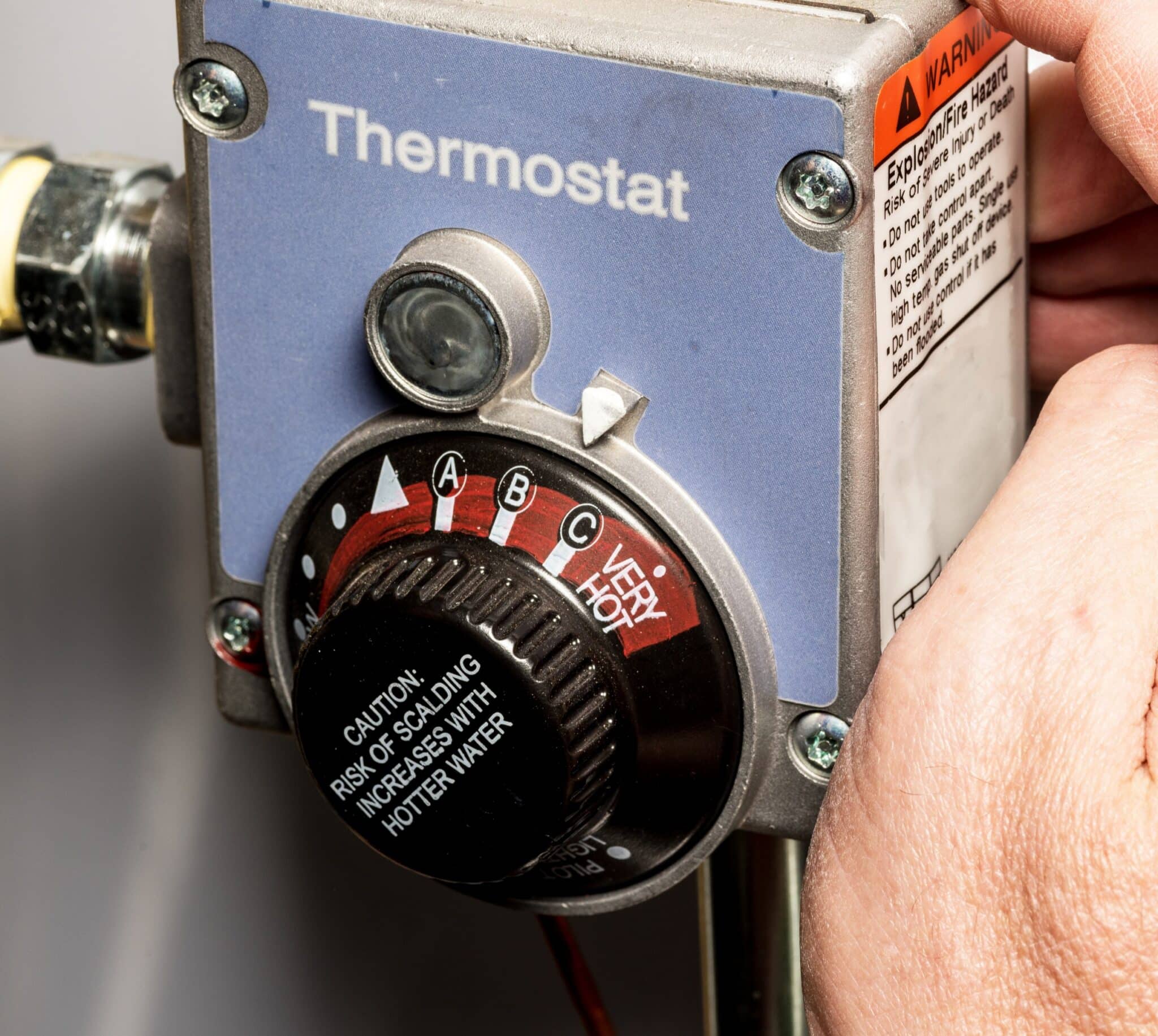
Testing the temperature setting is another important maintenance step during spring. Make sure the thermostat is set to a safe, efficient level, usually around 120 degrees. This prevents overheating and reduces unnecessary energy use, which can be common as demand increases. Kennedale residents should check their settings to help maintain steady water heater performance.
Lastly, consider having a professional inspect your water heater for hidden issues that may affect performance. An expert can evaluate components like the pressure relief valve and heating elements for proper function. Scheduling this inspection in spring prepares your system for the busy months ahead. Consistent maintenance helps extend the life of your unit and ensures reliable water heater performance all year.
Identifying Signs of Reduced Water Heater Performance
Recognizing early signs of reduced water heater performance helps prevent major disruptions in your home’s hot water supply. You might notice water taking longer to heat or temperatures fluctuating during use. In Waxahachie, homeowners often report strange noises like popping or rumbling coming from the tank. These sounds usually signal sediment buildup or internal wear.
A sudden increase in energy bills can also indicate declining water heater performance. When your system works harder to deliver hot water, it uses more electricity or gas. Watch for visible leaks or rust around the base of your unit. Addressing these issues quickly can save you from costly repairs later.
In Kennedale, inconsistent water pressure or cloudy hot water are common warning signs. These changes often result from mineral deposits or aging components inside the heater. If hot water runs out faster than usual, your tank’s capacity may be reduced. Prompt attention to these symptoms keeps your system efficient.
Unusual odors coming from hot water taps can also point to declining water heater performance. Bacteria growth inside the tank sometimes causes this problem, especially in spring. Regular maintenance and inspections help catch these issues early. Staying alert to these signs ensures reliable hot water throughout the season.
Energy Efficiency Considerations in Spring
Improving energy efficiency becomes even more important as spring brings fluctuating temperatures and increased hot water use. Water heater performance often declines when systems run longer or cycle more frequently. Homeowners in Waxahachie may notice higher utility bills as their water heaters work harder to keep up. Regular maintenance and timely adjustments help minimize wasted energy and keep costs manageable.
Insulating your water heater and exposed pipes is a simple way to boost efficiency during the spring months. This step helps retain heat, allowing your system to maintain consistent water heater performance with less effort. Even small improvements in insulation can make a noticeable difference in energy consumption. Efficient operation also supports a longer lifespan for your water heater.
Adjusting your daily routines can further support energy savings and optimal water heater performance. Staggering showers, laundry, and dishwashing reduces the demand on your system at any one time. In Kennedale, families who spread out hot water use often see more stable temperatures and lower energy usage. These small changes help your water heater run more efficiently throughout the season.
Choosing the right temperature setting is another key factor in maintaining energy-efficient water heater performance. Setting your thermostat to 120 degrees provides plenty of hot water for most needs while reducing energy waste. This simple adjustment can prevent overheating and extend your system’s life. Consistent temperature management ensures reliable hot water and supports overall home comfort in spring.
When to Call a Professional for Water Heater Issues
Sometimes, even with regular care, water heater performance issues require professional attention. If you notice persistent leaks, strange noises, or water that never heats properly, it’s best to call an expert. Homeowners in Waxahachie should also seek help if the system shuts off unexpectedly or won’t restart. These signs often point to underlying problems that need a trained technician.
Unusual odors or discolored water can indicate bacteria or rust inside the tank, which impacts water heater performance. If flushing the tank doesn’t resolve these issues, a professional inspection is necessary. In Kennedale, sudden drops in water pressure or visible corrosion are also reasons to contact a specialist. Early intervention helps prevent more costly repairs and ensures your hot water remains safe.
Repeated tripping of the circuit breaker or pressure relief valve signals electrical or mechanical faults. Attempting repairs without proper knowledge can worsen the problem and affect water heater performance. Professionals have the tools and expertise to diagnose and fix these issues safely. Trusting an expert protects your investment and keeps your home comfortable.
If your water heater is more than ten years old, frequent issues may mean it’s time for an upgrade. A professional can assess overall water heater performance and recommend the best solution for your needs. Upgrading to a newer, more efficient model can improve reliability and lower energy costs. Timely professional support ensures consistent hot water and peace of mind throughout the spring.
Frequently Asked Questions
How does spring weather impact water heater performance?
Spring weather brings fluctuating temperatures, which can cause your water heater to work harder to maintain consistent hot water. Increased household activities during spring often lead to higher hot water demand, affecting overall water heater performance. Additionally, spring rains may introduce more sediment into the water supply, leading to buildup inside your unit. Regular maintenance helps ensure optimal water heater performance and consistent hot water throughout the season.
What temperature changes affect water heater efficiency in spring?
During spring, outdoor temperatures often rise and fall, making your water heater adjust more frequently to meet demand. These shifts can cause your system to use extra energy, reducing overall water heater performance. Cooler mornings require more heating, while warmer afternoons may lead to inconsistent water temperatures. Monitoring and adjusting your thermostat helps maintain steady water heater performance as the weather changes.
Can humidity influence water heater performance?
High humidity in spring can impact water heater performance by increasing the risk of condensation around your unit. Excess moisture may lead to rust or corrosion, which affects efficiency over time. Proper ventilation helps prevent moisture buildup and protects your system from damage. Consistent maintenance ensures reliable water heater performance despite seasonal humidity changes.
Should I adjust my water heater settings in spring?
Adjusting your water heater settings in spring can help maintain consistent water heater performance as temperatures fluctuate. Lowering the thermostat slightly may improve efficiency and reduce energy use during milder weather. Regularly checking and fine-tuning settings ensures your system adapts to changing household needs. This simple step supports reliable water heater performance and helps prevent unexpected hot water issues throughout the season.
How can I maintain optimal water heater performance during spring?
Schedule regular inspections to catch sediment buildup early and keep water heater performance at its best during spring. Flush your tank to remove debris that may collect after heavy rains, ensuring efficient operation. Check for leaks or rust, as increased humidity can cause corrosion and reduce water heater performance. Adjust your thermostat and monitor hot water use to maintain steady temperatures and support reliable water heater performance all season.