


Underground pipe joint failures are a hidden but serious issue for many homeowners in Mansfield and surrounding areas. These failures can disrupt daily routines and cause unexpected damage beneath your property. Understanding the main causes helps prevent costly repairs and keeps plumbing systems running smoothly. Homeowners often overlook early warning signs until bigger problems develop.
Soil movement, corrosion, and poor installation are leading factors behind underground pipe joint failures. Seasonal changes, especially in places like Waxahachie, can also stress pipe joints and cause leaks. Each of these causes affects pipes differently, making regular inspection important for long-term system health. Recognizing these factors empowers homeowners to take proactive steps.
Ignoring small leaks or changes in water pressure can lead to bigger underground pipe joint failures over time. Early detection is key to avoiding extensive property damage and expensive repairs. Homeowners who understand the risks are better prepared to respond quickly. This knowledge can extend the life of your plumbing system and provide peace of mind.
Learning about underground pipe joint failures helps you spot issues before they escalate. It also gives you confidence when working with plumbing professionals. With the right information, you can keep your home’s plumbing reliable year-round. Let’s explore the most common causes and how they impact your property’s plumbing system.
Understanding Underground Pipe Joint Failures
Underground pipe joint failures often begin with subtle warning signs that homeowners may not notice right away. Shifting soil beneath Mansfield homes can place uneven pressure on pipe joints, causing them to crack or separate. Over time, even small ground movements can lead to significant leaks and water loss. Regular monitoring of your plumbing system can help catch these issues early.
Corrosion is another leading cause of underground pipe joint failures, especially in older homes. Pipes exposed to moisture or certain minerals in the soil can deteriorate faster than expected. This slow process weakens joints and increases the risk of leaks. Homeowners in Waxahachie should be aware of local soil conditions that may speed up corrosion.
Poor installation practices can also contribute to underground pipe joint failures. If pipes are not aligned or sealed correctly, joints may fail under normal water pressure. This issue is more common in properties with outdated or improperly repaired plumbing systems. Hiring experienced professionals for installation can help prevent future problems.
Seasonal changes, such as freezing and thawing cycles, further stress underground pipe joints. Sudden temperature shifts cause pipes to expand and contract, weakening their connections over time. These changes can lead to hidden leaks that go unnoticed until major damage occurs. Staying alert to seasonal risks helps protect your plumbing investment and keeps your home safe.
Soil Movement and Its Impact on Pipe Joints
Soil movement is a leading factor in underground pipe joint failures, especially in areas like Mansfield where the ground can shift unexpectedly. Expansive clay soils often swell during wet periods and shrink when dry, putting stress on buried pipes. This constant movement can loosen pipe joints, causing them to separate or develop small cracks. Over time, these minor issues can lead to significant leaks beneath your property.
In Waxahachie, homeowners may notice uneven ground or settling near their homes, which can signal shifting soil conditions. When the ground moves, it can misalign pipes and create gaps at the joints. Even a slight shift can weaken the seal and allow water to escape. This process happens gradually, making early detection challenging without regular inspections.
Roots from nearby trees and shrubs can also contribute to soil movement and underground pipe joint failures. As roots grow, they push against pipes and joints, sometimes dislodging them completely. This pressure can be especially damaging if the pipes are already weakened by age or previous repairs. Homeowners should monitor landscaping near underground plumbing to help prevent these issues.
Heavy rainfall and flooding events can further accelerate soil movement around buried pipes. Waterlogged soil loses stability, increasing the risk of pipe joints shifting or breaking apart. After severe weather, it’s important to watch for changes in water pressure or unexplained wet spots in the yard. Addressing underground pipe joint failures promptly helps maintain a reliable plumbing system and protects your home’s foundation.
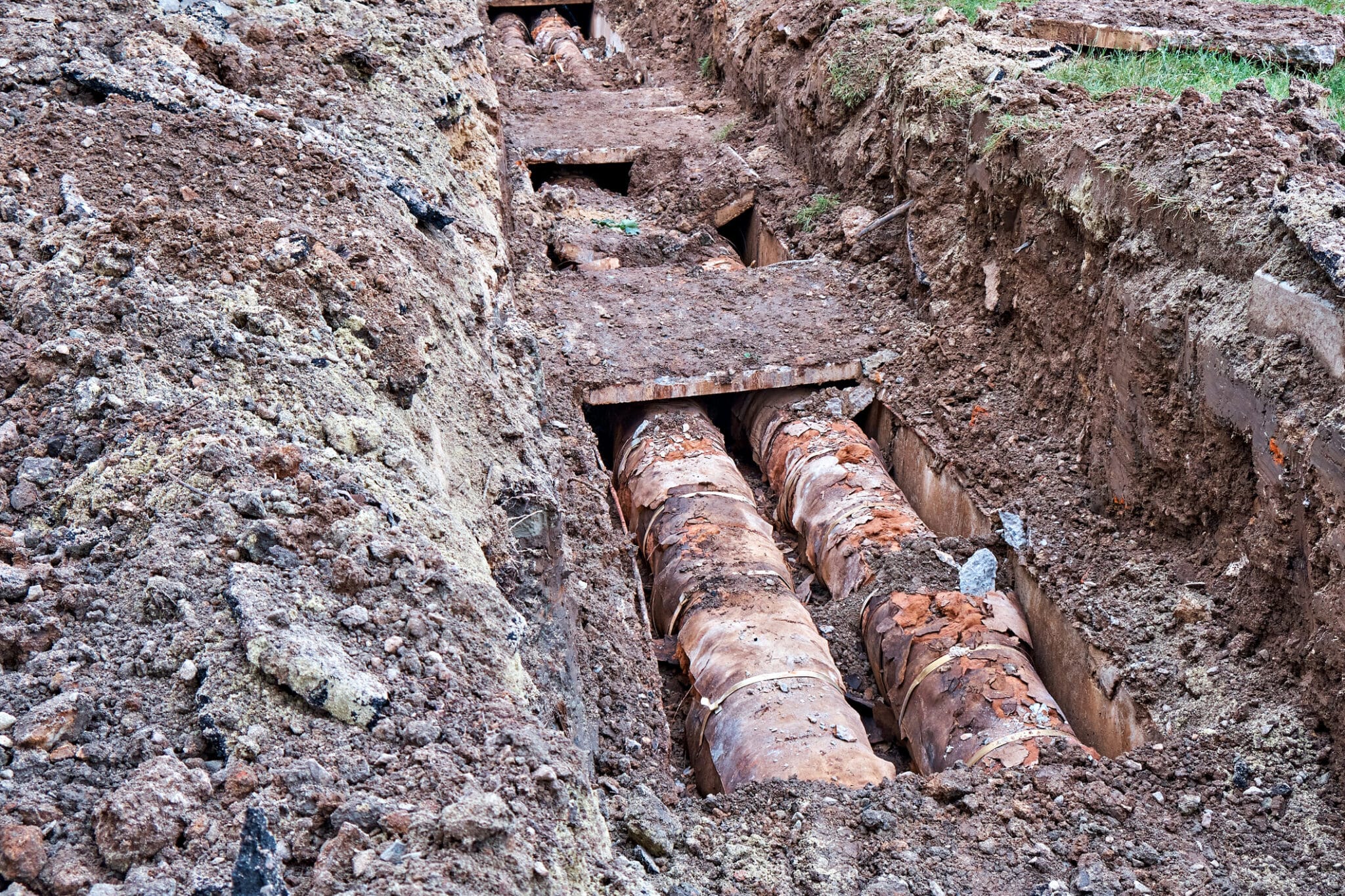
Corrosion as a Cause of Joint Failures
Corrosion is a hidden threat that often leads to underground pipe joint failures, especially in older neighborhoods around Mansfield. Over time, metal pipes react with moisture and minerals in the soil, gradually breaking down the pipe joints. This chemical process weakens the connections and creates small openings where leaks can start. Even minor corrosion can quickly escalate if left unchecked, resulting in costly repairs.
Homeowners in Waxahachie should pay close attention to signs of corrosion in their plumbing systems. Discolored water, unusual odors, or damp patches in the yard may indicate underground pipe joint failures. Corroded joints can also cause a drop in water pressure or unexpected spikes in water bills. Early intervention helps prevent further damage and keeps plumbing systems in good condition.
Certain soil types and water chemistry can speed up corrosion, making some properties more vulnerable to underground pipe joint failures. High levels of acidity or salts in the soil accelerate the breakdown of metal pipes. Older galvanized or cast iron pipes are especially at risk in these environments. Regular inspections can identify early signs of corrosion before they become major issues.
Protecting your home from underground pipe joint failures caused by corrosion starts with awareness and routine maintenance. Replacing aging pipes and using corrosion-resistant materials can extend the life of your plumbing. Professional plumbers can test water quality and recommend solutions to reduce corrosion risk. Staying proactive ensures your plumbing system remains reliable and efficient for years to come.
Poor Installation Practices and Risks
Poor installation is a frequent cause of underground pipe joint failures in both Mansfield and Waxahachie homes. When pipes are not properly aligned or fitted, joints become weak points under normal water pressure. Inadequate sealing or rushed installation can leave small gaps, allowing water to escape over time. These small leaks often go unnoticed until significant damage has already occurred.
Improperly supported pipes are also at risk for underground pipe joint failures. Pipes that lack sufficient bedding or support can shift, placing extra stress on the joints. This movement increases the likelihood of cracks or separations, especially during heavy water use. Homeowners may notice changes in water pressure as a first warning sign.
Using incorrect materials or outdated techniques can further contribute to underground pipe joint failures. Some older homes still have joints made from materials that degrade quickly or are incompatible with modern plumbing. These weak connections are more likely to fail as the system ages. Upgrading to current standards helps prevent future problems.
Professional installation is essential for preventing underground pipe joint failures and ensuring long-term plumbing reliability. Skilled plumbers use proper techniques and quality materials to create secure, lasting joints. Routine inspections after installation can catch minor issues before they escalate. Investing in expert workmanship gives homeowners peace of mind and protects their property’s plumbing system.
Seasonal Changes Affecting Underground Pipe Joints
Seasonal changes play a significant role in the development of underground pipe joint failures. In Mansfield, temperature fluctuations between hot summers and cold winters cause pipes to expand and contract. This repeated movement puts added stress on joints, making them more likely to crack or separate over time. Even well-installed pipes can develop issues if exposed to extreme seasonal shifts year after year.
During winter, freezing temperatures can cause water inside pipes to expand. This expansion increases pressure on pipe joints, sometimes leading to underground pipe joint failures. Homeowners may notice decreased water flow or damp spots in the yard as early warning signs. Prompt attention to these changes can prevent more extensive damage.
In Waxahachie, heavy spring rains often saturate the soil around buried plumbing. Waterlogged ground can shift, placing extra force on pipe joints and causing them to move or misalign. These subtle shifts may go unnoticed until underground pipe joint failures result in visible leaks or water pooling on the property.
Humidity and drought cycles also affect underground pipes by altering soil stability. Dry periods can cause soil to shrink away from pipes, while humid conditions make soil swell. Both scenarios increase the risk of underground pipe joint failures by stressing connections. Regular inspections during seasonal changes help maintain a dependable plumbing system throughout the year.
Early Warning Signs of Underground Pipe Joint Failures
Catching underground pipe joint failures early can save homeowners in Mansfield from costly repairs and water damage. One of the first signs is a sudden drop in water pressure throughout the home. You may also notice unexplained wet spots or patches of lush grass in your yard. These subtle changes often point to hidden leaks beneath the surface.
Strange sounds in your plumbing, such as hissing or gurgling, can signal underground pipe joint failures. Water pooling around the foundation or along walkways is another warning sign. If your water bill rises without explanation, a hidden leak may be to blame. Addressing these symptoms quickly helps prevent larger issues from developing.
In Waxahachie, homeowners should watch for musty odors near sinks or drains, as these can indicate underground pipe joint failures. Persistent dampness in basements or crawl spaces often means water is escaping from buried pipes. Cracks in walls or floors may also result from shifting soil caused by leaking water. Prompt investigation of these clues is essential for system health.
If you suspect underground pipe joint failures, schedule a professional inspection as soon as possible. Plumbers use specialized tools to locate leaks and assess pipe condition without major digging. Early detection allows for targeted repairs and minimizes disruption to your property. Protecting your plumbing system ensures long-term peace of mind and reliable water service.
Preventing Underground Pipe Joint Failures
Preventing underground pipe joint failures starts with regular maintenance and inspections by qualified professionals. In Mansfield, homeowners benefit from scheduling annual plumbing checks to catch early signs of wear or damage. These inspections help identify vulnerable joints before they fail and cause more significant problems. Consistent care keeps your plumbing system reliable throughout the year.
Using high-quality materials during installation is another key step in avoiding underground pipe joint failures. Pipes and joints made from durable, corrosion-resistant materials withstand soil movement and seasonal changes better. In Waxahachie, choosing the right materials for local soil conditions helps extend the life of underground pipes. Professional plumbers can recommend the best options for your property’s needs.
Proper installation techniques are essential for preventing future underground pipe joint failures. Experienced plumbers ensure pipes are correctly aligned, sealed, and supported to handle shifting soil or pressure changes. Adequate bedding and backfill also protect joints from unnecessary stress. Investing in expert installation reduces the risk of leaks and costly repairs down the road.
Homeowners can further protect their plumbing by monitoring for early warning signs and responding quickly to any changes. Watch for drops in water pressure, damp areas in the yard, or unexplained increases in water bills. Prompt action at the first sign of trouble helps prevent underground pipe joint failures from escalating. Staying proactive keeps your home’s plumbing system safe and efficient for years to come.
Long-Term Solutions for Plumbing System Performance
Long-term plumbing performance relies on proactive strategies that address the root causes of underground pipe joint failures. In Mansfield, upgrading old pipes to modern, durable materials can significantly reduce the risk of future leaks. Advanced materials resist corrosion and better withstand soil movement, helping to maintain strong, watertight joints. Investing in these upgrades protects your property and ensures a dependable water supply.
Regular professional inspections are crucial for identifying hidden vulnerabilities before they turn into costly underground pipe joint failures. Plumbers use advanced diagnostic tools to detect early signs of wear or misalignment in buried pipes. These routine checks allow for targeted repairs and prevent minor issues from becoming major disruptions. Homeowners who schedule annual inspections enjoy greater peace of mind and system longevity.
Proper drainage around your home also helps prevent underground pipe joint failures by reducing soil movement and water pressure on buried pipes. In Waxahachie, installing or maintaining effective drainage systems keeps soil stable and protects plumbing infrastructure. Redirecting excess water away from your foundation minimizes the risk of shifting ground and pipe misalignment. This simple step supports long-term plumbing health.
Educating your household on the warning signs of underground pipe joint failures encourages early intervention and reduces the chance of severe damage. Teach family members to notice changes in water pressure, damp spots, or unusual sounds in the plumbing. Quick action at the first sign of trouble can limit repair costs and water loss. Staying informed and vigilant helps preserve your plumbing system for years to come.

Frequently Asked Questions
What are the main causes of underground pipe joint failures?
Underground pipe joint failures often result from soil movement, which puts stress on connections and weakens their integrity over time. Corrosion is another leading cause, as underground moisture and minerals can gradually eat away at metal joints. Poor installation practices, such as misaligned pipes or improper sealing, increase the risk of leaks and breaks. Seasonal temperature changes also contribute by causing pipes and joints to expand and contract, leading to eventual failure.
How can soil conditions affect underground pipe joint failures?
Soil conditions play a major role in underground pipe joint failures by causing shifting, settling, or erosion around the pipes. Expansive clay or loose sandy soil can move significantly with moisture changes, stressing pipe joints. Over time, this movement leads to misalignment or cracks, making failures more likely. Proper assessment of soil type helps reduce the risk of underground pipe joint failures in Mansfield homes.
What signs indicate a failing underground pipe joint?
Common signs of underground pipe joint failures include unexplained wet spots in your yard and a sudden drop in water pressure. You might also notice higher water bills or hear unusual sounds coming from your plumbing system. Persistent foul odors around your property can signal leaking sewage from damaged joints underground. Addressing these early warnings helps prevent more costly underground pipe joint failures in Mansfield homes.
How does improper installation lead to joint failures?
Improper installation often causes underground pipe joint failures by leaving connections loose or misaligned, which weakens the entire system. Without correct sealing or alignment, water can escape and erode surrounding soil, leading to further joint stress. Over time, these installation errors make underground pipe joint failures more likely, especially during seasonal shifts or heavy rainfall. Ensuring experienced professionals handle installation greatly reduces the risk of future plumbing issues in Mansfield homes.
Can regular maintenance prevent underground pipe joint failures?
Regular maintenance helps prevent underground pipe joint failures by identifying early warning signs before serious damage occurs. Professional inspections catch leaks, corrosion, and shifting that threaten pipe joints beneath the surface. Timely repairs and upkeep strengthen your plumbing system and extend its lifespan. Mansfield homeowners who schedule routine checks reduce the risk of unexpected underground pipe joint failures.