


Have you ever stepped into your shower, turned the knob, and found the water stubbornly refusing to switch from the tub spout to the showerhead? This common annoyance often traces back to a faulty tub spout diverter, a critical component in directing water flow in your bathroom. Residents of Mansfield and neighboring cities like Kennedale and Waxahachie have faced this issue, seeking simple solutions without the hassle of major plumbing renovations. Understanding the basics of a tub spout diverter’s function and signs of failure can save you time and frustration.
Identifying a malfunctioning tub spout diverter is the first step toward a resolution. If your shower is more of a dribble than a deluge, or if water continues to pour out of the tub spout when it should be coming from the showerhead, it’s a clear signal something’s amiss. Fortunately, for homeowners in Mansfield and beyond, addressing this issue doesn’t always require professional intervention. Learning the signs of a bad diverter can empower you to take the next steps confidently.
The good news is that swapping out a faulty tub spout diverter is often a straightforward task that doesn’t involve opening up walls or extensive plumbing work. With the right tools and a bit of know-how, most DIY enthusiasts can manage this project over a weekend. This approach not only saves time but also preserves the integrity of your bathroom’s aesthetics and functionality. It’s a practical solution that residents in areas like Waxahachie have successfully employed, proving that a little knowledge goes a long way.
Before diving into the swap, however, it’s essential to understand the type of tub spout diverter you’re dealing with. Whether it’s a pull-up, screw-on, or push-button model, each type has its nuances and methods for removal and installation. This understanding ensures that you can tackle the project with confidence, avoiding common pitfalls and ensuring a seamless transition. For Mansfield homeowners, this knowledge translates into an efficient and effective fix, restoring their shower’s performance with minimal fuss.
Identifying Tub Spout Diverter Problems
When diagnosing a bad tub spout diverter, the first thing to notice is how the water behaves when you engage the diverter. If the water flow doesn’t fully switch to the showerhead, or if it splits between the tub spout and showerhead, your diverter is likely at fault. This issue is common in homes across Kennedale, where mineral buildup or wear and tear can impair the diverter’s function. Recognizing these signs early can prevent more significant issues down the line.
Next, inspect the tub spout diverter visually for any signs of damage or corrosion. Sometimes, the problem is as apparent as physical damage or a corroded surface, which can hinder the diverter’s movement. Residents in Mansfield have found that a quick visual check can often save a lot of troubleshooting time. If you spot rust or damage, it’s a clear indication that your tub spout diverter needs replacing.
Another method to confirm a diverter’s malfunction is to listen for unusual sounds when it’s activated. A properly functioning tub spout diverter should not make any noticeable noise as it redirects water flow. However, if you hear whistling, squeaking, or grinding sounds from the diverter in Waxahachie homes, it’s a telltale sign that the diverter is struggling to perform its job. These sounds can result from obstructions or mechanical failures within the diverter mechanism.
Finally, testing the water pressure in both the tub spout and showerhead can offer clues about the diverter’s condition. If activating the diverter leads to a significant drop in water pressure at the showerhead while the tub spout continues to release water, the diverter isn’t sealing correctly. This common problem can affect homes anywhere, including Kennedale, and is a strong indicator that the tub spout diverter requires attention or replacement. By following these steps, homeowners can accurately diagnose issues with their diverters, paving the way for a smooth swap.
Tools Needed for a Tub Spout Diverter Swap
Embarking on a tub spout diverter swap begins with gathering the right tools, ensuring you’re prepared for every step of the process. A pipe wrench, adjustable wrench, or pliers are essential for removing the old diverter. Additionally, Teflon tape is crucial for securing the new diverter in place, preventing leaks and ensuring a tight fit. Residents in Kennedale have found that having these tools on hand before starting the project makes the swap smoother and quicker.
Before removing the old tub spout diverter, it’s important to shut off the water supply to your bathroom. This precaution prevents any unexpected water flow and potential mess during the swap. Next, carefully examine how the current diverter is attached to the wall, as this will guide you on how to proceed. In Waxahachie, homeowners have successfully completed this step without complications by paying close attention to the diverter’s attachment method.
Removing the old diverter can vary in difficulty, depending on its condition and type. For screw-on models, use your wrench to loosen it by turning counterclockwise. If it’s a pull-up model, gently but firmly pull straight out after loosening any visible screws. This approach minimizes damage to the surrounding area, making the process as efficient as possible.
Once the old tub spout diverter is removed, clean the area to ensure a smooth installation of the new one. Wrap Teflon tape around the threads of the new diverter to prevent leaks, then screw it in place, turning clockwise until tight. Finally, turn the water supply back on and test your new diverter, ensuring it operates correctly and efficiently redirects water from the tub spout to the showerhead. With these steps, Mansfield residents can enjoy a fully functional shower once again, all without the need for professional plumbing services.
Removing the Old Tub Spout Diverter
After successfully identifying and preparing for the swap of a faulty tub spout diverter, the next step is to carefully remove the old unit. This begins by ensuring the water supply to the bathroom is completely shut off, a crucial step that avoids any unintended water release during the process. Homeowners in Kennedale have found that a little caution goes a long way in preventing messes and complications. With the water supply secured, the focus shifts to the removal of the old diverter, marking the start of the actual swap.
Using the appropriate tools, such as a pipe wrench or pliers, grip the old tub spout diverter firmly and turn it counterclockwise to loosen it. This method applies mainly to screw-on models, which are common in many homes. For those in Waxahachie dealing with a pull-up model, a gentle but firm pull straight out after loosening any securing screws should do the trick. This step is crucial in ensuring the old diverter is removed without causing damage to the plumbing or the bathroom’s aesthetics.
Once the old tub spout diverter has been successfully removed, it’s time to prepare the area for the new diverter. This involves cleaning the area thoroughly to remove any debris or buildup that could affect the installation of the new unit. Wrapping Teflon tape around the threads of the new diverter is a vital step, ensuring a leak-free connection and a snug fit. This preparation is essential for a smooth installation process, setting the stage for the final steps.
With the area prepared and the new tub spout diverter ready, carefully screw it into place, turning clockwise until it’s securely tightened. This step is where the earlier preparation pays off, as the new diverter should fit seamlessly into place. After installation, turning the water supply back on and testing the new diverter’s functionality is crucial. This final step ensures that water correctly redirects from the tub spout to the showerhead, marking the successful completion of the swap for residents looking for a straightforward solution to their plumbing woes.
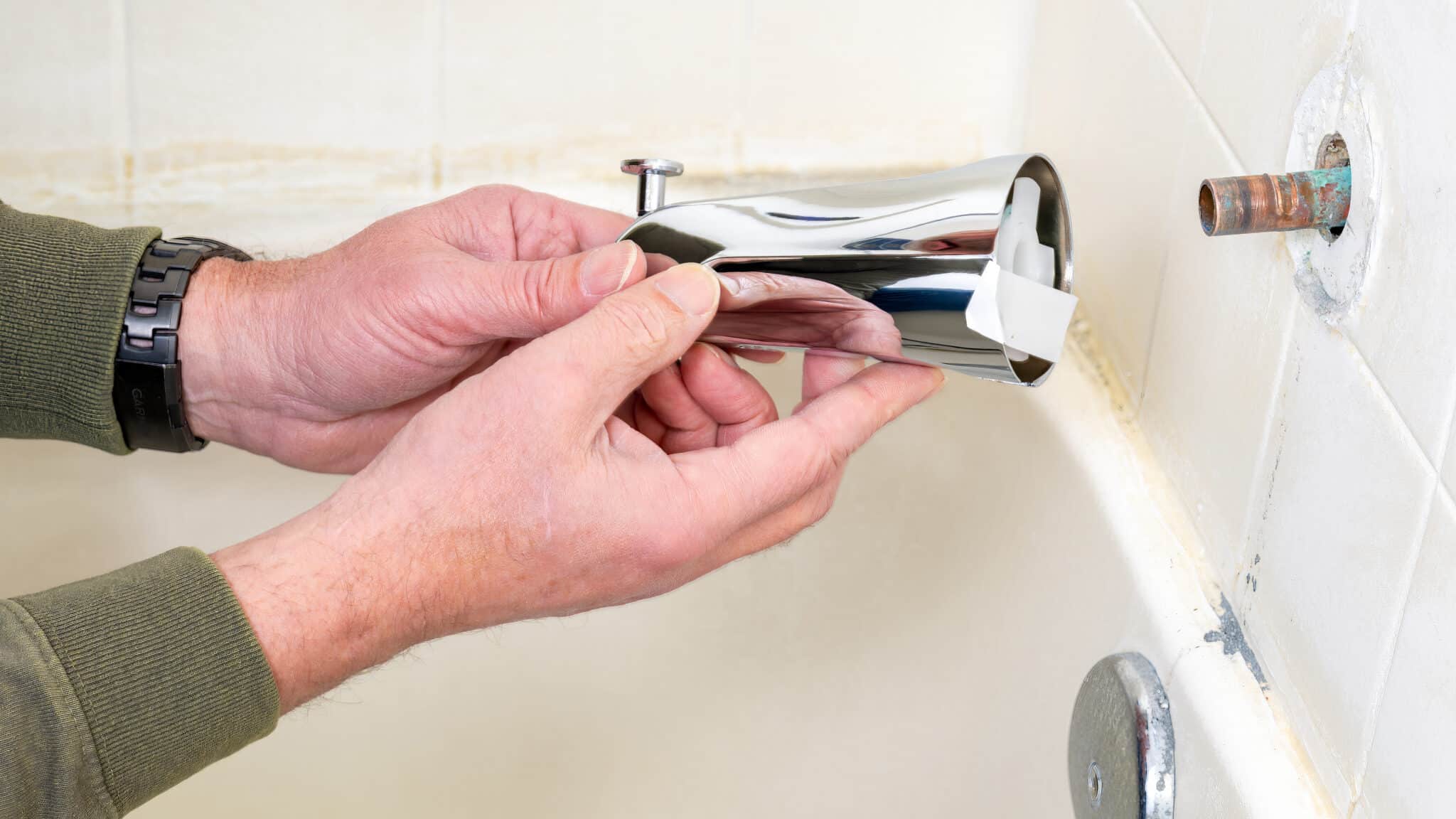
Choosing the Right Replacement Tub Spout Diverter
Choosing the right replacement tub spout diverter is crucial for ensuring a successful swap and restoring your shower’s functionality. When selecting a new diverter, consider the compatibility with your existing plumbing setup. This means checking the size and type of your current diverter, as these factors will influence which replacement models will work without issues. Residents in Kennedale have found that taking the time to match these details can prevent unnecessary complications during installation.
The material of the tub spout diverter also plays a significant role in its durability and performance. Options typically include metal or plastic, each with its advantages. Metal diverters, for instance, tend to offer a longer lifespan and a more classic look, while plastic models are often more cost-effective and resistant to corrosion. Homeowners in Waxahachie have experienced success by weighing these factors against their specific needs and preferences.
In addition to material and compatibility, consider the diverter’s design and ease of use. Some models feature a pull-down mechanism, while others may have a push-button or twist action. This choice is largely a matter of personal preference but can significantly affect your satisfaction with the product. Ensuring the new tub spout diverter enhances your shower experience by being easy and intuitive to use is a priority for many.
Lastly, don’t overlook the importance of reading reviews and seeking recommendations for tub spout diverters. Learning from the experiences of others can provide valuable insights into the reliability and performance of different models. This research can lead to a more informed decision, helping ensure that you select a tub spout diverter that meets your expectations and resolves the issue efficiently.
Step-by-Step Installation of a New Tub Spout Diverter
Installing a new tub spout diverter begins with ensuring the compatibility of your new diverter with the existing plumbing. Before proceeding, it’s essential to double-check the size and type against your current setup. This step prevents any mismatch that could complicate the installation process. Homeowners in Kennedale have found that a careful comparison at this stage makes the rest of the installation smoother.
Next, prepare the pipe for the new tub spout diverter by cleaning any residue or buildup from the threads. A clean connection area is crucial for a secure fit and optimal performance. Applying Teflon tape around the threads of the pipe ensures a watertight seal, preventing future leaks. This preparation is a straightforward task that sets the foundation for a successful installation.
Carefully align the new tub spout diverter with the prepared threads, gently twisting it into place. Start by hand to avoid cross-threading, then use a wrench for the final turns, ensuring it’s snug but not overtightened. Residents in Waxahachie have discovered that this careful approach minimizes the risk of damaging the diverter or the plumbing. This method ensures a secure and proper fit, critical for the diverter’s functionality.
Finally, with the new tub spout diverter securely installed, it’s time to test its performance. Turn the water supply back on and observe the water flow when activating the diverter. A successful swap means water efficiently redirects from the tub spout to the showerhead without leaks. This final step confirms the restoration of your shower’s functionality, completing the installation process with satisfaction.
Testing Your New Tub Spout Diverter
After installing your new tub spout diverter, the immediate next step is to conduct a thorough test to ensure it operates as expected. Begin by turning on the water supply and observing the change when you engage the diverter. Ideally, water should seamlessly switch from flowing out of the tub spout to the showerhead, indicating a successful installation. This test confirms the functionality of the diverter and the absence of leaks, a crucial checkpoint for homeowners in Kennedale.
If during testing, you notice water still coming out of the tub spout when it should fully divert to the showerhead, further adjustments may be necessary. Sometimes, this could be due to not tightening the diverter enough or an issue with the seal. Residents in Waxahachie have found that a slight tweak, such as tightening the diverter a bit more or reapplying Teflon tape, can resolve this issue efficiently. Addressing these minor adjustments promptly ensures the diverter functions optimally, providing a satisfactory shower experience.
Beyond ensuring the tub spout diverter’s functionality, it’s important to monitor for any signs of leaks around the base where it connects to the wall. Even a small drip can lead to significant water damage over time, so catching and addressing any leaks early is essential. A visual inspection and feeling around the connection for moisture can help detect leaks, safeguarding your bathroom against potential water damage and saving on future repair costs.
Finally, after confirming the diverter’s performance and leak-free operation, you can enjoy the full functionality of your shower once again. This simple swap enhances not only the efficiency of your bathroom but also contributes to a more enjoyable and stress-free shower experience. By following these steps, residents can confidently manage their plumbing issues, ensuring their showers operate smoothly and efficiently.
Tips for Maintaining Your Tub Spout Diverter
Maintaining your tub spout diverter ensures it operates smoothly and extends its lifespan, a simple yet effective way to avoid frequent replacements. Regularly cleaning the diverter can prevent mineral buildup from hard water, a common issue in Kennedale. Use a vinegar solution to soak the diverter, breaking down any deposits that could hinder its function. This easy maintenance step can significantly improve performance and prevent water flow issues.
Inspecting your tub spout diverter for signs of wear and tear should become a routine part of your bathroom upkeep. If you notice any cracks or rust, it’s time to consider a replacement to maintain optimal functionality. Residents in Waxahachie have found that early detection of such issues can save time and money in the long run. By keeping an eye on the physical condition of your diverter, you ensure a steady, reliable water flow during your showers.
It’s also wise to check the seal and connection of the tub spout diverter periodically to prevent leaks. A loose diverter can lead to water damage and increased utility bills, so tightening it or reapplying Teflon tape might be necessary. This simple check can make a big difference in your bathroom’s efficiency. Ensuring a tight seal will keep your shower running smoothly and avoid unnecessary water waste.
Lastly, educating yourself on the basic operation and common issues of tub spout diverters can empower you to address problems quickly. Knowing how to troubleshoot minor issues allows for prompt repairs, maintaining your shower’s performance without the need for professional help. This knowledge not only saves you money but also ensures your bathroom remains in top condition, enhancing your daily shower experience.
When to Call a Professional for Your Tub Spout Diverter
While DIY solutions often fix a faulty tub spout diverter, some scenarios demand professional attention. If after installing a new diverter, you still experience issues with water flow or leaks, it might be time to call in experts. Professionals can diagnose underlying problems that aren’t visible to the untrained eye. Residents in Kennedale have benefited from professional services when persistent issues indicate complex plumbing concerns.
In cases where a tub spout diverter is part of an older, more intricate plumbing system, the expertise of a plumber becomes invaluable. Sometimes, what seems like a simple diverter issue could be symptomatic of larger, systemic problems within your home’s plumbing. Homeowners in Waxahachie have found that expert plumbers can offer solutions that extend beyond the diverter, ensuring the entire system functions optimally. This approach not only solves the immediate problem but also prevents future issues.
Another reason to consider professional help is when the installation of a new tub spout diverter requires modifications to your existing plumbing. Altering water lines or adjusting fixtures to accommodate a new diverter style might be beyond the scope of typical DIY projects. Professionals have the tools and knowledge to make these adjustments safely and efficiently, guaranteeing a seamless fit and function. This ensures that your bathroom’s plumbing meets current standards and operates without fault.
Lastly, hiring a professional can save time and money in the long run, especially for those unfamiliar with plumbing intricacies. A professional plumber can quickly identify and fix a tub spout diverter issue, preventing the trial and error that sometimes accompanies DIY attempts. For many, the assurance of a job well done, without the risk of accidental damage or further complications, is worth the investment. This peace of mind is why many opt for expert assistance, ensuring their showers work perfectly with no unexpected surprises.

Frequently Asked Questions
What are common tub spout diverter issues?
Common tub spout diverter issues include water leaking from the spout during showers. This indicates a faulty diverter failing to redirect water properly. Over time, mineral buildup can also cause the diverter to stick or become hard to operate. Regular wear and tear may necessitate a replacement to ensure smooth functionality.
How do I fix a leaking tub spout?
To fix a leaking tub spout diverter, start by turning off the water supply. Next, remove the spout either by unscrewing it or loosening a set screw. Inspect the diverter for any damage or mineral buildup. Clean or replace it before reattaching the spout securely to stop the leak.
Can I replace a tub spout diverter myself?
Yes, you can replace a tub spout diverter on your own without needing professional help. First, ensure the water supply is off to avoid any spills. Then, carefully remove the old spout, either by unscrewing it or loosening a set screw. After that, you can easily install the new diverter by following the reverse steps, making sure it’s securely attached.
What tools are needed for a tub spout swap?
For a successful tub spout diverter swap, you’ll need a few basic tools. A wrench or pliers are essential for loosening and tightening the spout. An adjustable wrench will work well for this task. You might also need a screwdriver if your spout is secured with a set screw. Finally, Teflon tape is handy to ensure a water-tight seal when attaching the new spout.
How long does a tub spout diverter last?
A tub spout diverter’s lifespan typically ranges between 10 to 20 years, depending on its material and water quality. Frequent use and hard water can shorten this timeframe. Regular maintenance, like cleaning mineral deposits, helps extend its life. If you notice issues, it may be time for a replacement.