


Weather plays a pivotal role in the risk of pipes freezing, but it’s not the only factor. Insulation, or the lack thereof, can significantly impact how your pipes respond to dropping temperatures. Areas of your home that are poorly insulated are more likely to see pipes freeze during cold snaps. Recognizing these vulnerable areas is the first step in protecting your home from potential water damage.
But exactly how low can temperatures go before pipes freeze? This is a question many residents in Mansfield and Waxahachie find themselves asking as winter sets in. While the answer can vary depending on several factors, including pipe material and location, there are general guidelines that can help homeowners gauge their risk. By staying informed, you can implement measures to keep your plumbing safe from the freeze.
Taking action before temperatures plummet is key to preventing frozen pipes. From insulating exposed pipes to keeping a trickle of water flowing, there are several strategies that can mitigate the risk. Being aware of the conditions that lead to pipes freezing allows homeowners to prepare in advance, ensuring their plumbing systems withstand the cold without issue. As we delve deeper into this topic, we’ll explore the specific temperature thresholds, the role of insulation, and preventive measures to keep your pipes flowing smoothly all winter long.
The Science Behind Freezing Pipes
Understanding why pipes freeze requires a basic grasp of the science behind the process. When temperatures drop to 32 degrees Fahrenheit or below, water inside pipes can start to freeze. This is because water expands as it turns into ice, which increases pressure inside the pipe. If the pressure gets too high, the pipe can burst, leading to potential water damage in your home.
Insulation plays a crucial role in preventing this scenario. Pipes located in areas of your home that lack proper insulation are more susceptible to freezing. This is especially true for those in exterior walls, attics, and basements where the cold is more pronounced. By adding insulation to these areas, you can significantly reduce the risk of pipes freezing.
However, when pipes freeze, not all homes in Mansfield, TX, or Waxahachie, TX, have adequate insulation to handle the situation. In such cases, homeowners need to take extra precautions as temperatures start to drop. Keeping cabinet doors open to allow warm air to circulate around pipes and letting faucets drip slightly can help prevent freezing. These simple actions maintain a steady flow of water, reducing the chances of ice formation.
Lastly, understanding the specific risks your plumbing system faces during cold weather is essential when pipes freeze. Pipes made of copper or metal freeze more quickly than those made of plastic. Knowing the materials your pipes are made of and their locations can help you tailor your preventive measures more effectively. With proper preparation, you can reduce the risk of pipes freezing, even in the coldest temperatures.
Identifying Your Home’s Vulnerable Areas
Identifying the areas in your home most vulnerable to freezing temperatures can be a game-changer in preventing Pipes Freeze issues. Often, these are the less frequented spaces such as garages, crawl spaces, and even under kitchen sinks. In cities like Mansfield, TX, where winter temperatures can sharply drop, ensuring these areas receive adequate warmth is crucial. Simple steps like adding insulation or using space heaters can make a significant difference.
In Waxahachie, TX, homeowners should pay special attention to outdoor faucets and sprinkler systems. These are directly exposed to the elements and can freeze quickly if not properly drained and insulated before the cold sets in. Covering outdoor faucets with insulated foam covers can prevent them from freezing. Similarly, turning off the water supply to outdoor lines can safeguard against unexpected freezes and reduce the risk of Pipes Freeze situations.
Another area often overlooked is the attic. Poorly insulated attics can lead to frozen pipes, especially when the rest of the house is warm. This temperature disparity can cause condensation on the pipes, which may freeze as temperatures drop. Adding insulation to your attic not only prevents pipes from freezing but can also help in reducing heating costs.
Lastly, monitoring your home’s temperature is vital in preventing pipes from freezing. Keeping the thermostat set to a consistent temperature day and night can help. During particularly cold spells in Mansfield, TX, and Waxahachie, TX, even a slight increase in your home’s overall temperature can provide the extra warmth needed to keep pipes from freezing. Taking these proactive steps can help ensure your plumbing remains intact through the winter months and avoid costly Pipes Freeze problems.
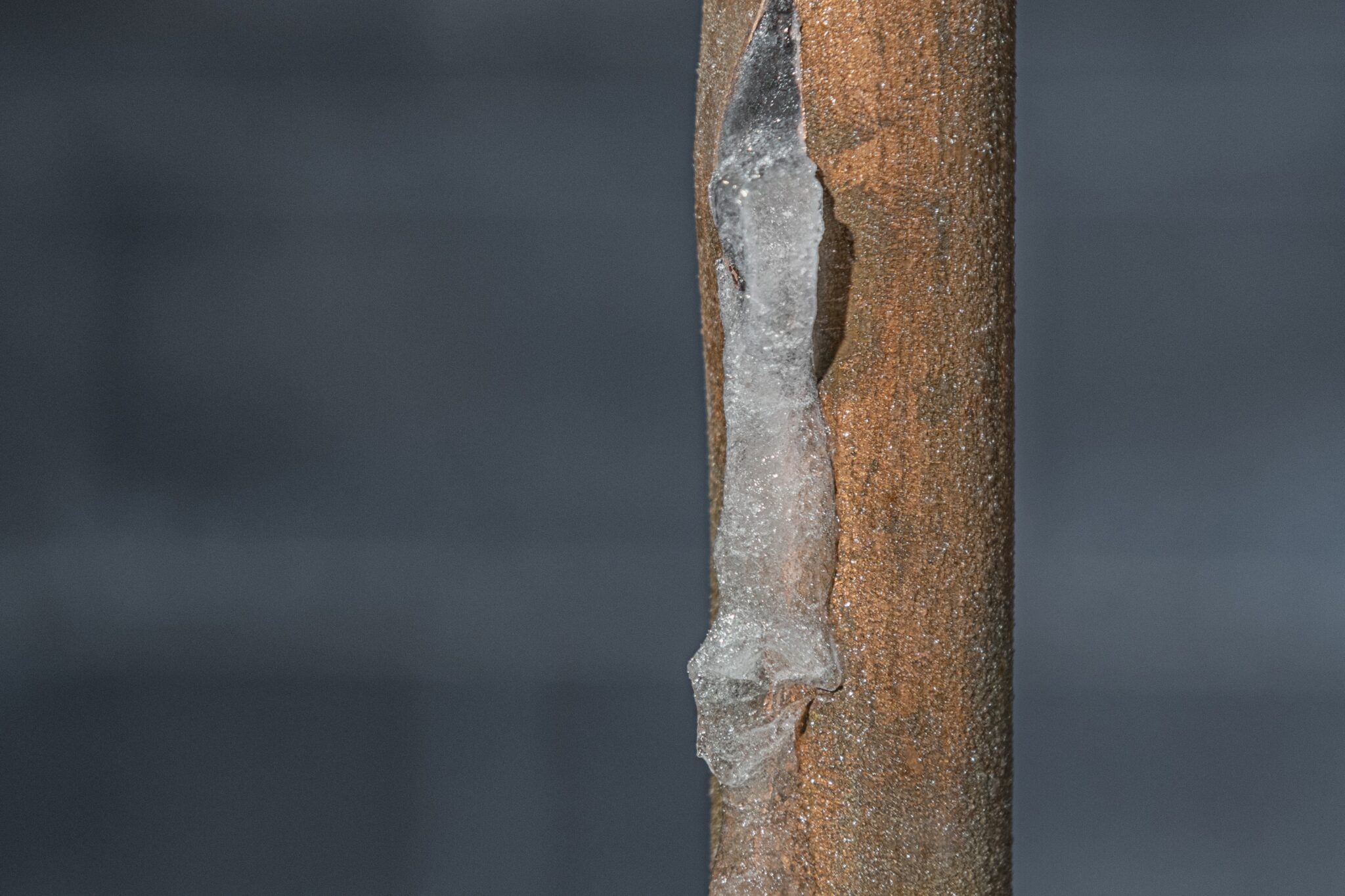
How Low Temperatures Cause Pipes to Freeze
Understanding how low temperatures can cause Pipes Freeze is critical for homeowners in Mansfield, TX. Once the temperature hits 20 degrees Fahrenheit or lower, the risk of freezing increases significantly. This threshold is important because it’s not just the presence of cold air that matters but how long the pipes are exposed to these freezing conditions. Ensuring your home’s plumbing can withstand such temperatures requires proactive measures.
In Waxahachie, TX, residents often experience sudden drops in temperature that can catch them off guard. To combat this, it’s advisable to regularly check the weather forecast during the winter months. Being informed allows you to take preemptive actions, like adding extra insulation or keeping your home slightly warmer, to prevent Pipes Freeze situations. These steps can be crucial in safeguarding your plumbing against unexpected cold snaps.
Another factor to consider is the duration of cold exposure. Pipes exposed to freezing temperatures for an extended period are more likely to freeze. This is especially true overnight when temperatures tend to drop the most and homes use less water. Keeping a slight drip from faucets can help prevent freezing by maintaining water movement within the pipes and reducing the chance of Pipes Freeze.
Lastly, remember that prevention is always better than dealing with the consequences. Regular maintenance checks on your home’s insulation and heating can make a big difference. By staying vigilant and prepared, residents of Mansfield, TX, and Waxahachie, TX, can avoid the costly and inconvenient aftermath of frozen pipes. Taking these steps ensures your home remains safe and warm throughout the winter season.
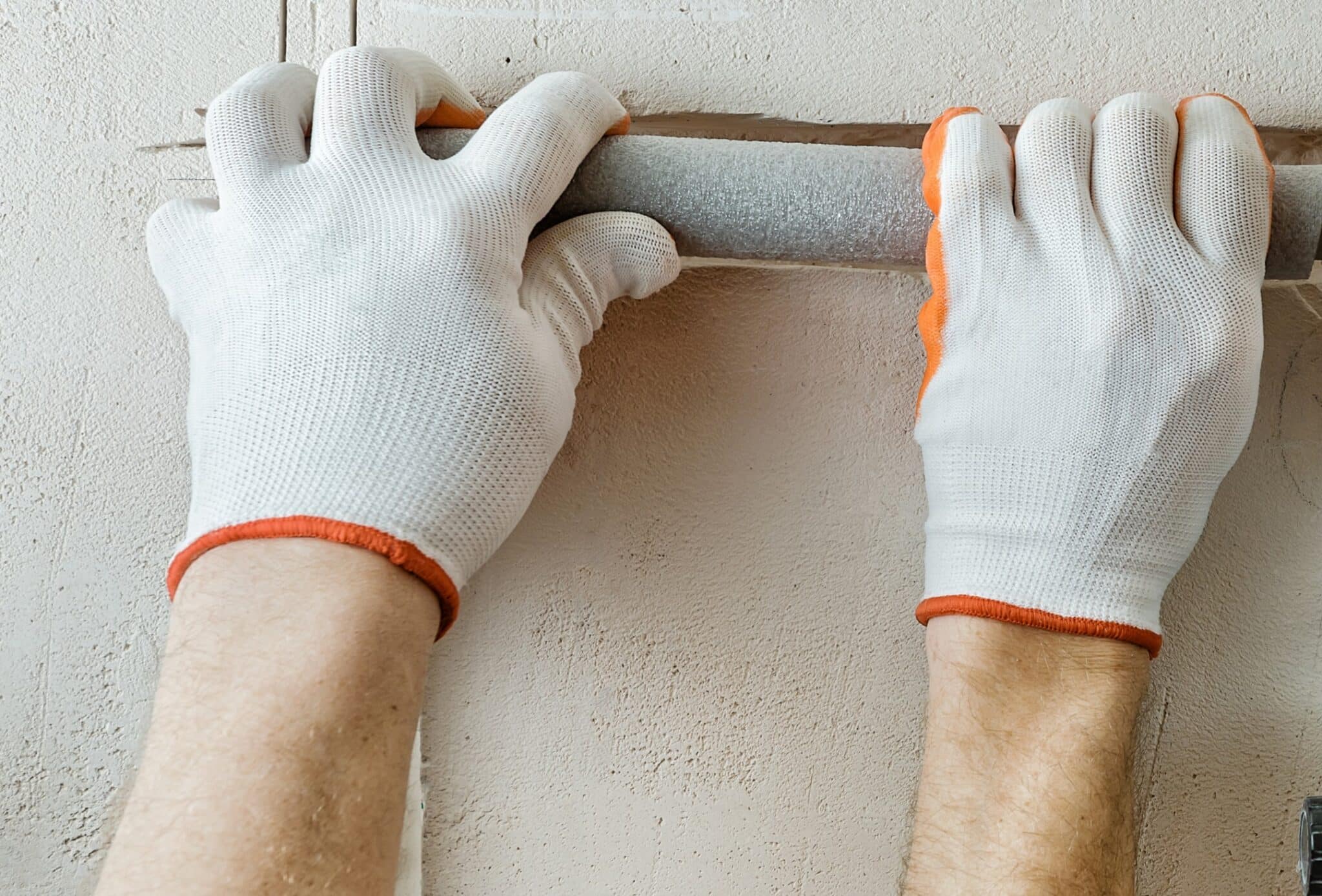
Insulation Tactics to Prevent Frozen Pipes
As temperatures dip, homeowners in Mansfield, TX, must consider effective insulation tactics to prevent pipes from freezing. Preventing Pipes Freeze is a top priority during colder months, as even brief freezes can cause serious damage. Insulating your pipes is a straightforward yet powerful approach to safeguard your plumbing. Foam pipe insulation, available at most hardware stores, can be easily wrapped around pipes, offering an additional layer of protection against the cold. This simple step significantly reduces the chances of water inside the pipes freezing and expanding.
In Waxahachie, TX, another effective method is to install heat tape or heat cables around vulnerable pipes. These electrical heating elements are designed to be wrapped around pipes, providing direct warmth to prevent freezing. It’s crucial to follow the manufacturer’s instructions carefully to ensure safe and efficient operation. By maintaining a consistent warmth around the pipes, you effectively minimize the risk of Pipes Freeze during cold snaps.
Sealing leaks that allow cold air into your home is also essential in preventing pipes from freezing. Even small openings can let in enough cold air to cause a problem. Homeowners should inspect areas around electrical wiring, dryer vents, and pipes, using caulk or insulation to seal any gaps. This effort not only helps keep the pipes warm but also contributes to overall energy efficiency in your home.
Lastly, keeping interior doors and cabinet doors open can help circulate warm air, especially where plumbing is located in cabinets or closets. This practice allows heat to reach the pipes under sinks and in adjacent exterior walls. Encouraging warm air circulation throughout your home ensures that no area is left vulnerable to the freezing temperatures that can cause Pipes Freeze. By adopting these insulation tactics, homeowners can significantly reduce the risk of facing the challenges that come with frozen pipes.
The Role of Weather in Pipe Freeze Risk
The role of weather in determining the risk of pipes freeze cannot be overstated, especially in areas like Waxahachie, TX, where winter temperatures can vary greatly. As the mercury drops, the likelihood of your plumbing system succumbing to the cold increases. This is because prolonged exposure to low temperatures can cause the water inside pipes to freeze, leading to potential damage. Homeowners should closely monitor weather forecasts during the winter months to anticipate and prepare for sudden temperature drops.
In Mansfield, TX, the influence of wind chill on how quickly pipes freeze is another weather-related factor to consider. Wind chill can exacerbate the cooling effect on pipes, especially those in vulnerable areas like attics or external walls. By understanding this, residents can take extra precautions, such as adding windbreaks or additional insulation, to protect these exposed pipes from the biting cold. Keeping an eye on wind chill factors helps in tailoring your preventive measures more effectively.
Moreover, the duration of cold spells plays a critical role in the risk of pipes freezing. Short bursts of cold are less likely to cause issues than prolonged periods of freezing temperatures. This is because water needs time to freeze, and a quick return to milder temperatures may prevent ice from forming inside pipes. Homeowners should be particularly vigilant during extended cold spells, implementing strategies like leaving faucets slightly open to encourage water flow and prevent freezing.
Lastly, the impact of sudden temperature drops after a warm spell can catch homeowners off guard, increasing the risk of pipes freezing. Pipes can be more vulnerable during these times as the ground and surrounding materials may still be warm, leading to a false sense of security about the risk. It’s crucial for residents to remain alert to these weather patterns, adjusting their preventive measures as needed to ensure their plumbing systems are protected against the unpredictable nature of winter weather.
Immediate Steps to Take When Pipes Freeze
When pipes freeze, discovering the issue can be a daunting experience for any homeowner in Mansfield, TX. The first step is to remain calm and quickly shut off the main water supply to prevent any potential water damage. This action reduces the pressure on frozen pipes, minimizing the risk of them bursting. It’s crucial to act swiftly to mitigate any further issues.
After turning off the water, gently warm the frozen section of the pipe when pipes freeze. Homeowners can use a hair dryer, heat lamp, or portable space heater for this purpose, but it’s important to avoid using open flames, as they pose a fire risk. Move slowly along the pipe to allow the ice to thaw gradually, which helps prevent the pipe from bursting. This method safely and effectively restores water flow.
In Waxahachie, TX, residents should also open faucets slightly to allow water to drip out once the thawing process begins. This action helps relieve any built-up pressure inside the pipes and facilitates the melting of ice. Monitoring the flow of water can give you an indication of when the pipes are fully thawed. It’s a simple yet effective way to ensure the water starts moving through your pipes again.
Lastly, assessing the situation to understand why your pipes froze in the first place is important. Identifying any insulation shortcomings or areas where cold air infiltrates can prevent future occurrences. Homeowners might consider adding insulation or sealing gaps around the home to keep pipes warm during cold snaps. Taking these immediate steps when pipes freeze can save you from costly repairs and the inconvenience of water damage.
Long-Term Strategies for Pipe Freeze Prevention
To safeguard against the inconvenience and expense of frozen pipes, adopting long-term prevention strategies is essential. In Mansfield, TX, homeowners can benefit from regular plumbing inspections to identify and rectify potential vulnerabilities before temperatures plummet. These inspections can reveal areas where pipes may need additional insulation or where leaks might allow cold air to penetrate. Taking proactive measures based on these assessments can significantly reduce the risk of Pipes Freeze.
Another effective long-term strategy involves upgrading insulation in key areas of your home. Attics, basements, and crawl spaces are common culprits for heat loss, which can lead to Pipes Freeze. By enhancing insulation in these areas, you create a warmer environment for your pipes, even during the coldest months. This not only prevents freezing issues but also contributes to overall energy efficiency in your home.
In Waxahachie, TX, installing smart home devices, such as thermostats that maintain a consistent temperature, can offer an additional layer of protection. These devices can be programmed to keep your home at a safe temperature, reducing the likelihood of Pipes Freeze. They also allow homeowners to monitor and adjust their home’s temperature remotely, providing peace of mind during winter travel or unexpected cold snaps.
Lastly, considering the installation of pipe sleeves or heat tape on particularly vulnerable pipes offers a reliable defense against freezing. These products are designed to provide direct warmth to pipes, preventing the formation of ice. While the initial setup may require an investment, the protection they offer against costly damage makes them a worthwhile consideration for any homeowner.
When to Call a Professional for Frozen Pipes
Discovering frozen pipes in your home can be alarming, urging an immediate response to prevent damage. While many homeowners in Mansfield, TX, can manage minor freeze issues, certain situations necessitate professional intervention. Recognizing when to call in experts is crucial, especially if the pipe has burst or if thawing attempts don’t restore water flow. Professionals have the tools and experience to safely resolve these problems, minimizing water damage risks.
In Waxahachie, TX, residents often face the challenge of identifying the extent of pipe freezing. If you’re unsure about the location of the freeze or the best method to thaw the pipes, it’s safer to seek professional help. Experts can efficiently locate the freeze point and apply the most effective thawing techniques. This approach not only saves time but also ensures your plumbing system’s integrity is not compromised.
When pipes freeze, attempting to thaw them without the proper knowledge can lead to accidents, including potential water damage or fire hazards. Professionals are equipped with the right tools, such as industrial heat lamps and thermal imaging cameras, to handle the job safely. Their expertise ensures that the thawing process is done correctly, preventing further issues. Homeowners in Mansfield, TX, should consider this option to avoid turning a manageable situation into a costly repair job.
When pipes freeze, addressing the immediate problem is only the first step. Consulting with a plumbing professional can provide long-term solutions. They can assess your home’s plumbing system and recommend upgrades or changes to prevent future freezes. Whether it’s installing insulated pipe sleeves or improving home insulation, these preventive measures can save Waxahachie, TX, residents from the recurring stress of frozen pipes. Trusting professionals with both emergency fixes and preventive strategies ensures your home is well protected against the cold.
Frequently Asked Questions About Pipes Freeze
What temperature causes pipes to freeze?
Pipes usually freeze when the temperature drops to 32 degrees Fahrenheit or lower. This cold causes water inside the pipes to turn to ice. Insulation and your home’s heating can help prevent this. However, exposed or poorly insulated pipes are most at risk during cold snaps.
How to prevent frozen pipes?
To prevent frozen pipes, keep your home warm and insulate pipes in colder areas. Letting faucets drip slightly can also help by keeping water moving. For added protection, open cabinet doors under sinks to allow warm air to circulate around the plumbing. Lastly, consider installing pipe sleeves or heat tape on vulnerable pipes to ward off the cold.
At what speed do pipes freeze?
The speed at which pipes freeze can vary based on several factors, including temperature, insulation, and pipe material. Generally, pipes can start to freeze within hours after temperatures fall to 32 degrees Fahrenheit or lower. Poorly insulated or exposed pipes are especially quick to freeze. Therefore, taking preventive measures before the cold hits is crucial to avoid the risk of frozen pipes.
Can Pipes Freeze at 32 degrees?
Yes, pipes can freeze when the temperature hits 32 degrees Fahrenheit. This is because water inside the pipes turns to ice at this point. Homes with poor insulation are more likely to face this issue. To avoid damage, it’s best to take preventive steps before it gets this cold.
What are signs of Pipes Freeze?
When pipes freeze, you might notice a lack of running water. Strange clanking noises can also occur as ice blocks the flow. In some cases, frost appears on the pipe’s exterior, warning of the ice inside. Lastly, a noticeable drop in water pressure often signals frozen pipes, urging immediate attention.