


As winter approaches, homeowners in Mansfield, Kennedale, TX, and Waxahachie, TX, brace for the cold. But there’s more to the chill than just bundling up. The drop in temperature puts your home’s plumbing system at a significant risk, especially when the mercury dips to 32 degrees Fahrenheit. This threshold is crucial because it’s the point at which water inside pipes can start to freeze.
When water freezes, it expands, and this expansion can exert tremendous pressure on the pipes containing it. This pressure can cause pipes to crack or burst, leading to potential flooding and costly repairs. Understanding why pipes at risk during cold snaps can help homeowners take preventative measures. Keeping your plumbing safe is not just about avoiding inconvenience, it’s about protecting your home.
Certain areas of a home are more vulnerable to freezing than others. Pipes in unheated interior spaces like basements, attics, and garages are particularly at risk. Even pipes running through cabinets or exterior walls can freeze under the right conditions. Knowing which parts of your plumbing system are most susceptible can guide you in taking specific protective steps.
Preventing such damage is crucial, especially in areas like Kennedale and Waxahachie, TX, where sudden temperature drops can catch residents off guard. Simple measures, such as insulating pipes and maintaining a consistent indoor temperature, can make a big difference. Awareness and preparation can keep your pipes safe from the risks posed by freezing temperatures, saving you from the stress and expense of emergency repairs.
Understanding Why 32 Degrees is a Danger Point for Pipes
Understanding why 32 degrees Fahrenheit is a critical threshold for your plumbing involves a bit of science. Water has a unique property, it expands as it freezes. This expansion puts considerable pressure on whatever contains it, including metal or plastic pipes. If the pressure is too much, pipes can crack or even burst, leading to serious problems.
In Kennedale, TX, and surrounding areas, sudden temperature drops to 32 degrees or below are not uncommon. When this happens, water in your pipes can freeze quickly, especially overnight. Pipes at Risk in these conditions are often those in unheated or poorly insulated areas of your home. Keeping an eye on the forecast can help you take action before freezing temperatures arrive.
To prevent pipes from freezing, homeowners have several tools at their disposal. Insulating your pipes is one of the most effective measures you can take. It acts as a barrier, keeping the warmth in and the cold out. Additionally, letting faucets drip slightly during cold spells can prevent pressure from building up inside the Pipes at Risk.
Residents in Waxahachie, TX, also benefit from maintaining a consistent indoor temperature. This practice helps ensure that warmth reaches all areas of your home, including where Pipes at Risk are located. By understanding the risks and taking proactive steps, you can protect your plumbing from the harsh realities of winter. Keeping your pipes safe from freezing is an essential part of home maintenance during the colder months.
How Water Freezes and Expands in Pipes
When water turns to ice, it undergoes a remarkable transformation. This process begins when temperatures drop to 32 degrees Fahrenheit, putting Pipes at Risk. The water molecules slow down and arrange themselves into a crystalline structure, which occupies more space than liquid water. Consequently, this expansion can stress pipes from the inside, increasing the likelihood of damage.
In areas like Kennedale, TX, homeowners witness firsthand how swiftly this expansion can compromise their plumbing systems. As the ice forms, it pushes against the walls of the pipes, creating potential for cracks or bursts. This scenario is especially true for Pipes at Risk that aren’t insulated or are located in colder parts of the house. Recognizing the early signs of freezing water within pipes can be crucial in preventing extensive damage.
Taking preventative measures becomes essential to safeguard plumbing in cities prone to sudden temperature drops, such as Waxahachie, TX. Homeowners are advised to wrap pipes in insulation, a simple yet effective way to reduce the risk. Insulation acts as a protective layer, slowing down the freezing process and giving homeowners more time to react if temperatures plummet unexpectedly.
Lastly, understanding the science behind water expansion and its effect on pipes equips homeowners with the knowledge to protect their property. By staying vigilant and implementing preventative strategies, the risk posed by freezing temperatures can be minimized. This awareness not only prevents costly repairs but also ensures that Pipes at Risk in vulnerable areas remain safe and dry throughout the winter months.
Identifying Pipes at Risk in Your Home
Identifying which pipes in your home are most likely to be at risk during freezing temperatures is a crucial step in preventing water damage. In Kennedale, TX, homes with Pipes at Risk located in unheated areas such as basements, attics, or garages should be given special attention. These spots tend to be the first to drop below freezing. By pinpointing these vulnerable areas, homeowners can focus their insulation efforts more effectively.
Exterior walls that are poorly insulated also pose a significant risk to your plumbing. In Waxahachie, TX, for example, the cold can penetrate these walls, chilling the pipes inside. Homeowners can combat this by adding insulation or using heat tape to keep these Pipes at Risk warm. This proactive approach can greatly reduce the chances of freezing.
Another way to identify Pipes at Risk is to check for drafts in areas where plumbing is located. Even a small draft can significantly lower the temperature around pipes, increasing the risk of freezing. Sealing these leaks with caulking or spray foam can make a big difference. It’s a simple step that can prevent a lot of trouble down the line.
Lastly, regular maintenance checks throughout the winter months can help catch any potential problems early. Look for signs of condensation or frost on pipes, as these can be early indicators of freezing. Taking action at the first sign of trouble can keep your pipes safe from the risks posed by freezing temperatures. This vigilance ensures your home stays dry and your plumbing intact.
The Science of Frozen Pipes: Why They Burst
Understanding the science behind why pipes burst when they freeze is essential for homeowners in Mansfield and surrounding areas like Kennedale, TX. As water freezes, it expands by about 9%, creating significant pressure inside pipes. This pressure can exceed the strength of the pipe, whether it’s made of metal or plastic, leading to cracks or bursts. Thus, knowing the process can help residents prepare and prevent potential damage to Pipes at Risk.
In colder climates or during sudden temperature drops to 32 degrees Fahrenheit, even a small amount of water turning to ice inside pipes can cause issues. This is particularly true in areas like Waxahachie, TX, where such weather can be unexpected. The expansion of freezing water acts forcefully against pipe walls, pushing them beyond their limit. Homeowners can mitigate this risk by ensuring their Pipes at Risk are well-insulated and monitored during cold snaps.
Preventative measures are key to keeping your plumbing safe from the freeze-thaw cycle that puts Pipes at Risk. Insulating pipes, especially those in vulnerable areas of your home, acts as a first line of defense. Additionally, keeping a trickle of water flowing through faucets can relieve pressure build-up inside pipes. These steps are simple yet effective in preventing the conditions that lead to burst pipes.
Regular monitoring and maintenance of your home’s plumbing system become even more critical as temperatures drop. Checking for signs of freezing, like frost on the outside of pipes or reduced water flow, can catch problems early. Homeowners should also know how to shut off their water main in case a pipe does burst. This immediate action can minimize damage and give you time to seek professional help from local experts in Mansfield.
Preventative Measures to Protect Your Plumbing
To safeguard your home’s plumbing from freezing temperatures, adopting a comprehensive approach is essential. In Kennedale, TX, homeowners can start by insulating all exposed pipes. This simple step significantly reduces the risk of pipes freezing and bursting. Insulation materials are readily available and can be a cost-effective way to protect your Pipes at Risk.
Another effective preventative measure is to keep a slight drip running from faucets when temperatures are expected to drop below freezing. This tactic helps prevent pressure build-up inside pipes, which is a common cause of bursts. Residents in Waxahachie, TX, have found this method particularly useful during unexpected cold snaps. It’s a small step that can make a big difference in keeping Pipes at Risk from freezing.
Regularly inspecting your plumbing system for any signs of wear or vulnerability is also critical. Look for cracks, leaks, or weak joints that may become problematic when exposed to freezing temperatures. Addressing these issues promptly can prevent minor problems from escalating into major emergencies. This proactive maintenance ensures the longevity and reliability of your Pipes at Risk.
Finally, understanding your home’s plumbing layout can greatly aid in prevention efforts. Knowing where to locate and how to shut off the main water supply can be invaluable in an emergency. If a pipe does freeze and burst, quick action to turn off the water can minimize damage to your home. This knowledge, combined with the aforementioned steps, provides a solid defense against the risks cold weather poses to your plumbing.
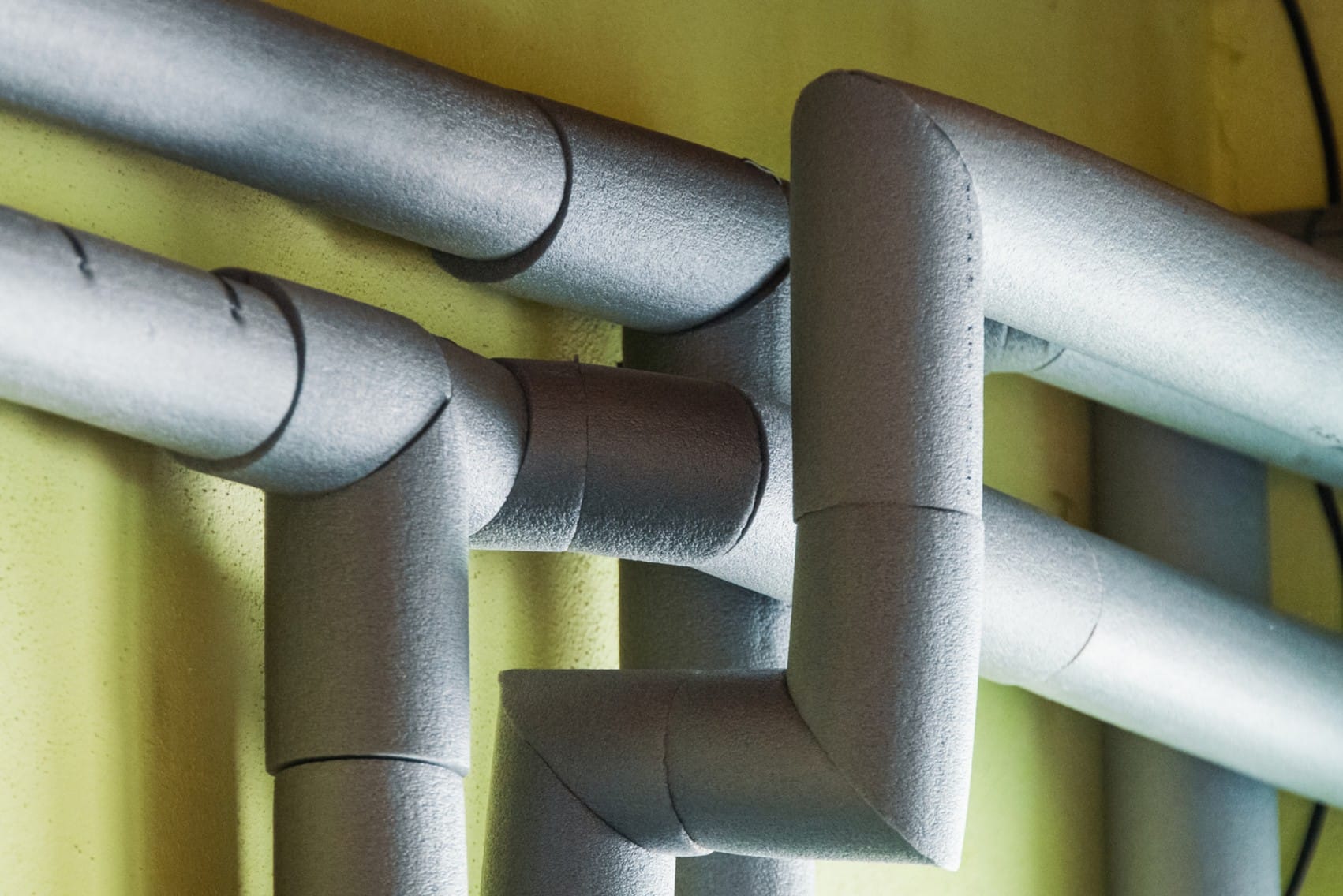
Insulating Pipes at Risk for Winter Weather
Insulating Pipes at Risk before the winter season hits is a vital step for homeowners in Kennedale, TX. This process involves wrapping pipes with insulation material to keep them warm. Such a precautionary measure significantly reduces the chances of water inside the pipes freezing. Insulated pipes are less likely to burst, protecting your home from costly damages.
In Waxahachie, TX, residents understand the importance of preparing for sudden temperature drops. By insulating both hot and cold water pipes, they ensure a consistent temperature is maintained. This action helps in preventing the formation of ice within the Pipes at Risk. Keeping pipes at a stable temperature is key to avoiding the expansion and contraction cycle that can lead to cracks.
Another advantage of insulating pipes is energy savings. Homeowners find that insulated pipes help in reducing heat loss as water travels from the heater to the faucet. This efficiency not only saves on energy costs but also ensures hot water arrives faster. Consequently, it’s a win-win situation that protects Pipes at Risk while enhancing your home’s energy efficiency.
Lastly, the process of insulating pipes is straightforward and can be a DIY project. Homeowners can choose from a variety of insulation materials, such as foam rubber or fiberglass. Taking the time to properly insulate your pipes can spare you from the stress and expense of emergency repairs. It’s a proactive measure that pays off by keeping your home safe and comfortable throughout the winter months.
Emergency Steps if Pipes Freeze
Despite all preventative measures, sometimes the cold wins, and homeowners may find themselves facing the situation of frozen pipes. If you suspect that your pipes have frozen, the first step is to remain calm and shut off the main water supply. This action prevents water from flowing into potentially cracked pipes, reducing the risk of water damage in your home. It’s a crucial move that can save you from more extensive repairs.
Next, gently apply heat to the affected pipe segment using a hair dryer, heat lamp, or portable heater. Avoid using open flames as they pose a significant fire risk. This gradual thawing process helps in restoring water flow and prevents the pipe from bursting. Residents in Kennedale, TX, have successfully used this method to mitigate risks and protect their plumbing during sudden cold snaps.
In addition to applying heat, opening nearby faucets slightly can relieve the pressure build-up within the pipes. This step allows water to start flowing again, further reducing the chances of a pipe bursting. It’s a simple yet effective technique that homeowners in Waxahachie, TX, have utilized to safeguard their plumbing against the freeze.
Lastly, if you’re unsure about handling the situation or if the problem persists, calling a professional plumber is the best course of action. They have the tools and expertise to safely thaw your pipes and repair any damage. This ensures that your plumbing system is properly restored and reduces the likelihood of future issues, keeping your pipes at risk to a minimum.
Long-Term Solutions to Prevent Frozen Pipes
After addressing immediate concerns with frozen pipes, homeowners in Kennedale, TX, should consider long-term solutions to prevent future occurrences. One effective strategy involves upgrading your home’s insulation, particularly in areas where pipes are exposed to cold air. This step not only keeps the pipes warm but also contributes to overall energy efficiency. Additionally, sealing leaks around doors and windows can significantly reduce cold air intrusion, further protecting your plumbing.
In Waxahachie, TX, installing thermostatically controlled heat tape around at-risk pipes offers another layer of defense against freezing temperatures. This innovative solution allows for automatic temperature regulation, ensuring pipes remain above freezing without constant monitoring. It’s a smart investment that can save homeowners the hassle and expense of dealing with burst pipes. Pairing this technology with insulation maximizes protection and peace of mind throughout the winter months.
Another long-term solution is to reroute susceptible pipes to warmer areas of your home. Although this may require professional assistance, it’s a permanent fix that eliminates the risk of freezing in critical areas. By positioning pipes away from exterior walls and unheated spaces, you significantly reduce the likelihood of freezing. This proactive approach addresses the root cause of the problem, ensuring your plumbing system remains robust against cold weather challenges.
Finally, regular plumbing maintenance and inspections play a crucial role in preventing frozen pipes. Having a professional plumber check your system before the onset of cold weather can identify potential issues before they escalate. This preventive measure allows for timely repairs and adjustments, keeping your pipes at risk to a minimum. By adopting these long-term strategies, homeowners can enjoy a worry-free winter, confident in the resilience of their plumbing systems.

Frequently Asked Questions About Pipes at Risk
Why do pipes freeze at 32 degrees?
When the temperature drops to 32 degrees Fahrenheit, water inside your pipes starts to freeze. This happens because water expands as it turns into ice, putting pressure on the pipes. Areas with little insulation are most vulnerable to this freezing. To prevent costly damage, it’s crucial to keep your home’s plumbing warm.
How can I protect my pipes in winter?
To shield your pipes from winter’s chill, insulating them is key. This keeps the warmth in and the cold out, reducing the risk of freezing. Letting faucets drip slightly also helps, as moving water is less likely to freeze. Finally, keeping your home’s temperature consistent day and night can prevent pipes at risk from succumbing to the cold.
What are signs of frozen pipes?
If your taps only drip or won’t release any water, it’s a clear sign your pipes may be frozen. Another indicator is a strange smell coming from a faucet or drain, signaling ice blockages that force odors back. Frost appearing on pipes also points to freezing issues. Lastly, unusual noises like clanking or gurgling from your plumbing can suggest water struggling to move past ice.
How do 32 degrees put pipes at risk?
At 32 degrees Fahrenheit, water inside your home’s plumbing begins to freeze. This expansion of water into ice exerts pressure on the pipes, making them vulnerable to cracks or bursts. Insufficiently insulated areas are especially at risk during such cold snaps. Protecting your pipes from these freezing temperatures is essential to avoid significant damage and costly repairs.
What to do if pipes at risk burst?
If your pipes burst, quickly turn off the main water supply to minimize damage. Then, call a professional plumber to repair the issue. Open faucets to relieve any remaining pressure in the system. Document the damage for insurance purposes, capturing photos or videos as evidence.