


Winter in Mansfield brings its own set of challenges, especially when it comes to plumbing. The dropping temperatures can turn water into ice within pipes, leading to potential disasters like freezing and bursting. That’s why selecting the right pipe materials is crucial for homeowners in this region. It’s not just about durability but also about how well these materials can withstand the harsh cold.
In areas like Kennedale, TX, where winter can be unpredictable, the choice of pipe materials becomes even more critical. Homeowners have various options, including PEX, CPVC, and insulated copper, each with its own set of advantages in cold weather. Understanding the differences and how they perform under winter stress is key to making an informed decision. This knowledge can save a lot of trouble and expense in the long run.
Waxahachie, TX, residents also face similar winter plumbing concerns. The right pipe materials can mean the difference between a cozy, worry-free winter and one filled with plumbing emergencies. Among the options, PEX stands out for its flexibility and freeze resistance, CPVC offers ease of installation and good thermal properties, and insulated copper, while more traditional, provides excellent durability and resistance to temperature extremes.
Choosing the best pipe materials for winter doesn’t just protect your home’s plumbing system, it also ensures peace of mind. With the right selection, homeowners in Mansfield and surrounding areas can avoid the common pitfalls of winter plumbing issues. This guide aims to explore the best cold-resistant options, comparing their performance in harsh conditions to help you make the best choice for your home.
The Importance of Choosing the Right Pipe Materials for Winter
Understanding the importance of choosing the right pipe materials for winter is vital to ensure your home’s plumbing system remains intact during the cold months. In Kennedale, TX, residents must consider materials that not only resist freezing but also adapt well to temperature fluctuations. PEX, for instance, is renowned for its flexibility, allowing it to expand slightly if water inside freezes, reducing the risk of bursting. This characteristic makes it an excellent choice for areas experiencing severe winter conditions.
CPVC pipes, on the other hand, are favored for their thermal efficiency and ease of installation. Homeowners in Waxahachie, TX, appreciate CPVC for its ability to maintain water temperature, conserving energy in homes. Its resistance to corrosion and low thermal expansion rate make it less likely to crack under the pressure of freezing water. Moreover, its lightweight nature simplifies the installation process, making it a practical option for those looking to upgrade their plumbing before winter hits.
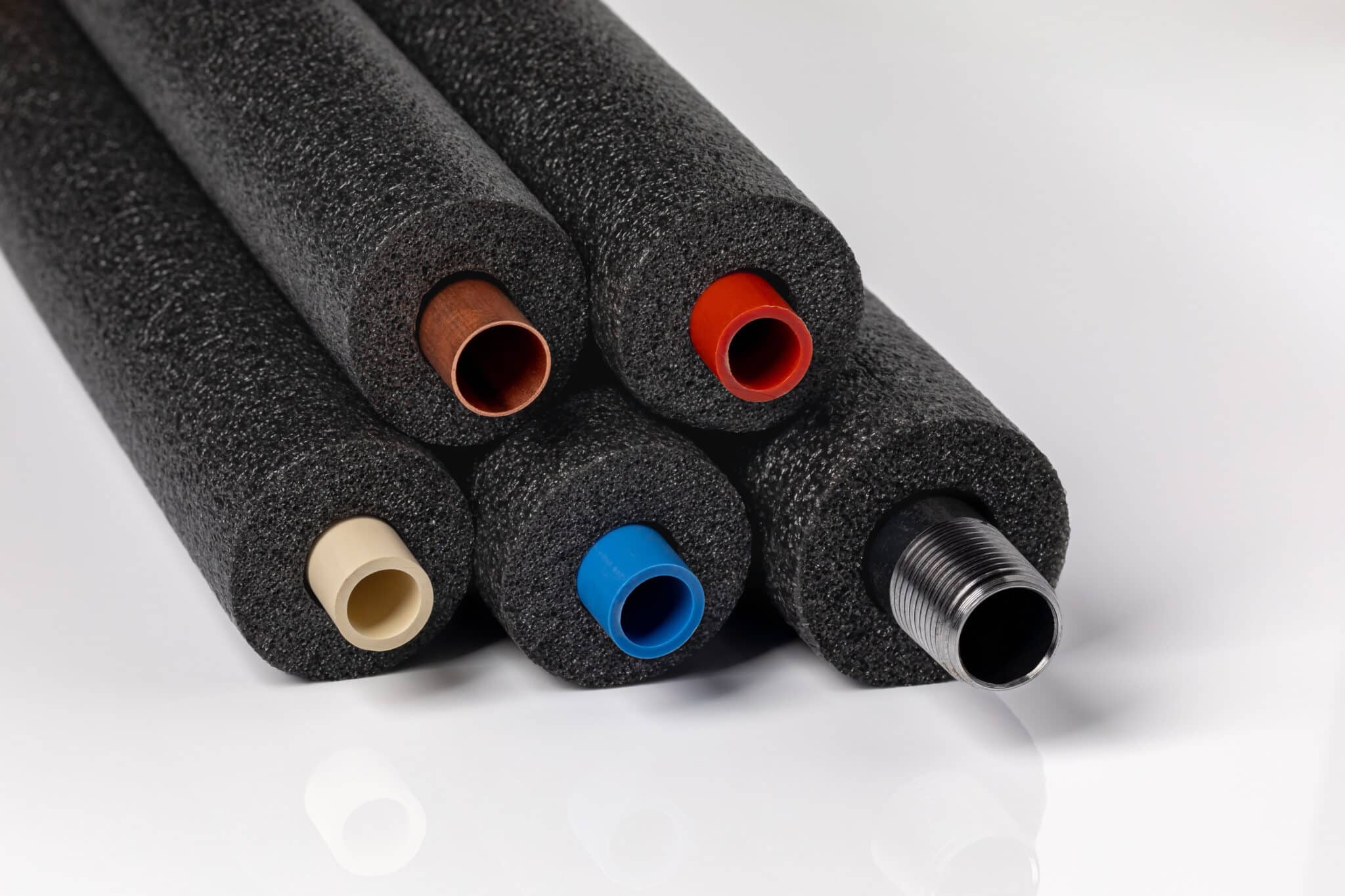
Insulated copper pipes, while more traditional, offer unmatched durability and resistance to extreme temperatures. Copper’s thermal conductivity ensures quick water heating, which can be beneficial during cold snaps. By adding insulation, these pipes provide an extra layer of protection against the cold, ensuring that your water supply remains unfrozen even in the chilliest conditions. This combination of traits positions insulated copper as a reliable choice for homeowners prioritizing long-term plumbing performance.
In conclusion, selecting the right pipe materials for winter requires a balanced consideration of flexibility, thermal properties, and durability. Whether you opt for PEX, CPVC, or insulated copper, each material offers unique benefits that can safeguard your plumbing against winter’s harshness. Homeowners in Mansfield and the surrounding areas are advised to weigh these options carefully to protect their homes from cold weather plumbing disasters. Making an informed decision now can save considerable hassle and expense when winter arrives.
Exploring PEX Pipes: A Cold-Resistant Option
When exploring the best pipe materials for winter, PEX pipes emerge as a standout option for homeowners in Mansfield and beyond. Their unique composition allows them to withstand cold temperatures without cracking or bursting. This resilience is due to the material’s ability to expand and contract as temperatures change, a critical feature during the freezing months. Homeowners in Kennedale, TX, find this flexibility particularly beneficial, as it significantly reduces the risk of water damage from burst pipes.
PEX pipes not only offer superior cold resistance but also boast an easy installation process. This advantage makes them a popular choice among DIY enthusiasts and professionals alike. Their lightweight nature and flexibility mean they can be snaked through walls and floors with minimal disruption. This ease of installation, combined with their effective performance in cold weather, makes PEX an appealing option for those in Waxahachie, TX, looking to upgrade their plumbing systems before winter sets in.
Another key benefit of PEX is its cost-effectiveness compared to other pipe materials. While providing excellent freeze resistance, PEX pipes are also more affordable than many traditional materials. This cost efficiency does not compromise on quality or durability, making PEX an economical choice for ensuring your plumbing system is prepared for the cold. Homeowners appreciate the balance between performance and price, making it a go-to material for those on a budget.
Lastly, the versatility of PEX pipes cannot be overstated. They are suitable for a wide range of applications, from hot to cold water lines, and can be used in both residential and commercial settings. Their adaptability, combined with the aforementioned benefits, positions PEX as a top contender for the best pipe materials for winter. By choosing PEX, homeowners can enjoy a worry-free winter with a reliable and efficient plumbing system in place.
The Advantages of CPVC Pipes in Freezing Temperatures
CPVC pipes shine in freezing temperatures, offering homeowners in Kennedale, TX, an excellent option for winter-proof plumbing. Their composition prevents them from becoming brittle in cold weather, a common issue with other pipe materials. This resilience makes CPVC a reliable choice for regions experiencing harsh winters. Additionally, their resistance to temperature variations ensures that water flow remains consistent, avoiding the common winter problem of reduced water pressure.
In Waxahachie, TX, the installation of CPVC pipes is straightforward, making them a preferred choice for many. The material’s lightweight nature allows for easy handling and fitting, reducing the time and effort required for installation. This ease of installation is a significant advantage, especially when preparing homes for the winter season. Homeowners can quickly upgrade their plumbing systems without extensive disruption to their daily lives.
Another standout feature of CPVC pipes is their excellent insulation properties. They help maintain water temperature, reducing the energy needed to heat water during cold months. This efficiency is crucial in winter when energy costs can skyrocket due to increased heating demands. By choosing CPVC, homeowners not only prevent freezing but also enjoy lower utility bills, making it a cost-effective solution for winter plumbing challenges.
Lastly, CPVC pipes are less likely to condensate, a feature that minimizes the risk of water damage in homes. In cold climates, condensation on pipes can lead to issues like mold and mildew, which are not only harmful to the structure but also to the residents’ health. By opting for CPVC, homeowners ensure a safer and more comfortable living environment, free from the worries of condensation-related problems.
Insulated Copper Pipes: Combining Durability with Efficiency
Insulated copper pipes stand out as an exceptional choice for homeowners aiming to combine durability with efficiency during the winter months. These pipes are known for their robustness, making them less susceptible to the damages caused by freezing temperatures. The addition of insulation enhances their performance, ensuring that water remains at a stable temperature, thus reducing the likelihood of freezing. This feature is particularly appealing to residents in Kennedale, TX, who seek reliable solutions for their plumbing needs in cold weather.
The efficiency of insulated copper pipes is not just about preventing freezing, it also involves conserving energy. By keeping water warmer for longer periods, these pipes help in lowering the heating costs that typically rise during winter. This aspect of insulated copper makes it a cost-effective option for homeowners in Waxahachie, TX, who are conscious of both performance and energy savings. The dual benefits of durability and energy efficiency make insulated copper a smart choice for winter-proofing homes.
Moreover, the longevity of insulated copper pipes is unmatched, offering homeowners a long-term solution to their plumbing requirements. Unlike other materials that might need frequent replacements due to winter damage, copper pipes, with proper insulation, can withstand harsh conditions year after year. This durability ensures that homeowners can enjoy peace of mind, knowing their plumbing system is less likely to encounter the common winter issues of bursting or freezing.
Lastly, the installation of insulated copper pipes, while requiring a professional touch, is an investment in the home’s future. The initial setup ensures a reliable plumbing system capable of handling extreme temperatures, from the cold winters in Kennedale, TX, to the varied climates elsewhere. Choosing insulated copper for your plumbing needs means opting for a blend of efficiency, durability, and long-term savings, making it an excellent material for those preparing their homes for winter.
Comparing Pipe Materials for Cold Weather Performance
When comparing pipe materials for cold weather performance, it’s essential to consider how each option stands up to the challenges of winter. PEX pipes, for instance, offer remarkable flexibility in freezing temperatures, making them less likely to burst. This characteristic is particularly valuable in Kennedale, TX, where winters can test the limits of plumbing systems. Homeowners appreciate PEX for its resilience, which ensures a reliable water supply even in the coldest months.
In contrast, CPVC pipes bring the advantage of thermal efficiency to the table. Their ability to maintain water temperature helps in reducing heating costs, a benefit that residents in Waxahachie, TX, find economical. CPVC’s resistance to temperature fluctuations also means that water pressure remains stable, a crucial aspect during winter. This combination of cost efficiency and consistent performance makes CPVC a strong contender for cold-weather plumbing.
Insulated copper pipes, on the other hand, excel in durability and energy conservation. The added insulation prevents heat loss, ensuring water stays warmer for longer periods. This feature not only prevents freezing but also contributes to lower energy bills, making insulated copper an attractive option for those looking to optimize their home’s efficiency. Its longevity and robustness guarantee that homeowners can count on insulated copper for many winters to come.
Ultimately, the choice among PEX, CPVC, and insulated copper depends on individual needs and local climate conditions. Each material offers distinct advantages, from PEX’s flexibility to CPVC’s thermal efficiency and insulated copper’s durability. Homeowners should weigh these benefits against their specific requirements to select the best pipe materials for enduring the cold weather. By doing so, they ensure their plumbing systems remain functional and efficient throughout the winter season.
Installation Tips for Cold-Resistant Pipe Materials
When considering the installation of cold-resistant pipe materials, it’s vital to account for local climate peculiarities. In Kennedale, TX, where temperatures can dip unexpectedly, ensuring that PEX pipes are adequately insulated and secured can prevent potential freeze damage. This involves wrapping the pipes in insulation foam and securing them with durable tape, a step that significantly enhances their resistance to cold snaps. Such preparation is crucial for maintaining an uninterrupted water supply during winter months.
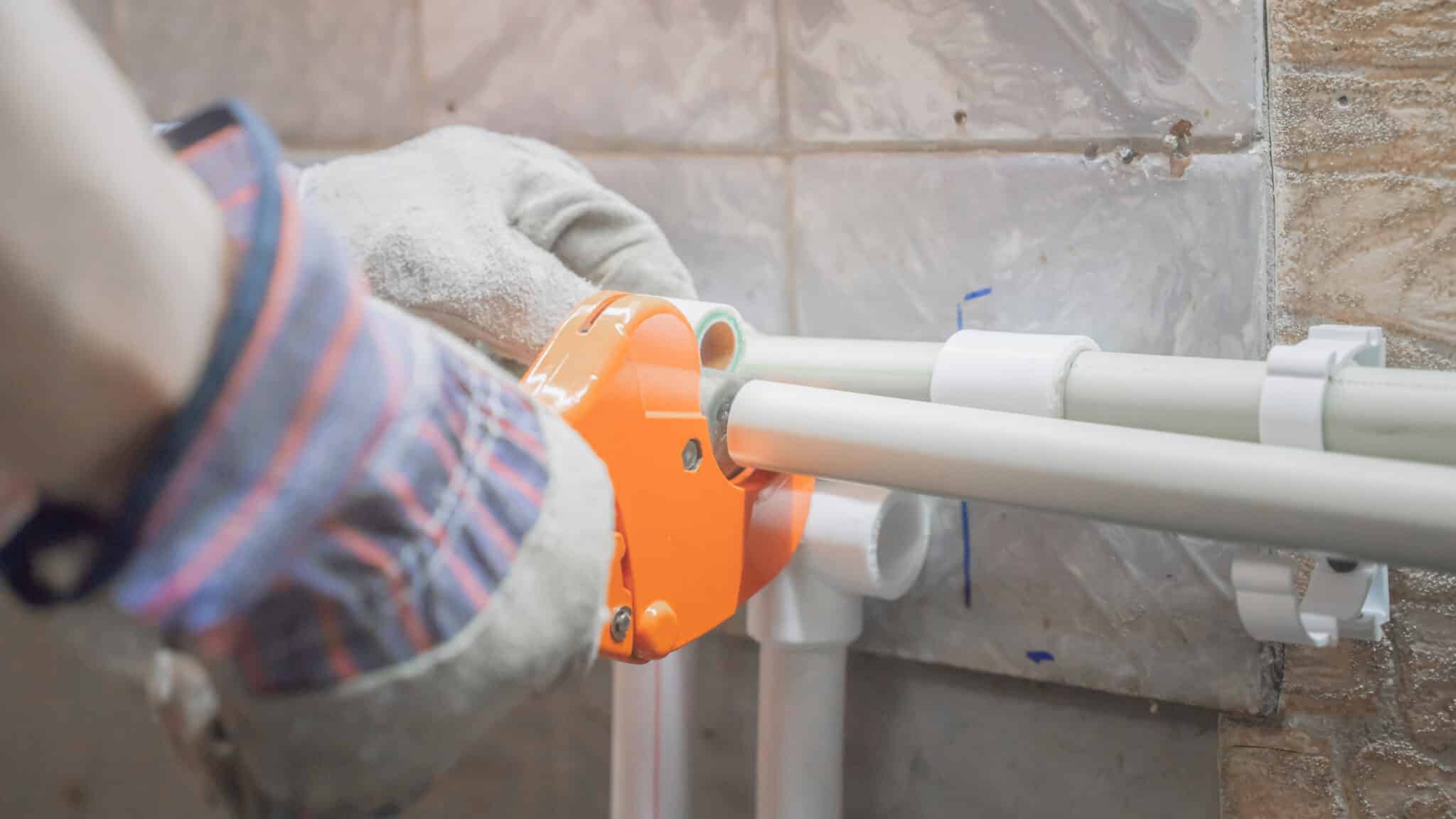
In Waxahachie, TX, homeowners opting for CPVC pipes should focus on a precise installation process. It’s essential to allow for slight expansions and contractions, which can be achieved by not over-tightening fittings. This practice ensures that CPVC pipes have enough room to adjust to temperature changes without cracking. Proper installation not only extends the lifespan of the pipes but also maintains optimal water pressure and flow.
For those choosing insulated copper pipes, professional installation is highly recommended. The process involves not just the physical laying of pipes but also ensuring that the insulation is correctly applied and secured. This step is paramount in preventing heat loss and protecting the pipes from the frigid temperatures outside. By investing in professional services, homeowners can rest assured that their plumbing system is efficiently protected against the cold.
Lastly, regardless of the pipe materials selected, regular maintenance and inspection before the onset of winter are indispensable. Checking for leaks, ensuring insulation is intact, and making necessary repairs can avert major plumbing disasters. This proactive approach is beneficial across all materials, from PEX to CPVC to insulated copper, safeguarding the home’s plumbing against the harsh winter conditions expected in both Kennedale, TX, and Waxahachie, TX.
Maintenance and Care for Winter-Proof Plumbing
As winter approaches, the importance of selecting the right pipe materials and ensuring their maintenance cannot be overstated. In Kennedale, TX, homeowners should prioritize checking their PEX, CPVC, and insulated copper pipes for any signs of wear or damage. This early detection allows for timely repairs, preventing minor issues from escalating into major problems during cold snaps. Regular inspections contribute significantly to the longevity and reliability of the plumbing system.
Ensuring your pipes are well-insulated is another crucial step in winter preparation. In Waxahachie, TX, wrapping pipes in high-quality insulation helps maintain water temperature, reducing the risk of freezing. This is particularly important for areas exposed to severe winter conditions, as it provides an additional layer of protection. Proper insulation not only guards against freezing but also contributes to energy savings by minimizing heat loss.
For homeowners with CPVC and PEX installations, verifying that the expansion and contraction due to temperature changes are accommodated is vital. Allowing for this natural movement prevents stress on the connections and potential cracks or leaks. Implementing this practice ensures that the plumbing system remains intact and operational, even when temperatures plummet. It’s a simple yet effective strategy to enhance the durability of your pipe materials.
Lastly, consulting with professionals for an annual plumbing system check-up can be incredibly beneficial. Experts can identify potential vulnerabilities in your system and recommend specific maintenance tasks tailored to your home’s needs. This professional insight is invaluable in fortifying your home against the rigors of winter, ensuring that your choice of pipe materials continues to provide reliable service throughout the season. Taking these steps guarantees peace of mind, knowing your plumbing is well-prepared for the cold.
Cost Analysis of Different Pipe Materials for Winter
When considering the cost of pipe materials for winter, it’s essential to factor in both upfront and long-term expenses. In Kennedale, TX, homeowners often find that while PEX pipes have a lower initial cost, their durability and resistance to freezing can save money over time. This makes them a cost-effective choice for those looking to minimize both installation and potential repair costs. Their easy installation process further reduces labor expenses, making them an attractive option for budget-conscious individuals.
CPVC pipes, on the other hand, offer an excellent balance between affordability and thermal efficiency. Residents in Waxahachie, TX, appreciate that CPVC not only withstands cold temperatures but also helps in conserving energy. The material’s insulation properties keep water temperatures stable, reducing the need for heating and, consequently, lowering utility bills. This aspect makes CPVC a smart investment for homeowners aiming for cost savings in the long run.
Insulated copper pipes, while more expensive upfront, excel in longevity and performance. Their robust nature means they are less likely to need replacement or repair, offering long-term savings. The insulation adds to the initial cost but pays off by ensuring water stays at a consistent temperature, further preventing freeze-related issues. Homeowners who choose insulated copper benefit from a reliable plumbing system that withstands winter’s demands with minimal maintenance.
Ultimately, selecting the right pipe materials for winter involves balancing initial costs against potential savings in maintenance and energy efficiency. Each material presents its own set of advantages, from PEX’s affordability and flexibility to CPVC’s energy conservation and insulated copper’s durability. By carefully considering these factors, homeowners can make an informed decision that aligns with their budget and climate needs, ensuring their plumbing system remains robust through the winter months.
Frequently Asked Questions
What are the best Pipe Materials for winter?
When winter hits, choosing the right pipe materials is key to prevent freezing and bursting. PEX, CPVC, and insulated copper are among the top choices for their excellent cold resistance. Each of these materials offers unique benefits in handling harsh winter conditions. Insulated copper, in particular, combines durability with superior insulation, making it a reliable option for cold climates.
How do temperatures affect pipes?
Temperatures play a crucial role in the performance of pipe materials during winter. As the mercury drops, water inside pipes can freeze, expanding and putting pressure on the material. This can lead to cracks or bursts, especially in pipes not designed for cold weather. Choosing materials like PEX, CPVC, or insulated copper helps prevent these issues, ensuring a smoother, safer winter season.
Can insulation protect pipes in winter?
Absolutely, insulation acts as a shield for pipes against the cold. It keeps the water inside from freezing by maintaining a stable temperature. This method is especially effective when combined with pipe materials like PEX, CPVC, or insulated copper. Together, they provide a robust defense against winter’s harsh conditions, ensuring your plumbing remains intact.
Which Pipe Materials are most durable?
When it comes to durability, PEX, CPVC, and insulated copper lead the pack. PEX stands out for its flexibility and resistance to cracking. CPVC offers excellent toughness in cold temperatures, preventing bursts. Insulated copper combines strength with insulation, making it a top choice for withstanding winter’s challenges.
Are certain Pipe Materials prone to freezing?
Some pipe materials are indeed more prone to freezing than others, especially in severe cold. Metal pipes, like uninsulated copper and steel, can quickly lose heat and freeze. On the other hand, materials like PEX and CPVC retain warmth better, reducing the risk. Proper insulation can further protect pipes, ensuring they stand up to winter’s chill.