


As winter approaches, homeowners in Mansfield, Kennedale, TX, and Waxahachie, TX, face the annual challenge of ensuring their plumbing systems are ready for the cold. The debate between PEX or Copper pipes becomes crucial in this context, as the right choice can significantly impact a home’s resilience to freezing temperatures. Both materials have their advocates and detractors, making the decision not as straightforward as one might think. Understanding the pros and cons of PEX or Copper is essential for those looking to upgrade or install new plumbing.
PEX, a flexible plastic piping, offers ease of installation and a lower risk of bursting when water freezes and expands inside. This feature alone makes it an attractive option for areas prone to severe winter weather. On the other hand, Copper, known for its longevity and resistance to corrosion, brings a traditional approach to plumbing that many homeowners trust. However, its rigidity and higher likelihood of freezing could pose problems during the coldest months.
The debate between PEX or Copper also extends to their durability and overall performance in a home’s plumbing system. While PEX is resistant to scale and chlorine damage, Copper pipes boast superior durability, potentially lasting for decades. These characteristics make the choice between PEX or Copper not just about winter readiness but also about long-term plumbing health.
Ultimately, the decision on whether PEX or Copper pipes are better for winter use depends on a variety of factors, including local climate conditions, budget, and specific household needs. Homeowners in Mansfield and surrounding areas must weigh the freeze resistance, durability, and installation efficiency of both options. By doing so, they can ensure their homes are well-prepared for winter’s challenges, safeguarding their comfort and plumbing systems against the harsh elements.
Understanding PEX and Copper Pipes
Understanding the nuances between PEX or Copper pipes requires a closer look at their composition and how they react to cold weather. PEX, made from a flexible plastic, can expand and contract as temperatures change, reducing the risk of cracks and bursts in freezing conditions. This makes it a favorable option for homeowners in Kennedale, TX, where winter temperatures can dip significantly. Conversely, Copper’s rigidity means it doesn’t afford the same flexibility, which can lead to issues in extreme cold.
When evaluating durability, it’s important to consider how PEX or Copper piping withstands the test of time. Copper pipes have a proven track record, often lasting 50 years or more with proper maintenance. Their resilience against bacteria and corrosion contributes to this longevity, making them a trusted choice for many. However, PEX is also durable in its own right, resistant to scale and chlorine damage, which can extend its lifespan and maintain water quality.
Installation efficiency is another critical factor in the PEX or Copper debate. The flexibility of PEX allows for quicker, more straightforward installations, often at a lower cost. This attribute is particularly beneficial in Waxahachie, TX, where homeowners might prefer less invasive and more cost-effective home improvement projects. Copper installation, while more time-consuming and expensive, is preferred by those valuing traditional methods and materials.
Ultimately, the choice between PEX or Copper pipes comes down to individual needs and preferences. Those prioritizing freeze resistance and installation ease might lean towards PEX, especially in areas prone to severe winter weather. Meanwhile, homeowners valuing longevity and a proven track record may find Copper to be the superior choice. Each material offers distinct advantages for winter plumbing, ensuring homes in Mansfield and beyond can remain safe and functional regardless of the temperature outside.
PEX or Copper: Comparing Freeze Resistance
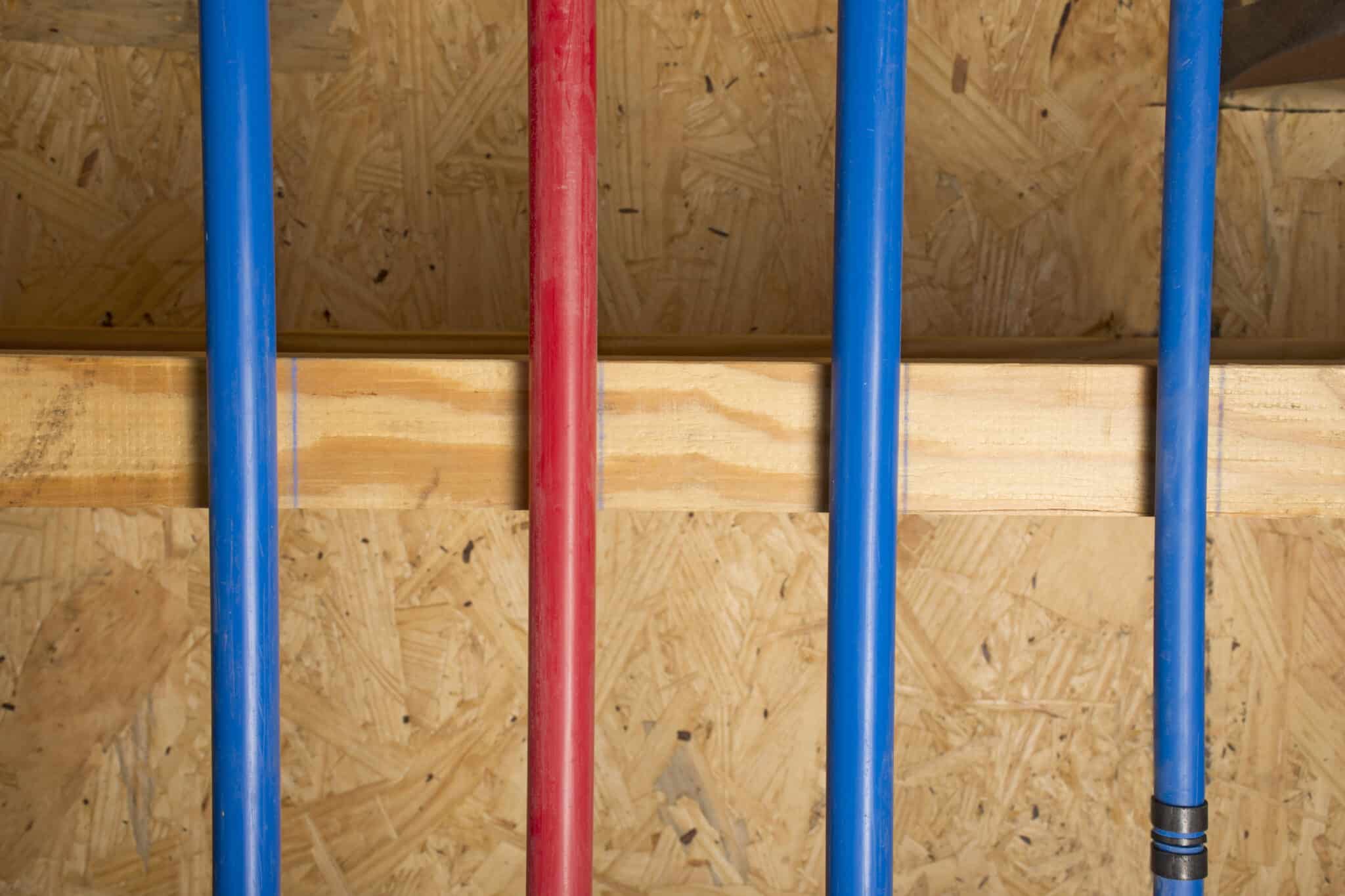
When comparing PEX or Copper in terms of freeze resistance, it’s clear that each material offers unique benefits. PEX stands out for its ability to expand and contract, accommodating the freeze-thaw cycles without cracking or bursting. This feature makes it an appealing choice for homeowners in Kennedale, TX, where winter temperatures can be unforgiving. Conversely, Copper’s rigidity can increase the risk of damage under the same conditions, requiring more preventive measures to avoid freezing.
In regions like Waxahachie, TX, where cold snaps can be sudden and severe, the flexibility of PEX provides an added layer of security against winter’s unpredictability. Its resilience under freezing conditions means water flow remains consistent, reducing the likelihood of emergency repairs. Copper, while more susceptible to freezing, benefits from its thermal conductivity, helping water within the pipes to stay above freezing temperatures longer. However, this advantage can be diminished without adequate insulation, making PEX a more foolproof option in colder climates.
Installation plays a significant role in freeze resistance, with PEX offering a distinct advantage due to its ease of installation. The ability to quickly and efficiently lay PEX piping before the onset of winter can be a game-changer for many homeowners. The material’s flexibility allows it to be snaked through walls and around corners without the need for joints, reducing potential weak points where freezing could occur. Copper, requiring more time and labor to install, might not be the best choice when time is of the essence.
Ultimately, the decision between PEX or Copper hinges on a homeowner’s specific needs and the local climate. Those living in areas prone to extreme cold might find PEX to be the superior choice for its freeze-resistant properties and ease of installation. Meanwhile, those in milder climates or who prioritize the longevity and traditional appeal of Copper might opt for this material, despite its higher susceptibility to freezing. Both materials have their place in winter plumbing, with the right choice depending on individual circumstances and preferences.
The Durability Debate: PEX vs. Copper
When discussing the durability of plumbing materials, homeowners often find themselves weighing the merits of PEX versus Copper. PEX, with its plastic composition, resists corrosion and the buildup of scale, factors that can significantly shorten the lifespan of pipes. This resistance contributes to its growing popularity among residents in Kennedale, TX, who seek reliable plumbing solutions without frequent maintenance. Copper, while susceptible to corrosion over time, impresses with its robustness and ability to last for decades under optimal conditions.
Copper’s longevity is a key factor in its favor, with some systems lasting upwards of fifty years or more. This durability stems from Copper’s inherent strength and resistance to external factors, making it a trusted choice in Waxahachie, TX, where homeowners value long-term investments. However, it’s important to note that Copper’s performance can be compromised by certain water conditions, leading to pinhole leaks and corrosion. PEX, unaffected by these conditions, maintains its integrity over time, providing a hassle-free option for modern plumbing needs.
Installation efficiency plays a crucial role in the durability debate between PEX and Copper. The ease of installing PEX, due to its flexibility, allows for quicker setup and fewer connections, reducing the likelihood of future leaks. This advantage is particularly appealing during renovations or when updating plumbing systems to withstand winter conditions. Conversely, Copper requires more labor-intensive installation, including soldering joints and securing the piping in place, which can introduce potential failure points.
Ultimately, the choice between PEX or Copper hinges on the homeowner’s priorities, whether they lean towards the longevity and tradition of Copper or the modern, maintenance-free appeal of PEX. Each material presents its own set of advantages in terms of durability, with PEX offering resilience against common issues that affect Copper. By considering the specific needs of their home and local climate, homeowners can make an informed decision, ensuring their plumbing system remains robust and reliable for years to come.
Installation Efficiency: A Key Factor
When considering the installation efficiency of PEX or Copper, one must take into account the specific needs of a project. PEX shines in this area due to its flexibility, allowing for a quicker and less labor-intensive setup. This is particularly advantageous in Kennedale, TX, where homeowners may seek to minimize disruption during plumbing upgrades. The ease of PEX installation can significantly reduce the overall project timeline, making it a preferred choice for many.
On the other hand, Copper requires a more traditional approach to installation, involving soldering and securing the pipes in place. This method can be more time-consuming and requires a higher level of skill, potentially increasing the cost of labor. However, in Waxahachie, TX, the durability and longevity associated with Copper might justify the additional effort and expense. Homeowners who prioritize these aspects may find Copper’s installation process a worthwhile investment.
The decision between PEX or Copper often comes down to weighing the benefits of quick and efficient installation against the desire for a time-tested and durable plumbing solution. PEX offers an appealing option for those looking to save time and reduce complexity during the installation process. Its ability to be easily maneuvered and installed without the need for numerous fittings can also lower the risk of future leaks, adding to its efficiency.
Ultimately, the choice between PEX or Copper hinges on personal preferences, project timelines, and budget considerations. While PEX provides a more straightforward and less invasive installation, Copper offers a sense of reliability and tradition that many homeowners value. By carefully considering these factors, individuals can select the material that best aligns with their winter plumbing needs, ensuring a well-functioning system ready to withstand the challenges of the season.
Cost Analysis: PEX and Copper in Winter Conditions
When evaluating the cost of PEX or Copper for winter conditions, homeowners in Kennedale, TX, should consider initial outlay versus long-term savings. PEX tends to be more affordable upfront, largely due to its simpler installation process. This can translate into significant cost reductions, especially in larger or more complex plumbing projects. Additionally, the lower likelihood of freeze-related damages with PEX could lead to fewer repair expenses over time.
Conversely, Copper, while typically more expensive at the outset, offers unmatched durability that might justify its higher cost for some in Waxahachie, TX. The material’s resistance to corrosion and long lifespan can mean fewer replacements and repairs, potentially offsetting the initial investment. However, in colder climates, the added expense of insulating Copper pipes to prevent freezing could increase overall costs. This factor is crucial for homeowners to consider when planning their winter plumbing upgrades.
The choice between PEX or Copper also impacts maintenance costs under winter conditions. PEX’s flexibility and resistance to freeze-induced damage reduce the need for emergency repairs during cold snaps. This advantage can lead to considerable savings, as emergency plumbing services often come at a premium. Homeowners prioritizing low maintenance and repair costs might find PEX to be the more economical option in the long run.
Ultimately, the decision between PEX or Copper should factor in both immediate and future financial considerations. While PEX offers a cost-effective solution with minimal maintenance requirements, Copper stands out for its longevity and potential for long-term savings. By carefully weighing these aspects, homeowners can make an informed choice that aligns with their budget and ensures their plumbing system is prepared for winter’s challenges.
Environmental Considerations for PEX and Copper Pipes
When considering the environmental impact of plumbing materials, the debate between PEX or Copper takes on new dimensions. In Kennedale, TX, eco-conscious homeowners are increasingly examining the sustainability of their choices. PEX, being a plastic product, raises concerns about its production and disposal impact on the environment. However, its durability and less frequent need for replacement can mitigate some of these concerns.
Copper, on the other hand, is a natural material known for being recyclable, which appeals to those in Waxahachie, TX, looking for green building options. The recycling process for Copper is efficient, allowing it to be reused without losing its properties. This aspect makes Copper a favorable choice for those prioritizing environmental sustainability. Yet, the mining and refining process of Copper can be energy-intensive, which is a factor to consider.
The installation process also plays a role in the environmental footprint of PEX or Copper. PEX’s flexibility and ease of installation mean less energy consumption during the setup phase. This efficiency reduces the overall carbon footprint associated with the installation of new plumbing systems. It’s a point worth considering for those aiming to minimize their environmental impact.
Ultimately, the choice between PEX or Copper involves weighing their environmental impacts alongside other factors like durability, cost, and climate suitability. Both materials have their advantages and drawbacks from an environmental perspective. Homeowners must balance these considerations with their personal values and the specific needs of their homes to make the most sustainable choice.
Maintenance and Repair: PEX vs. Copper in Winter
When winter sets in, the maintenance and repair considerations for PEX or Copper become pivotal for homeowners. In Kennedale, TX, those with PEX piping often enjoy less worry about freeze-related repairs. This is because PEX’s flexibility allows it to expand and contract with temperature changes, reducing the risk of bursts. Copper, while durable, may require more attention to prevent freezing, necessitating added insulation.
In Waxahachie, TX, the ease of repairing PEX also stands out. Homeowners can quickly address issues due to the material’s modular design, making repairs simpler and less invasive. Conversely, repairing Copper often involves soldering, which can be more complex and time-consuming. This distinction is crucial for those seeking minimal downtime in their plumbing systems during cold months.
The longevity of Copper means it might not need repairs as often as other materials, provided it’s properly installed and insulated. However, when repairs are necessary, they can be more costly due to the specialized skills required. On the other hand, PEX offers a cost-effective solution for both installation and maintenance, appealing to budget-conscious homeowners. This balance between upfront costs and long-term maintenance needs is a key factor in the PEX or Copper decision.
Ultimately, the choice between PEX or Copper for winter use hinges on a homeowner’s priorities regarding maintenance, repair, and overall resilience to cold weather. While PEX provides a robust defense against freezing temperatures with easier maintenance, Copper offers unmatched longevity with a higher maintenance skill requirement. Homeowners must weigh these factors carefully to ensure their plumbing systems remain functional and efficient through the winter season.
Choosing the Right Pipes for Your Home
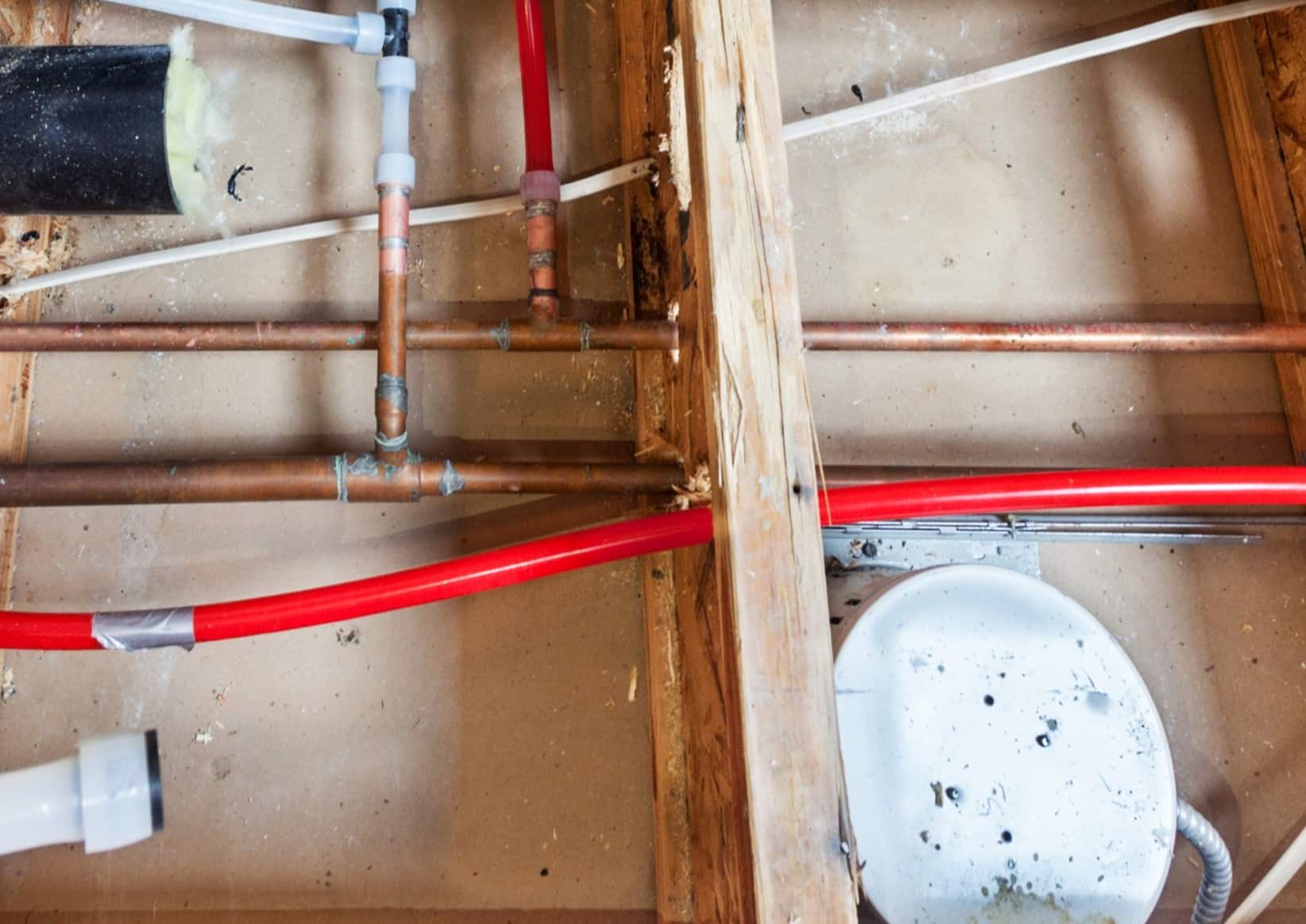
When deciding between PEX or Copper for your home, it’s crucial to consider the unique conditions of your local climate. In Kennedale, TX, where winters can be unpredictable, PEX offers superior freeze resistance, making it an ideal choice for many. Its ability to expand and contract means homeowners face fewer risks of burst pipes during cold snaps. This characteristic alone can provide peace of mind through the winter months.
On the other hand, residents of Waxahachie, TX, might lean towards Copper for its long-standing reputation for durability and minimal environmental impact. Copper’s recyclability appeals to those looking to make eco-friendly choices. Despite its higher upfront cost, Copper’s longevity ensures it remains a cost-effective option over time. It’s a testament to traditional plumbing practices, valued for its strength and reliability.
Installation considerations also play a significant role in choosing between PEX or Copper. PEX’s flexibility allows for easier and quicker installation, reducing labor costs and disruption to your home. This advantage is particularly appealing for those looking to upgrade their plumbing systems efficiently. Moreover, the ease of handling PEX makes it a practical choice for tight spaces and complex layouts.
Ultimately, the decision between PEX or Copper depends on your specific needs, preferences, and local climate conditions. Whether you prioritize ease of installation, environmental sustainability, or durability, both materials offer distinct benefits. By carefully weighing these factors, homeowners can make an informed choice that ensures their plumbing system is well-suited to withstand winter challenges and serve their household for years to come.
Frequently Asked Questions About PEX or Copper
Which is more durable in cold climates, PEX or Copper?
In cold climates, PEX pipes outshine copper in durability. They expand to accommodate frozen water, reducing the risk of bursting. Copper, while strong, can split if water freezes inside. This makes PEX a more reliable choice for areas facing harsh winters, ensuring a resilient plumbing system against freezing temperatures.
How do PEX pipes handle freezing temperatures?
PEX pipes excel in freezing temperatures due to their flexibility. They can expand when water inside them freezes, then contract as it thaws. This unique feature greatly reduces the chance of bursting, a common issue in colder climates. By choosing PEX over copper, homeowners ensure a more resilient plumbing system during the winter months.
Can copper pipes burst in winter?
Yes, copper pipes can burst in winter if the water inside them freezes. The rigid nature of copper does not allow it to expand like PEX, leading to splits and leaks. This risk makes it essential for homeowners to take preventive measures in cold climates. Insulating copper pipes is one way to reduce the chances of bursting during freezing temperatures.
What are the installation costs for PEX or Copper?
When comparing the installation costs of PEX or copper, PEX often comes out ahead as the more budget-friendly option. Its flexibility allows for quicker, easier installation, reducing labor time and expenses. Copper, on the other hand, requires more time and skill to install, leading to higher overall costs. Homeowners looking to save on installation while ensuring reliable plumbing in winter might prefer PEX.
Is PEX safe for drinking water?
PEX is recognized for its safety in carrying drinking water. It meets strict health standards set by regulatory bodies. This ensures the water that flows through PEX pipes remains free from contaminants. Homeowners can trust in PEX for a clean and safe water supply.