


Have you ever found yourself standing in front of the kitchen sink, watching the water slowly swirl away far longer than it should? This common household issue can be a source of frustration for many, including residents of Mansfield and beyond. Whether you’re in Kennedale or Waxahachie, the slow-draining sink phenomenon is universally annoying. Understanding the reasons behind this can help alleviate the problem and prevent future occurrences.
Often, the culprit behind a slow-draining kitchen sink is as simple as grease buildup. Over time, cooking oils and fats that are washed down the sink congeal and stick to the pipes, restricting water flow. This issue isn’t unique to any one area, it’s a widespread problem that affects households everywhere. Regular maintenance can help, but sometimes the buildup is too great and requires professional intervention.
Another common cause is the accumulation of food debris. Even with a strainer in place, small particles can get through, gradually clogging the pipes. This can be particularly problematic in areas with hard water, like many parts of Mansfield. The minerals in the water can exacerbate the blockage, making it even harder for water to pass through.
Lastly, issues with the vent pipe or deeper sewer line problems can also lead to a kitchen sink that takes forever to drain. These issues are more complex and often require the expertise of a professional plumber. Whether you’re dealing with the immediate annoyance of a slow-draining sink in Kennedale or the potential for larger plumbing issues in Waxahachie, understanding these common causes is the first step towards resolution.
The Role of Grease Buildup in Slow Draining Sinks
Grease buildup plays a significant role in slowing down your kitchen sink’s drainage. When you wash dishes, grease and oil from food slide down the drain. Over time, these substances cool, harden, and stick to the inner walls of your pipes. This creates a barrier that slows down water flow, leading to the frustrating waits at the sink.
In Mansfield, the fight against grease accumulation is ongoing. Homeowners often don’t realize the impact of pouring cooking oil down the drain. Small efforts, like wiping down greasy pans with a paper towel before washing, can make a big difference. These actions help prevent the grease from ever reaching the sink, addressing the problem at its source.
Professional plumbers have tools and techniques to tackle severe grease buildup. They use specialized equipment to clear out the pipes, restoring proper flow to your kitchen sink. Regular maintenance, including professional cleaning, can prevent the buildup from reaching a critical point. This proactive approach saves time and money in the long run, ensuring your sink drains efficiently.
Residents of Kennedale and Waxahachie can attest to the benefits of keeping their kitchen sinks free from grease. A little awareness and preventive maintenance go a long way in avoiding the nuisance of a slow-draining sink. By understanding the role of grease buildup, homeowners can take effective measures to ensure their kitchen sinks remain clear and fully functional.
How Food Debris Contributes to Clogged Pipes
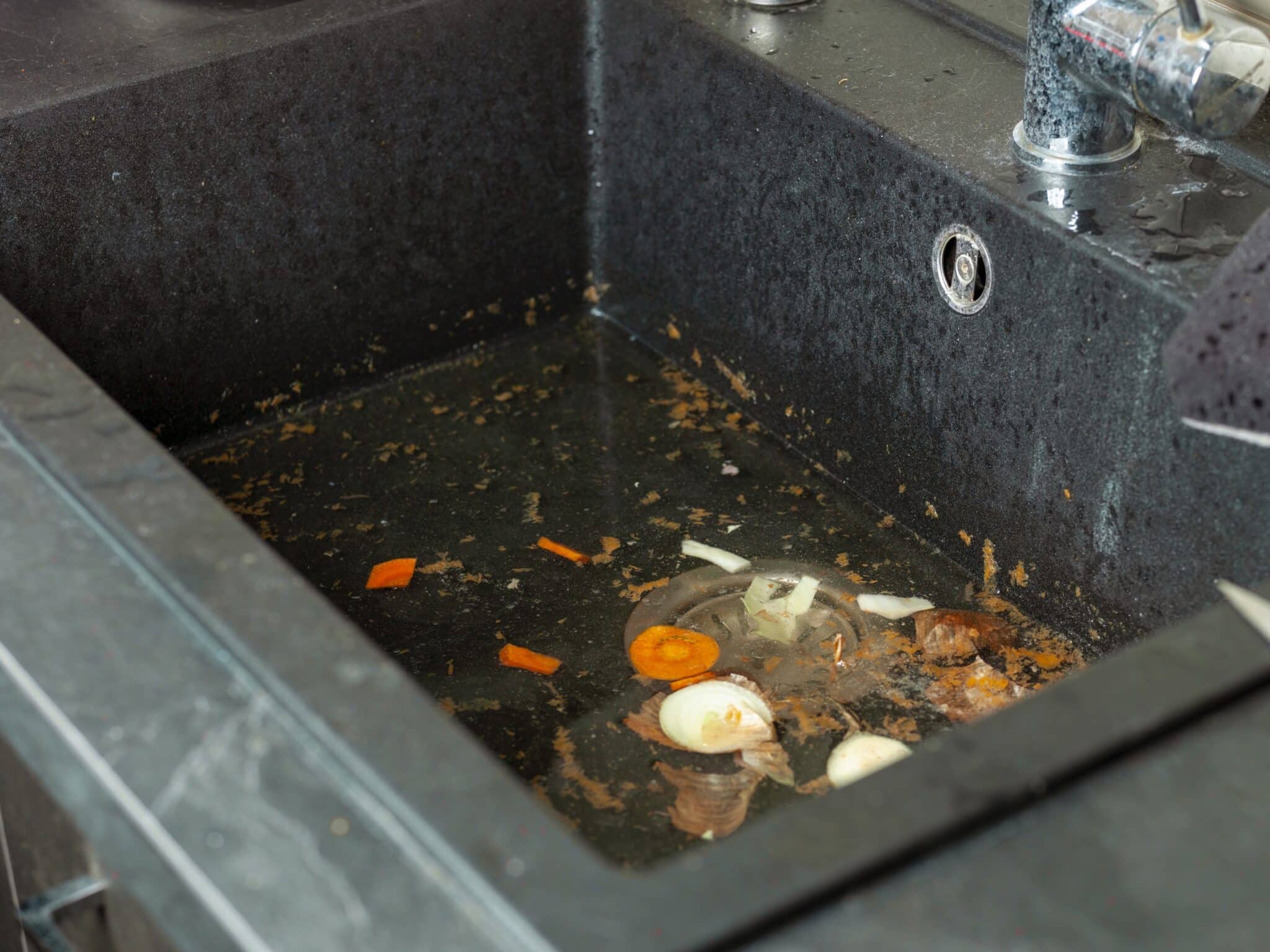
Just as grease can clog your kitchen sink, food debris plays a significant role in slowing down drainage. When washing dishes or disposing of leftovers, small food particles often escape down the drain. Over time, these particles accumulate, forming blockages that impede water flow. This issue can become particularly troublesome in areas with hard water, which Mansfield is known for.
Using a strainer might seem like an effective solution, but even the finest mesh can’t catch every particle. Tiny bits of food can sneak through, sticking to the pipes and gradually building up. This is why it’s crucial to scrape plates thoroughly into the trash before they reach the sink. Such simple habits can drastically reduce the risk of clogs and ensure smoother drainage.
For those in Kennedale, the impact of food debris on their kitchen sinks cannot be underestimated. Regular cleaning and mindful disposal of food waste can help maintain clear pipes. However, when blockages do occur, it’s often necessary to seek professional help. Plumbers have the tools and expertise to remove these clogs, restoring your sink’s functionality.
Waxahachie residents, like their neighbors, face the challenge of keeping their kitchen sinks clear. Preventive measures, such as using sink strainers and avoiding the disposal of food waste down the drain, are essential. By addressing the problem of food debris, homeowners can enjoy a kitchen sink that drains quickly and efficiently, avoiding the frustration of slow drainage.
The Impact of Vent Pipe Issues on Your Kitchen Sink
When considering the efficiency of your kitchen sink, vent pipe issues can significantly hinder water flow, leading to frustrating delays in drainage. A vent pipe, crucial for maintaining proper air pressure in your plumbing system, ensures water moves smoothly through the pipes. If this vent becomes clogged or damaged, it disrupts the air balance, causing water to drain slower than usual. Residents in Kennedale might notice their kitchen sink taking longer to clear, signaling a potential vent pipe problem.
In addition to affecting water flow, a malfunctioning vent pipe can also lead to unpleasant odors emanating from your kitchen sink. These odors are a result of sewer gases not being properly vented outside, accumulating instead within your home. It’s a clear indication that the vent pipe is not performing its intended function. Homeowners in Waxahachie experiencing these symptoms should consider inspecting their vent pipes for blockages or seeking professional help.
Regular maintenance is key to preventing vent pipe issues from affecting your kitchen sink’s drainage. Simple checks and clearing any visible obstructions can save a lot of time and discomfort. However, some blockages or damages might not be easily accessible or identifiable by homeowners. In such cases, calling in a professional plumber to assess and rectify the situation becomes essential.
Ultimately, understanding the role of vent pipes in your plumbing system can greatly improve the functionality of your kitchen sink. By ensuring these pipes are clear and in good condition, you can avoid the common problem of slow drainage. Whether you’re in Mansfield or the surrounding areas, keeping an eye on your plumbing vent system can lead to a more efficient and pleasant kitchen experience.
Deeper Sewer Line Problems Affecting Sink Drainage
Beyond the immediate plumbing fixtures, deeper sewer line problems can also impact the efficiency of your kitchen sink’s drainage. Over time, sewer lines can become obstructed by tree roots, debris, or even collapse, leading to significant blockages. These issues not only slow down your kitchen sink but can also affect the overall plumbing system in your home. Residents in Mansfield may find that what seems like a minor inconvenience could actually indicate a more serious sewer line condition.
Identifying these deeper issues requires a keen eye and sometimes the expertise of a professional plumber. Symptoms such as consistently slow drainage across multiple fixtures, not just the kitchen sink, or water backing up in other areas of the house, suggest a problem beyond the immediate pipes. Homeowners in Kennedale should be aware that these signs warrant a closer inspection of their sewer lines to prevent further damage and ensure efficient drainage.
Addressing sewer line problems often involves specialized equipment and techniques. Plumbers might use cameras to inspect the lines, identifying the exact location and nature of the blockage or damage. This targeted approach allows for more effective solutions, minimizing the impact on your home and ensuring that your kitchen sink and other fixtures drain properly. It underscores the importance of professional intervention when dealing with complex plumbing issues that go beyond the surface.
Preventive measures, such as regular inspections and mindful disposal of waste, can help mitigate the risk of sewer line problems. However, Waxahachie residents should remember that some factors, like tree root intrusion, are beyond their control. In such cases, early detection and professional repair are key to maintaining a functional plumbing system and ensuring that your kitchen sink drains without delay.
Simple DIY Fixes for a Slow-Draining Kitchen Sink
After understanding the common causes of a slow-draining kitchen sink, it’s empowering to know there are simple DIY fixes you can apply. One effective method is using a mixture of baking soda and vinegar. Pour half a cup of baking soda followed by half a cup of vinegar down the drain. This natural combination fizzes up, helping to break down grease and food debris without harsh chemicals.
Once the fizzing stops, boiling water acts as the next step in clearing your kitchen sink. Pouring it down the drain helps flush out the loosened debris. This method is particularly useful in Mansfield, where hard water can contribute to the buildup. Regularly performing this simple maintenance can prevent clogs from forming, keeping water flowing smoothly.
For blockages beyond the reach of boiling water and vinegar, a plunger can be a handy tool. Position it over the drain and use firm, consistent pressure to dislodge any blockages. Residents in Kennedale might find this method especially useful for immediate relief from a slow-draining sink. It’s a quick and easy solution that requires minimal effort and no special skills.
In cases where a plunger doesn’t resolve the issue, a plumber’s snake or drain auger can be the next step. This tool allows you to reach deeper into the pipes to remove clogs. Waxahachie homeowners can easily rent or purchase a plumber’s snake from local hardware stores. Using it requires a bit of patience and careful maneuvering to avoid damaging the pipes, but it’s highly effective for stubborn blockages.

When to Call a Professional for Your Kitchen Sink Issues
While DIY methods can offer temporary relief for your kitchen sink woes, certain situations demand the expertise of a professional plumber. If you’ve tried the baking soda and vinegar trick without success, it might indicate a more severe blockage or an underlying issue that requires specialized attention. Homeowners in Kennedale should consider this a sign to seek professional help, ensuring their kitchen sink returns to optimal functionality.
Sometimes, the problem with a kitchen sink extends beyond simple clogs to issues with the plumbing system itself. If you notice water backing up regularly or bad odors emanating from the sink, these could be symptoms of deeper sewer line problems. Residents in Waxahachie facing such challenges will benefit from the comprehensive diagnostic tools and solutions a professional plumber can provide, avoiding further damage and ensuring a properly functioning kitchen sink.
Choosing to call in a professional can also save time and prevent potential mishaps that might occur from attempting more complex repairs on your own. A qualified plumber has the tools, knowledge, and experience to diagnose and fix kitchen sink issues efficiently. This expertise is invaluable, especially when dealing with persistent or complicated problems that DIY methods cannot address.
Ultimately, understanding when to call a professional for your kitchen sink issues is crucial for maintaining a healthy plumbing system. Whether it’s a stubborn clog that won’t clear or signs of a more serious problem, professional intervention can provide peace of mind and prevent future complications. By recognizing the limits of home remedies, homeowners can ensure their kitchen sink remains in good working order, supporting the daily routines of families in Mansfield and beyond.
Preventative Measures to Keep Your Sink Draining Smoothly
To keep your kitchen sink draining smoothly, regular maintenance is key. By periodically checking for signs of buildup or blockages, you can prevent issues before they escalate. Residents in Kennedale can make this a part of their routine cleaning schedule. This proactive approach helps avoid the frustration of a slow-draining sink.
Another effective preventative measure is to be mindful of what goes down your kitchen sink. Avoid disposing of grease, coffee grounds, and food scraps in the drain. For those living in Mansfield, installing a sink strainer can catch debris, making it easy to dispose of properly. This simple habit can significantly reduce the risk of clogs.
Flushing your kitchen sink with hot water weekly can also help maintain clear pipes. The hot water helps dissolve any fatty substances that could start to build up. People in Waxahachie might find this especially beneficial, as it’s a quick and easy method to incorporate into their cleaning routines. It’s an effective way to keep water flowing freely.
Lastly, consider using natural cleaners like baking soda and vinegar regularly to keep your pipes clean without harsh chemicals. This not only ensures your kitchen sink remains clear but also protects the environment. It’s a safe and eco-friendly solution that supports the overall health of your plumbing system. By adopting these habits, you can enjoy a fully functional kitchen sink without unnecessary delays.
Understanding the Plumbing System Behind Your Kitchen Sink
To truly grasp why your kitchen sink might be draining slowly, it’s essential to understand the complex plumbing system it’s a part of. Pipes, vents, and traps all work in unison to ensure water flows smoothly. In Kennedale, homeowners might not realize that a blockage in one part can affect the entire system’s efficiency. Regular checks can help identify issues early, preventing slow drainage.
The vent system plays a pivotal role in maintaining the water flow through your kitchen sink. If vents are blocked, air pressure within the pipes can disrupt water movement. Residents in Waxahachie should be aware that even if their sink appears clear, vent issues can still cause slow drainage. Clearing these vents can significantly improve sink performance.
Another key component is the trap, which is designed to catch debris and prevent sewer gases from entering the home. However, traps can become clogged, leading to slow draining sinks. By routinely cleaning these traps, you can ensure they perform their function without hindering water flow. This simple maintenance task can make a big difference in how well your kitchen sink drains.
Understanding the interconnectedness of your plumbing system highlights the importance of comprehensive care. Whether it’s the pipes, vents, or traps, each part needs to be in good working order for your kitchen sink to drain efficiently. Adopting a proactive approach to plumbing maintenance can save you from the hassle of a slow-draining sink, keeping your home’s plumbing system in top condition.
Frequently Asked Questions
What causes slow draining sinks?
Slow draining sinks often result from grease buildup, trapping water in your kitchen sink. Food particles can also block the pipes, causing water to back up. Sometimes, vent pipe issues restrict airflow, further slowing drainage. In more severe cases, deeper sewer line problems might be the culprit, limiting water flow significantly.
How can I unclog my kitchen sink?
To unclog your kitchen sink, start by pouring boiling water down the drain. If that doesn’t work, try using a plunger to dislodge any blockages. For tougher clogs, a mixture of baking soda and vinegar can help break down the buildup. Always remember, regular maintenance can prevent these issues from recurring.
What tools are needed for sink maintenance?
For basic kitchen sink maintenance, a plunger is essential for dealing with minor clogs. A plumber’s snake can tackle tougher blockages, reaching deeper into the drain. Regular cleaning benefits from a brush or a mixture of baking soda and vinegar to remove buildup. Lastly, having a wrench handy allows for tightening any loose fittings, ensuring everything stays in place.
Can a kitchen sink drain be improved?
Yes, improving a kitchen sink drain is possible with a few steps. Regular cleaning with a mixture of baking soda and vinegar can prevent clogs. Installing a strainer helps catch food particles before they enter the pipes. Also, professional plumbers can inspect and fix any underlying issues, ensuring smooth water flow.
Should I use chemicals in my kitchen sink?
Using chemicals in your kitchen sink can seem like a quick fix, but it’s not always the best choice. These solutions can damage your pipes over time, leading to bigger problems. Instead, try natural methods or mechanical tools to clear blockages. For persistent issues, seeking professional help from a plumber is a safer and more effective solution.