


In the bustling city of Mansfield, where industry and progress converge, the spotlight on industrial water treatment has never been brighter. With growing environmental concerns and stringent regulations, industries are seeking innovative solutions to treat wastewater effectively. This quest has led to the adoption of advanced technologies that not only enhance water quality but also ensure sustainable practices. It’s an exciting time for environmental stewardship, as these advancements promise a cleaner, more efficient future.
Kennedale, a stone’s throw away from Mansfield, is witnessing a similar transformation. Here, the focus is on integrating smart monitoring tools that offer real-time data on water quality, allowing for immediate adjustments. This leap in technology not only optimizes the treatment process but also significantly reduces waste, marking a pivotal shift in how industries approach water management. The adoption of these smart tools is a testament to the commitment towards environmental conservation and operational efficiency.
Meanwhile, in Waxahachie, the narrative is about embracing cutting-edge purification technologies. These innovative systems are setting new standards in removing contaminants, showcasing the potential to reclaim and reuse wastewater in ways previously deemed impossible. This not only conserves precious water resources but also opens up new avenues for industries to operate more sustainably. The impact of these technologies on industrial water treatment is profound, offering a glimpse into a future where water scarcity is less of a threat.
As we delve deeper into the world of industrial water treatment, it’s clear that the combination of advanced filtration systems, smart monitoring, and innovative purification technologies is revolutionizing the field. These developments are not just about meeting regulatory requirements; they’re about safeguarding our planet’s most vital resource. With each step forward, industries in Mansfield, Kennedale, and Waxahachie are contributing to a sustainable future, proving that with the right technology, protecting our water resources is well within our reach.
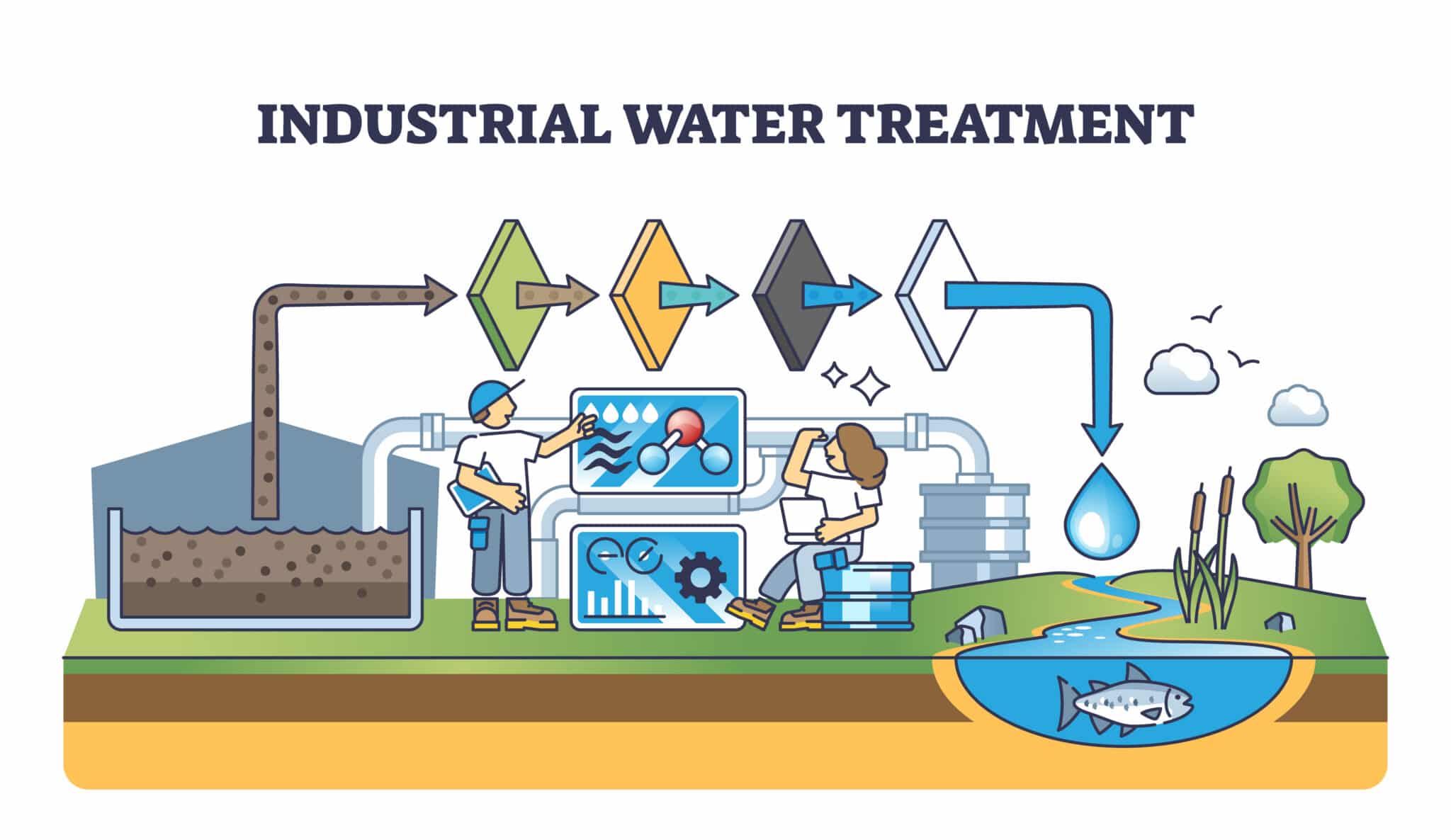
The Role of Advanced Filtration in Industrial Water Treatment
Advanced filtration systems play a crucial role in enhancing industrial water treatment processes. These systems are designed to remove fine particulate matter and other impurities from wastewater efficiently. As a result, industries in Mansfield can achieve higher water quality, meeting both environmental standards and operational needs. This marks a significant step towards more sustainable industrial practices.
In Kennedale, companies are incorporating these advanced filtration technologies to tackle a wide range of contaminants. By doing so, they not only protect local water resources but also reduce the burden on municipal water treatment facilities. This collaborative effort between industries and communities underscores the importance of adopting modern solutions for environmental conservation. It’s a proactive approach that benefits everyone involved.
Moreover, the adoption of these systems contributes to the circular economy by enabling the reuse of treated wastewater. In Waxahachie, for instance, industries are using reclaimed water for various non-potable applications, thus conserving fresh water. This not only demonstrates the versatility of advanced filtration but also highlights its role in promoting sustainable water management. It’s an inspiring example of how technology can turn waste into a valuable resource.
Overall, the integration of advanced filtration in industrial water treatment is transforming how industries manage and utilize water. These technologies offer a more efficient, cost-effective, and environmentally friendly approach to treating wastewater. As more industries embrace these solutions, the positive impact on water conservation and quality will continue to grow. It’s a promising development for the future of industrial water treatment.
Smart Monitoring Tools: A Game-Changer for Efficiency
In the realm of industrial water treatment, smart monitoring tools are emerging as a pivotal innovation. These systems empower Mansfield’s industries with the ability to track water quality in real time. This capability facilitates immediate adjustments to the treatment process, ensuring optimal efficiency. As a result, companies can maintain high standards of water purity with unprecedented precision.
Kennedale’s industrial sector is also reaping the benefits of these technological advancements. By integrating smart monitoring tools, businesses can detect and address issues before they escalate. This proactive approach not only safeguards water quality but also minimizes the risk of costly downtime. It’s a strategy that enhances both environmental stewardship and operational reliability.
Waxahachie industries are taking it a step further by leveraging data analytics alongside smart monitoring. This integration offers deep insights into water usage patterns and treatment efficiency. Such analytics enable companies to refine their processes, leading to significant water and energy savings. It exemplifies how technology can drive sustainability in industrial water treatment.
Overall, the adoption of smart monitoring tools is a game-changer for the industry. It provides a clear path to more efficient, effective, and environmentally friendly water treatment methods. As these technologies become more widespread, they promise to transform industrial water management. It’s a development that positions the sector for a future where water resources are managed with the utmost care and efficiency.
The Impact of AI and Machine Learning on Water Quality
The integration of AI and machine learning into industrial water treatment marks a significant leap forward for industries in Mansfield. These technologies are enhancing the precision and efficiency of water quality analysis. Now, companies can predict contamination events before they happen, allowing for preemptive measures. This proactive approach not only maintains high water purity but also significantly reduces the need for extensive remediation efforts.
In Kennedale, AI-driven solutions are streamlining the treatment process by learning from vast amounts of data. This ability to analyze and adapt to water quality changes in real-time is revolutionizing how industries manage their wastewater. By automating the detection of contaminants, industries can focus on other critical aspects of their operations, ensuring a seamless treatment process. It’s a smart investment towards sustainability and operational excellence.
Waxahachie is witnessing the benefits of machine learning in optimizing water usage and treatment cycles. These intelligent systems identify patterns and inefficiencies, suggesting improvements that save water and energy. Such innovations are not just about compliance with regulations; they’re about setting new standards in environmental stewardship. It’s an inspiring example of how technology can make industrial water treatment more sustainable and cost-effective.
Overall, the impact of AI and machine learning on industrial water treatment is profound. These technologies are empowering Mansfield and surrounding cities to protect water resources more effectively than ever before. As industries adopt these advanced tools, the future of water treatment looks promising. It’s a testament to how innovation can drive progress towards a more sustainable and efficient world.
Industrial Water Treatment and Resource Protection
Industrial water treatment is not just about meeting current needs; it’s about ensuring the future of our water resources. In Mansfield, the focus is on how these technologies not only treat but also protect water. By removing harmful contaminants before they reach our rivers and lakes, we’re safeguarding aquatic ecosystems. This approach demonstrates a commitment to preserving nature for generations to come.
In Kennedale, industries are exploring ways to minimize water withdrawal from natural sources. By recycling and reusing treated wastewater, they significantly reduce environmental impact. This practice not only conserves water but also lessens the strain on municipal treatment facilities. It’s a step towards a more sustainable and responsible use of our water resources.
Meanwhile, Waxahachie’s efforts in enhancing water treatment processes contribute to the overall health of local water bodies. By implementing stringent purification standards, they ensure that water returned to the environment is clean and safe. This not only benefits aquatic life but also supports community health and well-being. It’s an example of how industrial activities can coexist with environmental stewardship.
Overall, the advancements in industrial water treatment are a beacon of hope for water resource protection. As these technologies become more integrated into industry practices, the positive impact on our environment will continue to grow. It’s a testament to the power of innovation in solving some of our most pressing environmental challenges. With each step forward, we’re moving closer to a future where our water resources are treated with the care and respect they deserve.

Nanotechnology: The Future of Water Purification
Nanotechnology is setting a new benchmark in the realm of industrial water treatment, especially in Mansfield. This innovative approach employs tiny particles to target and remove contaminants more efficiently than traditional methods. As these nanoparticles bind with pollutants, they render them harmless, revolutionizing the way industries treat wastewater. This advancement not only boosts the purity level of water but also enhances the sustainability of treatment processes.
In Kennedale, industries are beginning to embrace the potential of nanotechnology in their water treatment systems. By integrating these microscopic warriors, they can tackle even the most stubborn contaminants. This not only ensures cleaner water but also reduces the reliance on chemical treatments. The adoption of nanotechnology in Kennedale is a significant step towards greener and more efficient industrial practices.
Waxahachie is not far behind in leveraging nanotechnology for water purification. Here, the focus is on how these tiny particles can improve the reuse of treated wastewater. By ensuring higher purity levels, industries can safely use this water for various non-potable applications. This approach not only conserves fresh water resources but also contributes to the circular economy, showcasing a commitment to environmental stewardship.
Overall, nanotechnology is transforming the landscape of industrial water treatment. Its ability to efficiently remove pollutants and improve water reuse is invaluable for industries looking to minimize their environmental impact. As more cities like Mansfield, Kennedale, and Waxahachie adopt this technology, the future of water purification looks promising. It’s a testament to how innovation can lead the way in protecting our most precious resource.
Case Studies: Success Stories in Industrial Water Treatment
In Mansfield, a groundbreaking project in industrial water treatment has set a new standard for excellence. By integrating advanced filtration systems with AI technology, a local manufacturing plant has significantly reduced its environmental footprint. This success story not only demonstrates the plant’s commitment to sustainability but also serves as a model for others in the industry. The initiative has led to a remarkable improvement in water quality, showcasing the potential of combining technology and environmental stewardship.
Kennedale’s approach to water treatment has similarly embraced innovation, with a focus on smart monitoring tools. A chemical processing facility in the area successfully implemented these tools to monitor and adjust their water treatment processes in real-time. This proactive strategy has not only enhanced the efficiency of water use but also minimized waste, contributing to the facility’s overall operational excellence. It’s a testament to the power of technology in achieving sustainable industrial practices.
In Waxahachie, a textile company has made headlines by utilizing nanotechnology for water purification. This pioneering method has allowed them to reclaim and reuse wastewater with unprecedented purity levels. The initiative not only supports the circular economy but also sets a new benchmark for the industry in water conservation. It’s a clear example of how innovative technologies can transform wastewater into a valuable resource, aligning with global sustainability goals.
These case studies from Mansfield, Kennedale, and Waxahachie highlight the transformative impact of new technologies on industrial water treatment. Each story underscores the importance of adopting innovative solutions to protect our water resources. As industries continue to evolve, these success stories offer inspiration and insight into the future of water treatment. They prove that with the right technology and commitment, achieving sustainability in industrial water treatment is not just possible but also beneficial for the environment and businesses alike.
The Economic Benefits of Modern Water Treatment Technologies
Modern water treatment technologies are not only pivotal for environmental sustainability but also offer significant economic advantages. Industries in Mansfield are discovering that investing in advanced water treatment systems can lead to substantial cost savings. These savings come from reduced water consumption and lower treatment costs, highlighting the financial benefits of adopting such technologies. As a result, companies are able to allocate resources more efficiently, enhancing their overall profitability.
In Kennedale, the shift towards innovative water treatment methods has sparked interest in the long-term economic impacts. By minimizing the reliance on chemical treatments and reducing the volume of water that requires processing, businesses are seeing a decrease in operational expenses. This approach not only conserves valuable water resources but also translates into lower utility bills, proving that environmental stewardship can go hand in hand with economic gain.
Waxahachie industries are leveraging these modern technologies to tap into new revenue streams. The ability to reclaim and reuse wastewater opens up opportunities for selling treated water for non-potable uses. This not only contributes to a more sustainable business model but also creates an additional income source. It’s a win-win scenario where companies can boost their bottom line while promoting sustainable water management practices.
Overall, the economic benefits of modern water treatment technologies are clear and compelling. They offer a way for businesses to reduce costs, enhance efficiency, and even generate new revenue, all while contributing to environmental conservation. As more industries recognize these advantages, the adoption of advanced water treatment solutions is likely to accelerate, paving the way for a future where economic growth and sustainability go hand in hand.
Challenges and Opportunities in Implementing New Technologies
Adopting new technologies in industrial water treatment presents a mix of challenges and opportunities. In Mansfield, industries face the initial hurdle of high upfront costs. However, these investments often lead to significant long-term savings and environmental benefits. This balance between cost and reward underscores the need for careful planning and strategic investment in sustainable technologies.
In Kennedale, the challenge lies in training staff to operate and maintain advanced water treatment systems. The introduction of sophisticated technology requires skilled personnel. Yet, this also opens opportunities for workforce development and job creation in the sector. By focusing on education and training, industries can overcome this obstacle, enhancing both operational efficiency and community livelihoods.
Waxahachie industries encounter regulatory hurdles when implementing new water treatment technologies. Navigating these regulations can be time-consuming. However, it also provides an opportunity for industries to work closely with regulatory bodies, fostering a collaborative approach to environmental protection. This partnership can lead to more streamlined processes and innovative solutions that benefit both the industry and the environment.
Overall, while the path to integrating new technologies in industrial water treatment involves challenges, the opportunities are vast. These advancements not only promise economic and environmental benefits but also pave the way for industries to contribute positively to water conservation efforts. As more companies embrace these technologies, the collective impact on preserving water resources and promoting sustainability will continue to grow.
Frequently Asked Questions
What is industrial water treatment?
Industrial water treatment is a process that cleans waste water from manufacturing and industrial activities. It removes harmful contaminants before the water is released back into the environment. This practice ensures water resources are protected for future use. Advanced technologies now make these systems more efficient and effective.
How do new technologies improve efficiency?
New technologies in industrial water treatment use less energy and process waste water faster. Smart monitoring tools quickly identify issues, reducing downtime. Advanced filtration systems capture more contaminants, enhancing water purity. These innovations lead to more efficient operations and better environmental protection.
What are the latest trends in water purification?
The latest trends in industrial water treatment focus on innovative purification methods. These include advanced oxidation processes that break down pollutants at a molecular level. Additionally, membrane technologies are becoming more efficient, effectively filtering out impurities. Such advancements are setting new standards in water quality and sustainability.
What challenges does industrial water treatment face?
Industrial water treatment encounters several hurdles, including high costs and complex regulations. Emerging pollutants demand innovative solutions, challenging existing systems. Additionally, the need for sustainable practices pressures industries to adopt eco-friendly technologies. These challenges require ongoing research and development to ensure effectiveness and compliance.
How does AI impact industrial water treatment?
AI revolutionizes industrial water treatment by optimizing operations and reducing costs. It predicts system failures, ensuring timely maintenance and minimal downtime. Additionally, AI enhances the accuracy of contaminant detection, leading to better water quality. This technology supports sustainable practices by improving efficiency and resource management.