


Understanding FOGs in plumbing is crucial for homeowners in Mansfield and beyond. These substances, fats, oils, and grease, can wreak havoc on household plumbing systems. When washed down the sink, they don’t just flow away, they solidify, causing blockages and backups. This common issue affects not only Mansfield but also neighboring cities like Fort Worth, TX, and Dallas, TX.
FOGs in plumbing are more than just a minor inconvenience. They represent a significant challenge for municipal sewer systems as well. When FOGs accumulate, they can lead to costly repairs and unpleasant sewage overflows. It’s a problem that requires attention and understanding from all homeowners to prevent.
Fortunately, there are safe and effective ways to combat FOGs in plumbing. By adopting simple habits and practices, homeowners can protect their pipes and the broader sewer system. It’s about being mindful of what goes down the drain and taking proactive steps to ensure it’s not contributing to a larger issue.
In Mansfield, awareness and prevention are key in the fight against FOGs in plumbing. This article aims to educate homeowners on the dangers of FOGs and provide practical solutions. By understanding the problem and taking action, we can all contribute to a healthier plumbing system and environment.
Understanding FOGs in Plumbing: The Basics
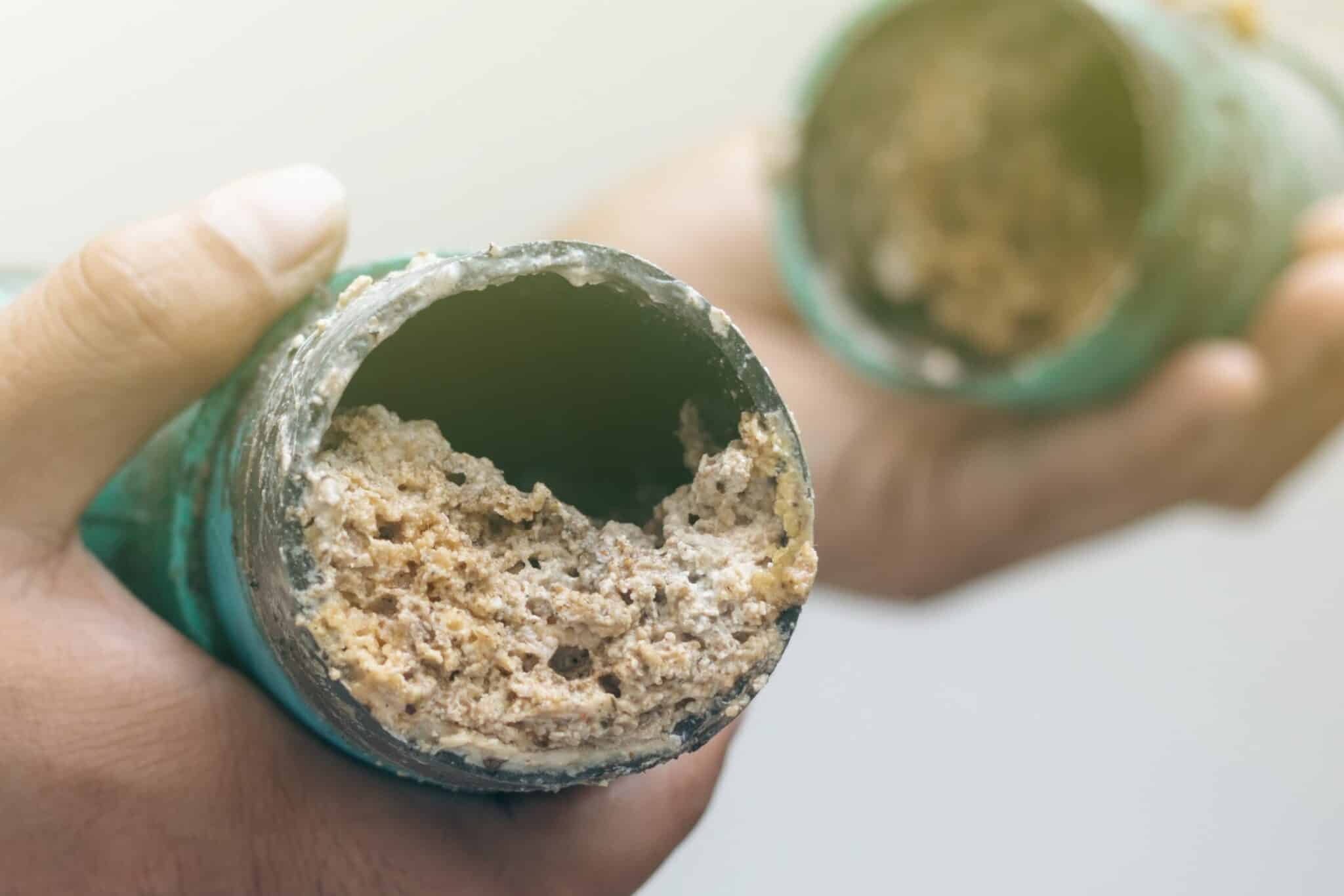
Understanding the harmful effects of FOGs in plumbing is crucial for maintaining a healthy home environment. When fats, oils, and grease cool down, they harden and stick to the inside of pipes. This buildup restricts water flow, leading to blockages and potentially costly repairs. Homeowners in Mansfield can avoid these issues by being mindful of what they dispose of in their sinks.
Preventing sewer clogs caused by FOGs is simpler than many might think. Instead of pouring grease down the drain, let it cool and solidify. Once solid, it can be scraped into the trash, a small step that makes a big difference. This practice, along with regular plumbing check-ups, helps keep the sewer system in Fort Worth, TX, and surrounding areas running smoothly.
Moreover, using strainers in sinks can catch food scraps and other solids that contribute to clogs. These strainers act as a first line of defense, preventing harmful materials from entering the plumbing system. By regularly cleaning these strainers, homeowners in Dallas, TX, and beyond can play a part in reducing the impact of FOGs on their local sewer systems.
Finally, educating oneself and others about the dangers of FOGs in plumbing promotes a community-wide effort to protect our water systems. Simple changes in daily habits can significantly reduce the risk of plumbing issues related to FOGs. As more people adopt these practices, the collective effort can lead to a noticeable improvement in the health and efficiency of municipal sewer systems.
The Impact of FOGs on Your Home’s Plumbing System
The impact of FOGs in plumbing goes beyond just the occasional clog, it can lead to severe damage to your home’s plumbing system. Over time, the accumulation of fats, oils, and grease can corrode pipes, causing leaks that may require extensive repairs. Homeowners in Mansfield can mitigate these risks by being vigilant about what they pour down their drains. By preventing FOGs from entering the plumbing system, they protect their homes from potential water damage and costly fixes.
Regular maintenance plays a crucial role in keeping the plumbing system free from FOG-related issues. Scheduling annual inspections with a professional plumber helps identify and address any FOG buildup before it becomes a problem. This proactive approach saves homeowners in Fort Worth, TX, from unexpected plumbing emergencies. It ensures that their pipes remain clear and functional throughout the year.
Educating the household on the importance of FOG disposal can significantly reduce the risk of plumbing problems. Simple actions, such as using a paper towel to wipe off grease from pans before washing them, can make a big difference. This practice, coupled with proper waste disposal, keeps FOGs out of the plumbing system. It’s a team effort that benefits not only the household but also the wider community in Dallas, TX.
Ultimately, the fight against FOGs in plumbing is about adopting a mindful approach to waste disposal. Homeowners who understand the consequences of improper FOG disposal are more likely to take the necessary steps to prevent it. By following these guidelines, they contribute to the longevity of their home’s plumbing system and the health of the municipal sewer system. This collective effort ensures a safer, cleaner environment for everyone.
Common Sources of FOGs in Residential Settings
Identifying the common sources of FOGs in residential settings is crucial for homeowners aiming to maintain a healthy plumbing system. Cooking is a primary activity that contributes to the accumulation of fats, oils, and grease in pipes. Whether frying bacon in Fort Worth, TX, or sautéing vegetables in Mansfield, every kitchen activity that uses oil or fat can lead to FOG buildup. Being aware of these sources helps in developing strategies to minimize their impact.
Many people don’t realize that FOGs also come from less obvious sources, such as food scraps and dairy products. When these are washed down the sink, they add to the problem. In Dallas, TX, for example, disposing of food waste properly can significantly reduce the amount of FOGs entering the plumbing system. Simple practices like scraping plates into the trash before washing them can make a big difference.
Another common mistake is assuming that hot water and detergent can break down fats, oils, and grease, preventing them from causing blockages. However, this is not the case, these substances eventually cool and solidify further down the plumbing line. Encouraging everyone in the household to adopt FOG-friendly habits is essential. This includes disposing of cooking oil in containers rather than washing it down the sink.
Lastly, regular use of garbage disposals can inadvertently contribute to FOG buildup in residential plumbing systems. While these devices are convenient, they often lead to more fats, oils, and grease being washed into the sewer system. Homeowners should consider composting or using trash disposal for food waste instead. By understanding and addressing these common sources, the fight against FOGs in plumbing becomes more effective, safeguarding home and city sewer systems alike.
Safe Disposal Practices for Fats, Oils, and Grease
Adopting safe disposal practices for fats, oils, and grease plays a pivotal role in maintaining a healthy plumbing system. Homeowners can start by cooling and solidifying these substances before throwing them in the trash. This simple action significantly reduces the risk of clogs and backups in pipes. As a result, the plumbing in Mansfield and surrounding areas remains clear and functional.
Another effective method involves using containers for collecting oil and grease from cooking. Once filled, these can be disposed of properly, preventing FOGs from entering the sewer system. This practice not only protects your home’s plumbing but also contributes to the overall health of the municipal system. Residents of Fort Worth, TX, can find specialized disposal programs to assist with this effort.
Educating everyone in the household about the importance of these practices ensures a collective approach to combating FOGs in plumbing. Reminding family members to scrape plates into the trash and to avoid relying on garbage disposals for oil and grease disposal can make a big difference. This teamwork helps keep the plumbing system in Dallas, TX, and beyond free from harmful blockages.
Finally, it’s beneficial to explore alternative waste disposal methods, such as composting for organic waste. Composting not only reduces the amount of FOGs washed down the drain but also offers an eco-friendly way to deal with food scraps. By adopting these safe disposal practices, homeowners play a crucial role in preventing sewer clogs and promoting a healthier environment.
How to Recognize a FOG Blockage in Your Pipes
Recognizing a FOG blockage in your pipes early can save you from the hassle of major plumbing issues. One clear sign is a slow drain, which often indicates that fats, oils, and grease are starting to build up. If you notice water taking longer to go down in your sink in Fort Worth, TX, it’s time to take action. Acting swiftly can prevent a small problem from becoming a big headache.
Another symptom of a FOG blockage is an unpleasant odor emanating from your drains. This smell is a result of food particles trapped in the grease, decomposing over time. If your kitchen in Dallas, TX, starts to have a consistent foul smell, FOGs in plumbing might be the culprit. This sign is not only unpleasant but also a health concern that needs addressing.
Sometimes, you might hear gurgling sounds coming from your pipes. These noises occur when air gets trapped and then released, indicating a blockage is present. If you hear such sounds, it’s a clear indication that FOGs are affecting your plumbing system. Ignoring these sounds can lead to more severe damage over time.
Lastly, water backing up in your sink or dishwasher is a definitive sign of a FOG blockage. When fats, oils, and grease solidify in your pipes, they prevent water from flowing freely. If you find water backing up regularly, it’s crucial to address the issue immediately. Taking quick action can prevent costly repairs and maintain the health of your plumbing system.
Preventative Measures to Keep FOGs Out of Plumbing
Preventing FOGs in plumbing starts with being mindful of everyday kitchen activities. For instance, instead of washing cooking oil down the drain, residents in Fort Worth, TX, can opt for oil collection containers. These containers allow for easy disposal and ensure that harmful substances stay out of the plumbing system. This simple change significantly lowers the risk of clogs and keeps pipes clear.
Another effective strategy involves the use of cold water when grinding food waste in the garbage disposal. Cold water helps keep fats solid, preventing them from sticking to the pipes. This practice, especially useful in kitchens across Dallas, TX, minimizes the accumulation of FOGs in plumbing. It’s a small but impactful step towards maintaining a healthy sewer system.
Regular cleaning of kitchen equipment also plays a crucial role in preventing FOG build-up. By wiping down pots, pans, and plates with a paper towel before washing, homeowners can catch grease before it enters the drain. This action removes a significant amount of fats, oils, and grease that would otherwise contribute to blockages. Keeping these substances out of the sink protects the plumbing infrastructure and reduces the need for repairs.
Lastly, public education about the dangers of FOGs in plumbing can lead to community-wide improvements. When people understand the consequences of improper disposal, they’re more likely to adopt preventative measures. Sharing tips and best practices within the community encourages everyone to take part in protecting the local sewer system. Together, these efforts can significantly reduce the prevalence of FOG-related issues, ensuring a smoother operation of municipal plumbing systems.
Professional Solutions for Managing FOGs in Plumbing
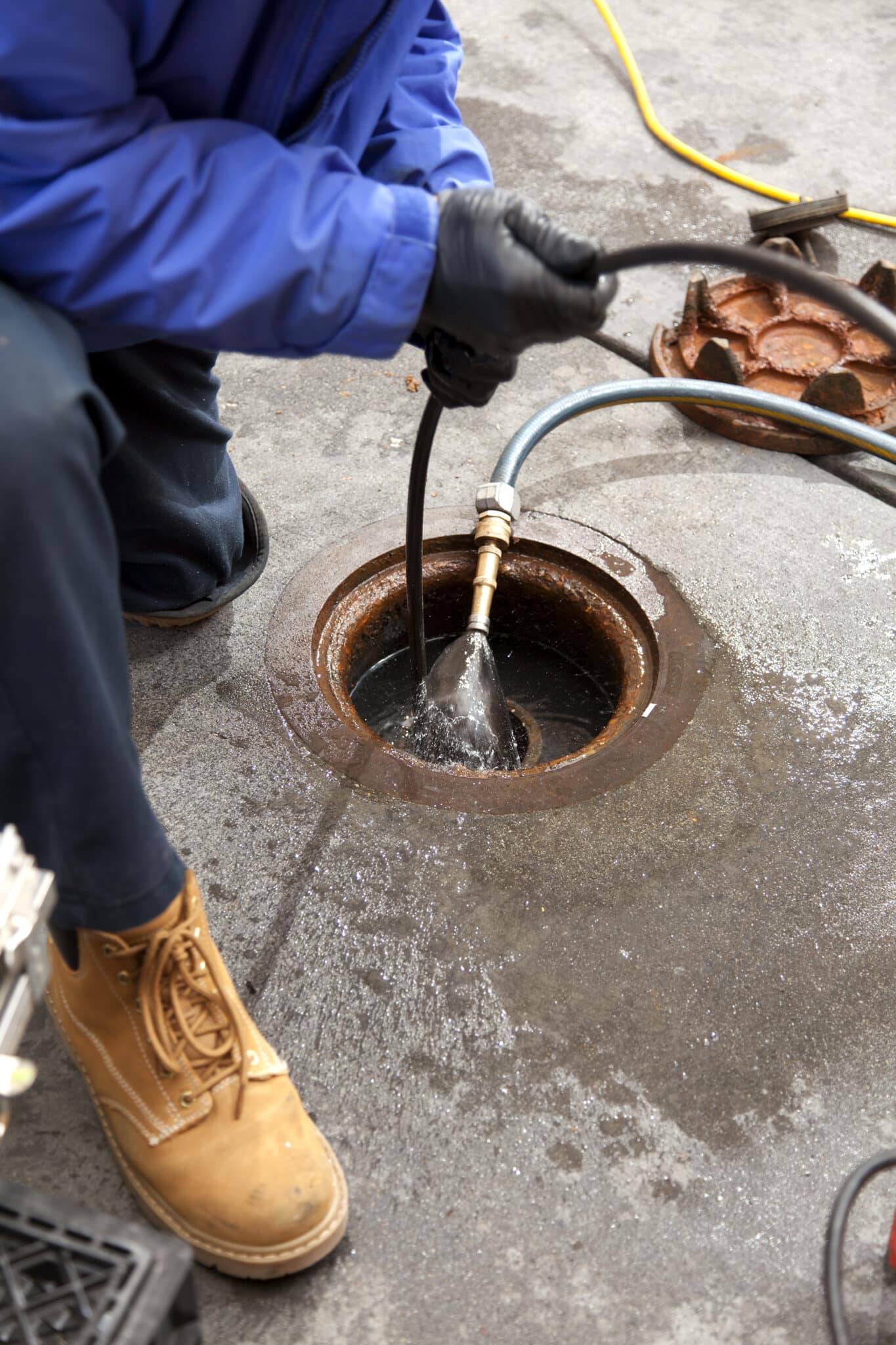
For homeowners in Mansfield looking to tackle the issue of FOGs in plumbing, turning to professional solutions can offer a comprehensive approach. Experts in plumbing have the tools and knowledge to effectively remove fats, oils, and grease that have accumulated in pipes. These services not only clear current blockages but also can prevent future issues, ensuring your home’s plumbing system operates smoothly. By consulting with professionals, residents can safeguard their homes against the adverse effects of FOG build-up.
In Fort Worth, TX, plumbing professionals often employ specialized equipment to diagnose and treat FOG-related problems. Techniques such as hydro-jetting use high-pressure water to clean pipes thoroughly, removing any FOGs that have settled. This method is highly effective and minimizes the risk of damage to your plumbing system. Opting for such advanced solutions helps maintain the integrity of your pipes and avoids the need for more invasive procedures.
Preventative maintenance programs are another professional solution that can benefit homeowners in Dallas, TX. These programs involve regular inspections and cleanings, designed to catch and remove FOGs before they lead to blockages. Participating in a maintenance program can provide peace of mind, knowing that your plumbing system is under the watchful eye of experts. It’s a proactive step that can save time, money, and inconvenience in the long run.
Lastly, professional plumbers can offer personalized advice on how to manage FOGs in your specific home environment. Each house has its unique plumbing system, and what works for one may not work for another. Tailored recommendations can include simple habit changes or installing specific devices to catch FOGs before they enter the system. Leveraging the expertise of professionals ensures that homeowners in Mansfield and surrounding areas can effectively combat the challenges posed by FOGs in plumbing.
The Role of Local Regulations in Controlling FOG Disposal
Local regulations play a pivotal role in managing FOGs in plumbing, especially in areas like Fort Worth, TX. These rules are designed to reduce the amount of fats, oils, and grease that enter the sewer system. By setting standards for disposal, they help prevent blockages that can lead to costly repairs. Homeowners should familiarize themselves with these regulations to ensure compliance and protect their plumbing.
In Dallas, TX, for instance, certain regulations may require restaurants and other food service establishments to install grease traps. While primarily aimed at commercial entities, these regulations highlight the importance of managing FOGs at the source. Residential homeowners can take cues from such practices, adopting measures like using grease containers for disposal. Understanding and applying these principles can significantly mitigate the risk of FOG-related plumbing issues.
Educating the community about the consequences of improper FOG disposal is another crucial aspect. Local authorities often run campaigns to raise awareness, offering tips on how to avoid contributing to the problem. When individuals understand the impact of their actions, they are more likely to change their habits. This collective effort can lead to a substantial reduction in FOGs entering the sewer system.
Finally, compliance with local regulations not only prevents plumbing problems but also contributes to the overall health of the municipal sewer system. By adhering to guidelines and adopting recommended practices, homeowners play a part in a larger community effort. Together, these actions help maintain a functional and efficient sewer system, benefiting everyone in the area.
Frequently Asked Questions
What causes FOGs in plumbing?
FOGs in plumbing come from common kitchen activities. Cooking fats, oils, and grease get washed down the sink during dish cleaning. Over time, these substances stick inside pipes, causing blockages. Homeowners can prevent this by properly disposing of FOG waste.
How can I prevent FOG build-up?
To prevent FOG build-up in your plumbing, start by scraping plates into the trash before washing them. Use a strainer in your sink to catch any leftover food particles. Pour fats, oils, and grease into a container, not down the drain, and dispose of it properly. Regularly cleaning your pipes with hot water and dish soap can also help keep them clear of FOGs.
What are the effects of FOGs on pipes?
FOGs in plumbing can severely damage pipes over time. When fats, oils, and grease cool, they harden and stick to pipe walls, reducing water flow. This buildup can lead to blockages, causing backups and potential home flooding. Preventing FOGs from entering the system is crucial for maintaining healthy plumbing.
Are FOGs in plumbing a common issue?
Yes, FOGs in plumbing are a widespread problem many homeowners face. These substances easily find their way into pipes during everyday kitchen tasks. Without proper disposal, they build up over time, causing significant blockages. Understanding and preventing this issue is key to maintaining smooth and efficient plumbing systems.
What tools are needed to remove FOGs?
To remove FOGs in plumbing, professional plumbers often use specific tools. A high-pressure water jet can effectively clear out the buildup of fats, oils, and grease. Plumbers might also use motorized drain snakes to break apart stubborn blockages. For homeowners, preventing FOGs from accumulating is easier and safer than trying to remove them without the right equipment.