


As winter approaches, residents of Mansfield, TX, and surrounding areas like Waxahachie, TX, brace for the season’s chill, which can wreak havoc on plumbing systems. One simple, yet often overlooked, method to mitigate this risk is by utilizing dripping faucets. This technique, while seemingly minor, plays a crucial role in preventing costly and inconvenient winter plumbing damage. By understanding the mechanics behind why letting faucets drip can save your pipes, homeowners can better prepare for freezing temperatures.
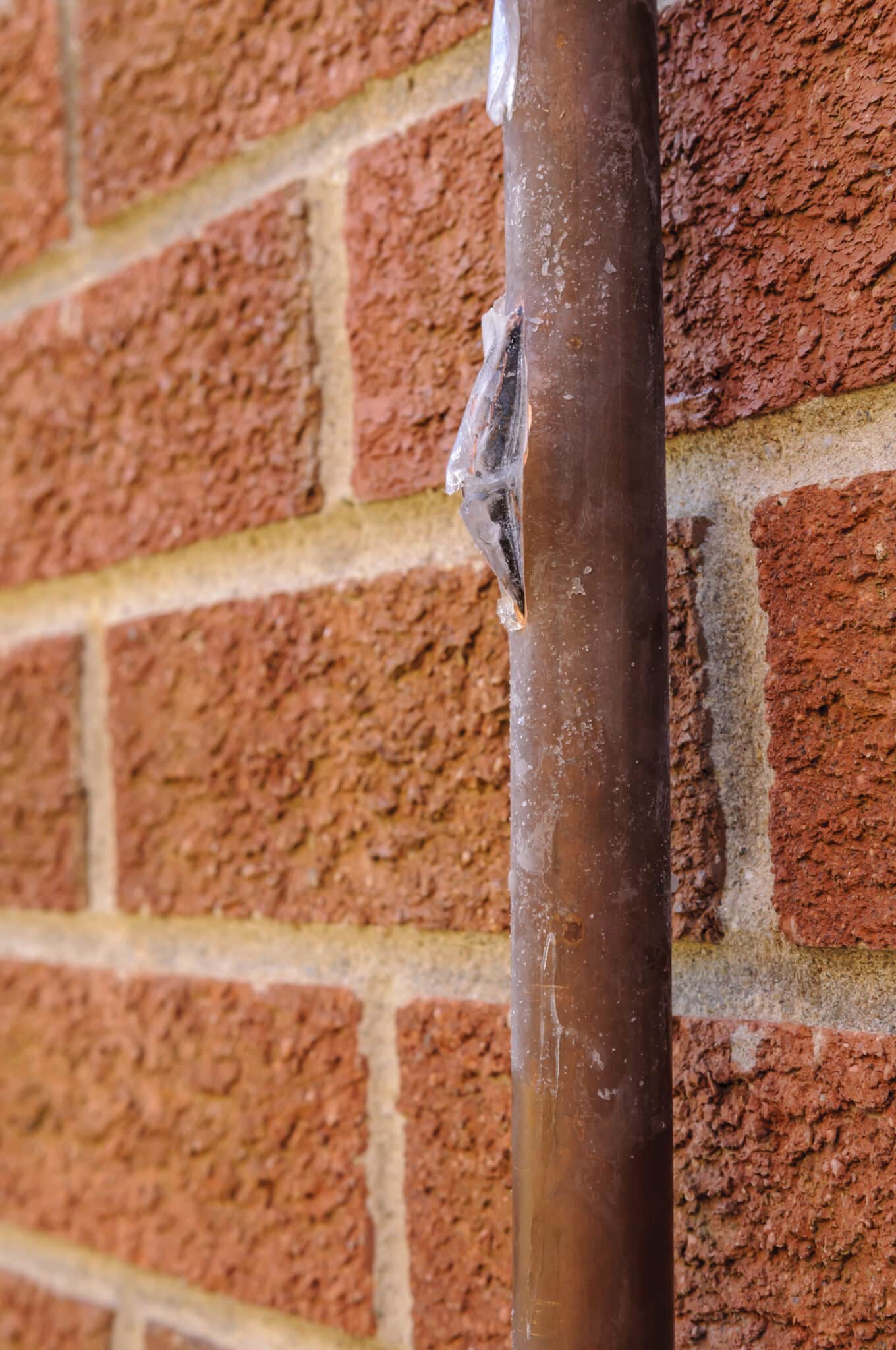
Dripping faucets work by allowing a continuous flow of water, which helps prevent the water inside pipes from freezing. When water freezes, it expands, creating significant pressure within the pipes that can lead to cracks or even bursts. This is a scenario all too familiar in colder climates, but by keeping the water moving, the risk of freezing is substantially reduced. It’s a preventive measure that can save a lot of headaches and expenses down the line.
Moreover, the strategy of letting faucets drip is particularly beneficial for pipes that are exposed to severe cold or are poorly insulated. These pipes are the most vulnerable to freezing and subsequent damage. By identifying these risk areas in your home and allowing a slight drip during extreme cold, you can protect your plumbing system. It’s a simple step that can make a significant difference in safeguarding your home against the ravages of winter.
However, it’s essential to know when, where, and how to let your faucets drip effectively. Not all faucets need to drip to prevent freezing, and doing so unnecessarily can waste water. Understanding the right conditions and methods for utilizing dripping faucets can ensure you’re employing this technique wisely, keeping your plumbing safe without excessive water use. As we dive deeper into the subject, remember that this age-old trick is a testament to the saying, “an ounce of prevention is worth a pound of cure,” especially when it comes to winter plumbing woes.
The Science Behind Dripping Faucets and Freeze Prevention
Understanding the science behind dripping faucets and freeze prevention begins with a basic principle of physics. Water expands as it freezes, exerting pressure on pipes, which can cause them to crack or burst. By allowing faucets to drip, water continues to move, making it more difficult for ice to form. This movement not only prevents pressure buildup but also reduces the risk of a pipe bursting during cold snaps in Mansfield, TX, and beyond.
The effectiveness of dripping faucets lies in their ability to maintain a slight but constant flow. This flow ensures that pressure does not have the chance to build up at any point within the plumbing system. It’s a straightforward method that homeowners in Waxahachie, TX, and other areas prone to freezing temperatures can easily adopt. By keeping water moving, the pipes remain at a lower risk of freezing, thus safeguarding the home’s plumbing infrastructure.
Choosing which faucets to let drip is also crucial for maximizing protection without wasting water. Faucets located on the exterior walls of a home or in unheated spaces are typically the most vulnerable to freezing. These are the faucets that benefit most from being left to drip during extremely cold weather. Making this small adjustment can have a significant impact on preventing winter plumbing disasters.
Finally, it’s important to remember that while letting faucets drip is helpful, it’s not the only step homeowners should take to protect their plumbing. Insulating pipes, sealing leaks in exterior walls, and keeping the thermostat set to a consistent temperature can also help prevent freezing. Together with the practice of letting faucets drip, these measures form a comprehensive approach to winter plumbing maintenance that can save homeowners from costly repairs.
Identifying High-Risk Pipes in Your Home
Identifying high-risk pipes in your home is a crucial step in utilizing dripping faucets effectively. Pipes that run through unheated areas, such as basements, attics, or garages, are particularly susceptible to freezing. In Mansfield, TX, where temperatures can drop suddenly, paying attention to these areas can prevent unexpected plumbing issues. Homeowners should prioritize these pipes when deciding which faucets to leave dripping during cold spells.
In addition to unheated spaces, pipes on exterior walls are at a heightened risk of freezing. These pipes often have less insulation than those located within the building’s interior, making them vulnerable to the cold temperatures in Waxahachie, TX, and similar regions. By allowing a slight drip from faucets connected to these pipes, you can provide an extra layer of protection against the freeze. This simple action keeps water moving, significantly reducing the likelihood of ice formation.
Another factor to consider is the age and material of your plumbing. Older homes, with their aging pipes, may require more attention during winter months. Materials like copper and steel are more prone to freezing and bursting than newer, more flexible materials such as PEX tubing. Recognizing the specific needs of your home’s plumbing system allows for targeted prevention, ensuring that dripping faucets are used where they are most needed.
Finally, regular inspections can help identify which pipes are high-risk before the winter season begins. Look for signs of wear, such as rust or cracks, which can indicate areas that may be more susceptible to damage. Taking the time for these inspections can guide you in making informed decisions about where to implement dripping faucets as a preventive measure. Combining this knowledge with the steps outlined earlier forms a solid defense against winter plumbing problems, keeping your home safe and dry.
How to Safely Set Your Faucets to Drip
Setting your faucets to drip safely during the cold months in Mansfield, TX, requires a careful approach to ensure effectiveness without wasting water. Start by identifying the faucets connected to pipes that are most at risk of freezing, such as those running through unheated spaces or along exterior walls. Turn these faucets on just enough to allow a slow, steady drip. This minimal flow is sufficient to keep water moving and prevent the pipes from freezing.
In areas like Waxahachie, TX, where temperatures can plummet, it’s also wise to monitor the weather forecasts closely. On nights when a freeze is expected, make sure to set your faucets to drip before going to bed. This proactive step can make a significant difference in preventing frozen pipes overnight. Remember, it’s the continuous movement of water that helps mitigate the risk of pressure build-up and ice formation within the pipes.
To manage water usage efficiently, consider placing a bucket under the dripping faucet to catch the water. This collected water can be reused for various household purposes, such as watering plants or cleaning, ensuring that the practice of dripping faucets remains environmentally responsible. This method not only protects your plumbing but also conserves water, aligning with sustainable living practices.
Finally, once the threat of freezing weather passes, remember to turn off the dripping faucets. Regularly checking the local weather conditions will inform you when it’s safe to revert to normal faucet use. By following these steps, homeowners can effectively use dripping faucets to prevent winter plumbing damage, keeping their homes safe and dry through the coldest months.
The Role of Insulation in Complementing Dripping Faucets
While dripping faucets play a crucial role in preventing frozen pipes, insulation acts as a necessary partner in this preventive strategy. Properly insulating your pipes reduces the likelihood of freezing by keeping the warmth in and the cold out. This is especially important in areas like Mansfield, TX, where temperatures can drop unexpectedly. Combining insulation with the practice of letting faucets drip offers a robust defense against winter plumbing issues.
In Waxahachie, TX, homeowners often face the challenge of protecting their plumbing from the cold. Insulation materials, such as foam pipe covers, can be easily applied to pipes in vulnerable areas. When these materials are used in conjunction with dripping faucets, the risk of freezing is significantly diminished. This dual approach ensures that water continues to flow freely, even in the coldest conditions.
It’s also vital to inspect your home’s insulation regularly. Over time, insulation can degrade, leaving pipes exposed to the cold. By checking insulation before the winter season and repairing or replacing it as necessary, you can enhance the effectiveness of dripping faucets. This proactive measure keeps your plumbing system well-protected throughout the winter months.
Finally, consider the type of insulation you’re using. Different materials offer varying levels of protection. In conjunction with allowing faucets to drip, selecting the right insulation for your home’s specific needs can prevent freezing. This comprehensive approach, combining the right insulation with the strategic use of dripping faucets, safeguards your plumbing against the harsh winter weather, ensuring a warm and damage-free season.
When to Start and Stop Your Faucets Dripping
Knowing when to start and stop dripping faucets is key to effectively preventing winter plumbing damage. As temperatures in Mansfield, TX, begin to drop, closely watch the forecast. When a freeze is predicted, that’s your cue to start the drip. This simple step can save your pipes from the devastating effects of ice.
In Waxahachie, TX, and similar areas, it’s not just about starting the drip, it’s also about knowing when to stop. Once the weather warms up and the risk of freezing passes, promptly turn off the dripping faucets. This action conserves water and signals that your pipes are out of danger. It’s a balance between protection and conservation, ensuring your efforts are as efficient as possible.
Monitoring the weather is an ongoing winter task. By staying informed, you can make timely decisions about your dripping faucets. This proactive approach minimizes the risk of frozen pipes and avoids unnecessary water use. It’s a smart strategy that keeps your home safe and respects environmental resources.
Finally, remember that the use of dripping faucets is just one part of a comprehensive winterizing plan for your plumbing. Combine this practice with insulation, regular inspections, and other preventive measures. Together, these steps form a solid defense against the cold, keeping your plumbing system intact through the winter months.
Dripping Faucets vs. Other Winterizing Techniques
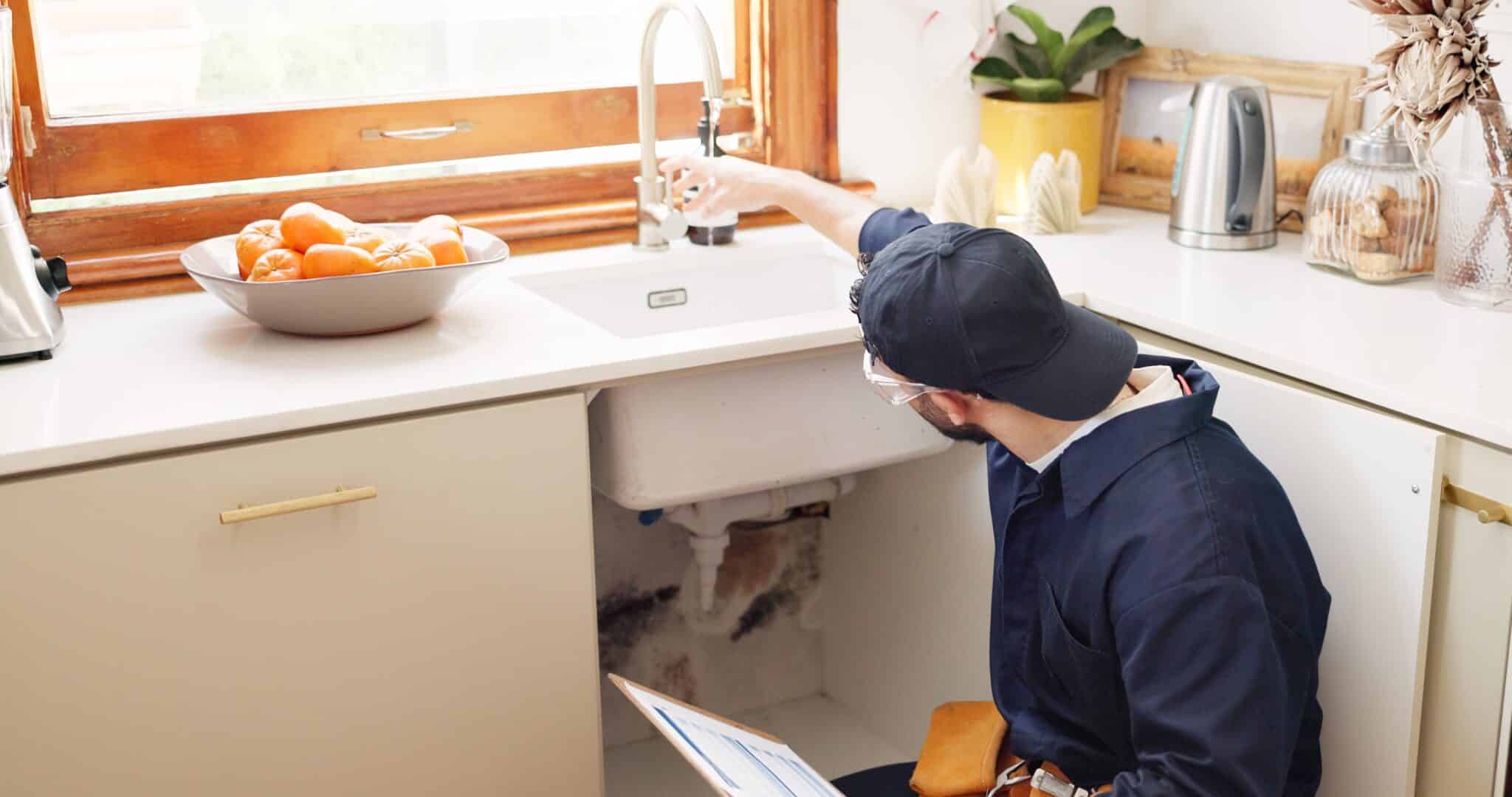
Dripping faucets offer a simple yet effective method to prevent winter plumbing damage, especially in colder regions like Mansfield, TX. This technique, when compared to other winterizing strategies, stands out for its ease of implementation and immediate impact. While insulation and regular inspections are essential, the continuous water flow from a dripping faucet directly addresses the freeze risk. It’s a straightforward approach that homeowners can easily manage, ensuring their pipes remain safe from the cold.
Other winterizing techniques, such as insulating pipes and sealing leaks, play a crucial role in overall plumbing protection in areas like Waxahachie, TX. However, these methods often require more time, effort, and sometimes professional assistance to implement effectively. Dripping faucets, on the other hand, provide a quick and accessible solution that works in tandem with these more comprehensive strategies. Together, they create a multi-layered defense against the harsh winter temperatures.
The importance of monitoring weather forecasts cannot be overstated, as it informs the timely use of dripping faucets. Knowing when to start and stop the drip is crucial for maximizing protection while conserving water. This proactive approach, combined with other preventive measures, offers a balanced solution to winter plumbing challenges. It allows homeowners to respond swiftly to changing weather conditions, keeping their plumbing systems secure.
In conclusion, while dripping faucets are a vital part of preventing winter plumbing damage, they are most effective when used as part of a broader strategy. Insulating pipes, sealing exterior leaks, and regular plumbing inspections complement the protective action of a dripping faucet. This comprehensive approach ensures that homes in Mansfield, TX, and beyond are well-prepared to face the winter season, minimizing the risk of plumbing issues and ensuring peace of mind for homeowners.
Monitoring Your Water Bill During the Drip Season
Monitoring your water bill during the colder months can provide valuable insights into the efficiency of using dripping faucets as a preventive measure against winter plumbing damage. In Mansfield, TX, where temperatures can drop significantly, a slight increase in your water bill might indicate that your faucets are dripping appropriately. This small uptick is often a cost-effective trade-off for avoiding costly repairs due to frozen and burst pipes. However, it’s crucial to keep an eye on the bill to ensure it doesn’t spike unexpectedly, signaling a potential leak or overuse.
In Waxahachie, TX, residents can compare their water usage before and during the drip season to gauge the impact of dripping faucets. If the increase aligns with the expected additional usage, it reassures that the strategy is being executed efficiently. This comparison can also highlight any discrepancies, prompting homeowners to investigate further. Perhaps a faucet is dripping too fast, or an undetected leak is contributing to higher consumption.
Adopting water-saving techniques can mitigate the impact of dripping faucets on your water bill. For instance, collecting the dripped water for reuse in household chores or gardening can offset the extra usage. This approach not only conserves water but also ensures that homeowners in Mansfield, TX, and surrounding areas can maintain their plumbing without significantly affecting their water expenditure. It’s a practical solution that balances the need for freeze prevention with environmental and financial responsibility.
Finally, regular monitoring and adjustments are key to optimizing the use of dripping faucets throughout the winter months. Homeowners should adjust the drip rate according to the severity of the cold, ensuring just enough water flow to prevent freezing. By staying vigilant and responsive to weather changes, residents can protect their plumbing efficiently while keeping water bills in check. This proactive stance ensures that the benefits of using dripping faucets to prevent winter plumbing damage far outweigh the minimal costs involved.
Addressing Common Concerns with Dripping Faucets
Some homeowners in Mansfield, TX, might worry that dripping faucets could lead to significant water waste. However, when done correctly, the amount of water used is minimal compared to the potential damage from frozen pipes. By adjusting the drip to a slow, steady rate, you ensure efficiency and protection. This method proves to be a practical approach to safeguarding your home’s plumbing system during the cold months.
Another concern often raised is the potential for water damage from a continuously dripping faucet, especially in areas like Waxahachie, TX, where temperatures can fluctuate. Placing a bucket under the faucet to catch the water eliminates this risk. This collected water can then be repurposed, further mitigating any waste and addressing concerns about water damage effectively. It’s a simple solution that maintains the balance between prevention and conservation.
Some might question the effectiveness of dripping faucets in really cold weather, doubting if a small drip can keep pipes from freezing. The continuous flow of water, even in a trickle, prevents pressure buildup and keeps water from freezing inside pipes. This method has been proven effective in cold climates, offering peace of mind to homeowners worried about the integrity of their plumbing during winter.
Lastly, the thought of constantly monitoring faucets to ensure they’re dripping at the right rate might seem daunting. However, once set to the correct drip rate, little adjustment is needed unless there’s a significant change in weather. Homeowners can easily check their faucets periodically, making this a low-effort yet highly effective strategy for preventing winter plumbing issues.
Frequently Asked Questions
What causes winter plumbing damage?
Winter plumbing damage often happens when water inside pipes freezes. This frozen water expands, increasing pressure throughout the plumbing system. Exposed pipes, especially in colder areas, are most at risk. Dripping faucets help by keeping water moving, reducing the chance of freezing and pressure buildup.
How do Dripping Faucets prevent damage?
Dripping faucets keep water flowing, which prevents it from freezing inside pipes. This constant movement lowers the risk of pressure buildup that can lead to cracks. By allowing a slow drip, homeowners protect their plumbing against the harsh winter conditions. It’s a simple yet effective way to safeguard your home’s water system.
Can any faucet be left dripping?
Most faucets in your home can safely be left dripping to prevent winter plumbing damage. It’s best to choose faucets that are fed by exposed pipes, as these are more likely to freeze. However, ensure not to overdo it, a slow, steady drip is all that’s needed. This method is a straightforward yet effective strategy for keeping your pipes safe during cold spells.
When should you start dripping faucets?
You should start dripping faucets when the forecast calls for freezing temperatures. This proactive approach ensures your pipes remain safe from the risk of freezing and bursting. It’s especially crucial overnight when temperatures typically drop the lowest. By keeping a watchful eye on the weather, you can protect your plumbing effectively with this simple method.
What are the risks of dripping faucets?
While dripping faucets are helpful in preventing winter plumbing damage, they do come with risks. Over time, the constant drip can lead to higher water bills. Additionally, if not monitored, it could cause water damage or mold growth in your home. Therefore, it’s important to use this method judiciously and keep an eye on the areas where faucets are left dripping.