


Ensuring the safety of drinking water in our homes is a priority that cannot be overlooked. In Mansfield and surrounding areas like Waxahachie, homeowners are becoming increasingly aware of the importance of protecting their water supply from contamination. One significant threat to this safety is cross connection hazards, a problem that might not be on everyone’s radar. Understanding where cross connections occur and how they can impact our drinking water is the first step toward prevention.
Cross connection hazards are situations where the drinking water supply can potentially become contaminated due to connections with non-potable water sources. These hazards can occur in various places within a home’s plumbing system, often without the homeowner’s knowledge. Identifying these risks requires a keen eye and an understanding of how plumbing systems work. Fortunately, there are straightforward measures that can be taken to mitigate these risks.
In Mansfield, local plumbers like Bahama Plumbing are at the forefront of educating homeowners about these hazards. They emphasize the importance of regular plumbing inspections to identify and rectify any potential cross connections. By staying informed and proactive, homeowners can significantly reduce the risk of their drinking water becoming contaminated. This proactive approach is essential for maintaining the health and safety of our families.
Moreover, the community in Waxahachie can benefit from adopting similar preventative measures. Awareness and education about cross connection hazards are key to keeping our drinking water safe. Homeowners are encouraged to seek professional advice and services to ensure their plumbing systems are free from these dangerous connections. Together, we can protect our water and our health from the unseen dangers lurking in our plumbing systems.
Understanding Cross Connections in Your Home
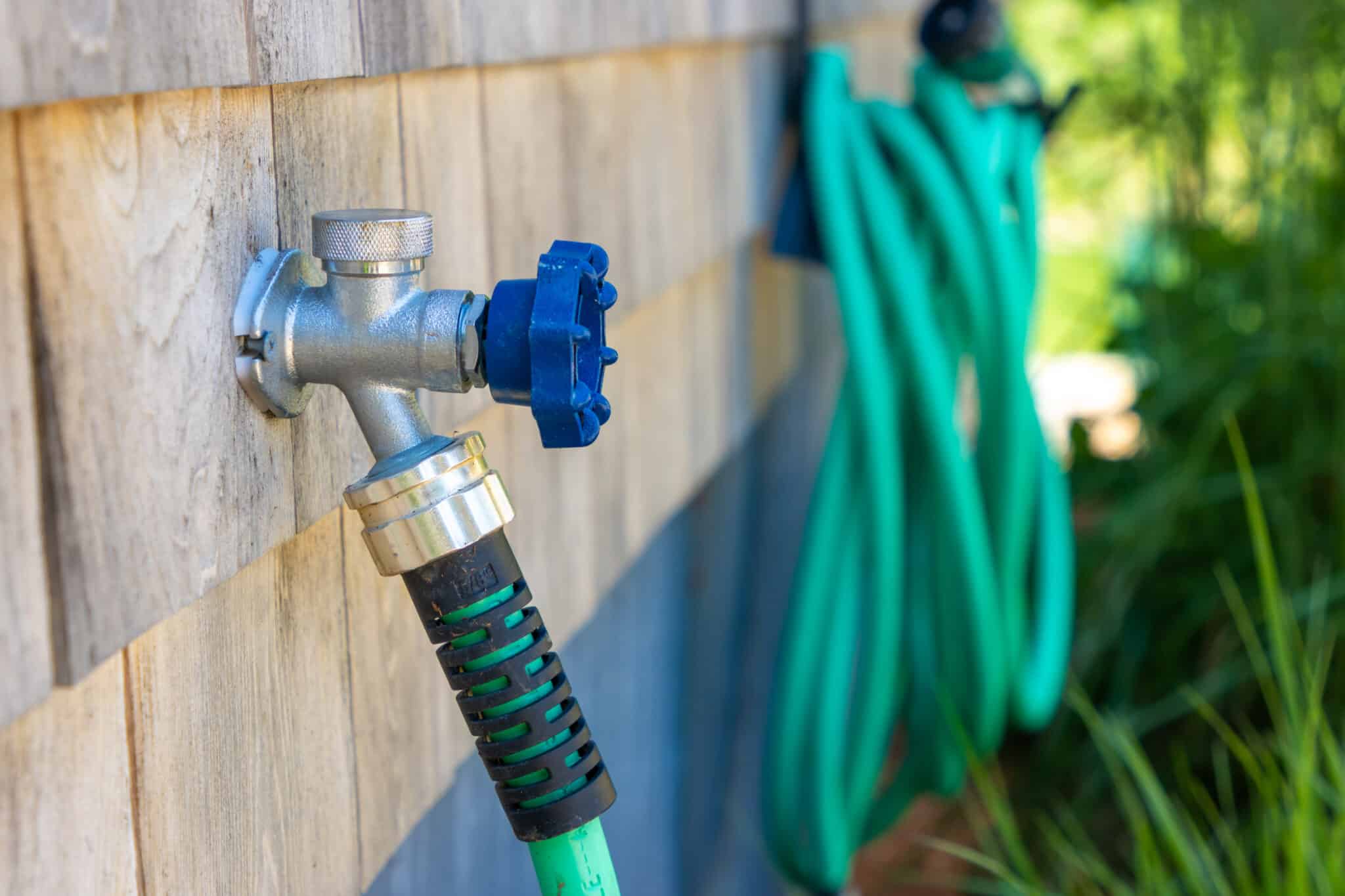
Understanding where cross connections can occur in your home is crucial for maintaining safe drinking water. Often, these hazards hide in plain sight, such as hose bibs connected to garden hoses or the supply lines to washing machines. In Mansfield, homeowners may unintentionally create cross connections by attaching hoses to chemical sprayers for lawn care, unknowingly risking their water supply. Recognizing these common connection points helps in taking the first step towards safeguarding your home against contamination.
In the bathroom, another potential for cross connection exists with handheld showerheads or sinks that could siphon dirty water back into the clean water supply during a sudden drop in pressure. Waxahachie residents can prevent this by installing backflow prevention devices, a simple yet effective solution. These devices ensure that water flows in one direction only, keeping your drinking water separate from contaminated sources. By being mindful of these areas, homeowners can significantly reduce the risk of cross connection hazards.
Kitchens are not exempt from these risks, especially with dishwasher connections or sink sprayers. It’s important to ensure that these appliances are correctly installed with air gaps or backflow preventers. This measure prevents contaminated water from being drawn back into the clean water supply. Homeowners should regularly check these connections as part of their routine maintenance to ensure they remain in good working order and free from potential hazards.
Finally, outdoor irrigation systems are a common source of cross connection hazards. When backflow prevention devices are not installed or fail, chemicals and contaminants from the soil can enter the drinking water supply. Regular inspections by professionals like those from Bahama Plumbing can identify and rectify these issues, keeping Mansfield and Waxahachie homes safe. Awareness and proactive maintenance are key to preventing cross connection hazards and ensuring the safety of your drinking water.
Identifying Common Cross Connection Hazards
Identifying common cross connection hazards involves a thorough inspection of your home’s plumbing system. In Mansfield, residents can start by examining areas where hoses or pipes connect to appliances and outdoor spigots. Simple actions, like ensuring hose ends are not submerged in pools or buckets, can prevent backflow. This proactive step significantly reduces the risk of contaminating your drinking water.
In the realm of gardening and lawn care, a frequent oversight occurs with sprinkler systems. Homeowners in Waxahachie should verify that their systems have proper backflow preventers installed. Without these devices, fertilizers and pesticides can seep back into the water supply during a pressure drop. Regular checks and maintenance of these systems are essential for keeping water safe.
Within the home, appliances like water softeners and boilers also present potential cross connection hazards. These systems should have integrated backflow prevention mechanisms to protect your water supply. It’s wise to consult with professionals to ensure these are functioning correctly. Doing so guards against the mixing of contaminated water with your clean supply.
Lastly, consider the risk posed by swimming pools and hot tubs, which are common in many backyards. A hose filling a pool without a backflow preventer can introduce harmful chemicals into your home’s water system. Homeowners must be vigilant, using proper fittings and regularly testing backflow devices. This attention to detail is crucial in safeguarding your family’s health and maintaining clean drinking water.
The Dangers of Cross Connection Contamination
Understanding the dangers of cross connection contamination underscores the importance of vigilance in protecting our drinking water. In Mansfield, the risk becomes more pronounced with the integration of household and industrial appliances into our water system. These appliances, if not properly checked for backflow prevention, can become conduits for contaminants entering our clean water supply. Homeowners are advised to regularly inspect these devices, ensuring they function correctly to avert any potential hazards.
In Waxahachie, the community’s engagement with water safety can play a pivotal role in mitigating cross connection risks. Educating residents about the importance of installing and maintaining backflow prevention devices can significantly reduce the likelihood of contamination. This collective effort not only safeguards individual homes but also protects the broader community’s water quality. It’s a shared responsibility that enhances the safety and well-being of all.
Another critical area often overlooked is the connection points in public and commercial buildings. These locations can harbor hidden cross connection hazards that pose a threat to the municipal water supply. By enforcing strict regulations and conducting regular inspections, local authorities can prevent contamination incidents. This proactive approach ensures that both residential and commercial water systems remain safe and uncontaminated.
Finally, the role of professional plumbers in identifying and rectifying cross connection hazards cannot be overstated. Their expertise and knowledge are invaluable in diagnosing potential problems and implementing solutions. Homeowners should consider scheduling annual inspections with trusted professionals to keep their plumbing systems in optimal condition. This diligence is key to preventing cross connection contamination and ensuring the long-term safety of our drinking water.
Preventative Measures for Cross Connection Hazards
To prevent cross connection hazards, homeowners in Mansfield can start by installing backflow prevention devices on all critical water connections. These devices work by allowing water to flow in one direction only, effectively blocking any contaminated water from reversing into the clean supply. Regular checks ensure these devices function properly, offering peace of mind. It’s a simple yet powerful step towards safeguarding your home’s water quality.
In addition to mechanical devices, maintaining a gap between hose ends and potential sources of contamination is crucial. For instance, never submerge the end of a garden hose in a pool or a bucket of pesticide. This practice, known as maintaining an air gap, is one of the easiest ways to reduce the risk of backflow. Residents in Waxahachie can adopt this habit to protect their drinking water from inadvertent contamination.
Professional inspections play a vital role in identifying hidden cross connection hazards within your plumbing system. Scheduling annual checks with a certified plumber can uncover issues that might not be visible to the untrained eye. These professionals can also recommend specific measures tailored to your home’s needs. By leveraging their expertise, you ensure your water system remains free from potential threats.
Finally, educating yourself and your community about the importance of water safety measures can have a profound impact. Awareness leads to action, and by sharing knowledge on preventing cross connection hazards, you contribute to a safer water supply for everyone. Whether it’s through community workshops or social media, spreading the word helps protect our most precious resource. Together, we can make a difference in maintaining the purity of our drinking water.
How to Install Backflow Prevention Devices
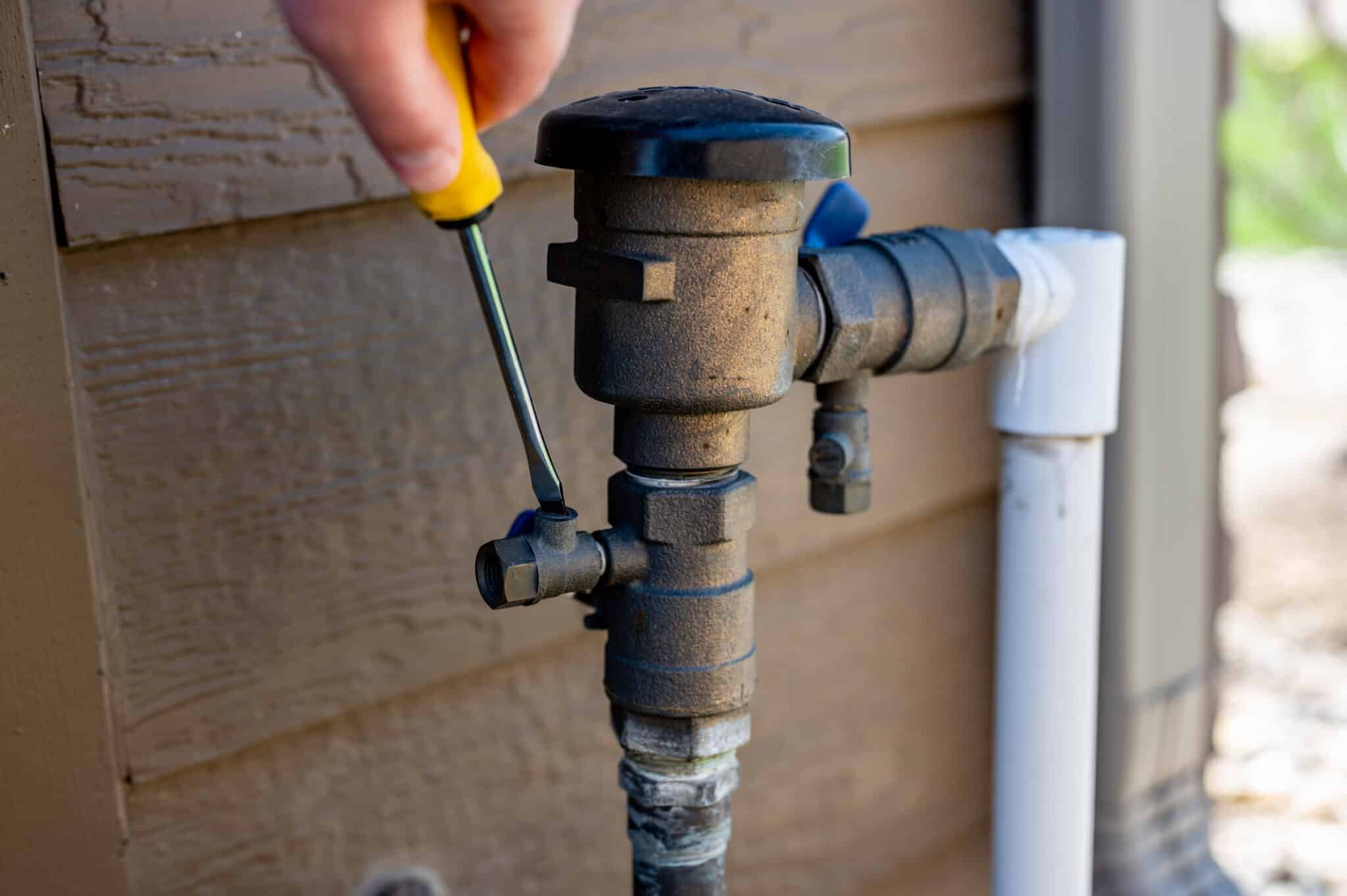
Installing backflow prevention devices is a crucial step in safeguarding your home against cross connection hazards. Homeowners in Mansfield can easily undertake this task with the right tools and guidance. By following manufacturer instructions or seeking professional help, you can ensure these devices are correctly fitted. This effort effectively keeps your drinking water safe from contamination.
Regular maintenance of these devices is equally important to their initial installation. Over time, backflow preventers can wear out or malfunction, leaving your home vulnerable to cross connection hazards. Homeowners should conduct annual checks to verify that these devices are in optimal working condition. Such diligence prevents potential water safety issues before they arise.
In Waxahachie, community awareness about the importance of backflow prevention is growing. Homeowners are learning that these devices are not just a regulatory requirement but a crucial safeguard for their health. By sharing experiences and knowledge, the community strengthens its defense against water contamination. This collective action amplifies the impact of individual efforts to maintain water safety.
Lastly, understanding the role of backflow prevention in combating cross connection hazards empowers homeowners to take proactive measures. Whether it’s installing new devices or maintaining existing ones, every action contributes to cleaner, safer drinking water. With the right approach, residents can significantly reduce the risk of contamination, ensuring their families and neighbors enjoy the highest water quality possible.
Regular Maintenance to Avoid Cross Connection Issues
Regular maintenance is essential in preventing cross connection hazards, a crucial practice for homeowners in Mansfield. By scheduling routine inspections, individuals can detect and address any issues before they escalate into serious problems. These checks help ensure that backflow prevention devices and other safety measures are functioning correctly. Staying ahead of maintenance not only protects your home but also contributes to the overall safety of the community’s water supply.
In Waxahachie, the commitment to water safety is reinforced through the diligent upkeep of plumbing systems. Homeowners play a vital role by being proactive in their approach to water safety. Regularly replacing or repairing worn-out parts can significantly reduce the risk of contamination. This proactive stance is a testament to the community’s dedication to maintaining high standards of water purity.
Understanding the mechanics behind backflow prevention devices is key to recognizing when maintenance is needed. Homeowners should familiarize themselves with how these devices operate to better identify signs of malfunction. Knowing when to call in professionals for repairs or replacements is crucial in preventing cross connection hazards. This knowledge empowers residents to take swift action, ensuring their drinking water remains uncontaminated.
Lastly, fostering a culture of regular maintenance among neighbors can amplify the efforts to keep drinking water safe in both Mansfield and Waxahachie. Sharing tips and experiences about dealing with cross connection hazards encourages a community-wide commitment to water safety. Through collective action and shared responsibility, residents can significantly mitigate the risks associated with cross connections, safeguarding their health and that of their neighbors.
The Role of Professional Plumbers in Mitigating Risks
Professional plumbers play a crucial role in protecting homes from cross connection hazards. In Mansfield, these experts use their skills to inspect and identify potential risks in plumbing systems. Their knowledge ensures that any issues are resolved quickly and efficiently. This proactive approach helps keep the drinking water safe for everyone.
By conducting thorough inspections, plumbers can spot problems that homeowners might miss. They understand the intricacies of plumbing systems and the importance of maintaining them. In Waxahachie, residents rely on these professionals to advise on the best backflow prevention methods. This expertise is invaluable in safeguarding the community’s water supply.
Homeowners benefit from establishing a relationship with a trusted plumbing service. Regular maintenance checks by these professionals can prevent cross connection hazards from developing. They also provide peace of mind by ensuring that all safety measures are up to date. This level of vigilance is essential for maintaining clean and safe drinking water.
Ultimately, the collaboration between homeowners and professional plumbers is key to mitigating risks. Through their combined efforts, they significantly reduce the threat of contamination. This partnership ensures the longevity and safety of the community’s water systems. Together, they uphold the highest standards of water purity in both Mansfield and Waxahachie.
Case Studies: Real-Life Cross Connection Incidents
Understanding the real-world impact of cross connection hazards can highlight their seriousness. In Mansfield, a family experienced minor health issues traced back to a faulty backflow preventer in their home irrigation system. This incident, though resolved quickly thanks to professional intervention, underscores the importance of regular plumbing inspections. It serves as a cautionary tale for homeowners to stay vigilant about their water safety measures.
Another case involved a Waxahachie restaurant facing temporary closure after health inspectors discovered a cross connection between the kitchen’s sink and the sewage line. The swift action by local plumbers rectified the situation, preventing any harm to the public. This example illustrates not only the potential health risks but also the economic impact cross connection hazards can pose. Businesses, in particular, must adhere to strict plumbing standards to ensure public safety.
In a different scenario, a community swimming pool in a suburban area was contaminated due to a backflow issue, leading to a temporary shutdown. The incident prompted a comprehensive review of the pool’s plumbing system, revealing several vulnerabilities that were previously unnoticed. This case highlights the community-wide consequences of neglecting proper backflow prevention and the necessity for regular checks, especially in communal facilities.
Lastly, an educational campaign in Mansfield led to the discovery of multiple homes with inadequate backflow prevention, sparking a city-wide initiative to address these cross connection hazards. The campaign not only educated residents about the risks but also facilitated the correction of these issues, significantly improving the community’s water safety. This proactive approach demonstrates the power of awareness and community action in combating the risks associated with cross connections.
Frequently Asked Questions
What are cross connection hazards?
Cross connection hazards pose a risk to your drinking water by allowing contaminants to enter through improper connections. These risks can occur anywhere household plumbing connects to external sources without proper safeguards. To protect your water, it’s crucial to identify and fix these vulnerabilities. Bahama Plumbing in Mansfield offers expertise in spotting and resolving these issues, ensuring your water stays safe.
How can I prevent water contamination?
To prevent water contamination, regularly check your home’s plumbing system for any signs of cross connection hazards. Installing backflow prevention devices is a smart move to block contaminants from entering your drinking water. It’s also important to have these devices inspected and maintained by professionals like those at Bahama Plumbing in Mansfield. Taking these steps will help keep your water safe and clean for your family.
What are common signs of a cross connection issue?
Spotting common signs of a cross connection issue is key to keeping your water safe. Look out for water discoloration, unusual taste, or odd smells, as these can indicate contamination. Unexpected changes in water pressure also suggest a problem in the plumbing system. If you notice any of these signs, it’s important to contact Bahama Plumbing in Mansfield for a thorough inspection and prompt resolution.
Can cross connection hazards affect drinking water?
Cross connection hazards can indeed impact drinking water quality. These hazards allow pollutants to mix with your home’s water supply. Bahama Plumbing in Mansfield specializes in identifying and fixing such issues. Ensuring your family’s water is clean and safe is their top priority.
Where do cross connection hazards commonly occur?
Cross connection hazards often appear in places where your home’s plumbing meets external water sources. Garden hoses, sinks, and toilets are typical spots for these risks. Bahama Plumbing in Mansfield can help identify and fix these issues. Ensuring these connections are secure keeps your drinking water safe.