


Experiencing condensation under sink pipes is a common issue that many homeowners face. This moisture buildup not only poses a risk to your cabinets but can also affect the overall health of your kitchen and bathroom spaces. Fortunately, understanding the reasons behind this phenomenon is the first step towards finding effective solutions. In areas like Mansfield, the varying temperatures can exacerbate the problem, making it more prevalent.
Condensation occurs when warm, moist air comes in contact with the cold metal surfaces of plumbing pipes. This is especially noticeable during the warmer months in cities like Waxahachie, where humidity levels tend to be higher. The contrast between the indoor air and the cold water running through the pipes creates the perfect conditions for moisture to condense. Addressing this issue promptly can prevent potential damage to your cabinetry and plumbing fixtures.
There are several practical steps homeowners can take to reduce the condensation under sink pipes. From improving ventilation in the affected areas to insulating the pipes, each solution targets the root cause of the moisture buildup. Residents in Kennedale have successfully implemented these strategies, noting a significant decrease in condensation and an improvement in the longevity of their under-sink areas.
Protecting your home from the adverse effects of condensation under sink pipes is crucial. By tackling the issue head-on, you can maintain a healthier and more comfortable living environment. Whether you’re in Mansfield or neighboring cities, the key is to stay informed and proactive in your approach to home maintenance.
Understanding Condensation Under Sink Pipes
Condensation under sink pipes often catches homeowners by surprise. It’s a stealthy issue that can lead to bigger problems if not addressed. In Mansfield and beyond, the key to prevention lies in understanding the causes. By grasping why condensation forms, you can take the first step toward a solution.
One effective way to combat this issue is by enhancing air circulation around the pipes. This can be as simple as leaving cabinet doors open to allow warmer air to circulate. In Waxahachie, where humidity levels soar, this method proves particularly beneficial. It’s a straightforward tactic that can make a significant difference in moisture levels.
Another practical approach involves insulating the pipes themselves. This creates a barrier between the cold surface of the pipe and the warm air. Residents in Kennedale have found success with foam insulation, noting a marked reduction in condensation. This method not only prevents moisture buildup but also conserves energy by keeping the water inside the pipes warmer.
Lastly, consider using a dehumidifier in areas prone to high humidity. This can drastically reduce the amount of moisture in the air, tackling the problem at its source. Whether you’re dealing with this issue in Mansfield or elsewhere, a dehumidifier can be a powerful tool in maintaining a dry and healthy under-sink space.
The Science Behind Moisture Buildup
Understanding the science behind moisture buildup is crucial in effectively addressing condensation under sink pipes. When warm air meets the cooler surface of plumbing pipes, the air’s moisture content condenses into water droplets. This natural process is more pronounced in areas with high humidity levels, such as Waxahachie. Recognizing this phenomenon helps homeowners identify the right strategies to mitigate moisture and protect their homes.
Moisture control starts with recognizing the environmental factors at play. In places like Kennedale, seasonal changes can significantly affect indoor humidity levels, influencing condensation rates. By monitoring these changes, homeowners can adjust their moisture management practices accordingly, ensuring their efforts are both efficient and effective.
Improving home insulation is another key step in preventing condensation under sink pipes. Proper insulation helps maintain a more consistent temperature around the plumbing, reducing the temperature differential that causes condensation. This not only minimizes moisture buildup but also contributes to overall energy savings by stabilizing indoor temperatures.
Lastly, regular maintenance checks can prevent excessive condensation from becoming a persistent issue. Homeowners should inspect their under-sink areas for leaks or signs of moisture damage. Addressing these problems promptly can prevent mold growth and structural damage, ensuring the longevity and health of your kitchen and bathroom spaces.
Common Causes of Condensation in Plumbing Areas
Condensation under sink pipes is often due to high humidity levels, especially in places like Waxahachie. The warm, moist air in these areas can quickly condense on cooler surfaces, such as plumbing pipes. This is why managing indoor humidity is crucial in preventing moisture buildup. Using air conditioners or fans can help keep the air dry and cool, reducing the chances of condensation.
In Kennedale, residents have found that keeping their homes well-ventilated is key to combating condensation. Opening windows regularly allows fresh air to circulate and moisture to escape. This simple practice can significantly decrease the humidity level inside, making it harder for condensation to form. It’s an easy yet effective way to protect your under-sink areas from moisture damage.
Another common cause of condensation under sink pipes is the lack of proper insulation in the home. When walls and windows are poorly insulated, it leads to drastic temperature differences inside. These conditions are perfect for condensation to occur, as the warm air easily cools down upon touching colder surfaces. Therefore, improving your home’s insulation can greatly reduce the risk of condensation.
Regularly checking for and fixing leaks in your plumbing system also helps prevent condensation. Even a small leak can increase the humidity level in a confined space like under a sink. By fixing leaks promptly, you not only prevent water damage but also reduce the likelihood of condensation forming. This proactive approach ensures your plumbing remains in good condition, free from unnecessary moisture.
Preventive Measures for Condensation Under Sink Pipes
To effectively prevent condensation under sink pipes, one strategy is to utilize pipe wrap insulation. This method directly targets the temperature differential that encourages condensation, by keeping the surface of the pipes closer to the air temperature. Homeowners in Waxahachie have reported success with this approach, noting a significant reduction in moisture accumulation. It’s a simple yet effective way to safeguard your under-sink areas against water damage.
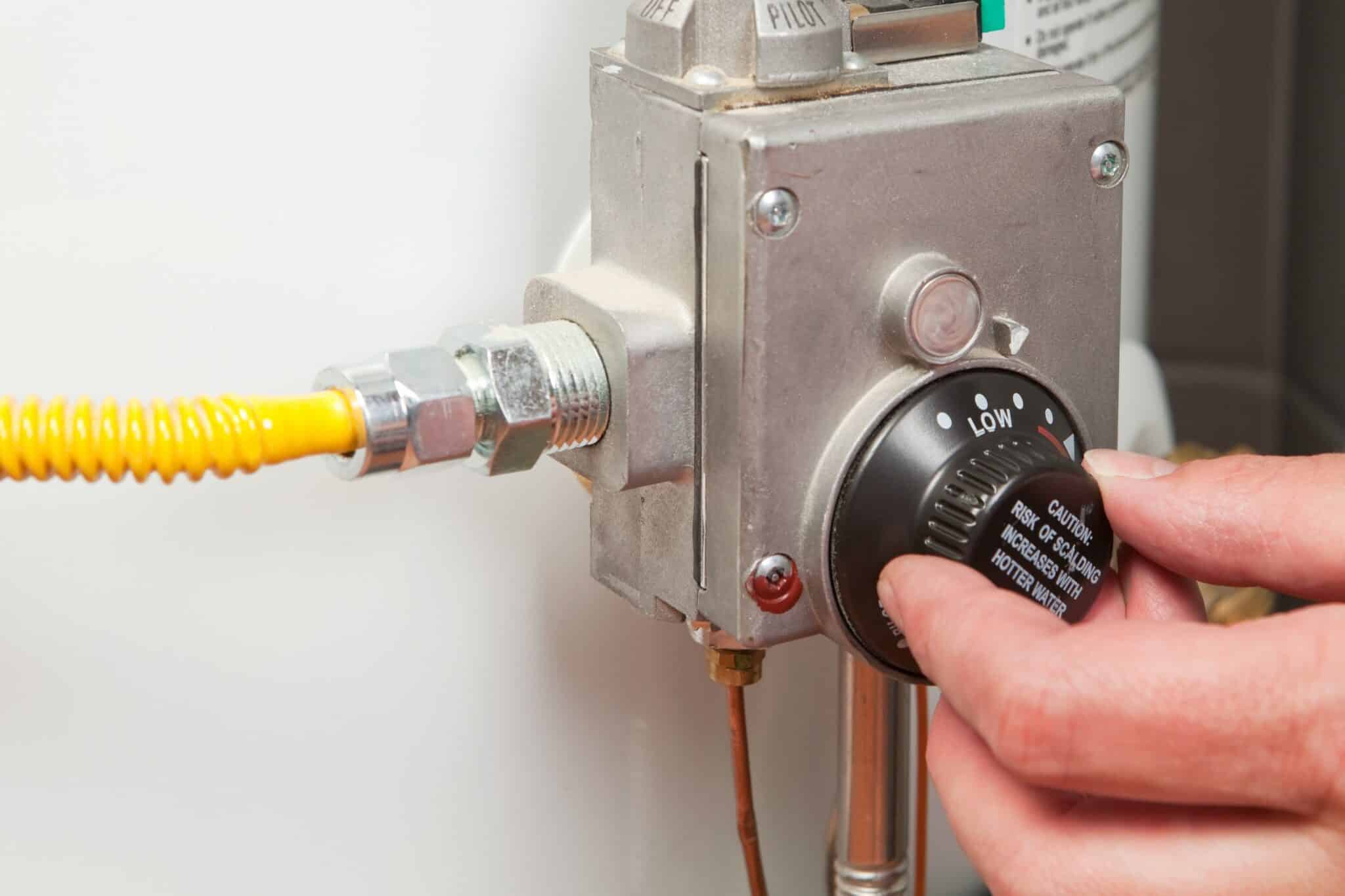
Another preventive measure involves adjusting your water heater’s temperature. By slightly increasing the temperature, the water flowing through the pipes remains warmer, reducing the likelihood of condensation when it comes into contact with warmer air. This adjustment has helped residents in Kennedale maintain drier under-sink spaces, especially during the humid months. It’s a practical tip that can make a noticeable difference in moisture levels.
Regularly cleaning and checking the area under the sink also plays a crucial role in preventing condensation. Ensuring that the space is clutter-free allows for better air circulation, which helps keep the area dry. This habit not only aids in moisture control but also makes it easier to spot and address any early signs of condensation or leaks, keeping the under-sink space in optimal condition.
Lastly, installing a small fan near the sink area can promote continuous air movement, further discouraging condensation from forming on the pipes. This solution has been particularly effective in homes where natural ventilation is limited. By constantly moving the air, the temperature around the pipes stabilizes, effectively minimizing the conditions that lead to condensation under sink pipes. It’s a proactive approach that contributes to a healthier and more comfortable home environment.
DIY Solutions to Reduce Moisture and Protect Cabinets
For those grappling with condensation under sink pipes, a DIY approach can offer simple yet effective remedies. One such solution is to create a moisture barrier using cabinet liners. These liners, when placed at the bottom of under-sink cabinets, can catch drips and spills, preventing water damage to the cabinet material. Not only do they protect the wood, but they also make cleanup easier, ensuring a drier environment that discourages condensation.
In Waxahachie, where the battle against humidity is ongoing, homeowners have embraced the use of silica gel packets. By placing these packets inside the cabinet under the sink, they absorb excess moisture, thus reducing the humidity level around the pipes. This method is particularly useful in confined spaces where air circulation is limited, offering a straightforward way to tackle moisture without complex installations.
Another practical tip involves regularly wiping down the pipes and the interior of the cabinet. This habit removes any existing condensation and prevents the accumulation of moisture, which can lead to mold and mildew growth. In Kennedale, residents have found that keeping the area dry not only preserves the integrity of their cabinets but also maintains a healthier air quality in their homes.
Lastly, consider applying a waterproof sealant around the edges of the sink and where the pipes enter the cabinet. This extra layer of protection can prevent water from seeping into cracks and crevices, safeguarding against both leaks and condensation. It’s a preventive measure that bolsters the durability of your under-sink cabinet, ensuring it remains free from moisture damage and the troubles that come with condensation under sink pipes.
When to Call a Professional for Condensation Issues
While many homeowners can tackle minor issues of condensation under sink pipes with DIY solutions, certain situations require the expertise of a professional. If you’ve applied various strategies and still notice moisture buildup, it’s time to consult with a specialist. Professionals in Waxahachie have the tools and knowledge to diagnose underlying problems that DIY methods might not address. They can offer tailored solutions that ensure your plumbing remains dry and functional.
In cases where condensation leads to mold or mildew, calling in a professional becomes even more critical. These conditions not only damage your property but can also pose health risks. Experts in Kennedale are equipped to handle mold remediation and can implement preventative measures against future condensation. Their intervention helps maintain a healthy living environment, safeguarding your home and your well-being.
Professionals also excel in improving ventilation and insulation, key factors in preventing condensation under sink pipes. They can assess your home’s layout and recommend upgrades that enhance air flow and temperature control. By optimizing these aspects, they reduce the chances of condensation forming, offering a long-term solution to moisture problems.
Lastly, enlisting the help of a professional ensures that all solutions comply with local building codes and standards. They bring a level of precision and care to the task that goes beyond temporary fixes, addressing the root cause of condensation under sink pipes. With their help, you can enjoy a drier, healthier home without the worry of recurring moisture issues.
The Impact of Climate on Condensation Under Sink Pipes
Understanding the impact of climate on condensation under sink pipes is crucial for homeowners in areas with fluctuating temperatures. In Waxahachie, where summers are hot and humid, the risk of condensation increases significantly. The warm air, filled with moisture, easily condenses upon contacting the cooler surfaces of plumbing pipes. This phenomenon highlights the importance of climate awareness in managing under-sink moisture.
In contrast, Kennedale experiences a milder climate, yet homeowners still report issues with condensation under sink pipes during certain times of the year. During cooler months, indoor heating can raise the temperature difference between the air and the water in the pipes. This scenario underscores the need for year-round vigilance and adaptive moisture control strategies, regardless of the external climate.
Adapting to these climate challenges requires a multifaceted approach to prevent condensation under sink pipes. Insulation of pipes becomes even more critical in areas with significant temperature swings. By creating a barrier that reduces the temperature differential, homeowners can effectively mitigate the risk of condensation, protecting their cabinets and maintaining a healthier living environment.
Furthermore, the implementation of dehumidifiers or ventilation systems can offer additional support in managing indoor humidity levels. These tools are especially useful in climates prone to high humidity, helping to maintain a balance that discourages condensation formation. Through understanding and adapting to the impact of climate, homeowners can ensure their under-sink areas remain dry and free from moisture-related damage.
Tips for Maintaining a Dry Plumbing Environment
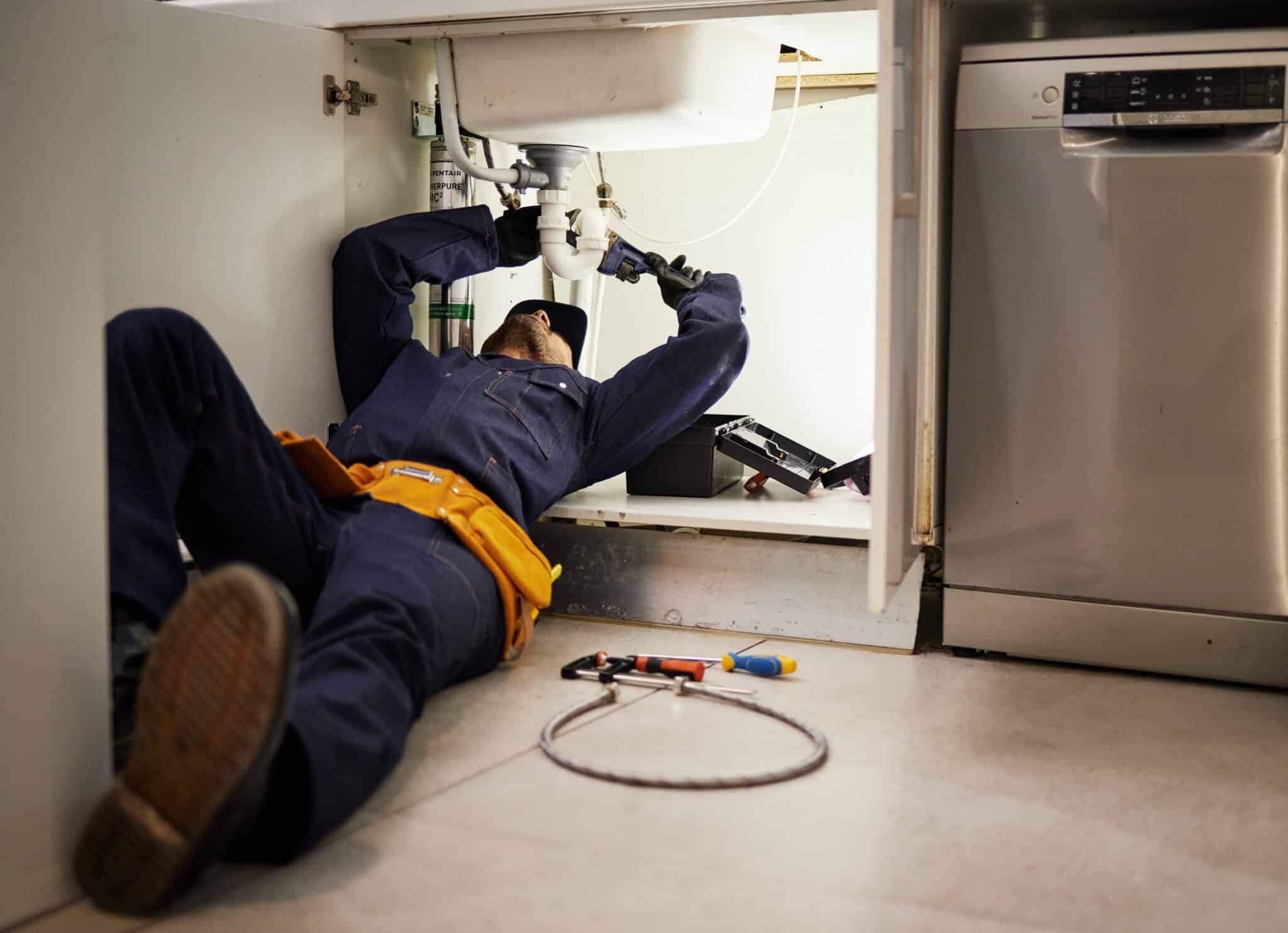
Maintaining a dry plumbing environment is crucial to prevent condensation under sink pipes, especially in areas like Waxahachie. One effective method is to regularly check for any signs of leaks or drips. Early detection and repair can keep the area under the sink dry, reducing the risk of condensation. This proactive approach saves homeowners from potential water damage and mold growth.
In Kennedale, residents can benefit from using moisture-absorbing products. Placing these items in cabinets under the sink helps absorb excess humidity, keeping the space drier. It’s a simple, yet effective way to combat the moisture that leads to condensation. These products are particularly useful in maintaining a healthier environment in your kitchen and bathroom spaces.
Another tip is to ensure good air circulation around the plumbing. Installing a small vent or fan near the sink can help move air, preventing it from becoming stagnant and moist. This strategy not only helps in reducing condensation under sink pipes but also aids in keeping the air fresh. Improved air quality contributes to a more comfortable and healthier home environment.
Lastly, insulating your pipes is a key step in maintaining a dry plumbing environment. It acts as a barrier, minimizing the temperature difference that causes condensation. Homeowners can easily apply foam insulation to their pipes, a task that offers long-term benefits. By following these tips, managing condensation under sink pipes becomes an achievable goal, ensuring your home remains dry and comfortable.
Frequently Asked Questions
What causes condensation under sink pipes?
Condensation under sink pipes happens when warm, moist air meets the cooler surface of plumbing pipes. This temperature difference causes water vapor in the air to turn into liquid on the pipes. It’s a common issue in both kitchens and bathrooms, especially during warmer seasons. Keeping areas well-ventilated helps reduce moisture and prevent condensation buildup.
How can I prevent moisture in my cabinets?
To prevent moisture in your cabinets, start by ensuring good air circulation. Installing a small fan can help move air around. Use moisture absorbers or silica gel packets inside cabinets to keep them dry. Additionally, insulating your sink pipes can reduce condensation under sink pipes, keeping the cabinet space drier.
What materials combat condensation under sink pipes?
Several materials are effective in fighting condensation under sink pipes. Foam insulation wraps are popular, as they easily fit around pipes, keeping them warm. For a DIY approach, old towels or fabric can also provide a temporary barrier against moisture. Lastly, moisture-absorbent mats placed under the sink offer an extra layer of protection, keeping cabinets dry and free from water damage.
Can insulation stop condensation under sink pipes?
Yes, insulation can effectively halt condensation under sink pipes by keeping the pipe surface closer to air temperature. This method prevents the warm, moist air from cooling too quickly and turning into water on the pipes. Foam insulation wraps are a popular choice for their easy application and immediate impact. By reducing moisture, you protect your cabinets and maintain a healthier plumbing environment.
Are dehumidifiers effective for under sink areas?
Dehumidifiers are indeed effective for managing moisture in under sink areas. They work by pulling excess humidity from the air, reducing condensation on pipes. This helps keep the space drier and protects cabinets from moisture damage. Installing a small dehumidifier nearby can be a practical solution for persistent moisture problems.