


Water heaters are essential in every household, ensuring a steady supply of hot water for various daily activities. However, like any other appliance, they are prone to wear and tear over time. Anode rod replacement is a crucial maintenance task that can significantly extend the life of your water heater by preventing rust and corrosion. Understanding how anode rods work, when to replace them, and choosing the right material is key to keeping your water heater functioning efficiently.
Anode rods are designed to attract corrosive elements in the water, thereby protecting the tank from rusting. Over time, these rods deteriorate and lose their effectiveness, making timely replacement essential. Residents in Mansfield and surrounding areas, including Kennedale and Waxahachie, can attest to the importance of regular water heater maintenance. Anode rod replacement is a simple yet effective way to avoid premature tank failure and costly replacements.
Knowing when to replace an anode rod can save homeowners a significant amount of money in the long run. Typically, anode rods should be checked every three to five years, but this can vary depending on the water quality in your area. In places like Mansfield, with its unique water composition, staying ahead of maintenance schedules is crucial. Timely replacement ensures your water heater remains in optimal condition, providing peace of mind and reliability.
Choosing the right anode rod material is also vital for effective water heater protection. Magnesium and aluminum are the most common materials, each with its benefits and considerations. Homeowners in Kennedale and Waxahachie should consider their local water quality when selecting an anode rod. Making an informed decision helps in achieving the best protection for your water heater, ensuring it serves you well for years to come.
Understanding How Anode Rods Protect Your Water Heater
Anode rods play a critical role in safeguarding your water heater from the inside out. By attracting corrosive particles, these rods take the brunt of the damage that would otherwise affect the tank. This sacrificial process is what keeps the water heater tank from rusting prematurely. Therefore, understanding the protection anode rods offer is the first step in ensuring the longevity of your water heater.
Regular inspection and timely anode rod replacement are essential practices for maintaining a healthy water heater. If the rod is significantly corroded, it can no longer protect the tank effectively, leading to rust and eventual leaks. Homeowners in Kennedale should remember to schedule checks every three to five years. However, those with harder water may need to replace their anode rods more frequently.
Selecting the right anode rod material is crucial for maximizing the protection of your water heater. Magnesium rods are often recommended for homes with softer water, as they provide excellent protection and can improve water quality. On the other hand, aluminum rods are better suited for areas with hard water, like Waxahachie, because they are more durable and less likely to corrode quickly. Making the right choice depends on understanding the specific needs of your water heater and the water it heats.
Ultimately, anode rod replacement is a straightforward but vital maintenance task that significantly extends the life of your water heater. By choosing the appropriate material and replacing the rod at the right time, you ensure your water heater remains efficient and free from rust for many years. Residents of Mansfield and surrounding areas can thus enjoy the peace of mind that comes from knowing their water heater is well protected.
The Importance of Anode Rod Replacement
Anode rod replacement isn’t just a maintenance task, it’s a crucial investment in the longevity of your water heater. Over time, the protective barrier provided by the anode rod wears down, leaving the tank vulnerable to corrosion. This is why residents in Kennedale find it essential to keep up with this simple yet impactful procedure. Ensuring the anode rod is in good condition helps avoid the costly affair of replacing the entire water heater prematurely.
Understanding the importance of anode rod replacement can significantly influence the efficiency and lifespan of your water heater. When the anode rod is corroded, it can no longer perform its job of protecting the tank from rust. This makes it imperative for homeowners in Waxahachie to monitor their water heater’s anode rod and replace it when necessary. Regular checks and timely replacement can save you from unexpected breakdowns and maintain water quality.
Choosing the right time for anode rod replacement is as crucial as selecting the correct material. If you wait too long, the rod may completely dissolve, and your tank will start to corrode, leading to leaks. It’s advisable to consult with professionals who can assess the condition of your water heater and recommend the optimal time for replacement. Acting proactively ensures that your water heater continues to operate efficiently, providing reliable hot water when you need it.
In conclusion, anode rod replacement plays a pivotal role in the maintenance of your water heater. By understanding when and how to replace the anode rod, you can prevent rust, extend the life of your appliance, and ensure it runs smoothly. Homeowners who prioritize this task will enjoy the benefits of a fully functional water heater for years to come. Remember, keeping an eye on your anode rod is key to safeguarding your water heater’s health.
Signs It’s Time for Anode Rod Replacement
Recognizing the right time for an anode rod replacement is crucial to maintaining your water heater’s efficiency. If you notice a decrease in water quality or if it takes longer for water to heat up, these could be signs that the anode rod is failing. Homeowners in Kennedale should be particularly vigilant, as local water conditions can accelerate the wear on these rods. Acting upon these signs promptly can save you from more complex and costly repairs down the line.
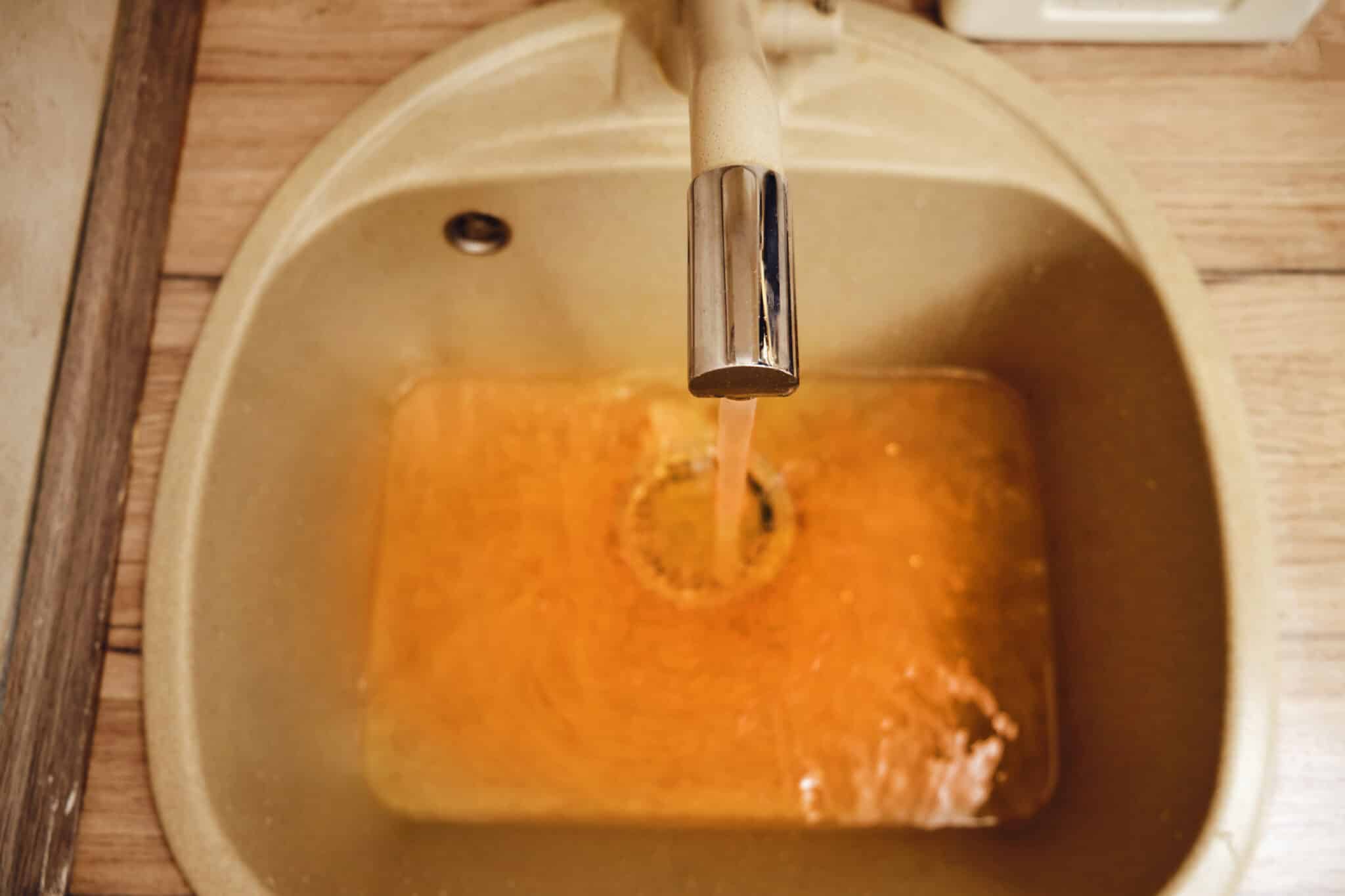
Another indicator that it’s time for an anode rod replacement is the presence of rusty-colored water. This suggests that the rod has deteriorated to the point where it can no longer protect the tank from corrosion. Residents in Waxahachie experiencing this issue should consider it a clear signal to consult with a professional. Replacing the anode rod at this stage can help restore your water heater’s functionality and water quality.
Frequent water heater noises, such as popping or rumbling sounds, can also signal the need for an anode rod replacement. These noises often result from sediment buildup, which occurs more rapidly when the anode rod is no longer effective. Addressing this issue not only extends the life of your water heater but also improves its efficiency. It’s a simple step that can lead to significant savings on energy bills.
Lastly, if your water heater is nearing the end of its warranty period, it’s a good idea to check the anode rod even if no symptoms are present. Regular maintenance, including anode rod replacement, is key to preventing sudden failures. By keeping an eye on the condition of your anode rod, you ensure that your water heater remains a reliable source of hot water for your home. This proactive approach can greatly enhance the longevity and performance of your appliance.
Types of Anode Rods and Their Benefits
When considering anode rod replacement, understanding the different types available is crucial. Magnesium anode rods are a popular choice for many homeowners. They are especially beneficial in areas with softer water, as they can provide superior protection against corrosion. This makes them a reliable option for ensuring the longevity of your water heater.
Aluminum anode rods, on the other hand, are better suited for homes with hard water, such as those in Waxahachie. These rods are durable and resistant to the rapid corrosion that can occur in harder water conditions. Opting for an aluminum anode rod can help maintain the quality of your water heater over time. It’s a practical choice for those looking to balance protection with longevity.
Zinc anode rods are another option, often used to combat sulfur odors in water. These rods are actually aluminum anode rods with a small portion of zinc. The zinc acts to counteract the sulfur smell that can sometimes be present in household water. For homeowners noticing unpleasant odors coming from their hot water, a zinc anode rod could offer a simple solution.
Finally, choosing the right anode rod involves considering your local water composition and the specific needs of your water heater. Residents of Kennedale might find magnesium rods to be the best fit, while those in areas with harder water might lean towards aluminum. Consulting with a professional can provide tailored advice, ensuring your water heater receives the best possible protection. Making an informed decision on anode rod replacement can significantly impact the efficiency and lifespan of your water heater.
Step-by-Step Guide to Replacing Your Anode Rod
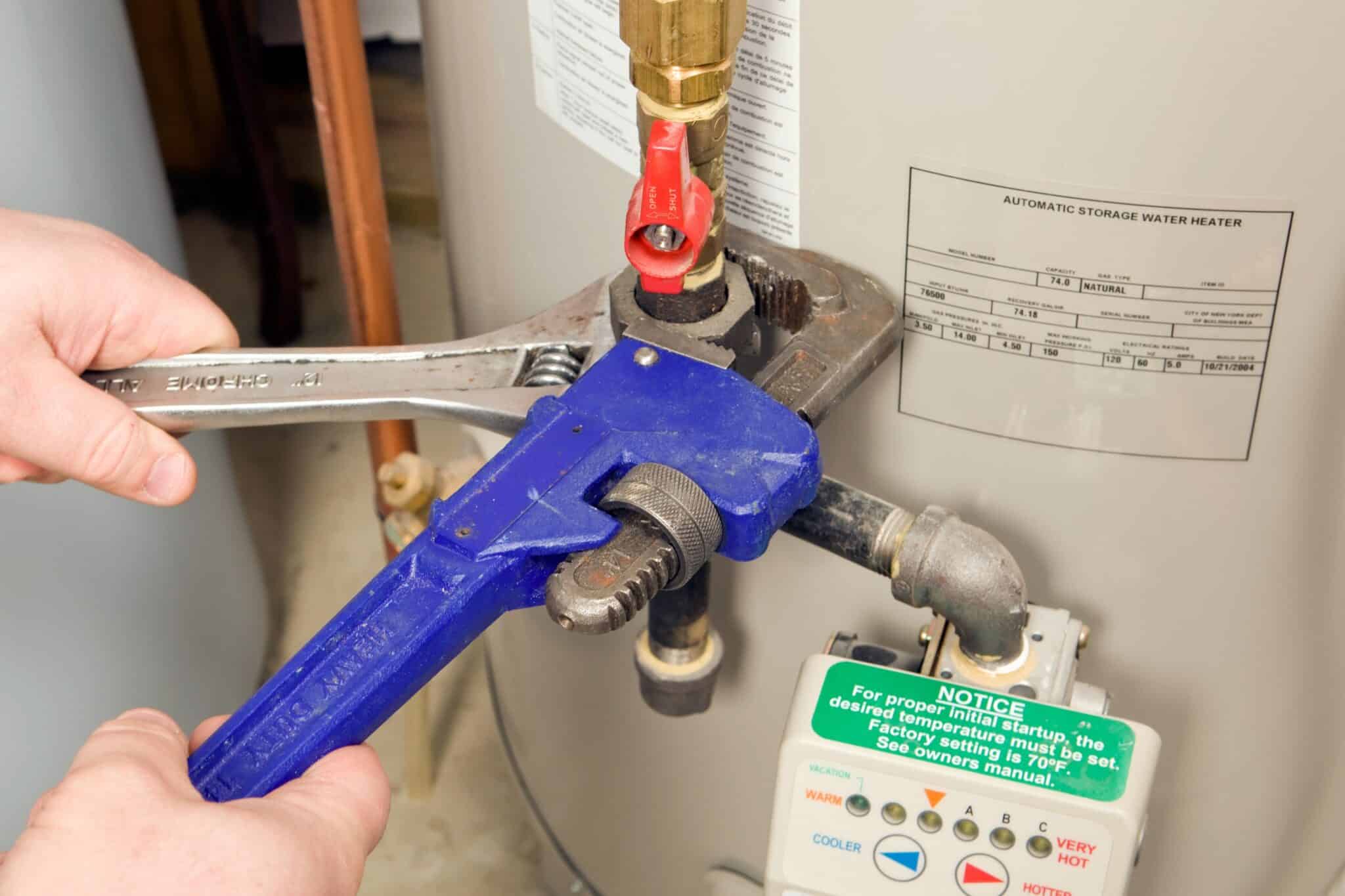
Anode rod replacement is a straightforward process that homeowners can undertake to ensure their water heater’s longevity. First, turn off the power supply to your water heater to ensure safety during the replacement. This might involve switching off the circuit breaker for electric heaters or turning the gas valve to the “off” position for gas heaters. Ensuring the power is off protects you from potential hazards.
Next, drain a few gallons of water from the water heater to relieve pressure and create space for removing the old anode rod. You can do this by attaching a hose to the drain valve located at the bottom of the tank and letting the water flow into a suitable drain. This step is crucial for creating the necessary workspace and preventing water from spilling during the anode rod’s removal. Residents in Kennedale will find this step particularly straightforward given the straightforward layout of most residential water heaters.
With the water partially drained, locate the anode rod on the top of the water heater. You may need to consult your water heater’s manual, as the position can vary. Using a socket wrench, unscrew the anode rod from the tank. Remember, it might require significant force if the anode rod is heavily corroded or if it hasn’t been replaced for a long time. This is a common scenario in areas with hard water, such as Waxahachie, where anode rods may corrode faster.
Finally, insert the new anode rod into the tank and tighten it securely with the socket wrench. Once it’s in place, refill the water heater, turn the power back on, and check for any leaks around the anode rod’s installation site. Ensuring everything is sealed properly is crucial to avoid water damage and ensure the efficient operation of your water heater. This last step completes the anode rod replacement process, safeguarding your water heater against premature rust and corrosion.
Selecting the Right Anode Rod Material for Your Home
Selecting the right anode rod material is crucial for the efficient operation of your water heater. In areas like Kennedale, where the water might be softer, magnesium anode rods are often the best choice due to their superior corrosion protection. They not only safeguard the tank but also enhance the water quality, making them a preferred option for many homeowners. Understanding your local water conditions is key to making an informed decision that will benefit your water heater in the long run.
For those living in Waxahachie, where water tends to be harder, aluminum anode rods might be more suitable. These rods are designed to withstand the harsher conditions that hard water imposes, offering durable protection against corrosion. By opting for an aluminum rod, you can extend the life of your water heater, ensuring it remains functional and efficient for years to come. It’s a practical choice that aligns with the specific needs of your home’s water heating system.
Anode rod replacement is a maintenance task that should not be overlooked. Regularly assessing your water heater’s anode rod and replacing it when necessary can prevent rust and extend the appliance’s lifespan. Whether you choose magnesium or aluminum depends on your water’s specific characteristics and your heater’s requirements. Engaging with a professional can provide valuable insights, helping you select the material that offers the best protection for your water heater.
Ultimately, the longevity and efficiency of your water heater hinge on the correct selection and timely replacement of the anode rod. By staying informed about the different materials available and how they interact with your local water conditions, you can make a choice that ensures your water heater operates smoothly. Remember, anode rod replacement is a simple yet effective way to maintain your water heater’s health, providing you with reliable hot water while avoiding costly repairs or replacements down the line.
Professional vs. DIY Anode Rod Replacement
Deciding between professional and DIY anode rod replacement involves weighing several factors. For homeowners in Kennedale, taking the DIY route can be tempting due to the potential savings. However, it requires a certain level of skill and the right tools to complete the job successfully. Engaging a professional ensures the task is done correctly, avoiding any risk of damage to your water heater.
Professionals bring expertise and experience to anode rod replacement, which can be particularly beneficial for residents in Waxahachie. They can assess the condition of your water heater accurately, recommend the best anode rod material, and ensure a seamless replacement process. This expertise not only saves time but also guarantees that your water heater operates efficiently for a longer period.
On the other hand, DIY anode rod replacement offers homeowners the opportunity to understand their water heating system better. It can be a rewarding project that provides insights into regular maintenance tasks. However, without the proper knowledge, there’s a risk of incorrect installation or choosing the wrong anode rod material, which could lead to further issues down the line.
Ultimately, the choice between professional and DIY anode rod replacement depends on personal preference, budget, and comfort level with home maintenance tasks. While hiring a professional offers peace of mind and reliability, a successful DIY project can instill a sense of accomplishment and save money. Regardless of the choice, regular anode rod replacement is key to maintaining your water heater’s health and efficiency.
Maintenance Tips to Extend Anode Rod Life
To extend the lifespan of your anode rod and, by extension, your water heater, regular maintenance is key. Inspecting the anode rod annually allows you to catch any significant wear before it leads to tank corrosion. This proactive approach can significantly delay the need for anode rod replacement, especially in areas like Kennedale where water conditions may accelerate wear. Keeping an eye on the rod’s condition ensures your water heater remains protected against rust and corrosion for as long as possible.
Flushing your water heater at least once a year is another effective strategy to prolong the life of your anode rod. Sediment buildup at the bottom of the tank can cause the water heater to work harder, which in turn can affect the anode rod’s efficiency. Residents in Waxahachie can benefit from this maintenance tip, as it helps maintain the water heater’s efficiency and prevents premature anode rod degradation. This simple step not only extends the life of the anode rod but also improves the overall performance of your water heater.
Avoiding the use of harsh chemical cleaners in your water heating system can also protect the anode rod from unnecessary wear. Chemicals can accelerate the corrosion process, leading to the early failure of the anode rod. By using mild cleaning agents, you ensure that the protective layer of the anode rod remains intact for longer. This practice contributes to the longevity of both the anode rod and the water heater itself, ensuring they continue to operate efficiently.
Lastly, consulting with a professional plumber for regular water heater assessments can help in making informed decisions about anode rod replacement. A plumber can offer personalized advice based on the specific conditions of your water heater and local water quality. Whether you’re in Kennedale or Waxahachie, a professional’s guidance can be invaluable in maintaining the health of your water heater. This expert input ensures that your anode rod is replaced at the optimal time, maximizing the protection of your water heater against corrosion.
Anode Rod Replacement Frequently Asked Questions
What is an anode rod?
An anode rod is a crucial component in your water heater that prevents rust. It does this by attracting corrosive elements in the water, which would otherwise attack the tank. Over time, the rod wears down and needs replacing to keep your heater safe and functional. Regular anode rod replacement ensures your water heater lasts longer and performs better.
How often should anode rod replacement occur?
Anode rod replacement should happen every three to five years for optimal protection. However, this timeline can vary based on your water quality and heater usage. Checking the rod annually helps identify when it’s time for a new one. Staying on top of this maintenance task ensures your water heater remains in good condition.
Can I replace an anode rod myself?
Yes, you can replace an anode rod on your own with the right tools and some basic knowledge. First, ensure the power and water supply to the heater are off. Next, drain some water from the tank to relieve pressure. Finally, unscrew the old rod and install the new one, making anode rod replacement a straightforward task.
What signs indicate anode rod replacement is needed?
Knowing when to replace an anode rod is key to maintaining your water heater. Look for rusty water or a rotten egg smell, which indicate corrosion. A decrease in water temperature can also suggest the rod is failing. Lastly, if you inspect the rod and it’s heavily corroded, it’s time for a new one.
Does anode rod type matter?
Choosing the right type of anode rod is crucial for your water heater’s protection. Different materials, such as magnesium, aluminum, and zinc, cater to various water conditions. Magnesium rods work best in soft water, while aluminum is ideal for hard water areas. Always select a rod that matches your water quality to ensure optimal performance and longevity.