


Self-regulating heat cables have emerged as a reliable solution to this problem, automatically adjusting their temperature to protect pipes from the cold. These innovative cables are designed to keep water flowing smoothly through pipes, preventing the costly and inconvenient occurrences of frozen pipes and the subsequent damage they can cause.
The beauty of self-regulating heat cables lies in their ability to detect and respond to changes in temperature, ensuring that pipes remain at a safe warmth even in the coldest conditions. This technology is especially beneficial in areas like Waxahachie, where temperatures can drop unexpectedly, posing a risk to unprepared plumbing systems. Homeowners appreciate the peace of mind that comes from knowing their pipes are safeguarded against the winter chill, without the need for constant monitoring.
Installing self-regulating heat cables is a proactive step towards maintaining a healthy plumbing system throughout the winter months. By automatically adjusting their heat output, these cables efficiently prevent water inside pipes from freezing, a common cause of burst pipes and water damage. This not only helps in preserving the integrity of a home’s plumbing but also contributes to reducing the likelihood of emergency plumbing repairs, a concern for many during the winter season.
The adoption of self-regulating heat cables is growing among residents of Mansfield and Waxahachie, who recognize the value of this smart technology in protecting their homes. This innovative solution offers a simple yet effective way to combat the challenges posed by freezing temperatures, ensuring that homeowners can enjoy a worry-free winter with uninterrupted water flow and minimal risk to their plumbing systems.
The Basics of Self-Regulating Heat Cables
Understanding how self-regulating heat cables work is key to appreciating their value in winter plumbing protection. These cables adjust their heat output based on the surrounding temperature. When the temperature drops, the cables increase their heat to prevent water inside pipes from freezing. This adaptability makes them an efficient solution for maintaining water flow during cold spells.
The construction of self-regulating heat cables involves a special conductive polymer core that changes resistance with temperature. This unique feature allows the cables to automatically modulate their power output along their entire length. As a result, they deliver more heat where the pipe is colder and less heat where it’s warmer. This targeted heating ensures that pipes are protected evenly, reducing the risk of freezing without wasting energy.
Installing self-regulating heat cables is straightforward, making them a popular choice among homeowners in Mansfield. Homeowners can wrap these cables around pipes or run them alongside them, depending on the specific needs of their plumbing system. The flexibility and durability of these cables mean they can be used on both metal and plastic pipes, offering broad applicability across different home plumbing setups.
In summary, self-regulating heat cables offer a smart and efficient way to protect plumbing systems from winter’s harsh conditions. Their ability to adjust heat output ensures that pipes remain unfrozen, preventing damage and maintaining continuous water supply. For residents in areas prone to sudden temperature drops, like Waxahachie, investing in these cables is a wise decision for safeguarding their homes against the challenges of freezing temperatures.
How Frozen Pipes Cause Home Damage
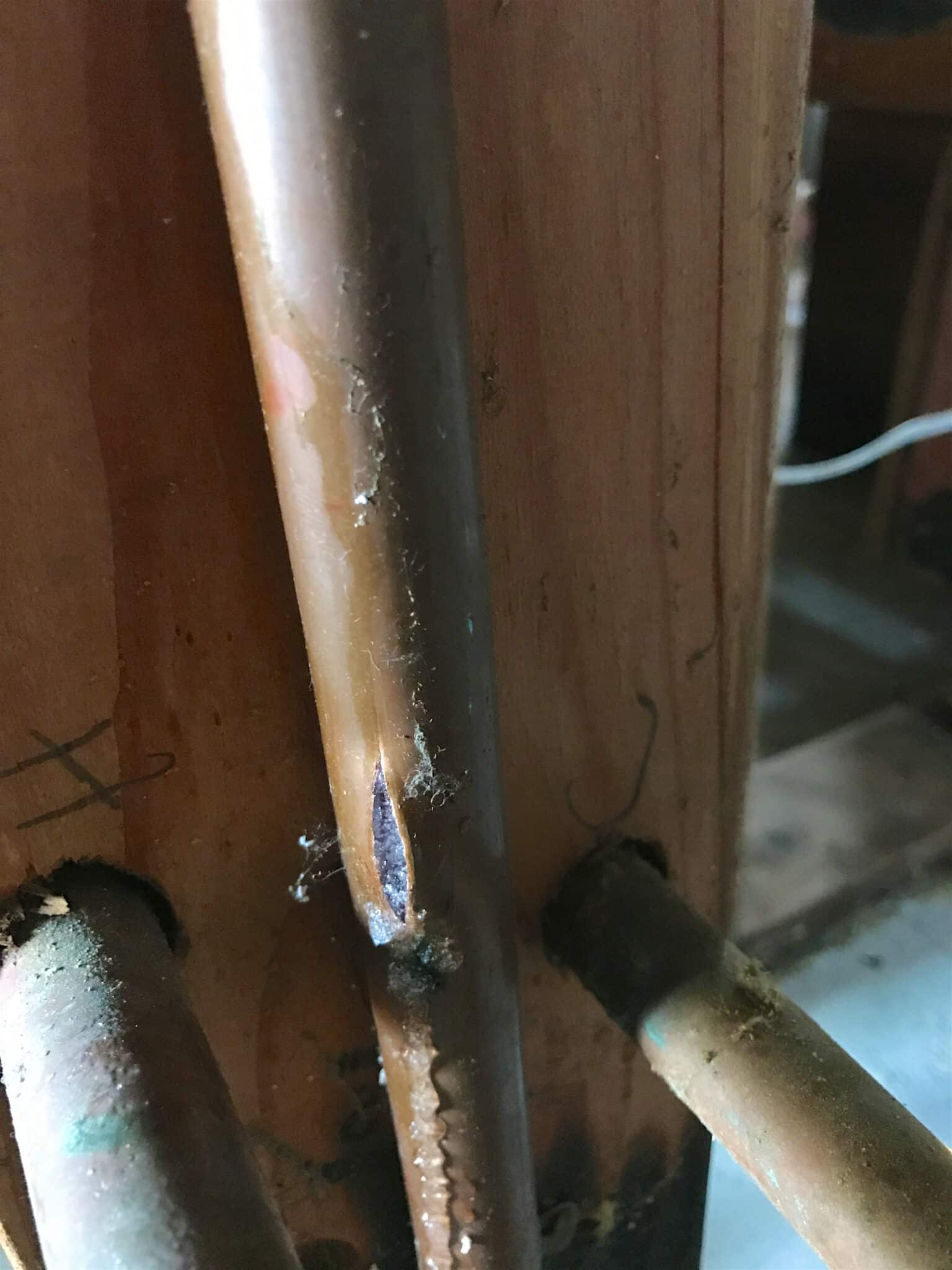
Understanding the consequences of frozen pipes can highlight the importance of self-regulating heat cables in winter plumbing protection. When water freezes, it expands, putting immense pressure on pipes, which can lead to cracks or bursts. This not only disrupts water supply but can also cause significant water damage to a home’s structure and belongings. Residents in Mansfield have increasingly turned to these cables as a preventative measure, recognizing their effectiveness in avoiding such costly disruptions.
Water damage from burst pipes can be extensive, leading to the need for expensive repairs and renovations. Floors, walls, and even the foundation of a home can be affected, requiring professional intervention. Self-regulating heat cables play a crucial role in preventing these scenarios by maintaining a consistent temperature in pipes, thus ensuring they remain functional even in the coldest conditions. Homeowners in Waxahachie value this technology for its ability to protect their investments during the winter months.
The risk of mold and mildew growth increases significantly with water damage, posing health risks to inhabitants. Damp conditions foster the proliferation of these harmful organisms, which can compromise indoor air quality. By using self-regulating heat cables, homeowners can maintain dry conditions within their plumbing systems, effectively minimizing the potential for mold and mildew development. This proactive approach is essential for maintaining a healthy living environment throughout the year.
In conclusion, the benefits of installing self-regulating heat cables extend beyond preventing frozen pipes. They help safeguard homes against structural damage, costly repairs, and health hazards associated with water damage and mold growth. As residents of Mansfield and Waxahachie prepare for winter, investing in these cables offers a smart, efficient way to protect their homes and well-being from the challenges posed by freezing temperatures.
Installation Process for Heat Cables
Installing self-regulating heat cables is a straightforward process that homeowners in Mansfield can easily undertake to protect their plumbing during winter. First, measure the length of the pipes you need to cover to determine how much cable you’ll require. This initial step ensures that you purchase the right amount of cable without excess. It’s important to accurately measure to avoid any gaps in coverage that could lead to freezing.
Next, securely attach the self-regulating heat cables along the pipes, either by wrapping them around or running them alongside, depending on the specific needs of your plumbing system. Use the provided clips or cable ties to keep the cables in place. This method ensures that the entire length of the pipe receives consistent warmth. Making sure the cables are properly secured prevents them from shifting and leaving parts of the pipe exposed to cold air.
Then, connect the cables to a power source. Most self-regulating heat cables come with a plug for easy installation. It’s crucial to follow the manufacturer’s instructions carefully to ensure safe and effective operation. Proper installation guarantees that the cables function as intended, adjusting their temperature automatically to keep the pipes from freezing.
Finally, once the cables are installed and powered, monitor their performance, especially during the coldest days in Waxahachie. Checking the cables and pipes periodically ensures they are working correctly and provides peace of mind. This proactive approach helps homeowners avoid the inconvenience and expense of frozen pipes, ensuring a warm and worry-free winter.
The Science Behind Self-Regulating Technology
Delving into the science behind self-regulating heat cables reveals why they are so effective in preventing frozen pipes during winter. These cables contain a conductive polymer that responds to temperature changes. As temperatures drop, the polymer increases electrical resistance, generating more heat. Conversely, as temperatures rise, resistance decreases, reducing heat output, ensuring energy efficiency without manual adjustments.
This technology is particularly beneficial in Mansfield, where winter temperatures can fluctuate significantly. The adaptability of self-regulating heat cables means they provide just the right amount of heat to prevent freezing. Homeowners don’t have to worry about adjusting the cables manually, the system intuitively responds to the external temperature. This smart feature is what makes these cables a preferred choice for safeguarding plumbing against cold weather.
Moreover, the efficiency of self-regulating heat cables lies in their ability to distribute heat evenly along pipes. This ensures that every section of the plumbing system, regardless of its exposure to cold air, receives adequate warmth to prevent freezing. It’s this targeted approach to heating that helps maintain consistent water flow in homes throughout Waxahachie, even in the coldest months.
In summary, the science behind self-regulating heat cables offers a clear explanation of their effectiveness. Their automatic temperature adjustment capability not only conserves energy but also provides a fail-safe method to protect plumbing from winter’s chill. For residents in Mansfield and Waxahachie, investing in this technology means enjoying peace of mind, knowing their homes are protected from the risks of freezing temperatures.
Comparing Self-Regulating Cables to Traditional Methods
When comparing self-regulating heat cables to traditional methods of preventing pipe freezing, the advantages become clear. Traditional methods often involve manually wrapping pipes with insulation or leaving faucets dripping to maintain flow. These approaches, while somewhat effective, do not offer the same level of protection or efficiency. In Mansfield, where temperatures can vary, the adaptability of self-regulating heat cables provides a more reliable solution.
Self-regulating heat cables stand out by automatically adjusting their heat output based on the surrounding temperature. This means they only use the amount of energy necessary to prevent freezing, unlike constant wattage cables that continuously consume power. Homeowners in Waxahachie find this feature appealing, as it not only protects their plumbing but also reduces their energy consumption. This smart technology ensures that pipes receive the right amount of warmth without any waste.
On the other hand, traditional heating methods like space heaters or heat lamps pose significant risks, including fire hazards. They require constant monitoring, making them less convenient and potentially dangerous. Self-regulating heat cables, with their built-in safety features, offer a safer alternative. This peace of mind is invaluable for residents throughout the colder months, knowing their homes are protected without constant supervision.
Finally, the longevity and durability of self-regulating heat cables surpass traditional methods. Once installed, they require minimal maintenance, unlike insulation that may need periodic replacement or adjustment. This makes them a cost-effective and long-term solution for maintaining water flow in freezing conditions. For homeowners in both Mansfield and Waxahachie, investing in self-regulating heat cables means choosing a smarter, safer, and more efficient way to protect their plumbing systems from winter’s chill.
Energy Efficiency and Cost Benefits
Self-regulating heat cables offer significant energy efficiency benefits, making them a preferred choice for homeowners in Mansfield. Unlike traditional heating solutions that consume a constant amount of power, these cables adjust their energy use based on the ambient temperature. This smart feature ensures that they only use the energy necessary to prevent pipes from freezing. As a result, homeowners can enjoy reduced electricity bills during the winter months.
In addition to energy savings, the cost benefits of self-regulating heat cables extend to long-term maintenance and repair savings. Since these cables prevent pipes from freezing, they significantly reduce the risk of burst pipes and the expensive repairs that follow. Homeowners in Waxahachie appreciate this aspect, as it means not having to deal with the hassle and cost of emergency plumbing services. The durability of these cables also means they don’t need frequent replacements, adding to the savings.
Another advantage is the ease of installation, which can be a cost-saving factor by itself. Homeowners can often install self-regulating heat cables without the need for professional help, further reducing initial costs. This do-it-yourself friendly aspect is particularly appealing, as it allows for immediate protection against freezing temperatures without the added expense of hiring a specialist.
Overall, self-regulating heat cables represent a smart investment for those looking to protect their plumbing from winter’s chill efficiently. By combining energy efficiency with reduced maintenance and repair costs, these cables offer a cost-effective solution to a common problem. Residents of Mansfield and Waxahachie, therefore, find these cables to be an invaluable addition to their winter home maintenance routine, ensuring peace of mind and significant savings.
Maintenance Tips for Self-Regulating Heat Cables
To ensure self-regulating heat cables continue to protect your pipes from freezing temperatures, regular inspection is crucial. Homeowners in Mansfield can easily check for visible damage or wear on the cables before the winter season begins. This proactive step helps identify any issues early, preventing unexpected failures during cold spells. Keeping an eye on the condition of the cables ensures they are ready to perform when temperatures drop.
Another important maintenance tip is to gently clean the cables and the pipes they’re attached to. Dust and debris can accumulate over time, potentially affecting the efficiency of the heat cables. A soft cloth can be used to wipe down both the cables and pipes, ensuring they are clean and free from obstructions. This simple task can significantly improve the performance of self-regulating heat cables, ensuring they work effectively throughout the winter.
It’s also beneficial to test the self-regulating heat cables’ operation before the onset of cold weather in Waxahachie. By plugging in the cables and monitoring their warmth, homeowners can confirm they are adjusting correctly to temperature changes. This test provides peace of mind, knowing the cables will function as needed to prevent pipe freezing. Ensuring the cables are operational ahead of time can save a lot of trouble when winter arrives.
Lastly, homeowners should consider adding insulation over the self-regulating heat cables and pipes for extra protection against freezing temperatures. Insulation helps retain the warmth generated by the cables, making them even more efficient. This additional layer can be especially helpful in areas exposed to extreme cold. Combining self-regulating heat cables with insulation offers the best defense against winter’s harsh effects on plumbing systems.
Real-Life Success Stories Using Heat Cables
Homeowners in Mansfield have shared inspiring stories about how self-regulating heat cables transformed their winter experiences. One resident described avoiding a costly plumbing disaster thanks to the cables’ proactive freeze protection. This success story highlights the reliability of self-regulating heat cables in maintaining uninterrupted water flow. Their satisfaction underscores the technology’s effectiveness in safeguarding homes against winter’s unpredictability.
In Waxahachie, a family recounted how their previous winters were fraught with plumbing issues until they installed self-regulating heat cables. They were amazed by the simplicity of the installation process and the immediate improvement in their plumbing system’s resilience to cold snaps. This testament to the cables’ efficiency has encouraged neighbors to consider this smart solution for their own homes. The family’s positive outcome serves as a compelling endorsement for the technology.
Another homeowner shared how their reliance on self-regulating heat cables led to significant savings on repair costs. Before using the cables, they faced frequent and expensive plumbing repairs each winter. Now, they enjoy peace of mind, knowing their pipes are protected from freezing temperatures. This story illustrates the cost-effectiveness of investing in self-regulating heat cables for long-term plumbing maintenance.
Lastly, a community in Mansfield collectively adopted self-regulating heat cables, dramatically reducing the neighborhood’s incidents of frozen pipes. This collective action not only enhanced each household’s plumbing system but also fostered a sense of community preparedness. Their shared success story is a powerful example of how innovative technology like self-regulating heat cables can bring people together in combating common challenges posed by harsh winter conditions.
Frequently Asked Questions
What are self-regulating heat cables?
Self-regulating heat cables adjust their heat output based on surrounding temperatures. This smart feature helps prevent pipes from freezing during the cold months. They’re ideal for keeping water flowing and reducing the risk of winter plumbing damage. These cables are a reliable solution for homeowners looking to protect their plumbing in freezing conditions.
How do they prevent pipe freezing?
Self-regulating heat cables work by automatically adjusting their temperature. This action ensures pipes stay warm enough to prevent water inside from freezing. By maintaining a consistent warmth, these cables help keep water flowing smoothly. As a result, homeowners can avoid the common winter issue of frozen pipes and the damage they cause.
Can they be installed on any pipe?
Self-regulating heat cables are versatile and can be fitted on most pipes. They are designed for both metal and plastic piping, making them suitable for a wide range of home plumbing systems. Their flexibility allows for easy installation around bends and fittings. This adaptability ensures that homeowners can protect various pipes from freezing, regardless of their material or location.
How to install self-regulating heat cables?
Installing self-regulating heat cables is straightforward and does not require professional help. First, wrap the cables around the pipes you wish to protect, ensuring even coverage. Next, secure them in place with tape or cable ties to prevent shifting. Finally, plug the cables into a power source to activate them. By following these steps, you can safeguard your pipes against freezing temperatures efficiently.
Are they energy efficient?
Self-regulating heat cables are designed with energy efficiency in mind. They adjust heat output to match surrounding temperatures, reducing unnecessary power use. This smart technology ensures that they only use the energy needed to prevent freezing. As a result, homeowners can enjoy lower energy bills while keeping their pipes safe during winter.