


Texas water shortages are a growing concern, especially in January when low rainfall and increased demand place extra strain on supplies. In cities like Fort Worth and Dallas, people often focus on drought, but that’s just one part of the picture. Several hidden factors quietly contribute to the issue, making it far more complex than it appears on the surface. These factors deserve just as much attention if Texans hope to protect their future water security.
One major problem is the aging water infrastructure found throughout many urban and rural areas of Texas. Leaks and outdated systems lead to significant water loss before it ever reaches a tap. Fort Worth, for example, sees thousands of gallons wasted daily due to damaged pipelines. Without major updates, these silent losses will only grow worse over time.
Groundwater overuse also plays a big role in Texas water shortages, especially in rapidly developing regions. Many communities rely heavily on aquifers, drawing more water than can naturally be replaced. As a result, groundwater levels continue to drop, creating long-term challenges for future generations. Conservation and better management must become priorities to prevent lasting damage.
Lastly, climate shifts are changing how, when, and where Texas gets its rainfall. Warmer winters, like those seen recently in Dallas, disrupt normal weather patterns and increase evaporation rates. This makes water less predictable and harder to store efficiently. Recognizing climate’s role in Texas water shortages is essential for crafting long-term solutions.
Aging Infrastructure Is Draining Texas Water Supplies
Texas water shortages are becoming worse due to an often-overlooked problem, aging water infrastructure in cities like Fort Worth and Dallas. Many pipes were installed decades ago and are now reaching the end of their useful life. Cracks, corrosion, and weak joints lead to consistent leaks that waste thousands of gallons every day. These hidden losses make Texas water shortages worse, especially during colder January months.
The situation becomes more urgent when cold weather causes pipes to burst unexpectedly across older neighborhoods. Repairs can take days, forcing residents to go without reliable water access. This delay disrupts daily life and increases frustration during an already challenging season. Such interruptions highlight the fragile state of water systems contributing to Texas water shortages.
Monitoring tools in these older systems are also outdated or missing altogether. Without real-time data, crews often rely on public complaints or visible flooding to find leaks. By the time an issue is discovered, gallons of clean water have already been lost. These inefficiencies further intensify Texas water shortages in communities across the state.
To address this issue, Texas must prioritize investments in smart water infrastructure. Upgrading systems would reduce water loss, lower maintenance costs, and improve overall reliability. With a growing population and shrinking resources, there’s no time to waste. Solving infrastructure problems is key to overcoming long-term Texas water shortages.
Groundwater Overuse Is Drying Up Texas Aquifers
Groundwater plays a major role in supplying water across Texas, but overuse is rapidly draining aquifers faster than they can refill. In Dallas and Fort Worth, growing populations put added pressure on underground reserves meant to last for generations. Farmers, industries, and cities all pull from the same sources, leaving less water available year after year. This unchecked demand contributes directly to worsening Texas water shortages.
One key issue is that many aquifers take decades, even centuries, to naturally recharge. When more water is pumped out than replaced, levels drop, and wells begin to run dry. In some areas, land has even started sinking due to groundwater loss, damaging infrastructure above. This invisible crisis often escapes public attention, but its effects are long-lasting and severe.
Regulation of groundwater in Texas remains limited and inconsistent from one district to the next. Some areas have strong rules, while others allow pumping without oversight. This lack of coordination makes it difficult to manage water resources fairly and sustainably. As a result, Texas water shortages continue to deepen with every passing year.
To protect these underground reserves, Texans must embrace smarter water policies and conservation strategies. Reducing demand, improving irrigation, and using surface water when possible can all make a difference. Aquifers are not infinite, and overuse today will cause bigger problems tomorrow. Tackling groundwater issues is critical to solving Texas water shortages.
Climate Shifts Are Reshaping Texas Rainfall Patterns
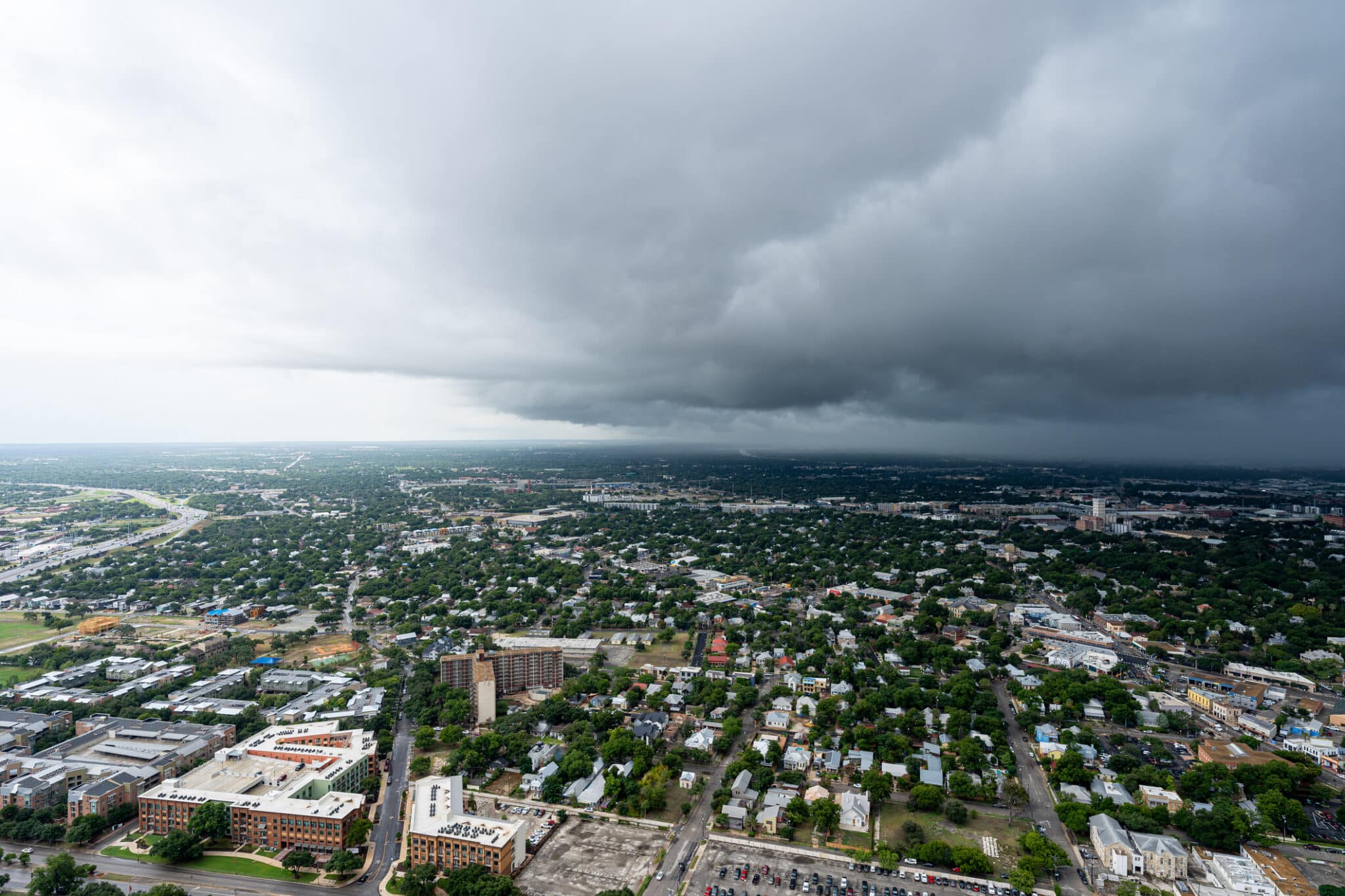
Texas water shortages are being shaped by more than just human activity, climate shifts are also playing a powerful role. In recent years, Dallas and Fort Worth have experienced warmer winters and unpredictable rainfall, making water management more difficult. January used to bring consistent rains, but now storms are scattered or delayed. These changes reduce the amount of water available when it’s needed most.
Higher temperatures increase evaporation rates in lakes, rivers, and reservoirs throughout Texas. As more water evaporates, less remains for drinking, farming, or industry. Even when rainfall totals stay the same, the timing and distribution make a big difference. Sudden downpours cause runoff, but they don’t refill supplies as well as steady rain.
Long-term climate trends suggest these shifts will continue, placing greater stress on Texas water systems. Heat waves and extended dry spells are expected to become more common, especially in the western and central regions. Without proper planning, these changes will only make Texas water shortages harder to manage. Communities must prepare now to reduce future risks.
Addressing the impact of climate shifts means updating water policies to reflect new environmental realities. Conservation programs, rainwater harvesting, and drought-tolerant landscaping can help reduce demand. Meanwhile, better forecasting tools can improve how we store and use water. Understanding climate’s effect is essential to fighting Texas water shortages.
Urban Growth Is Outpacing Water Supply in North Texas
Texas water shortages are intensifying as rapid urban growth in cities like Dallas and Fort Worth outpaces available water resources. Every year, thousands of new residents and businesses move into the region, driving up daily water demand. This surge stretches infrastructure and natural supplies beyond their limits. Without careful planning, population growth will continue to strain Texas water shortages further.
Urban expansion replaces open land with pavement and buildings, reducing areas where rainwater can soak into the ground. This limits natural groundwater recharge and increases surface runoff. As a result, valuable water is lost instead of being captured for later use. The shift also places new stress on stormwater systems, which must handle larger volumes in shorter periods.
Additionally, new developments often require large-scale landscaping and irrigation, especially in commercial zones. These practices consume significant amounts of water, particularly during drier months. In January, when rainfall is low, maintaining greenery becomes even more wasteful. Encouraging water-wise landscaping would ease the burden on already limited supplies.
To manage this growth sustainably, cities must align development with long-term water availability. Planners and policymakers should invest in water-efficient infrastructure, stricter building codes, and better resource forecasting. Growth isn’t slowing down, so solutions must evolve quickly. Otherwise, urban expansion will keep fueling Texas water shortages.
Water Mismanagement Amplifies Regional Supply Problems
Texas water shortages are not only caused by natural forces but also by poor planning and mismanagement at multiple government levels. In cities like Fort Worth and Dallas, overlapping water districts sometimes operate without coordination, leading to wasted efforts and conflicting priorities. This disorganization makes it harder to respond quickly when shortages arise. Better cooperation is essential for handling Texas water shortages effectively.
Outdated policies often fail to reflect the current population and environmental realities across North Texas. Some rules are based on decades-old data, ignoring today’s faster growth and changing weather patterns. These gaps allow inefficient practices to continue unchecked, worsening the strain on available supplies. Modern challenges require updated approaches and smarter oversight.
In addition, many communities lack clear communication about water usage goals and emergency measures. During dry periods, residents often don’t know when restrictions apply or how serious the situation really is. This confusion leads to unnecessary consumption and missed opportunities for conservation. Effective public outreach is key to reducing demand and raising awareness.
To reduce the impact of poor management, Texas must adopt unified strategies across regions. Sharing resources, data, and planning tools would help all cities work toward common goals. Stronger leadership and transparency can also restore public trust and encourage smarter use. Fixing mismanagement is a crucial step in addressing Texas water shortages.
Agricultural Demand Challenges Water Conservation Efforts
Texas water shortages are increasingly impacted by the demands of agriculture, particularly in rural areas surrounding Dallas and Fort Worth. The state’s farms consume more water than homes or businesses, often using outdated methods that waste valuable resources. As cities grow and climate conditions shift, the gap between supply and agricultural demand becomes harder to close. This growing imbalance plays a key role in deepening Texas water shortages.
-
Outdated Irrigation Methods:
Many Texas farms still rely on traditional systems like flood irrigation, which lose large amounts of water to evaporation and runoff. Without modern upgrades, much of the water fails to reach the crops that need it most. Even in January, when conditions are cooler, these losses remain significant. Improving efficiency here could greatly ease Texas water shortages.
-
Unchecked Groundwater Pumping:
In many areas, groundwater extraction continues without proper regulation or oversight. This drains aquifers faster than they can recharge, threatening future water availability across North Texas. Cities like Dallas and Fort Worth are especially vulnerable as underground reserves drop. Overpumping directly contributes to long-term Texas water shortages.
-
Lack of Support for Conservation:
Small and mid-sized farmers often lack the funding or guidance to invest in water-saving tools. Without assistance, they keep using inefficient systems that increase overall consumption. Statewide programs must step in with stronger education and resources. These actions can help reduce the strain that agriculture places on Texas water shortages.
-
Policy Reform and Collaboration:
Better coordination between agricultural stakeholders and water planners is essential. Shared goals, fair rules, and smart investments can balance rural and urban needs. Forward-thinking policy is the only path to long-term sustainability. Without it, agriculture will remain a major driver of Texas water shortages.
Reservoir Losses Threaten Water Storage Capacity
Reservoir efficiency is quietly declining, and it’s becoming a serious contributor to Texas water shortages. Around Fort Worth and Dallas, aging reservoirs store less water each year due to sediment buildup and evaporation. These losses reduce how much water Texas can hold during wet months for use during dry spells. Without proper maintenance, this issue will continue to drive Texas water shortages in the years ahead.
-
Sediment Buildup Reduces Capacity:
Over time, soil and debris collect at the bottom of reservoirs, taking up valuable storage space. As a result, many reservoirs hold far less than they were originally designed to. In January, these systems should be filling up, but limited space keeps them from doing so. This directly impacts supply and adds pressure to Texas water shortages.
-
Evaporation Wastes Stored Water:
Rising temperatures, even in winter, cause more water to evaporate from reservoir surfaces. Windy days make the problem worse, especially in open areas around North Texas. When water disappears faster than it can be replaced, communities feel the impact. These evaporative losses intensify Texas water shortages across the state.
-
Limited Maintenance and Upgrades:
Many reservoirs haven’t been dredged or upgraded in decades. Without intervention, they will continue losing capacity year after year. Municipal budgets often delay or overlook this hidden issue. Yet ignoring it only worsens Texas water shortages.
-
Innovative Storage Can Help:
New strategies like underground storage and floating covers offer ways to protect water from loss. These methods preserve supply and reduce long-term risks. Investing in innovation now is critical for future stability. Every improvement can help ease Texas water shortages.
Public Awareness Gaps Hinder Water Conservation
Texas water shortages persist in part because many residents don’t fully understand the scope or urgency of the issue. In cities like Fort Worth and Dallas, daily water use often seems routine and unlimited. Without visible signs of crisis, people rarely feel the need to change habits. This lack of awareness slows efforts to reduce demand.
Many Texans are unaware of how their choices affect long-term water availability. Lawn irrigation, long showers, and running taps may seem harmless but add up quickly. In January, when lawns go dormant, outdoor watering still happens unnecessarily. These everyday habits contribute quietly to Texas water shortages.
Public messaging about conservation is often inconsistent or too technical to engage the average household. Without clear, relatable guidance, people don’t know how or why to conserve. Campaigns must connect emotionally and offer simple steps people can follow. Better communication can drive meaningful behavior change.
To close the awareness gap, Texas communities must invest in widespread education and outreach. Schools, media, and neighborhood programs all play important roles in spreading the message. When residents understand the stakes, they’re more likely to act. Boosting public knowledge is a vital part of solving Texas water shortages.
Industrial Growth Increases Regional Water Demand
Texas water shortages are further stressed by industrial expansion, especially in high-growth areas like Dallas and Fort Worth. As new factories, warehouses, and data centers move into North Texas, their operations require massive water supplies. Unlike residential use, industrial consumption can be constant and intensive. This sharp rise in demand places heavy strain on local water systems.
Many industrial processes, such as cooling, cleaning, or manufacturing, rely heavily on water to function properly. In January, while residential use may dip, industrial operations continue at full pace. Without limits or incentives to conserve, these businesses consume more than their fair share. This unchecked usage worsens Texas water shortages across urban regions.
Permitting and regulation often fail to address the cumulative impact of multiple facilities operating within the same water district. Each project is reviewed in isolation, not as part of a larger water demand picture. As a result, infrastructure may be overwhelmed without warning. Poor planning accelerates Texas water shortages and leaves little room for emergencies.
To manage this trend, state and local officials must develop smarter water policies for industrial growth. Strategies could include recycling systems, consumption caps, and efficiency requirements for high-usage facilities. Supporting innovation in water-saving technologies can help industries grow sustainably. Without stronger regulation, industrial demand will continue to intensify Texas water shortages.
Policy Gaps Undermine Long-Term Water Security
Weak or outdated water policies continue to fuel Texas water shortages, especially in fast-growing areas like Dallas and Fort Worth. Many existing regulations were written decades ago and don’t reflect today’s climate or population pressures. As needs evolve, the law struggles to keep up. This lag allows inefficiencies to continue unchecked across the state.
One major issue is that water planning often happens in silos, with cities and counties making decisions independently. Without a unified strategy, efforts can overlap, conflict, or leave critical gaps. This lack of coordination wastes resources and slows progress. It also makes it harder to respond quickly when Texas water shortages worsen unexpectedly.
Additionally, long-term conservation goals are often overlooked in favor of short-term fixes. Emergency drought restrictions come and go, but few lasting solutions are enforced. Policies must shift from reactive to proactive, focusing on prevention rather than just crisis response. This kind of forward-thinking is essential to stop Texas water shortages from escalating.
To strengthen water security, Texas needs modern, flexible, and science-based policies. These should address regional differences while promoting statewide standards for efficiency, infrastructure, and resource sharing. Community input, expert data, and transparent enforcement must all play a role. With stronger policies, the path to solving Texas water shortages becomes far more achievable.
Protecting Texas Water: What Comes Next
Texas water shortages won’t fix themselves, but smart actions today can build a more secure future for everyone. Cities like Dallas and Fort Worth must lead the way by improving infrastructure, updating policies, and promoting conservation. Every Texan has a role to play, from turning off sprinklers in January to supporting smarter water laws. Solving Texas water shortages requires both government leadership and public commitment.
Awareness is the first step, but action must follow. Encouraging residents to reduce waste, businesses to adopt efficient practices, and farms to modernize irrigation can all make a difference. These changes add up quickly when supported by strong planning and clear communication. The more proactive we are, the more resilient our water systems become.
Investing in innovation is another key to success. From underground storage to recycled water systems, technology can help Texas adapt to climate shifts and rising demand. Local and state leaders must prioritize funding for projects that deliver long-term savings. Bold decisions today will help communities avoid severe consequences tomorrow.
In the end, Texas water shortages are a shared challenge that demands shared solutions. By working together, staying informed, and taking action, we can protect this vital resource for generations to come. With effort and unity, a water-secure Texas is within reach.

Frequently Asked Questions About Texas Water Shortages
-
What are the main causes of Texas water shortages?
Texas water shortages are driven by a mix of factors, including aging infrastructure, overused groundwater, rapid urban growth, climate shifts, and poor policy coordination.
-
How do Texas water shortages affect cities like Dallas and Fort Worth?
These cities face increased pressure on their water systems due to rising demand, older pipelines, and less predictable rainfall, especially during winter months like January.
-
What role does agriculture play in water shortages?
Agriculture is a major water consumer in Texas. Inefficient irrigation and lack of oversight in rural areas contribute heavily to statewide water shortages.
-
Can new technologies help solve Texas water shortages?
Yes, smart irrigation, water recycling, leak detection systems, and underground storage solutions can help reduce waste and boost long-term water security.
-
How can residents help reduce water shortages in Texas?
Texans can conserve water by fixing leaks, limiting lawn irrigation, using water-efficient appliances, and following local water use guidelines, especially during dry months.